A Surprising Genomic Void (Image Credits: Sciencenews.org)
Researchers have identified a striking genetic pattern in snakes that calls into question the role of ghrelin, long dubbed the “hunger hormone,” in survival during extended fasts.
A Surprising Genomic Void
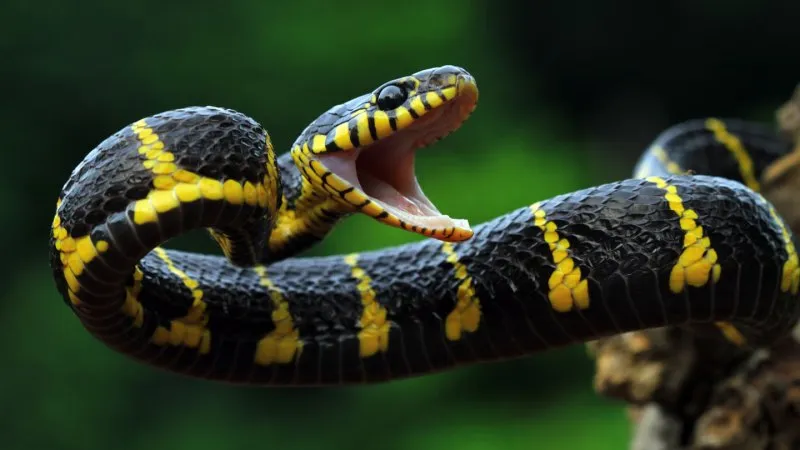
Snakes often endure weeks or even months without a meal, a feat that captivated scientists studying reptile genomes. In a recent analysis, evolutionary geneticist Rui Pinto and colleagues examined DNA from 112 reptile species pulled from public databases. They discovered that genes for ghrelin and its activating enzyme, MBOAT4, were absent across 32 snake species spanning families like Colubridae, Elapidae, and Viperidae.[1][2]
This loss appeared ancestral in snakes, with pseudogenized remnants in some basal groups like pythons and boas. The finding stunned experts. “The researchers’ findings are ‘striking,’” noted Todd Castoe, an evolutionary geneticist at the University of Texas at Arlington who was not involved. Many had overlooked this “really cool pattern.”[1]
Beyond Simple Hunger Signals
Ghrelin gained fame for stimulating appetite in mammals, yet its absence in fasting-proficient snakes complicates that narrative. Studies in mice showed no drop in food intake or body weight after ghrelin deletion. Active ghrelin levels even rose post-meal in rodents and humans, hinting at roles in metabolism, fat storage, and insulin regulation.[1]
Pinto, from Portugal’s Interdisciplinary Centre of Marine and Environmental Research, suggested the hormone’s loss ties more to snakes’ unique metabolism than hunger pangs. “Snakes’ lack of ghrelin may have nothing to do with hunger,” he said. Their low resting metabolic rates and sit-and-wait foraging likely reduced the need for such a system.
Patterns Across Reptile Kin
The gene loss extended beyond snakes, appearing independently in four chameleon species and two toadhead agama lizards – reptiles that feed more routinely. Crocodiles, capable of fasting over a year, retained both genes intact. This patchwork challenged direct links to fasting prowess.
- Snakes (Serpentes): Complete loss in 32 species; supports intermittent feeding.
- Chameleons (Chamaeleonidae): Absent in four species.
- Toadhead agamas (Phrynocephalus): Lost in two species; present in related agamids.
- Crocodiles: Genes functional despite superior fasting ability.
These contrasts, detailed in the February 1 Open Biology study, highlighted evolutionary flexibility in energy regulation.[2]
Future Probes into Reptile Physiology
Zoophysiologist Tobias Wang of Aarhus University cautioned against overstating ghrelin’s metabolic dominance, noting limited evidence of profound effects. Study co-author Rute Fonseca of the University of Copenhagen agreed that genomic scans offer clues, not the full picture. Experiments loom large: deleting ghrelin in crocodiles or dosing snakes with the hormone could clarify impacts.
Castoe foresaw broader ripples. Such work might illuminate human conditions like diabetes and obesity. “I think there’s a lot more cool stories that we will see come out of this,” he predicted.[1]
| Reptile Group | Ghrelin Gene Status | Fasting Ability |
|---|---|---|
| Snakes | Absent | Weeks to months |
| Crocodiles | Present | Over a year |
| Chameleons (some) | Absent | Regular feeding |
Key Takeaways:
- Snakes lost ghrelin genes ancestrally, aiding energy conservation.
- Loss appears in unrelated reptiles, but not all long-fasters.
- Ghrelin’s true role may lie in metabolism, not just appetite.
This genetic quirk underscores reptiles’ diverse adaptations to feast-or-famine lifestyles, promising fresh insights into hormonal evolution. What role do you think ghrelin plays in animal survival? Share your thoughts in the comments.