Online shopping has transformed the way we buy everything from groceries to gadgets. With a few clicks, items arrive at your doorstep within days, sometimes hours. Yet beneath the convenience lies a complex landscape filled with potential pitfalls that could cost you time, money, and peace of mind.
The digital marketplace keeps expanding. In 2024, global retail e-commerce sales totaled $6.01 trillion, which underscores how rapidly online shopping has become the norm for millions worldwide. However, the same technology that makes shopping effortless also creates opportunities for fraud, confusing pricing tactics, and misleading deals. Learning to navigate this terrain with confidence isn’t just useful anymore – it’s essential.
Master the Art of Price Comparison
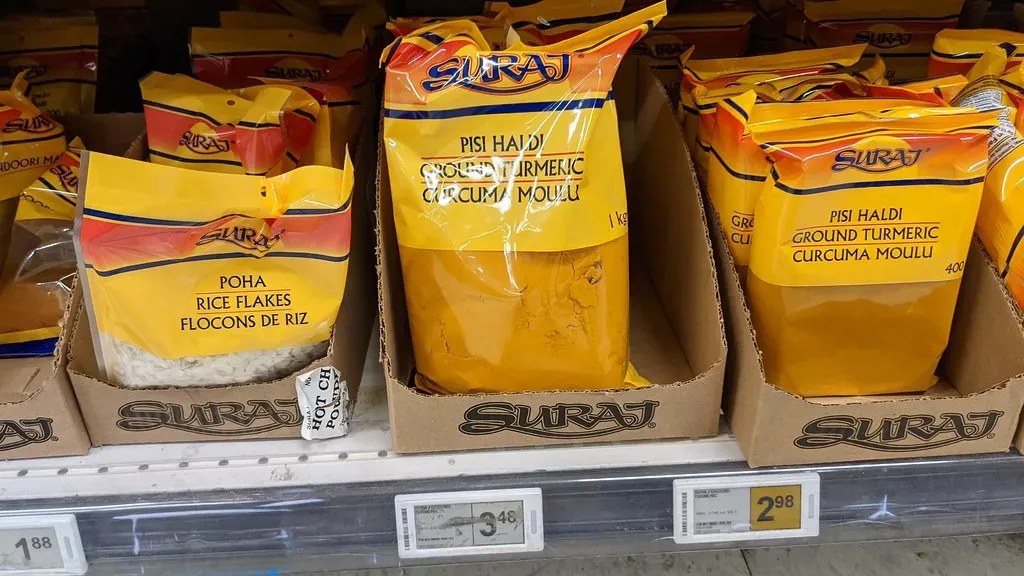
Let’s be real, prices online can change faster than you refresh your browser. Retailers use algorithms that automatically increase prices when they detect higher customer interest in a particular item, and similarly slash prices when demand suddenly decreases. This means the item you were eyeing yesterday might cost more today, or less tomorrow.
Smart shoppers use price comparison tools and browser extensions specifically designed to track these fluctuations. These tools work quietly in the background, scanning multiple retailers to help you identify better deals. The key is not to rush into a purchase just because something looks cheap at first glance. Take a moment to verify whether that “discount” is genuine or just clever marketing.
Recognize and Avoid Online Shopping Scams
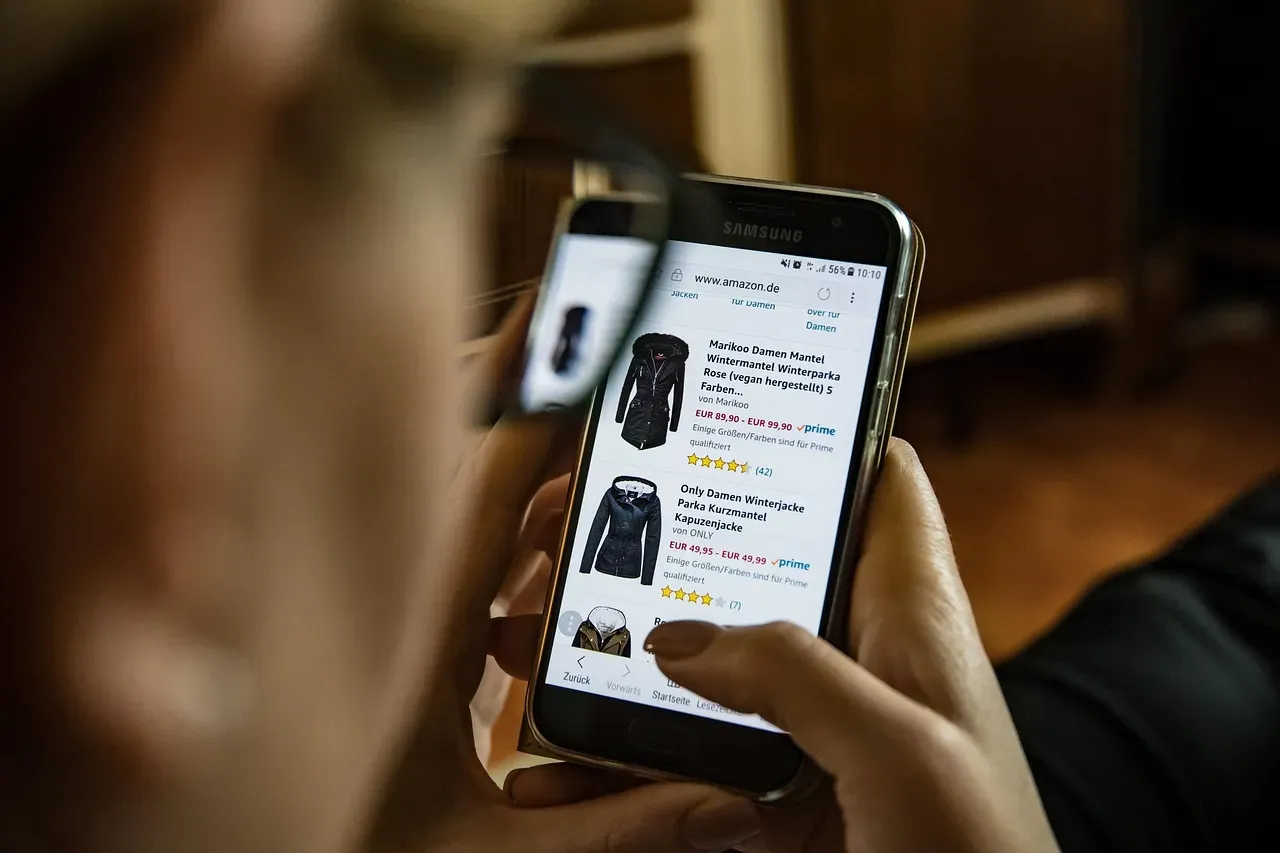
Online shopping issues were the second most commonly reported fraud category, and consumers reported losing more than $12.5 billion to fraud in 2024. That figure represents a massive jump and should make anyone pause before clicking “buy now” on an unfamiliar website.
Scammers have become sophisticated. They create fake websites that mimic legitimate retailers, complete with stolen logos and product photos. Unusually low prices are a sign of a scam, and you shouldn’t click on ads that advertise products at very low prices when you know they’re usually expensive items. If a deal seems too good to be true, it probably is.
Before buying from an unfamiliar seller, search online for the name of the seller plus words like “review,” “complaint,” or “scam” to see what others say about their experience. This simple step takes two minutes and could save you from major headaches later.
Read and Analyze Product Reviews Critically

Product reviews hold enormous power over purchasing decisions. Studies consistently show that most shoppers check reviews before buying anything significant online. Yet not all reviews are created equal, and some are outright fake.
Look for patterns in the reviews rather than focusing on individual comments. Are multiple people mentioning the same issue? Does the product have suspiciously perfect five-star ratings with generic praise? These could be red flags. Genuine reviews tend to be specific, mentioning both strengths and weaknesses.
Pay attention to verified purchase badges when they’re available. These indicate the reviewer actually bought the item from that retailer. Also, check the dates – a flood of positive reviews posted within a short timeframe can signal manipulation.
Understand Dynamic Pricing Tactics

Dynamic pricing allows retailers to alter prices in real-time using sophisticated algorithms that create equilibrium ensuring the highest possible profits based on demand while maintaining customer satisfaction. Translation? The price you see might not be the price someone else sees, or the price you saw an hour ago.
Retailers adjust pricing based on your browsing behavior, location, timing, and even the device you’re using. The average cart abandonment rate is just over 70%, and many users are doing window shopping, price comparison, or saving items for later. This means retailers know you might come back, and they adjust accordingly.
If you spot something you want, consider clearing your browser cookies or checking from a different device before finalizing the purchase. Sometimes prices drop when the retailer thinks you’ve lost interest.
Choose Secure Payment Methods
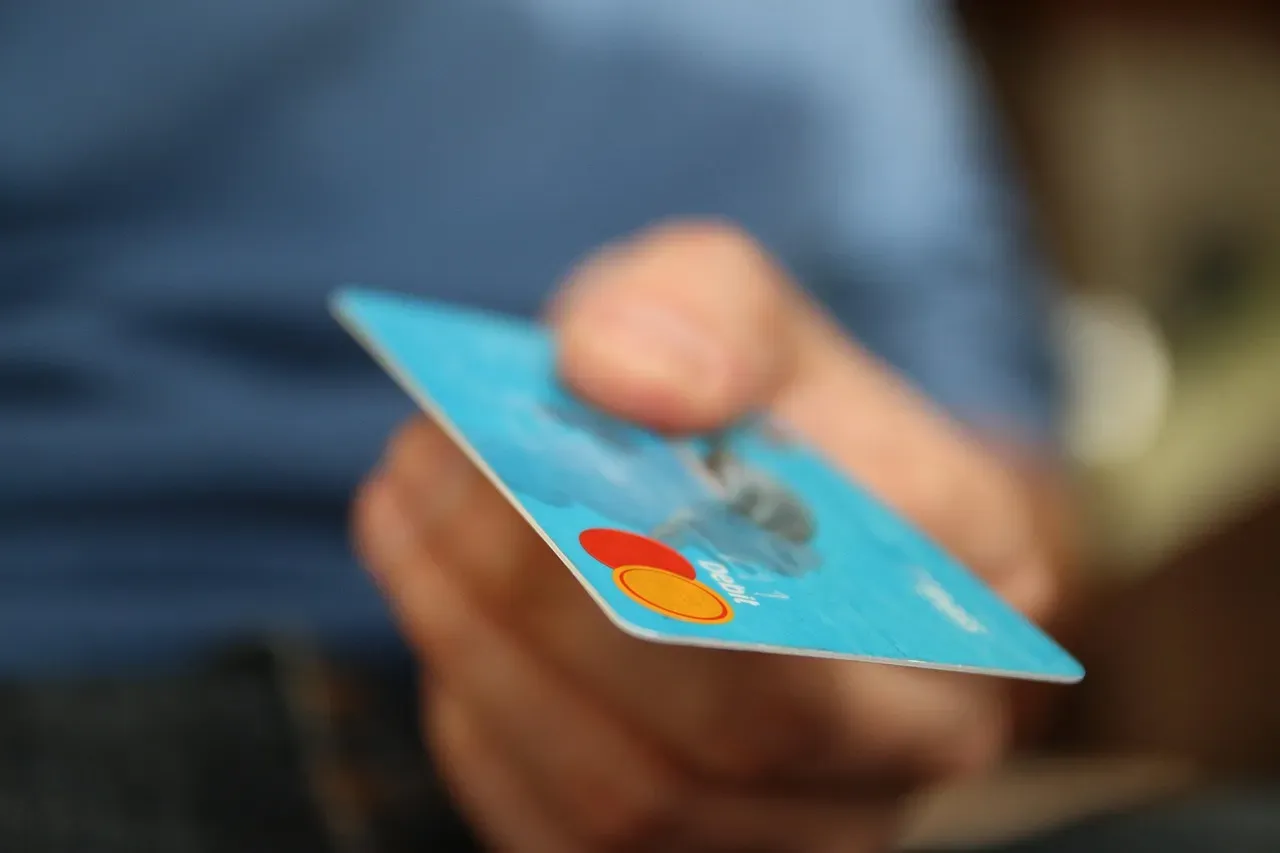
Credit cards offer more protections and give you the option to dispute charges if what you get isn’t what you ordered, or you get nothing at all. This is crucial protection that other payment methods simply don’t provide to the same degree.
Consumer protection agencies consistently recommend credit cards over direct bank transfers or unconventional payment apps for online purchases. Many credit card issuers offer zero-liability fraud protection if you report unauthorized charges within 30 days, and under the Fair Credit Billing Act, your liability is capped at $50 if you report fraud within 60 days.
Never buy from online sellers who demand you pay with gift cards, wire transfers, payment apps, or cryptocurrency – only scammers tell you to pay that way. Legitimate businesses offer standard payment options with buyer protections built in.
Verify Website Security and Legitimacy
Before entering any payment information, take a close look at the website itself. Cybersecurity experts emphasize checking for HTTPS encryption in the URL – that little padlock symbol in your browser’s address bar. This indicates the site encrypts your data during transmission.
Beyond the padlock, examine the website carefully. Does it look professionally designed? Are there obvious spelling errors or awkward phrasing that suggests it was hastily thrown together? Legitimate retailers invest in quality websites because their reputation depends on it.
Check the site’s contact information and policies. Scam sites often have vague or missing contact details, no physical address, and suspiciously generous “policies” that exist only to lure you in. Try calling the customer service number if one is listed. If nobody answers or it goes to a generic voicemail, that’s a warning sign.
Scrutinize Return Policies Before Buying
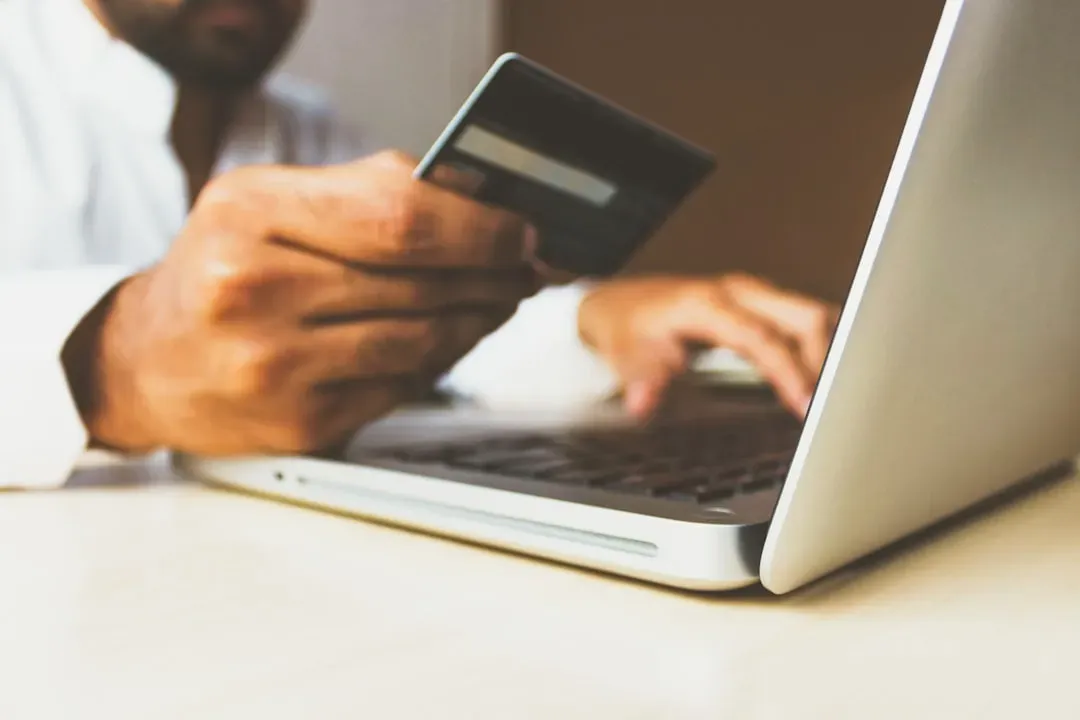
18 percent of shoppers abandon their carts due to dissatisfaction with the return policy, highlighting that when customers move toward checkout, their expectations about returns must be met. Return policies vary dramatically across retailers, affecting the total value of your purchase.
Read the fine print carefully. Some sellers charge restocking fees, require you to pay return shipping, or only offer store credit instead of refunds. Others have extremely short return windows that make it nearly impossible to return items if you’re away when they arrive. Understanding these terms before you buy prevents frustration later.
If a retailer makes it difficult to find their return policy or doesn’t have one clearly posted, consider shopping elsewhere. Transparency in returns signals a business that stands behind its products.
Protect Your Shopping Accounts with Strong Security

Cybersecurity experts strongly recommend using strong, unique passwords for each shopping account, along with enabling two-factor authentication whenever possible. This reduces your risk of account takeover, where fraudsters gain access to your stored payment information and shipping addresses.
Think about how much sensitive data these accounts hold – credit card numbers, home addresses, purchase history. That’s exactly what identity thieves want. Using the same password across multiple sites means one data breach could compromise everything.
Password managers can help you create and store complex passwords without having to memorize them all. Two-factor authentication adds another layer by requiring a code sent to your phone or email before allowing login. It’s a minor inconvenience that provides major protection.
Monitor Your Accounts and Credit Regularly
Staying vigilant about your financial accounts is essential in catching fraud early. Review your bank and credit card statements frequently – weekly if possible. Most card issuers let you set up alerts for transactions, which can notify you instantly when charges appear.
The sooner you spot unauthorized activity, the easier it is to resolve. Once an unauthorized transaction is reported, your financial institution will investigate so the issue can be corrected quickly, and with Visa’s Zero Liability Policy you won’t be held responsible for unauthorized charges. Similar protections exist with other major card networks.
Keep an eye on your credit reports as well. You’re entitled to free reports from the major credit bureaus, and checking them helps you spot new accounts opened fraudulently in your name. Early detection means less damage to clean up.
Know Your Consumer Rights and Protections

Understanding your legal protections empowers you to act confidently when problems arise. Under the Fair Credit Billing Act, your liability is capped at $50 if you report fraud within 60 days of receiving your credit card statement, though most issuers offer even better protection. Federal regulations exist specifically to shield consumers from the worst consequences of fraud and merchant disputes.
Beyond fraud protection, you have rights regarding billing errors, defective products, and deceptive practices. If a merchant refuses to honor their advertised terms or delivers something substantially different from what was promised, you can dispute the charge with your credit card company.
Document everything – save confirmation emails, take screenshots of product descriptions and prices, and keep records of any communication with sellers. This documentation becomes crucial evidence if you need to file a complaint or dispute. Consumer protection agencies and your state attorney general’s office can provide assistance when merchants refuse to resolve legitimate issues.
Becoming a Confident Digital Shopper
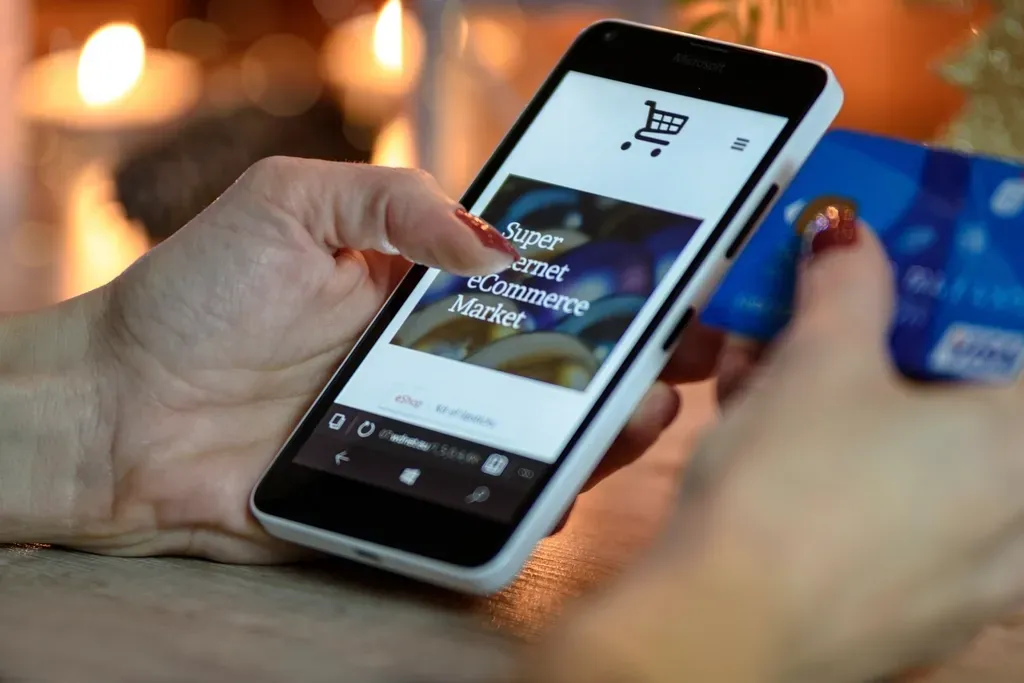
The online marketplace rewards those who shop with both enthusiasm and caution. By comparing prices strategically, verifying seller legitimacy, using secure payments, and understanding your rights, you transform from a casual browser into a savvy consumer who gets the best value while minimizing risk.
Shopping online will only continue growing, with projections showing e-commerce penetration increasing year after year. Those who master these essential strategies now will benefit for years to come, saving money while avoiding the costly mistakes that trap less careful shoppers. The digital marketplace is yours to navigate – you just need the right tools and knowledge to do it successfully.
What strategies do you use to stay safe when shopping online? Share your experiences in the comments below.