Trump’s Sweeping Voter Restrictions Spark Alarm (Image Credits: Unsplash)
The Nation’s latest podcast episode unpacked Democrats’ strategies to shield the 2026 midterms from potential interference and explored the overlooked sea voyages that carried thousands of enslaved people to freedom.[1]
Trump’s Sweeping Voter Restrictions Spark Alarm
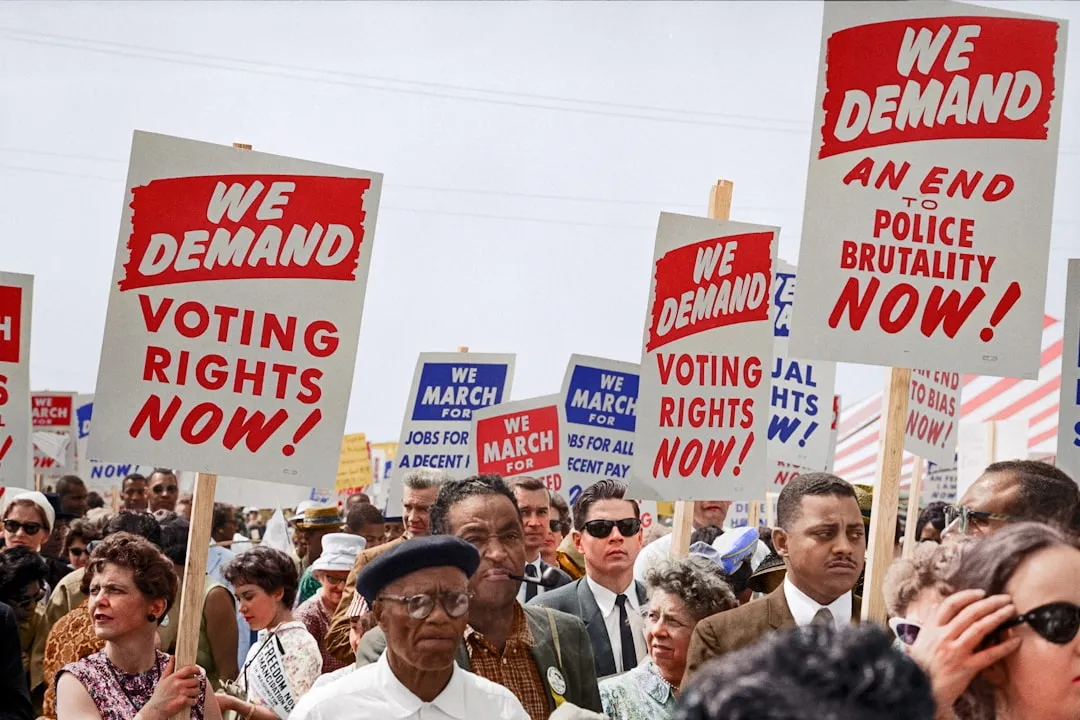
Former President Donald Trump issued stark warnings on Truth Social about imposing nationwide voter ID mandates, proof-of-citizenship requirements for registration, and a outright ban on mail-in voting for the upcoming midterms.[1]
Host Jon Wiener pressed guest Harold Meyerson on these proposals during the episode. Trump also hinted at using executive orders to enforce them, though constitutional limits assign election oversight to individual states. Legal experts noted that federal overreach would likely falter in court, except perhaps in Washington, D.C. Meyerson highlighted additional risks, such as Steve Bannon’s call to station ICE agents at polling sites – a tactic Trump’s team has not dismissed. Such moves could intimidate voters and test longstanding laws like the Voting Rights Act.[1]
Blue States Build Robust Election Barriers
Democrats responded proactively with a multifaceted defense plan centered on state-level reforms. Attorneys general in blue states coordinated with organizations like the Brennan Center and ACLU to challenge restrictive measures.[1]
Key actions included embedding voting rights without ID into state constitutions and mandating timely certification of results. California, New York, and Washington expanded buffer zones around polls to 100 feet, barring federal agents without warrants. Poll worker compensation rose alongside widespread know-your-rights training. In red states, blue cities pinned hopes on federal courts after state-level battles.[1]
Meyerson pointed to Civil War-era statutes that criminalize armed federal presence at polls, carrying penalties of five years in prison and lifetime bans from service. He dismissed the SAVE Act’s congressional prospects as unlikely under current leadership. Trump appeared motivated by midterm optics to sidestep personal scandals, amid his persistently low approval ratings.[1]
A Maritime Underground Railroad Challenges Myths
Historian Marcus Rediker revealed that 15,000 to 20,000 enslaved individuals fled bondage by sea – far safer than perilous land routes – through a network dubbed the “Runaway Navy.”[1]
Rediker’s book, Freedom Ship: The Uncharted History of Escaping Slavery by Sea, detailed how northern-owned ships (80 percent of southern trade) became lifelines. Free Black sailors and dockworkers forged alliances with the enslaved, smuggling fugitives in hidden ship compartments. Trade routes from ports like Charleston to New York facilitated escapes, emphasizing self-emancipation over elite abolitionist aid.[1]
- Frederick Douglass disguised himself as a sailor using forged papers after Baltimore sailors’ inspiration.
- Harriet Jacobs, aided by sailor uncles, hid years before sailing north, later chronicling women’s ordeals.
- William Powell’s New York boarding house assisted 2,000 to 2,500 fugitives with jobs and connections.
Southern countermeasures – dock patrols, fumigation, and “Negro Seamen Acts” – faltered against northern resistance. Rediker noted this underground system fueled southern secession frustrations, as fugitive clauses proved ineffective.[1]
Resilience Across Eras
Meyerson paused to honor Rev. Jesse Jackson, whose passing underscored his lifelong push for racial and economic justice amid neoliberal challenges. He credited Jackson with sustaining hope through southern union drives.[1]
Rediker stressed working-class solidarity in both eras: “They depended on northern shipping to make money,” exposing southern vulnerabilities.[1]
Key Takeaways:
- Election control rests with states, blunting federal threats but demanding vigilant local defenses.
- Sea escapes outnumbered land routes in success, powered by interracial labor networks.
- Historical defiance mirrors today’s ballot protections, rooted in collective resistance.
Listen to the full discussion on The Nation’s podcast archive.[1] These stories remind us that threats to freedom provoke ingenuity and unity. What parallels do you see between these fights? Share in the comments.