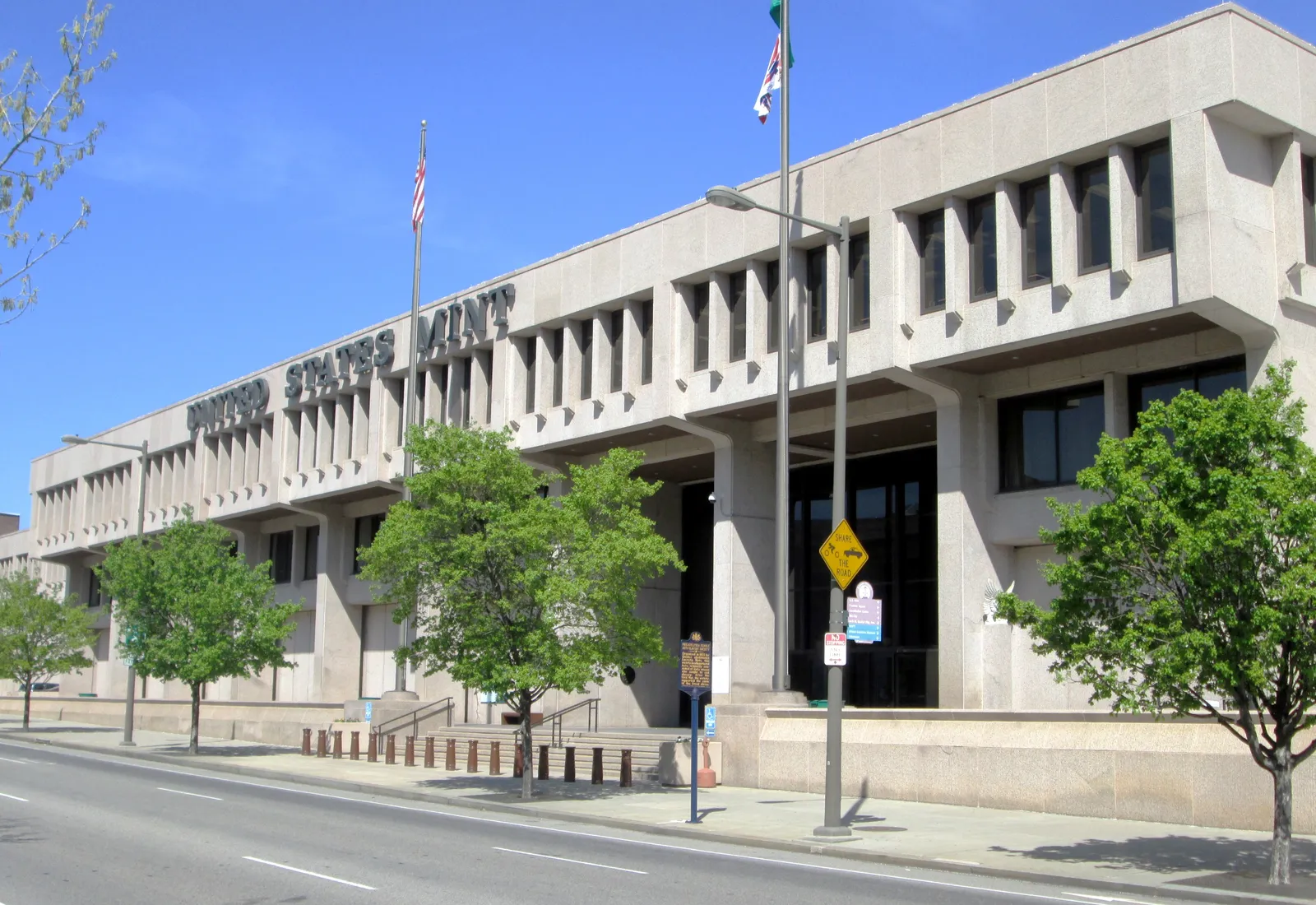
A Young Nation’s Bold Step Toward Monetary Sovereignty (Image Credits: Upload.wikimedia.org)
Philadelphia – Congress established the United States’ inaugural mint in 1792, selecting the nation’s temporary capital to centralize coin production and foster economic independence.[1][2]
A Young Nation’s Bold Step Toward Monetary Sovereignty
In the early days of the republic, Americans traded with a patchwork of foreign coins and barter, lacking a standardized currency. The Coinage Act of April 2, 1792, transformed this landscape by authorizing a national mint. President George Washington appointed David Rittenhouse, a renowned scientist and treasurer of Pennsylvania, as the first director.[2]
Rittenhouse oversaw the purchase of land at Seventh and Arch Streets for the facility. Construction began swiftly on July 31, 1792, creating what became the tallest building in Philadelphia and the first federal structure under the Constitution. The mint symbolized federal authority and promised reliable domestic money.[3]
Why Philadelphia Claimed the Honor
Philadelphia’s selection stemmed from its status as the U.S. capital from 1790 to 1800. Lawmakers viewed the city as a practical hub with skilled artisans and access to markets. The decision ensured proximity to government oversight during the mint’s formative years.[4]
The original site featured a three-story brick building with vaults, a press room, and horse-powered mills, later upgraded to steam. This setup allowed rapid adaptation to production needs. By prioritizing Philadelphia, Congress bet on a city poised to drive industrial progress.[5]
First Coins Roll Out Amid High Expectations
Production kicked off with test strikes in late 1792, but the first circulating coins emerged in March 1793: 11,178 copper cents. These Chain Cents bore symbolic designs linking states in unity. Silver coinage followed in 1794, with half dimes and dollars, while gold eagles arrived in 1795.[6][2]
The Coinage Act specified denominations across metals, laying groundwork for a bimetallic standard. Here’s a snapshot of the initial offerings:
| Metal | Key Denominations |
|---|---|
| Copper | Half cent, cent |
| Silver | Half dime, dime, quarter dollar, half dollar, dollar |
| Gold | Quarter eagle ($2.50), half eagle ($5), eagle ($10) |
These coins circulated widely, building public trust in federal currency.[2]
Enduring Legacy Through Relocations and Trials
The Philadelphia Mint endured fires, thefts, and expansions over centuries. A 1816 blaze destroyed key buildings, prompting rebuilds. Workers relocated multiple times – to Chestnut Street in 1833, Spring Garden in 1901, and the current site near Independence Mall in 1969.[3]
Pioneering inclusivity, the mint hired women in 1795, one of the earliest federal agencies to do so. Today, it remains the oldest and largest U.S. Mint facility, producing billions of coins annually, engraving dies, and offering public tours. Its output includes uncirculated pieces marked with a “P.”[5]
Challenges like 19th-century embezzlements tested security, yet innovations kept pace with demand.
Key Takeaways
- Philadelphia hosted the first U.S. Mint under the 1792 Coinage Act, minting initial cents in 1793.
- David Rittenhouse led early operations from a groundbreaking federal building.
- The facility evolved through four sites and now produces modern currency while preserving history.
The Philadelphia Mint stands as a testament to America’s resolve for economic self-reliance, bridging 234 years of coinage innovation. Its story underscores how one city’s mint shaped a superpower’s finances. What’s your take on this slice of monetary history? Share in the comments.