There is a strange thing happening across America right now. While everyone fixates on Wall Street headlines, inflation reports, and national unemployment numbers, something quieter and arguably more interesting is unfolding at the local level. States that rarely make the front pages of financial newspapers are quietly adding jobs, attracting residents, and building entirely new industries from scratch.
This is not the kind of economic growth that shows up in a single, dramatic announcement. It creeps in through a new factory here, a relocated tech worker there, a cluster of startups in a mid-sized city nobody was watching. Before you know it, a state that was once considered flyover country is suddenly a magnet for investment.
What’s driving all of this? The answers are more varied and surprising than you might expect. Let’s dive in.
The Small Business Engine Nobody Talks About

Here’s something that should honestly stop you in your tracks. The United States now contains 34.8 million small businesses, accounting for nearly 46 percent of all employment. That is not a rounding error. That is nearly half the working population tied to enterprises that most people would not think twice about when driving past them on Main Street.
Entrepreneurship has surged dramatically, with the United States averaging 430,000 new business applications per month in 2024, a figure that is 50 percent higher than in 2019. Think about what that means at the local level. Every one of those applications represents someone betting on a community, a neighborhood, a zip code. Small organizations account for roughly 44 percent of U.S. economic activity, and they deliver about 43.5 percent of total U.S. GDP.
The years since the COVID-19 pandemic began have seen a significant and unprecedented increase in new business applications, with 16 million filed since 2021, leading to 2.8 million established new businesses. That wave of new business formation is not happening uniformly. It is pooling in specific regions, lifting local economies in ways that national statistics are slow to fully capture.
Remote Work Migration and the Rise of Secondary Cities

Let’s be real. Remote work did not just change where people work. It changed where people live, and that shift is still reshaping entire regional economies in 2026. Populations shifted to less dense areas with a lower cost of living, and when educated, higher-earning workers relocate to smaller metros, they bring their spending power with them.
Austin, for example, became one of a very few U.S. cities that actually lowered housing costs in 2024 by fostering a multi-year apartment-building boom, and those homebuilding efforts helped rein in the cost of living for residents while polishing the city’s reputation for prospective transplants. The secondary city effect is real. When remote workers arrive in a smaller market, they patronize local restaurants, hire local contractors, and sometimes launch local businesses of their own.
According to a study by Visual Capitalist using data from the U.S. Census Bureau, median household income in Colorado increased by nearly 47 percent from 2019 to 2024, the fastest income growth in the country. That kind of income growth does not happen in a vacuum. It reflects exactly the kind of in-migration and labor market transformation that remote work enabled. It is a powerful multiplier that many state economies are still benefiting from.
Infrastructure Spending That Is Actually Happening

There is a tendency to be skeptical of infrastructure promises. Politicians announce billions, and then somehow the roads never get fixed. This time, something different is occurring. New to 2024 are the effects of trillions in federal investments flowing into the nation and local governments, and at various stages of implementation, these investments are a core consideration for U.S. economic growth and a county’s ability to target key investments to community needs.
Construction, which increased in 48 states and the District of Columbia, was the leading contributor to GDP growth in Utah, making it the fourth-largest growing state by that measure in the fourth quarter of 2024. The Infrastructure Investment and Jobs Act channeled money into transportation networks, broadband expansion, and energy upgrades, and the jobs that come with building and maintaining that infrastructure are, by their very nature, local. You cannot outsource digging a tunnel.
Every $1 billion invested in public transportation can yield 50,000 jobs, according to climate and jobs research. Multiply that across the scale of infrastructure spending happening state by state, and you begin to understand why certain economies are outperforming. The spending is landing in communities, not evaporating into corporate headquarters in distant cities.
The Quiet Rise of Regional Tech Hubs

Silicon Valley gets the press coverage, but it is increasingly not the only game in town. Employment tied to AI infrastructure has climbed to 482,716 jobs nationwide, according to 2025 data from the Bureau of Labor Statistics. What is surprising is where a lot of that employment is clustering. It is not just coastal megacities.
The top seven economic metro areas by GDP growth remain unchanged from 2024 to 2025, with Austin retaining the top spot, followed by the San Francisco Bay Area and Seattle in second and third, respectively. Still, the story beneath that headline is more interesting. Smaller cities that have invested in university tech programs, tax incentives for startups, and affordable commercial real estate are becoming genuine competitors for tech talent and investment.
I think the underrated story here is broadband. When rural and suburban areas finally get high-speed internet, something unlocks. Software developers move in. Remote tech companies set up satellite offices. Local IT services businesses form to support them. It sounds mundane, but connectivity is the foundation under everything else. In Utah, professional, scientific, and technical services was the leading contributor to personal income growth in the second quarter of 2024, a state that has become a genuine tech cluster in its own right.
Manufacturing Reshoring: The Factory Is Coming Home
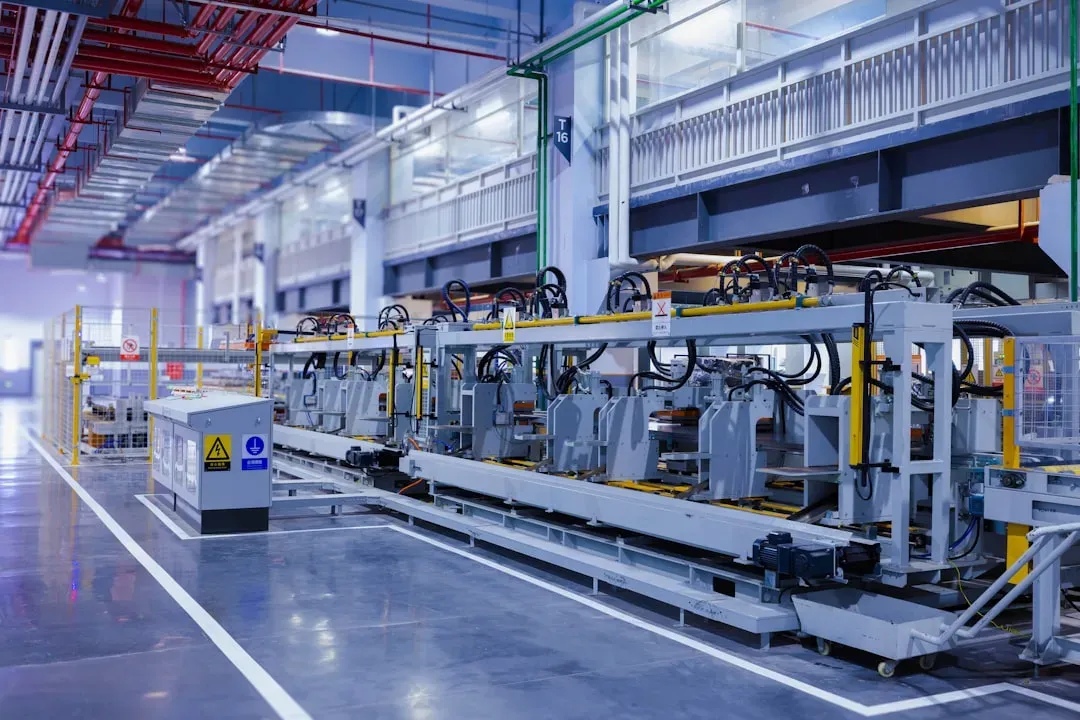
This one might be the biggest surprise of the decade. American manufacturing was written off as a dying industry for years. It turns out, it was just temporarily relocated. Annualized manufacturing construction spending in the U.S. reached $237 billion in July 2024, up from $128 billion two years prior, an increase of 86 percent. That is a staggering acceleration, and the jobs that come with it do not land in the same place twice. They land in specific states, in specific counties, often in places that have not seen a major new employer in decades.
Reshoring plus foreign direct investment job announcements in 2023 reached 287,000 jobs, the second-highest year on record. The industries leading this revival include semiconductors, electric vehicle batteries, solar energy manufacturing, and pharmaceuticals. Geographically, the South and Midwest dominated, accounting for 81 percent of all reshoring and FDI-related jobs announced in 2024, with Texas, Kentucky, and North Carolina leading among states.
Construction spending on U.S. manufacturing facilities soared 74 percent year-over-year by the end of 2023, with hundreds of billions of dollars flowing into factories for semiconductors, electric vehicles, and clean energy technologies. Honestly, those are numbers that would have seemed fictional just five years ago. The factory is coming home, and whole communities are being transformed as a result.
Tourism Rebounds That Rewrote State Budgets
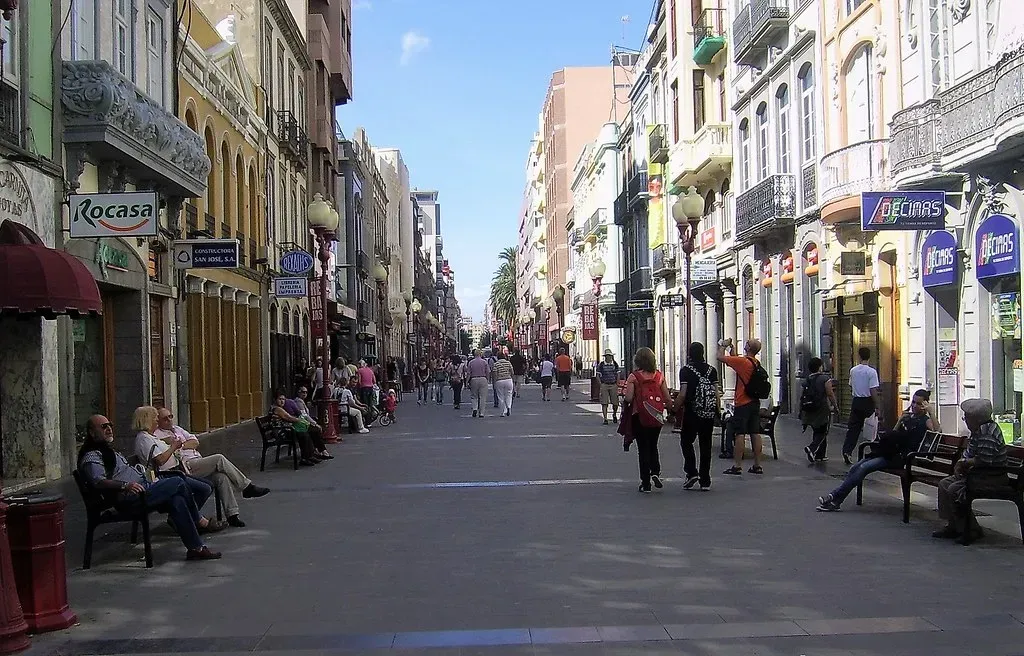
After the devastation of the pandemic years, travel came roaring back, and for many states, the impact has been nothing short of a financial rescue. Domestic tourism spending fully recovered and exceeded pre-pandemic levels in 2023, according to industry economic impact reports. For states like Florida and Tennessee, tourism revenue does not just fill hotel coffers. It funds schools, roads, and public services through sales taxes and hospitality revenues.
Personal consumption expenditure increased in all 50 states and the District of Columbia in 2024, with Florida seeing a 7.0 percent increase, the highest in the nation. A significant piece of that consumer spending traces back to tourism and the hospitality economy that serves visitors. When a family spends a week at a state park or a beach resort, that money circulates through the local economy multiple times before it dissipates.
The ripple effect is worth pausing to appreciate. Think of tourism spending like throwing a stone in a pond. The hotel gets paid. The restaurant near the hotel gets paid. The grocery store that supplies the restaurant gets paid. The farm that supplies the grocery store gets paid. That single tourist dollar moves through many hands, and for states that have invested in their tourism infrastructure, the return is quietly remarkable.
Clean Energy Investment and the New Green Economy
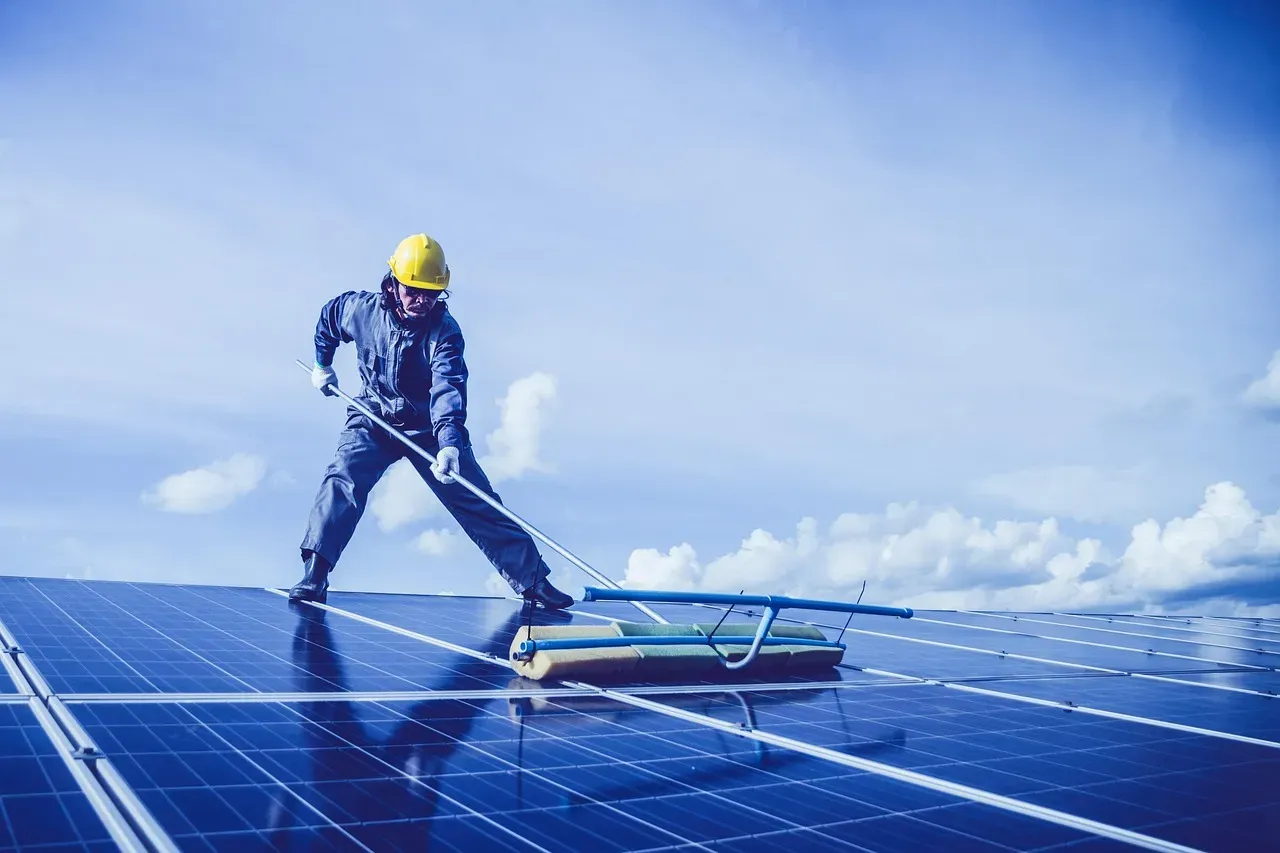
Clean energy companies added almost 150,000 jobs in 2023, growing more than three times faster than overall U.S. employment, bringing total clean energy jobs nationwide to 3.46 million. Let that sink in for a moment. Three and a half million Americans now work in clean energy, a sector that barely registered on employment charts twenty years ago. It is one of the fastest-growing corners of the entire economy.
More than 520,000 jobs have been added by the clean energy and clean vehicle sectors over the last five years, an increase of 17 percent, and clean energy still grew more than three times faster than the rest of the U.S. workforce in 2024, at 2.8 percent versus 0.8 percent for the broader economy. For many states in the South and Midwest, this represents a genuine industrial transition happening in real time.
Twenty-three states are now home to at least 50,000 clean energy jobs, and 17 states have seen their clean energy workforces jump at least 20 percent in the last five years. These are not distant projections. They are present-tense transformations unfolding county by county, bolstered by federal incentives and private investment flowing toward solar farms, wind installations, battery storage facilities, and EV manufacturing plants.
Population Shifts and the Housing Boom Behind Them
When people move, economies move with them. At the county level, roughly one third of counties experienced substantial population growth during the recent migration period, while another third saw substantial decline. That divergence matters enormously. The counties gaining population are also gaining tax revenue, new retail demand, housing construction jobs, and school enrollment.
Household incomes rose an average of nearly 22 percent nationally from 2019 to 2024, but the gains were highly uneven by geography. States that attracted in-migrants tended to also attract investment, new businesses, and improved fiscal health for local governments. It is a self-reinforcing cycle. People move somewhere because of opportunity, and their arrival creates more opportunity.
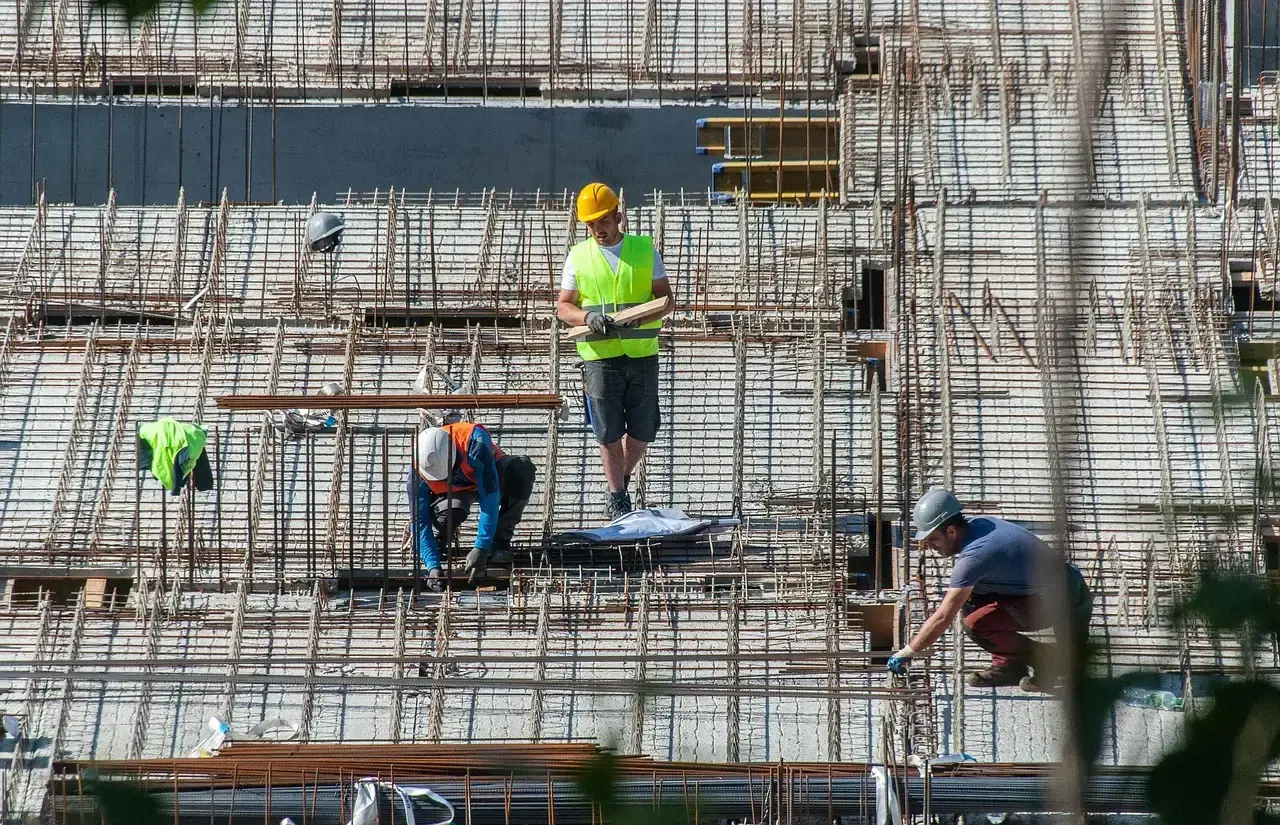
For the full year of 2024, real GDP increased in 48 states and the District of Columbia, with population-driven construction activity playing a visible role in many of the leading states. Housing construction, when it accelerates, generates employment in architecture, engineering, carpentry, plumbing, and landscaping all at once. It is genuinely one of the most effective local economic multipliers there is.
Startup Ecosystems Growing in Unexpected Places
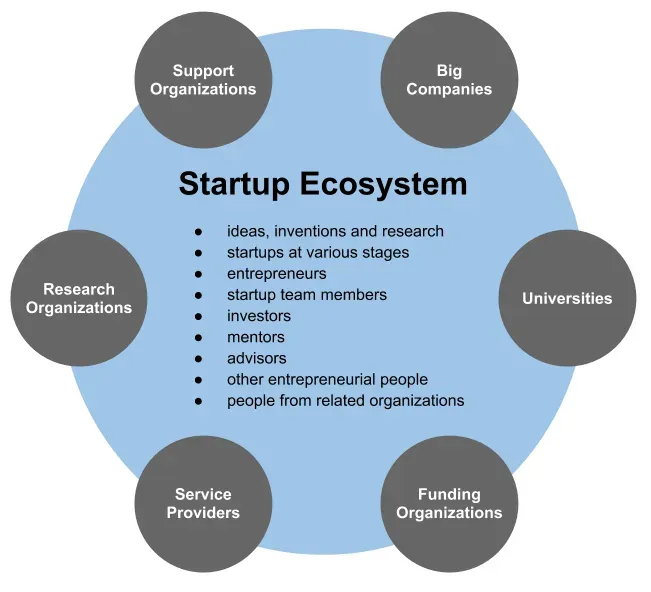
It is hard to say for sure exactly where the next great American company will be founded, but the geography of startup activity is shifting. Over 5 million new businesses were started in 2023, marking one of the biggest surges in entrepreneurship according to the U.S. Census Bureau’s Annual Business Survey. Startup formation is not just a coastal phenomenon anymore.
States like Utah, Colorado, and the Carolinas have invested heavily in startup-friendly infrastructure: university incubators, state venture capital funds, and regulatory environments that make it easier to launch and grow a company. Utah had the fastest GDP growth in the nation in the fourth quarter of 2024, at 4.5 percent, and a thriving startup ecosystem is one part of that story. The state has become something of a template for how to cultivate entrepreneurial energy outside the traditional hubs.
From 2019 to 2023, the growth rate of women-owned businesses was 94 percent greater than that of their male counterparts, which tells you something important about how the character of new business formation has changed. The startup wave is broader, more diverse, and more geographically distributed than at any point in recent memory. That breadth is exactly what makes local economies more resilient over time.
State Tax Revenue and the Fiscal Foundation of Growth

You might not think of state tax revenues as an exciting economic indicator, but follow the logic. When states collect more revenue, they can fund schools, maintain infrastructure, and attract additional investment. It is the fiscal backbone that allows everything else to function. The post-pandemic recovery period brought a genuine and meaningful strengthening of state and local government finances, driven by stronger consumer spending and employment.
Personal consumption expenditure increased in all 50 states and the District of Columbia in 2024, which is a remarkable fact given that economic cycles rarely benefit every single state simultaneously. Stronger consumer spending flows directly into state sales tax collections. More employment flows into state income tax receipts. The compounding effect on state budgets was real and measurable across most of the country.
In 2023, the nation’s GDP increased by 3.1 percent, a measure that exceeded the expectations of many forecasters who had anticipated the Federal Reserve’s interest rate increases would stall economic growth. That resilience filtered down to state governments, many of which found themselves in unexpectedly healthy fiscal positions. Healthier state budgets mean more capacity to invest, and more investment means more of the growth described throughout this article. It is a virtuous cycle, and quietly, in ways most people never notice, it is playing out across the country right now.
Conclusion: The Boom You Weren’t Watching

The national economy is one story. The state and local economy is fifty different stories, all playing out simultaneously, many of them more interesting than the headline version. Small businesses powering nearly half of all economic activity, factories returning to the Midwest and South, clean energy jobs multiplying in states nobody expected, and remote workers reviving secondary cities that had been quietly fading for decades. None of these trends announced themselves loudly.
The hidden economic boom is not hidden because anyone is concealing it. It is hidden because economic transformation at the local level happens gradually, then suddenly, and most people are not watching until the suddenly part arrives. Your state is probably further along in this transformation than you realize.
The real question worth sitting with is this: which of these ten drivers is quietly reshaping the community where you live right now? What do you think about it? Drop your thoughts in the comments below.