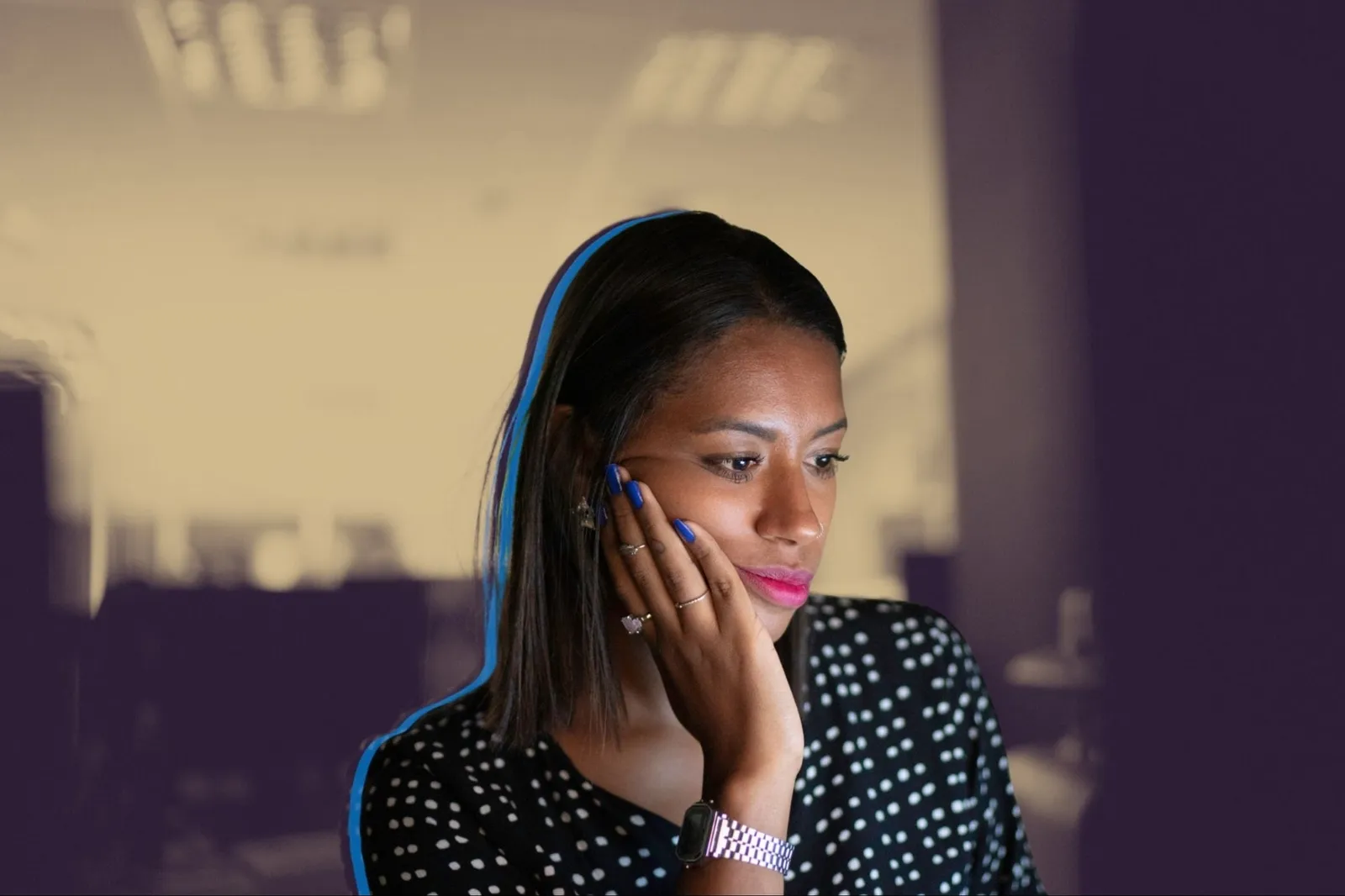
Engagement Hits Decade-Low Despite Productivity Gains (Image Credits: Entrepreneur.com)
United States – Persistent low employee engagement rates plagued the workforce in 2025, pointing to underlying issues far removed from simple fatigue.[1][2]
Engagement Hits Decade-Low Despite Productivity Gains
Gallup reported that only 31% of U.S. employees felt actively engaged at work throughout 2025, a figure unchanged from the prior year but down sharply from 36% in 2020.[1][3] This decline represented eight million fewer engaged workers compared to the early pandemic peak. Managers fared slightly better at 27% engagement, yet their disengagement rippled through teams, as 70% of variance in employee commitment traces back to supervisory effectiveness.[4]
Productivity held steady amid long hours, but disengagement persisted. Surveys highlighted boredom and routine as key culprits, with one-third of workers drowning in monotonous tasks that stifled growth.[5] Rapid organizational changes, including AI integration and hybrid models, exacerbated feelings of uncertainty. Employees craved clarity on expectations and a sense of being valued, both of which eroded most since 2020.[3]
Creativity Starvation, Not Exhaustion, Drives the Malaise
Experts argued that American workers suffered not from burnout but from a profound lack of creative outlets. Corporate roles often demanded conformity, suppressing personal voice and innovation. This creative confinement left employees feeling unfulfilled, as they spent roughly a third of their lives – over 90,000 hours – in environments that fenced in their unique perspectives.[4]
Studies linked creative expression to higher happiness, resilience against stress, and doubled company value through boosted productivity.[4] The rise of influencer culture emerged as a counterforce, with creator ad spending reaching $37 billion, as individuals sought platforms for authentic self-expression denied in traditional jobs.[4] Quiet quitting and the Great Resignation reflected this hunger for agency, not just better pay or shorter weeks.
Unpacking the Core Barriers to Creative Fulfillment
Manager disengagement topped the list of obstacles, fueled by post-pandemic disruptions like turnover, budget cuts, and digital shifts. Understaffing and poor supervision left teams directionless, amplifying boredom from repetitive routines. Employees reported weakened clarity on roles and diminished feelings of care, dropping nine and eight points respectively since 2020.[6]
Corporate structures prioritized efficiency over expression, echoing Industrial Revolution legacies of rigid schedules. Yet history showed innovation thrives on flexibility, not fences. The following factors compounded the issue:
- Lack of agency in decision-making.
- Monotonous tasks overriding personal input.
- Mismatched partnerships eroding trust.
- AI’s rise risking further dehumanization without human oversight.
Reviving the Workforce Through Shared Creativity
Leaders could reverse the trend by investing in manager training, which halves extreme disengagement and lifts team performance by up to 18%.[7] Brands succeeded by ceding creative control to authentic influencers via the “match-up hypothesis,” fostering genuine connections in niche markets.[4] AI emerged as an amplifier for human ideas, not a replacement, provided companies prioritized transparency amid consumer skepticism – over half detect AI-generated content.[4]
Organizations that encouraged movement beyond rigid job descriptions unlocked resilience and innovation. Nurturing environments where employees cultivated their “art of life” promised higher wellbeing and profitability.
Key Takeaways
- Boost manager development to drive 70% of engagement variance.
- Embrace niche creators for authentic, trusted partnerships.
- Leverage AI to enhance, not eclipse, human creativity.
The path forward demands recognizing creative starvation as the true engagement killer. Businesses that empower self-expression stand to reclaim lost productivity worth billions. What steps will your organization take to unleash worker creativity? Tell us in the comments.