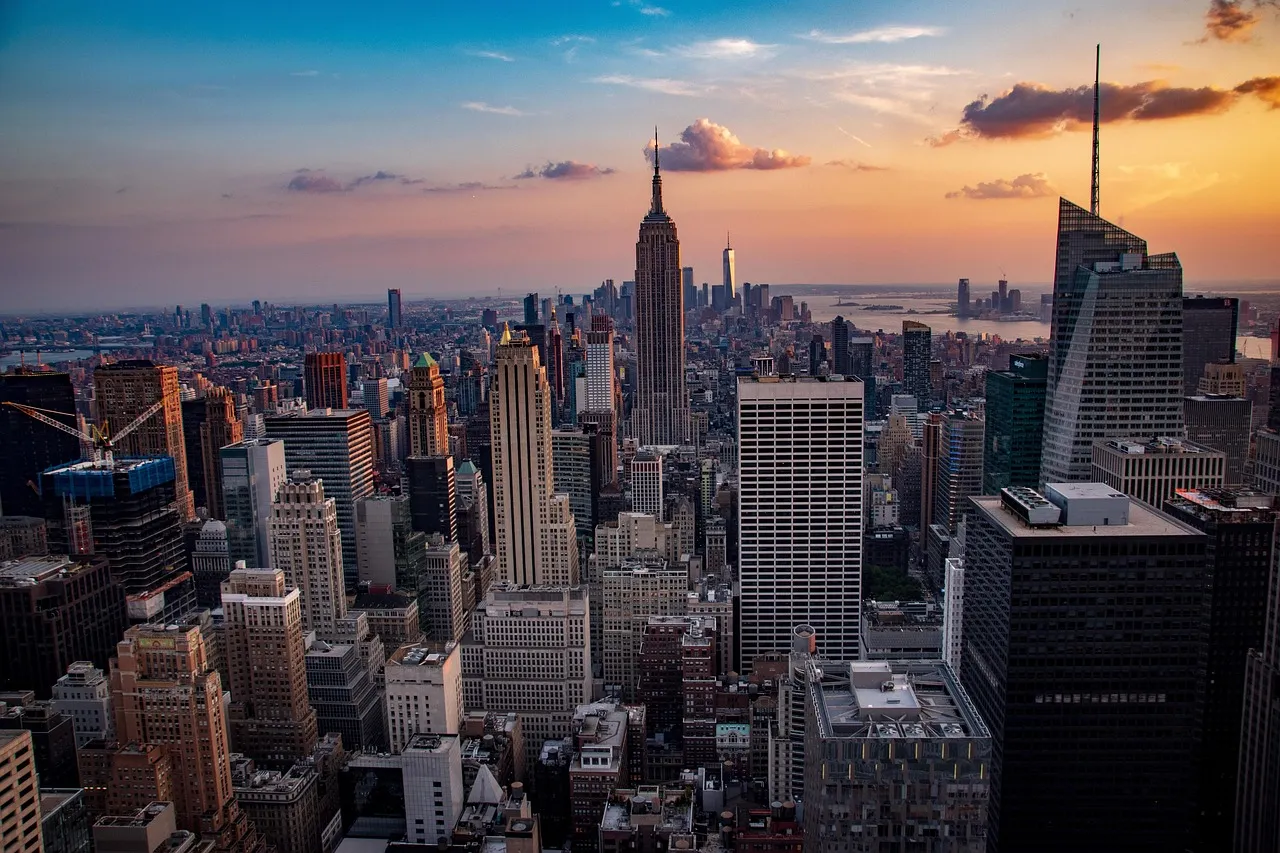
A Familiar Fiscal Shadow Looms Large (Image Credits: Pixabay)
New York City – Mayor Zohran Mamdani unveiled his preliminary fiscal year 2027 budget on Wednesday, presenting two divergent paths to close a $5.4 billion gap within the city’s record $127 billion spending framework.[1][2]
A Familiar Fiscal Shadow Looms Large
New York City has navigated budget shortfalls before, from David Dinkins’ austerity measures in the early 1990s to Rudy Giuliani’s closure of a $2.3 billion hole early in his tenure.[1]
The current deficit, reduced from an initial $12 billion projection through savings and state aid, stems partly from prior administration decisions. Governor Kathy Hochul recently committed $1.5 billion in support, including $1 billion for the current year and $500 million for the next.[3]
Still, tough choices persist amid mandates like class size caps, which require over $600 million for 6,000 new teachers alone.
Preferred Route Targets Top Earners and Corporations
Mamdani favors recurring revenue from high-income individuals and businesses. His plan calls for a 2 percent increase in city income taxes on New Yorkers earning more than $1 million annually, alongside hikes on the most profitable corporations.[1]
“There are two paths to bridge the city’s inherited budget gap,” Mamdani stated. “The first path is the most sustainable and fairest: raising taxes on the wealthiest and corporations, and ending the drain by fixing the imbalance between what the City provides the State and what we receive in return.”[2]
This approach aligns with his pledge to govern expansively, prioritizing education and services without burdening working families.[1]
The Unwanted Alternative: Property Taxes Climb 9.5 Percent
Should Albany block his top choice, Mamdani warned of a 9.5 percent property tax rate increase, projected to generate $3.7 billion. This move would impact 3 million co-op, condo, and homeowners, plus tenants in 100,000 commercial buildings via higher rents.[1]
| Budget Option | Key Revenue Source | Primary Impact |
|---|---|---|
| Tax the Wealthy | Income & corporate taxes | High earners & firms |
| Property Hike | 9.5% levy rise + reserves | 3M homeowners & renters |
The balance would come from reserves and pension borrowing, affecting 300,000 city workers. Critics highlight inequities, as Black neighborhoods often face double the property tax rates of white ones.[1]
Pushback from Watchdogs and Industry
The Citizens Budget Commission opposed any tax increases, arguing they deter residents and businesses that fund essential services. Real estate leaders warned of rent spikes and resident flight.[4][5]
- Potential exodus of jobs and taxpayers to lower-tax states like Texas.
- Strain on NYPD budget, held near $6.4 billion without new hires.
- Underfunding for class size compliance at $543 million proposed.
- Risk to bond markets from perceived fiscal recklessness.
City Council members and outlets like the New York Post labeled the threat a self-made crisis amid reelection pressures on Hochul.[6]
Key Takeaways
- $5.4 billion gap in $127 billion budget, down from $12 billion.
- Preferred fix: 2% tax on millionaires, corporate hikes.
- Backup: 9.5% property tax rise hits middle-class owners hardest.
Mamdani’s opening gambit tests Albany’s resolve, echoing past crises where compromise averted deeper cuts. Yet success hinges on bridging divides with the governor and legislature before markets react. The coming months will reveal if bold promises yield balanced books or force painful trade-offs. What do you think of Mamdani’s fiscal strategy? Tell us in the comments.