Rubio Ties Cowboy Legacy to Western Heritage (Image Credits: Assets.realclear.com)
Munich, Germany – A pointed exchange over the origins of American cowboy culture emerged at the Munich Security Conference, where Rep. Alexandria Ocasio-Cortez challenged Secretary of State Marco Rubio’s assertion that the iconic Western archetype traces its roots to Spain.[1][2]
Rubio Ties Cowboy Legacy to Western Heritage
Secretary Rubio opened his address by underscoring shared historical bonds between the United States and Europe. He pointed to cultural elements like horses, ranches, and rodeos that shaped the American West.
“Our horses, our ranches, our rodeos – the entire romance of the cowboy archetype that became synonymous with the American West – these were born in Spain,” Rubio declared.[1] The remark framed a broader argument for transatlantic unity amid global security challenges.
Conference attendees received the speech positively, viewing it as a robust defense of Western values. Rubio connected these traditions to earlier European influences, including French explorers in the Mississippi Valley.[3]
AOC Delivers Quick Rebuttal
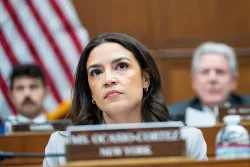
Rep. Ocasio-Cortez, attending the event for the first time, responded swiftly during a follow-up panel. She highlighted what she saw as an oversight in Rubio’s narrative.
“My favorite part was when he said that American cowboys came from Spain,” she remarked. “And I believe the Mexicans and descendants of African enslaved peoples would like to have a word on that.”[1][2] Her comments aimed to emphasize diverse contributions to U.S. ranching traditions.
The New York congresswoman positioned her critique within discussions of global alliances and cultural narratives. She described appeals to “Western culture” as having a “thin foundation,” prioritizing economic ties over historical ones.[3]
Unpacking the Historical Record
Historians trace cowboy culture to Spanish colonial practices. Spanish settlers introduced horses and cattle to Mexico in the 16th century, training Indigenous workers as vaqueros – cow herders on horseback.[4][5]
Mexican vaqueros later influenced Anglo-American ranchers in regions like Texas and California after Mexico’s independence. Black cowboys also played key roles, comprising up to a quarter of 19th-century herdsmen. Terms like “lasso” derive from Spanish “lazo,” and chaps from “chaparreras.”[5]
- 1519: Spaniards arrive in Mexico with livestock.
- 16th-18th centuries: Vaquero tradition develops under Spanish rule.
- 19th century: Mexican vaqueros teach techniques to U.S. cowboys post-Texas independence.
- Diverse groups, including African Americans and Native Americans, adopt and adapt the skills.
Conference Spotlights Broader Scrutiny
Ocasio-Cortez faced additional criticism for other remarks. She hesitated nearly 20 seconds before addressing U.S. troop commitments to Taiwan, opting for a vague call to avoid confrontation.[2]
She also misstated Venezuela’s geography, suggesting U.S. actions against former leader Nicolás Maduro stemmed from the country lying “below the equator” – a claim incorrect, as Venezuela sits north of it. Accusations of Israeli genocide in Gaza further drew rebukes on German soil.[1]
Conservative outlets labeled her appearance a “train wreck,” questioning her readiness amid 2028 presidential speculation. The New York Times framed her missteps as minor “stumbles,” arguing they paled against others and that practice would strengthen her voice.[6]
Key Takeaways
- Cowboy traditions originated with Spanish vaqueros in the New World.
- Mexican and African American cowboys shaped the U.S. West.
- Munich exchange reflects U.S. cultural and political divides.
The Munich clash over cowboy history revealed fault lines in how Americans view their past. As figures like Ocasio-Cortez and Rubio eye bigger stages, such moments test their command of facts and framing. What do you think about the cowboy origins debate? Share in the comments.