Picture this: birds vanishing from your backyard feeders, fish turning up belly-up in local streams, or deer herds thinning out in the woods nearby. These aren’t just random quirks of nature. Something bigger lurks beneath the surface, threatening the animals we see every day in our own states.
It’s easy to overlook until it’s too late. Let’s uncover these hidden dangers step by step and see why your local wildlife might be crying for help.
The Mounting Global Extinction Crisis
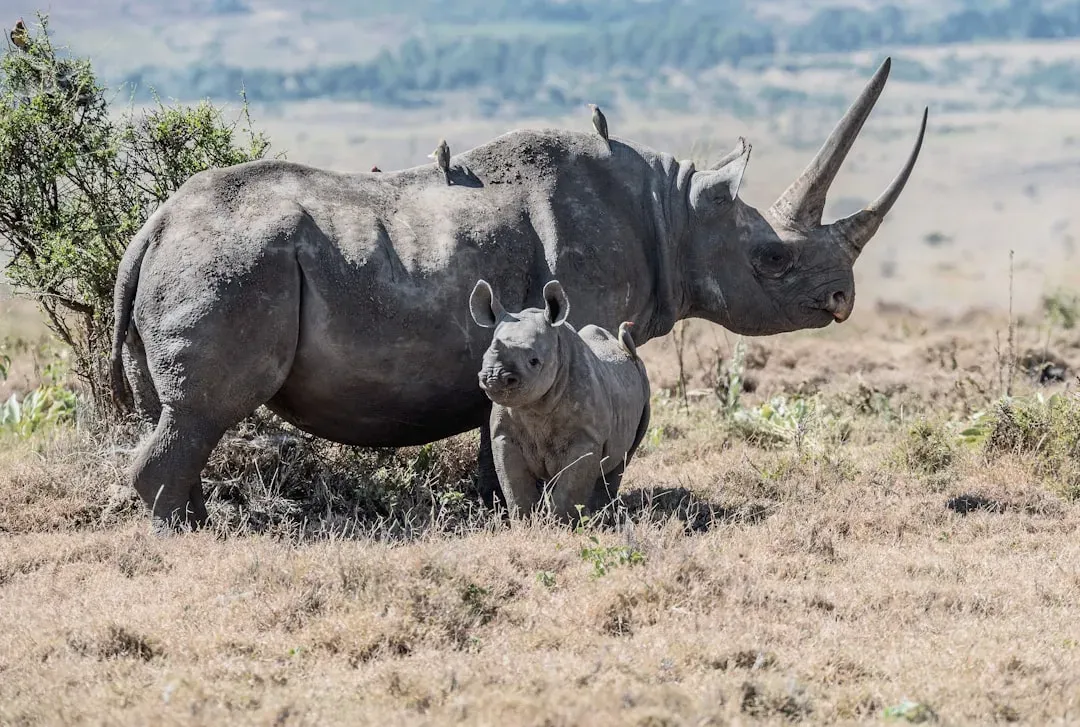
The International Union for Conservation of Nature dropped a bombshell in its 2024 Red List update. Over 44,000 species now teeter on the brink of extinction worldwide. This isn’t some distant problem; it ripples right into U.S. states where shared ecosystems connect us all.
Honestly, the numbers hit hard when you think about familiar creatures like songbirds or river otters potentially joining that list. State parks and forests could feel emptier sooner than we imagine. Awareness starts with grasping this scale.
Biodiversity Loss Speeding Up
A 2024 global assessment from the Intergovernmental Science-Policy Platform on Biodiversity and Ecosystem Services paints a grim picture. Biodiversity loss accelerates thanks to land-use changes, climate shifts, pollution, and invasive species. In states like California or Florida, these forces squeeze habitats daily.
It’s like a perfect storm brewing silently. Local wildlife pays the price through disrupted food chains and vanishing breeding grounds. We can’t ignore how interconnected everything is anymore.
Sharp Declines in Wildlife Populations
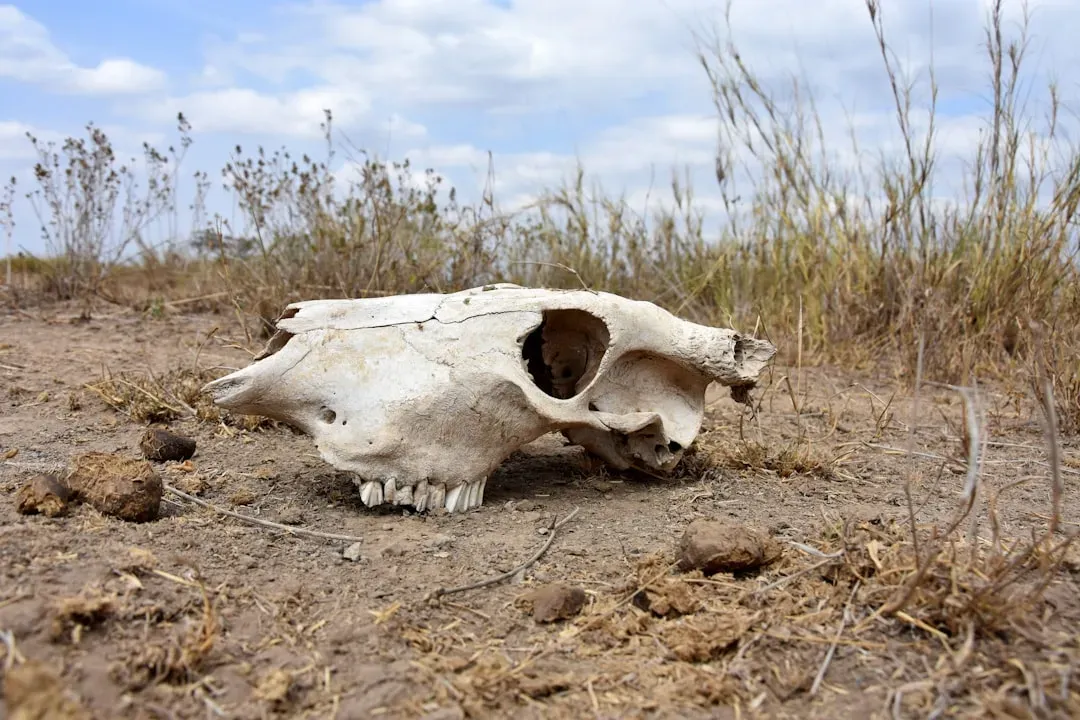
The World Wildlife Fund’s latest Living Planet Report reveals a stark reality. Monitored wildlife populations have dropped by an average of 69% since 1970. This long-term trend shows up in American states too, from prairie dogs in the Midwest to salmon runs on the Pacific coast.
These aren’t abstract figures; they’re families of animals fading away. Rivers and skies seem quieter now. Reversing this demands we look closer at home.
Habitats Shifting Due to Climate
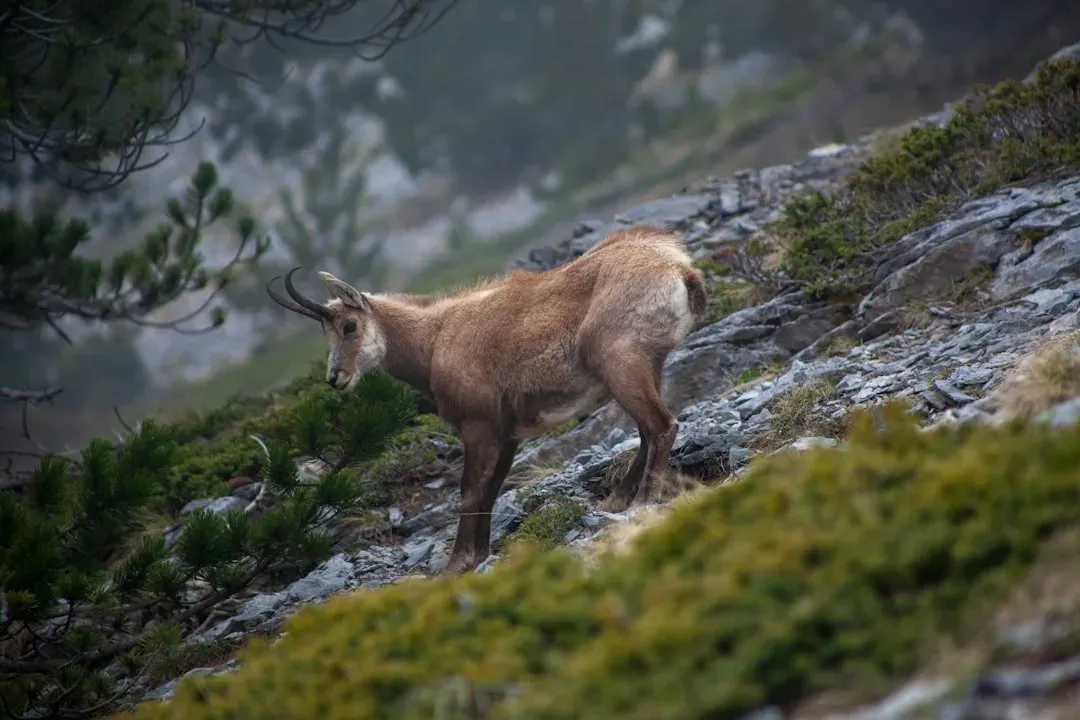
Research from the Intergovernmental Panel on Climate Change sums it up clearly. Many species shift toward cooler regions or higher elevations as climates warm. In states like Colorado or Montana, this means birds and mammals climbing mountains they weren’t built for.
It’s a forced migration no one signed up for. Mismatched habitats lead to starvation and failed reproduction. Your state’s wildlife is adapting on the fly, and not always winning.
Pollution’s Stealthy Assault
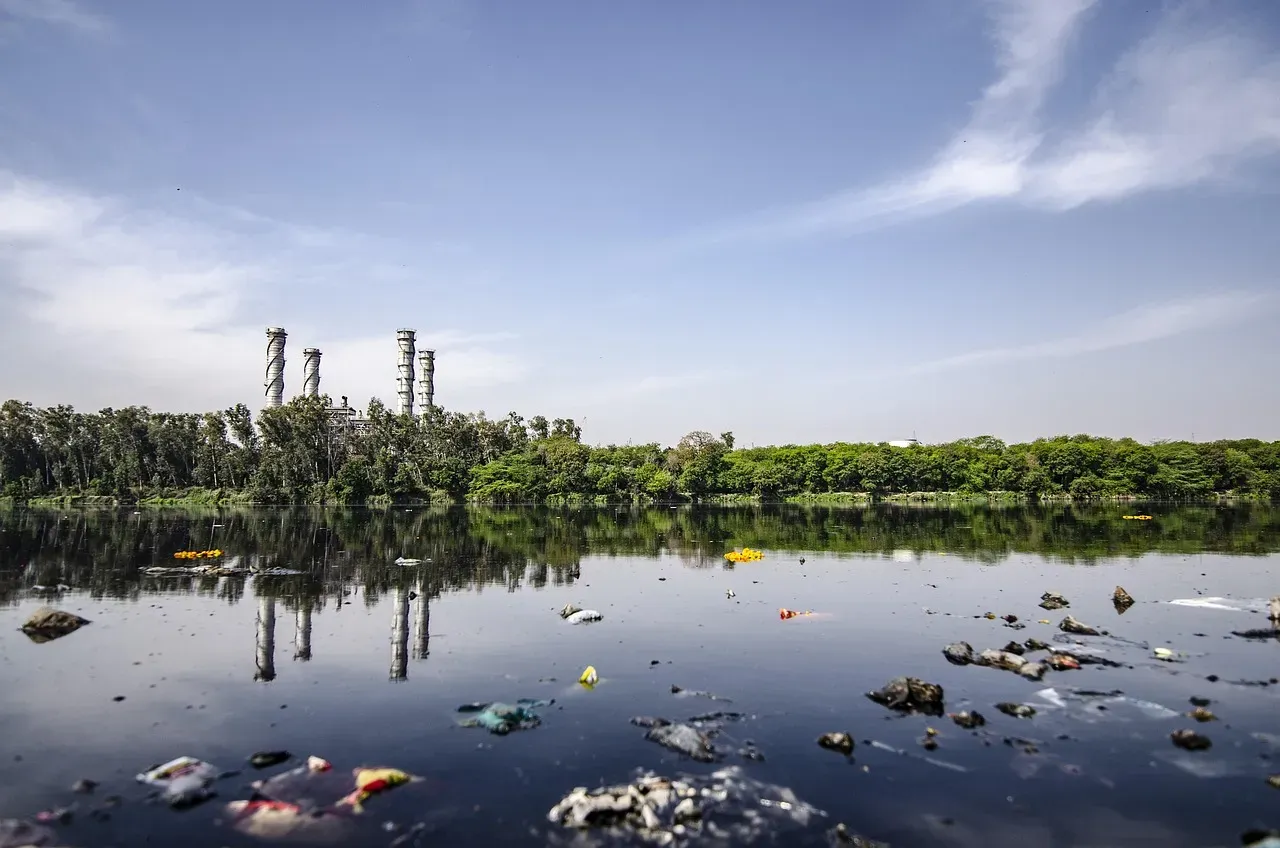
The United Nations Environment Programme flags pollution as a massive risk. Plastics and chemical runoff poison wildlife health across the globe, including U.S. waterways and soils. Think microplastics in a heron’s gut or farm runoff killing amphibians in rural ponds.
This invisible killer builds up over time. States with heavy industry or agriculture see it worst. Cleanups help, but prevention feels urgent.
Wildlife Diseases on the Rise
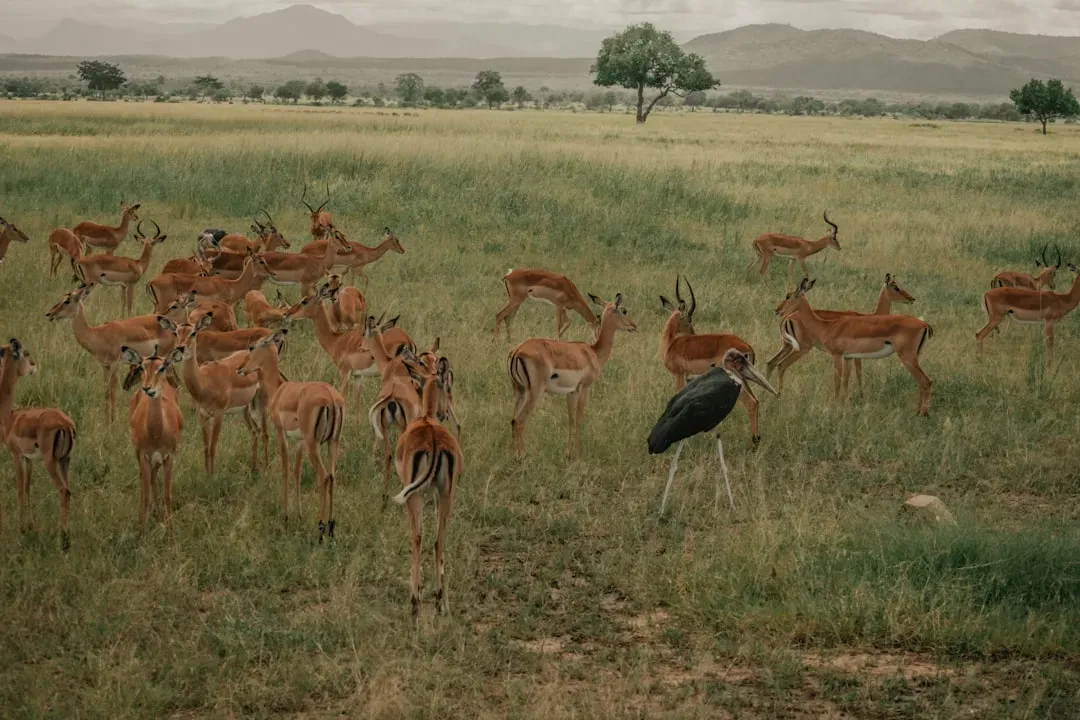
Recent studies in conservation biology from 2023 to 2024 highlight a troubling spike. Wildlife diseases spread faster amid habitat fragmentation and stressors. Bats in the Northeast or amphibians nationwide battle outbreaks tied to these pressures.
It’s like a domino effect; one weak link topples others. Crowded survivors mean higher transmission. Protecting open spaces could slow this down.
Deforestation Eating Away at Homes
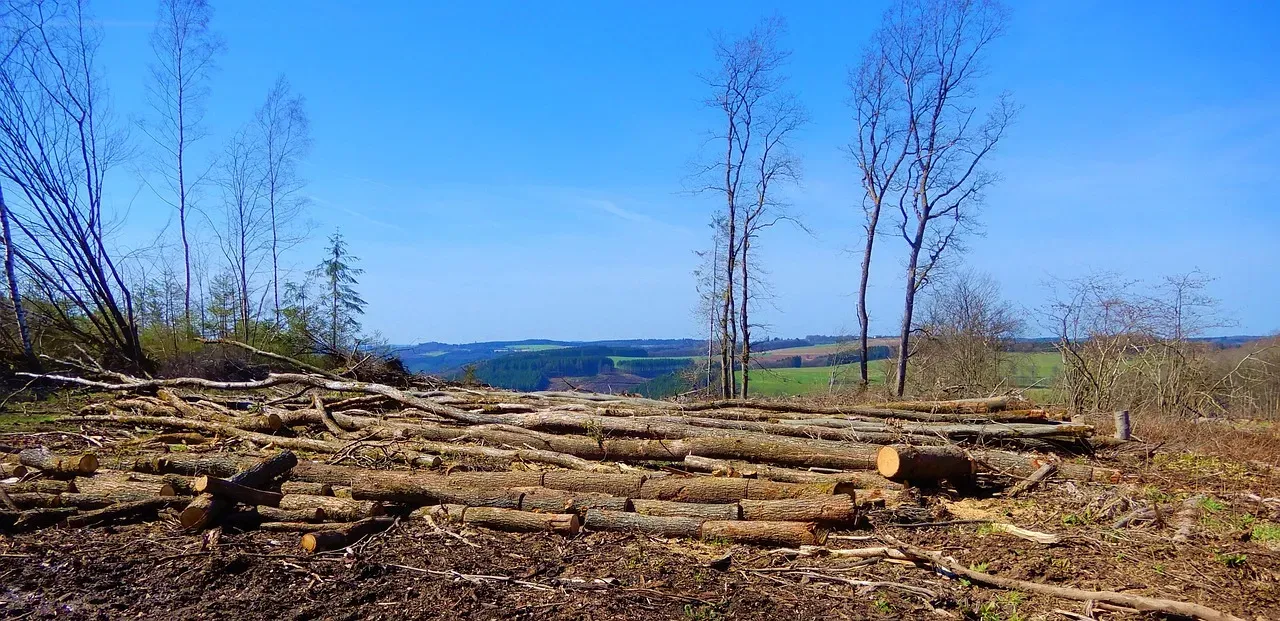
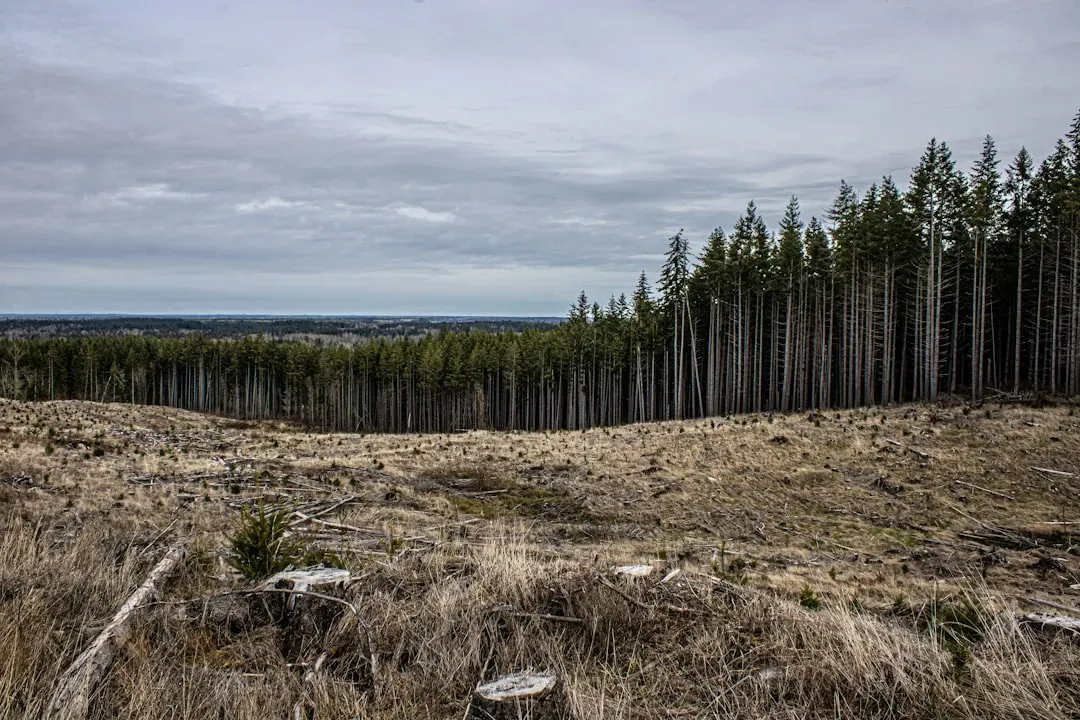
The Food and Agriculture Organization points to deforestation and land degradation as top threats. Biodiversity hotspots suffer most, but even U.S. forests face logging and development. Woodlands in the Southeast or Appalachians shrink, displacing species left and right.
Without trees, soil erodes and rivers silt up. Animals lose cover and food sources overnight. Sustainable land use isn’t optional anymore.
Early Detection Saving the Day
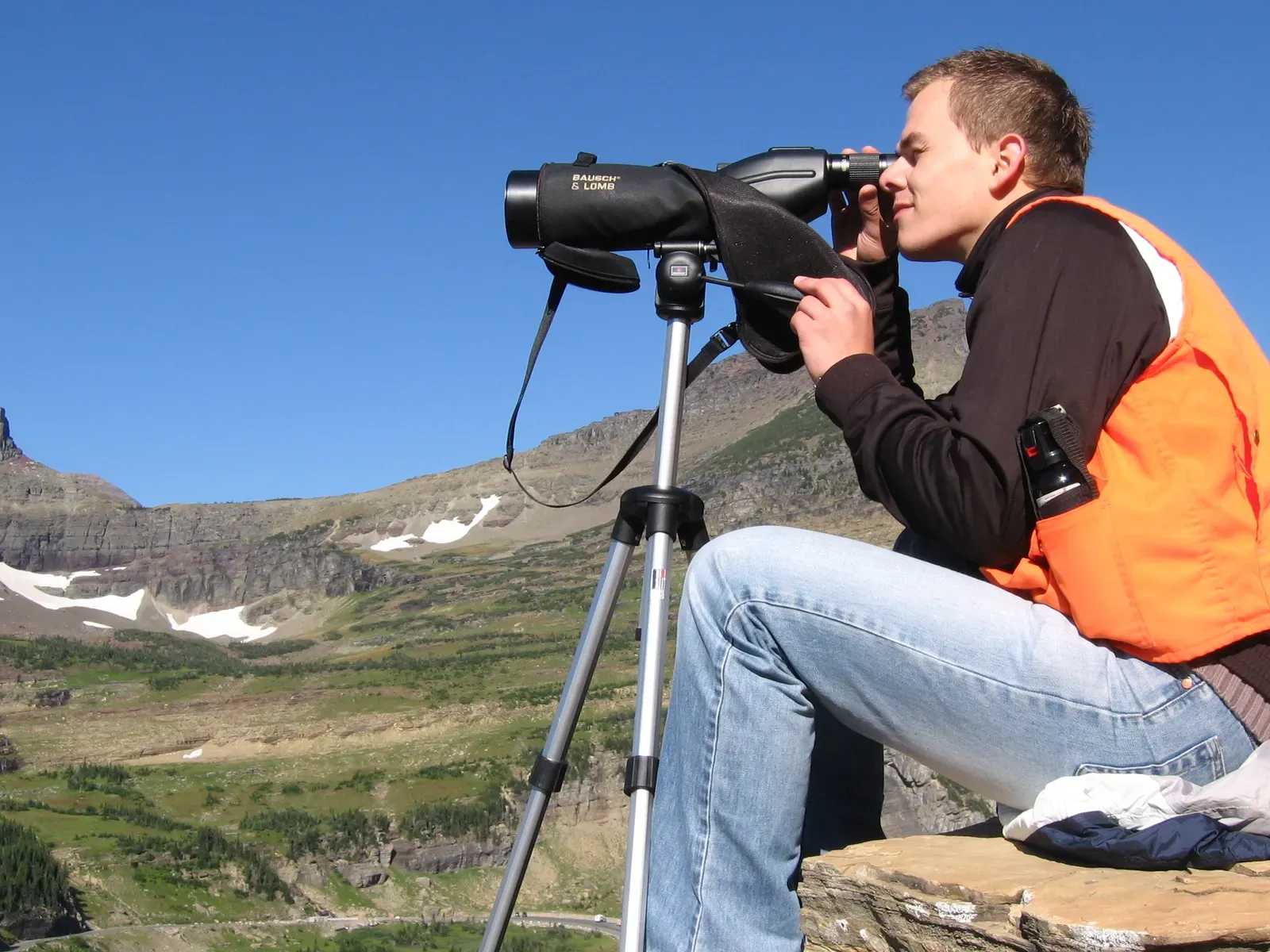
A 2025 conservation policy review cheers the growth of monitoring systems. Early detection programs spot threats before populations crash. States like Texas and Oregon use cameras and apps to track changes in real time.
This proactive approach buys precious time. Volunteers and tech make it possible locally. Getting involved could spot issues in your backyard first.
Targets for Protecting Lands and Seas
The Convention on Biological Diversity’s Kunming-Montreal Framework sets bold goals. It aims to safeguard at least 30% of land and oceans by 2030. U.S. states contribute through national parks and marine sanctuaries expanding now.
These protected zones act as lifelines. They give wildlife breathing room amid chaos. Meeting this target hinges on everyday actions too.
Economic Hits from Losing Biodiversity
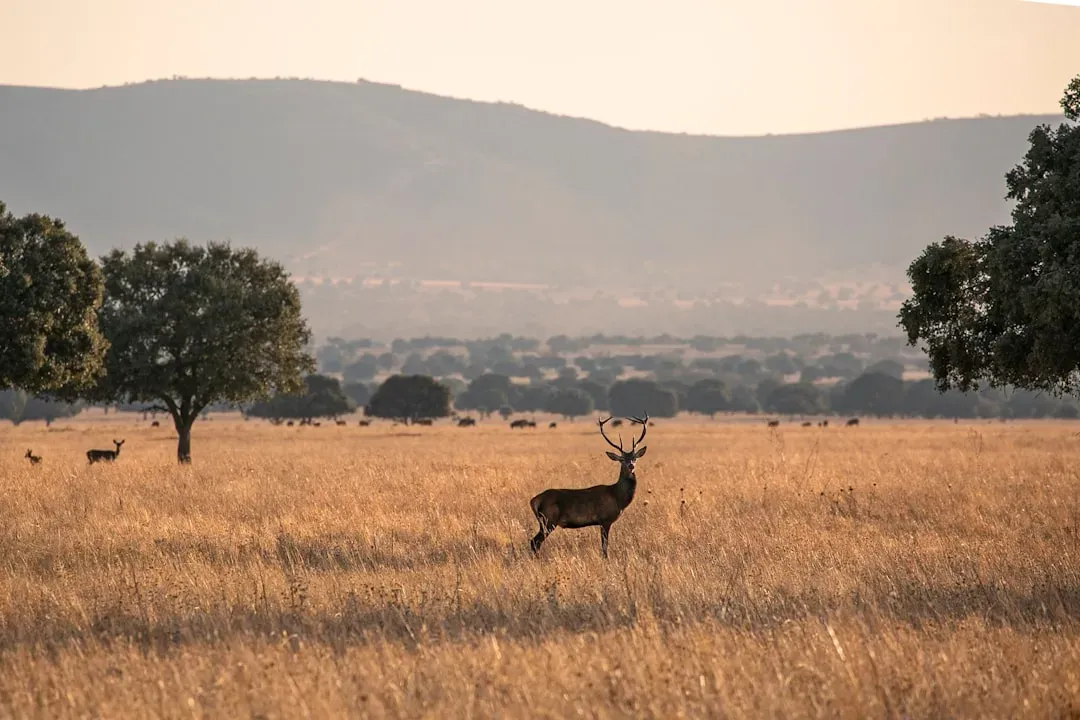
Environmental economics studies from 2023 to 2025 link biodiversity loss to real costs. Local economies suffer through wrecked agriculture and ecosystem services. States relying on fishing, tourism, or farming feel the pinch hardest.
Healthy wildlife supports jobs and food security. Ignoring it risks bigger bills later. Investing in nature pays dividends we can’t afford to miss.