There is something quietly extraordinary happening across America’s skies, wetlands, and cliffs right now. Birds that were teetering on the very edge of oblivion – species that scientists once feared were counting down their final years – are, against some serious odds, making their way back. Not every story is perfect, and not every species is out of danger. But the progress is real, documented, and honestly? More inspiring than most people realize.
This is not a simple tale of nature bouncing back on its own. It is the result of decades of stubborn, methodical, sometimes heartbreaking conservation work involving federal agencies, tribal nations, researchers, ranchers, and millions of ordinary bird enthusiasts. Let’s dive in.
The Bald Eagle: From the Brink to 316,000 Strong
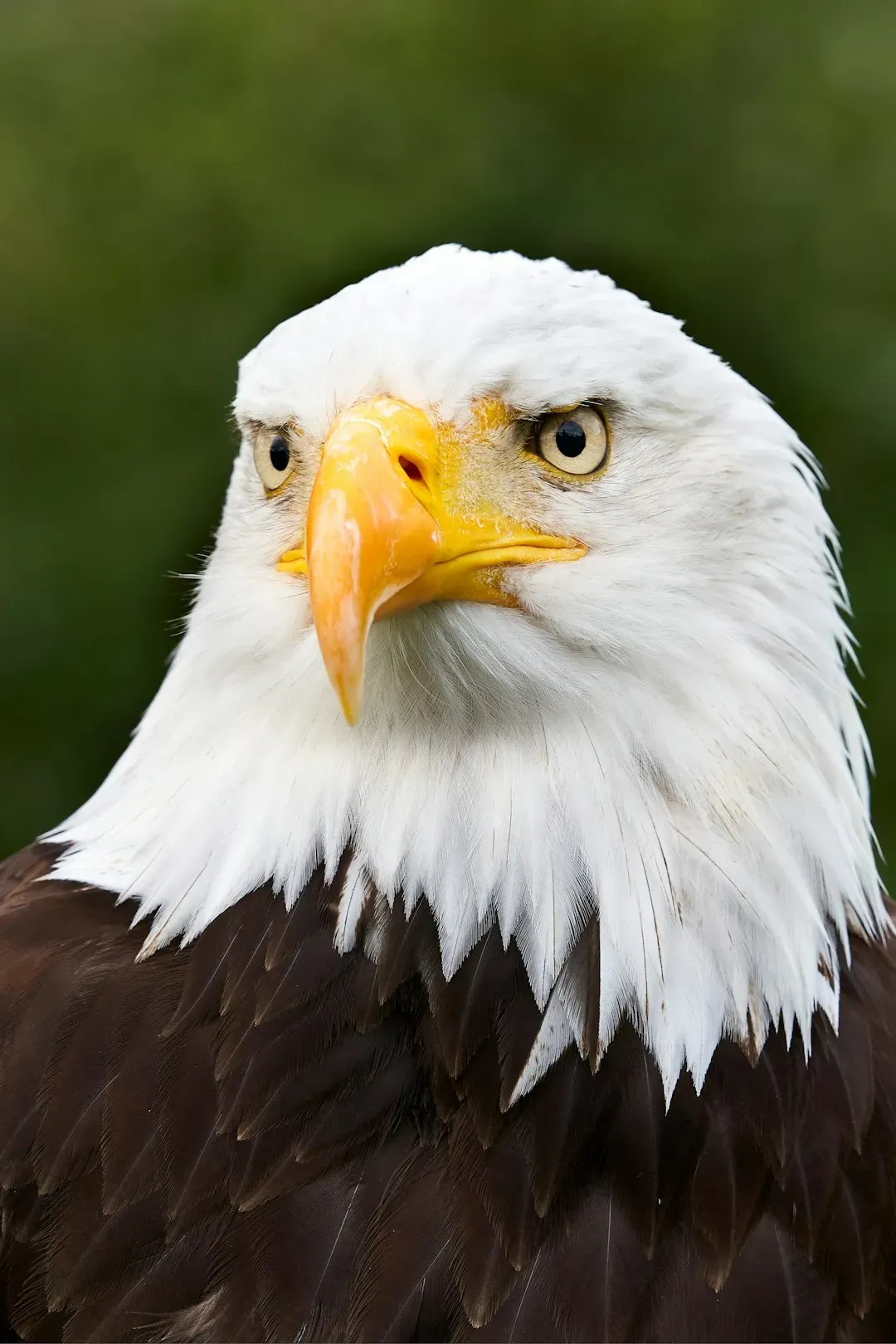
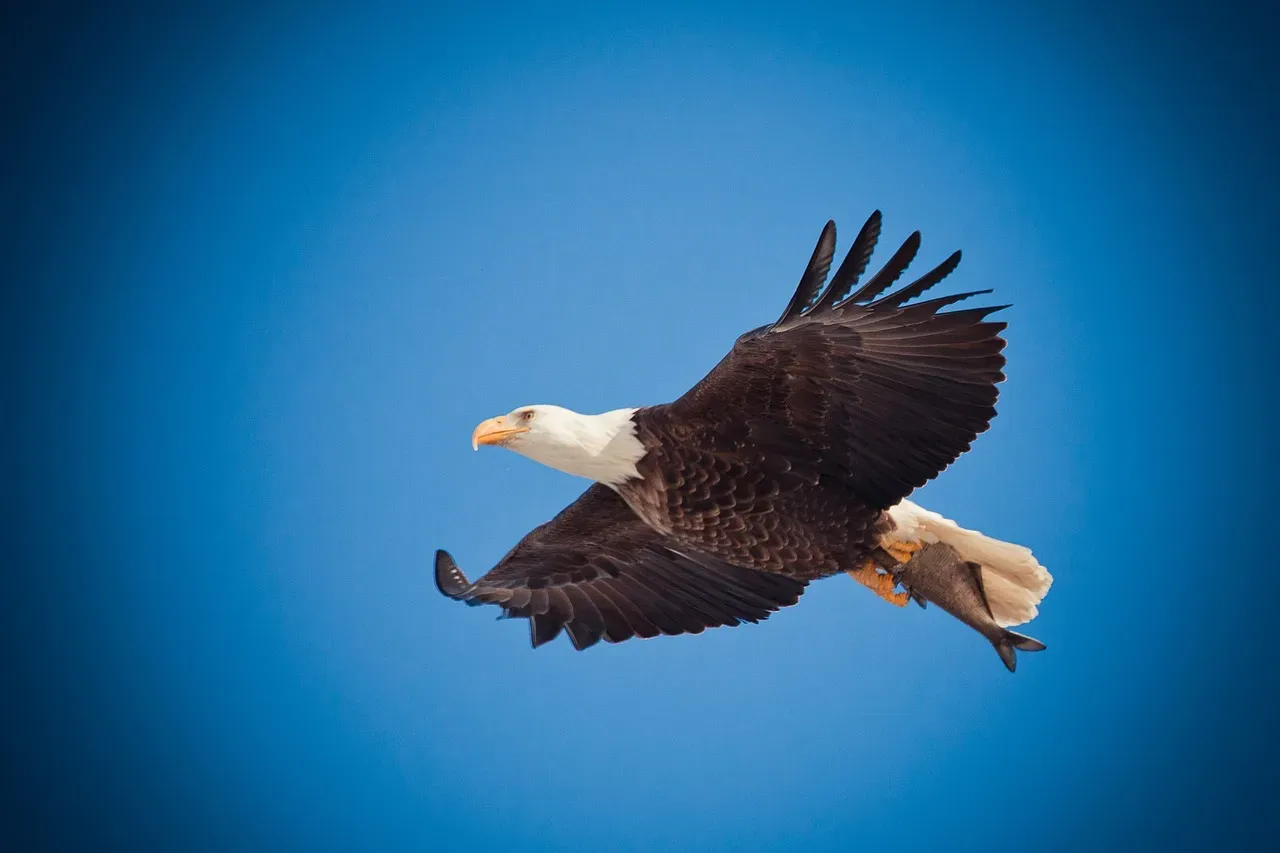
Let’s be real – the bald eagle story is the gold standard of American conservation, and the numbers back that up completely. Based on surveys conducted in 2018 to 2019, the U.S. Fish and Wildlife Service updated their estimate to 316,700 Bald Eagles of all age classes, a population estimate over four times greater than in 2009. Four times. In roughly a decade. That is the kind of turnaround that doesn’t happen by accident.
In 1963, only 417 nesting pairs had been documented in the lower 48 states. The bird that symbolizes American freedom was nearly gone. Scientists have attributed the large part of the recovery of bald eagles to the banning of DDT, a common pesticide that built up in the bodies of many birds and resulted in reproductive failure and the thinning of eggshells. Combined with legal protections and habitat restoration, the results have been nothing short of extraordinary.
Bald eagles were removed from the endangered species list in August 2007 because their populations recovered sufficiently, and their population has continued to grow in the years since. In Maryland alone, the Maryland Bird Conservation Partnership estimates there are over 1,400 breeding pairs in Maryland as of 2025. That is a staggering regional milestone for a state that once recorded fewer than 50 pairs.
The Whooping Crane: A Record-Breaking 2025 Count
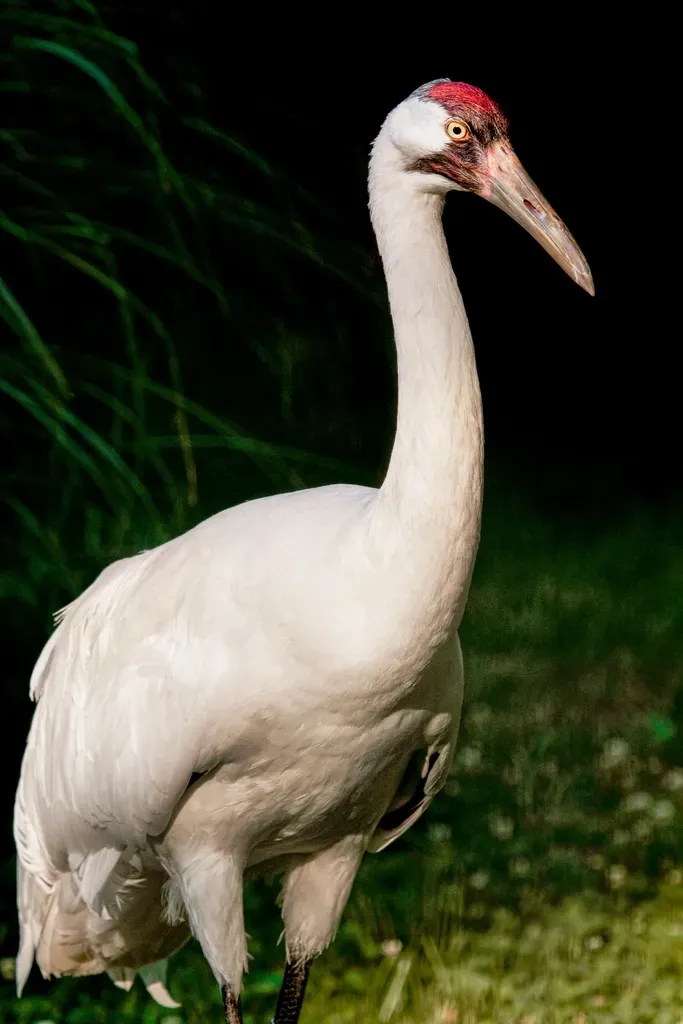
If you want a story that will make you catch your breath, look no further than the Whooping Crane. The Whooping Crane population reached a record 557 birds in winter 2024 to 2025, representing a remarkable recovery from only 14 adults in 1941. Once widespread across North America, the species nearly vanished due to hunting and habitat loss.
The species is still considered endangered, but as of 2025, there are over 800 whooping cranes in three separate wild populations, along with a captive population. That broader count includes birds from reintroduction programs in Louisiana and other locations. Thanks to decades of conservation and international cooperation between Canada and the US, numbers continue to rise.
At the Aransas National Wildlife Refuge in Texas, an estimated 557 of these birds were recorded for the 2024 to 2025 season, with the rate of population growth thought to be holding at around 4.33 percent. That sustained growth rate, year after year, is what gives scientists genuine optimism. These survey results are “incredibly encouraging as they demonstrate the whooping crane continues to steadily recover from the brink of extinction,” according to the Service’s Whooping Crane Recovery Coordinator.
The California Condor: Soaring Again Across Western Skies
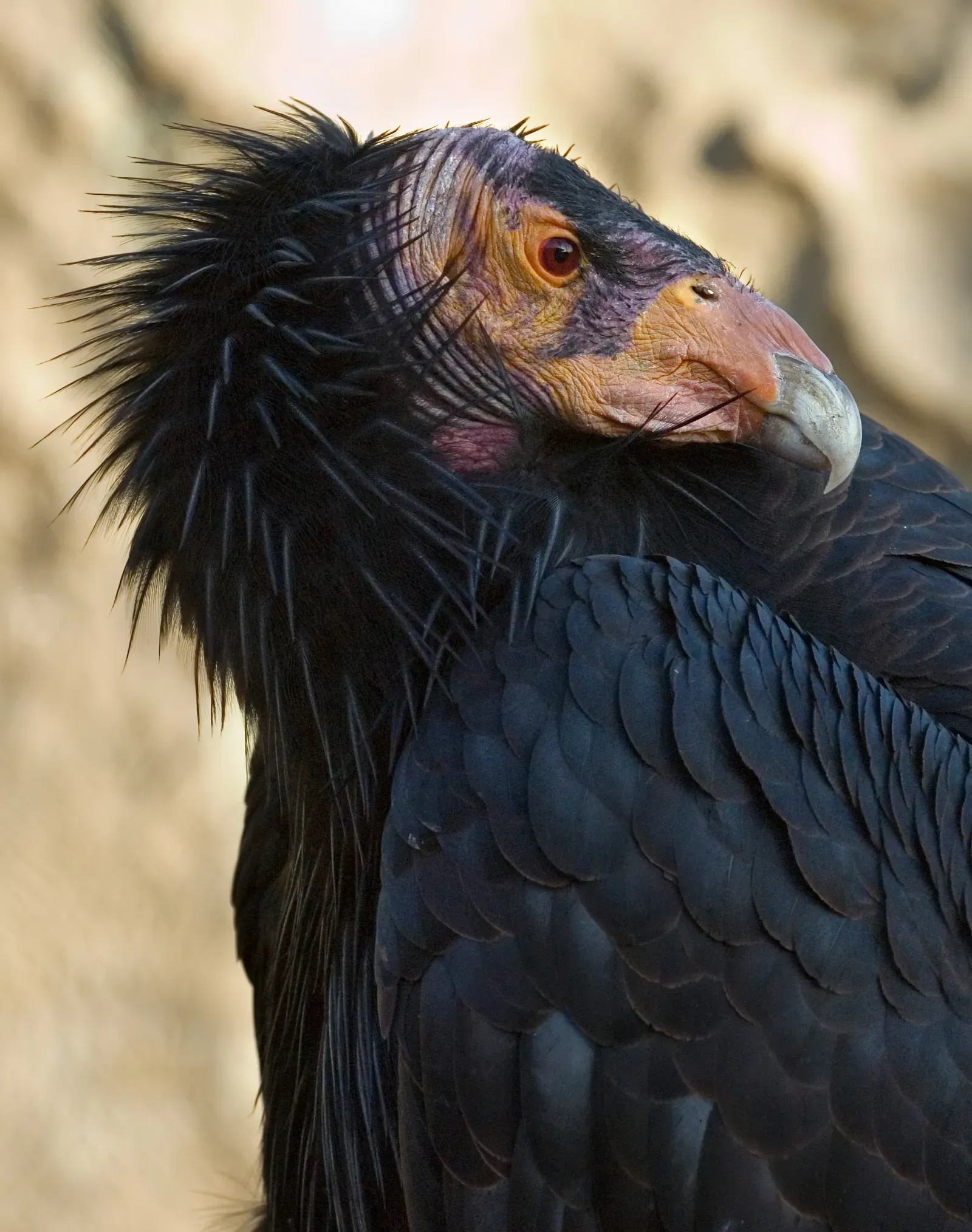
Think of the California Condor as nature’s most dramatic comeback kid. By 1982, the total population stood at just 22 birds. Today the situation is radically different. As of June 2024, the total world population of endangered California condors numbers more than 560 individuals, with more than half flying free in Arizona, Utah, California, and Mexico.
One of the most moving parts of this recovery involves tribal nations taking the lead. As of early 2025, the Yurok Tribe has released 18 condors, and the U.S. Fish and Wildlife Service says the wild, free-flying population has surpassed 300 birds. The Yurok reintroduction in Northern California is genuinely historic – condors returned to redwood country for the first time in over a century.
The Recovery Program for the California condor is an international multi-entity effort, led by the U.S. Fish and Wildlife Service, with partners stretching across state, federal, non-governmental, and tribal organizations. Challenges remain serious, especially lead poisoning from ammunition fragments in carrion. The biggest cause of condor mortality has been lead poisoning, largely stemming from the consumption of animal remains containing ammunition fragments. Still, the trajectory is upward.
The State of the Birds 2025: Conservation Works, But the Fight Isn’t Over
The 2025 State of the Birds report is both a celebration and a wake-up call wrapped into one document. The report, produced by a coalition of leading science and conservation organizations including American Bird Conservancy, Cornell Lab of Ornithology, Ducks Unlimited, and National Audubon Society, reveals continued widespread declines in American bird populations across all mainland and marine habitats, with 229 species requiring urgent conservation action.
The report reveals continued widespread declines in American bird populations across all mainland and marine habitats and comes five years after the landmark 2019 study that documented the loss of 3 billion birds in North America over 50 years. That figure – 3 billion birds – is almost impossible to fully absorb. Key findings from the new report show that more than one-third of U.S. bird species are of high or moderate conservation concern, including 112 Tipping Point species that have lost more than 50 percent of their populations in the last 50 years.
However, the same report makes clear that targeted interventions genuinely work. Private lands programs and conservation partnerships such as conservation ranching, coastal restoration, forest renewal, and seabird translocation show how concerted efforts and strategic investments can recover bird populations. The lesson, honestly, is that scale and funding matter enormously.
Wetlands and Waterfowl: A Conservation Success Under Pressure
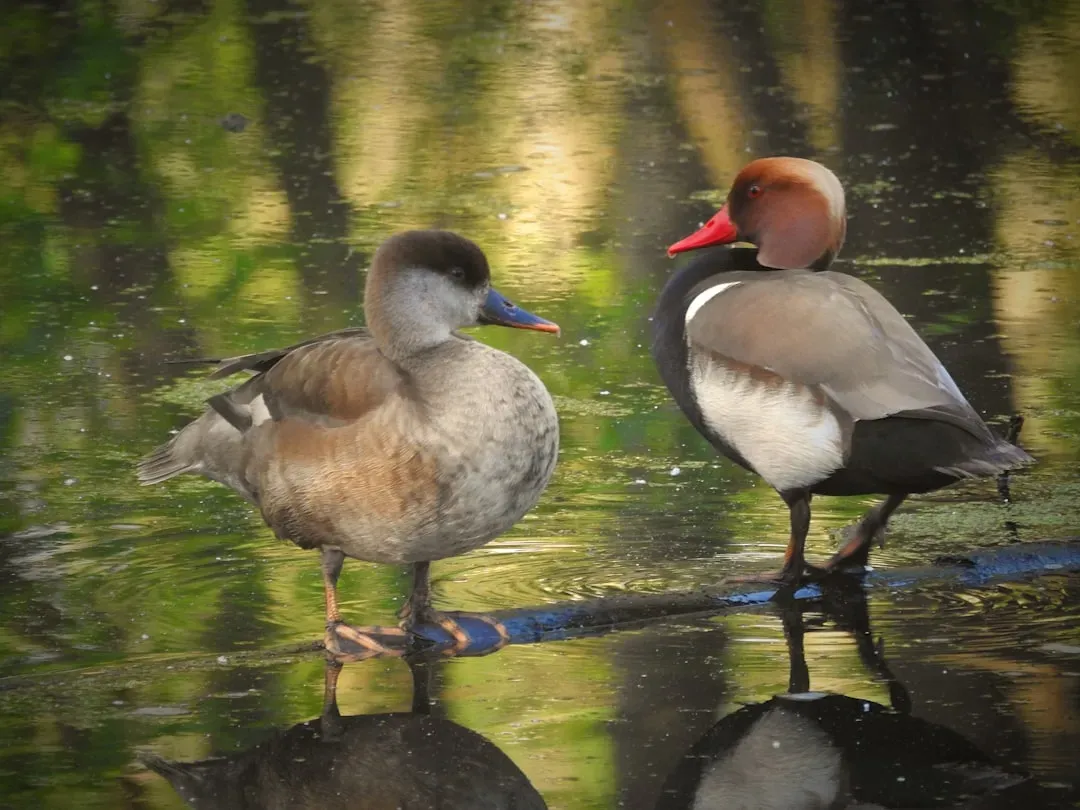
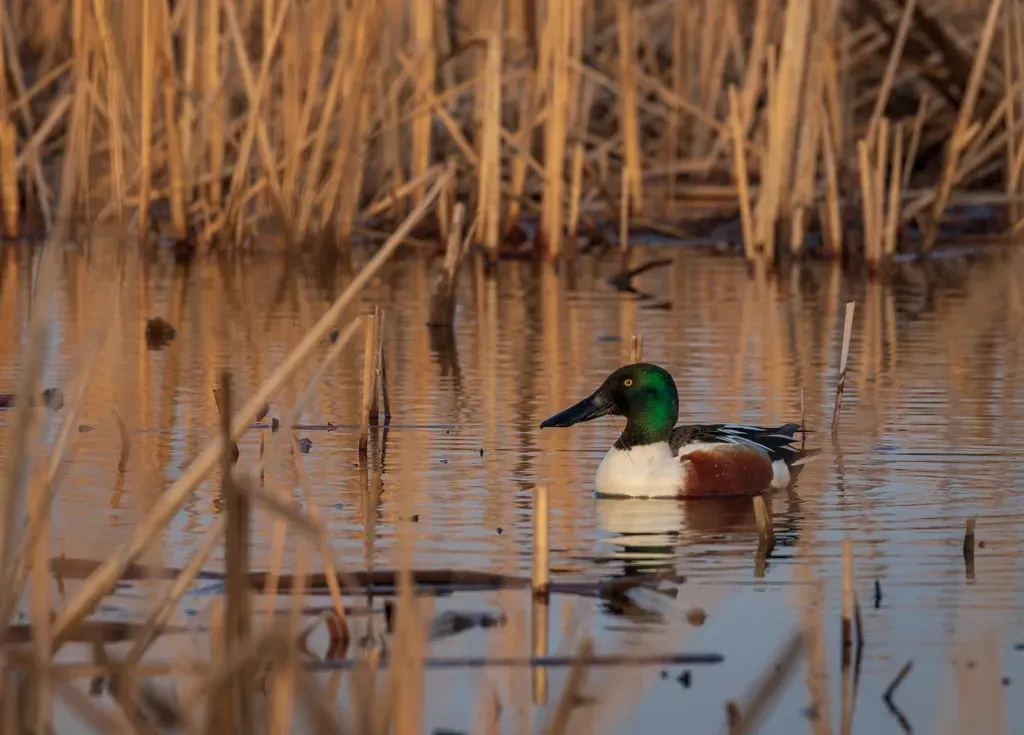
Wetland conservation may be the single most effective tool American bird conservationists have developed. Duck populations are roughly a quarter higher than they were in 1970, the result of foundational policies such as the North American Wetlands Conservation Act, Duck Stamp program, and Conservation Title of the Farm Bill that have long safeguarded wetland resources and associated habitats. That is real, documented progress driven by deliberate policy choices.
Here’s the thing though – those gains are now at risk. Recent duck declines in the Prairie Pothole Region correspond with a period of deteriorating environmental conditions and unrelenting wetland and grassland loss, driven by the expansion and intensification of row-crop agriculture and erosion of wetland protections. Think of the Prairie Pothole Region as America’s duck nursery – and it’s currently struggling.
Voluntary conservation programs implemented via the Farm Bill, such as the Conservation Reserve Program, have proven successful in supporting duck populations. Scientists and conservation groups are urging policymakers to strengthen these programs rather than reduce them, particularly as climate variability adds another layer of uncertainty for breeding birds across the continent.
Raptors Respond to Targeted Nest Protection Programs
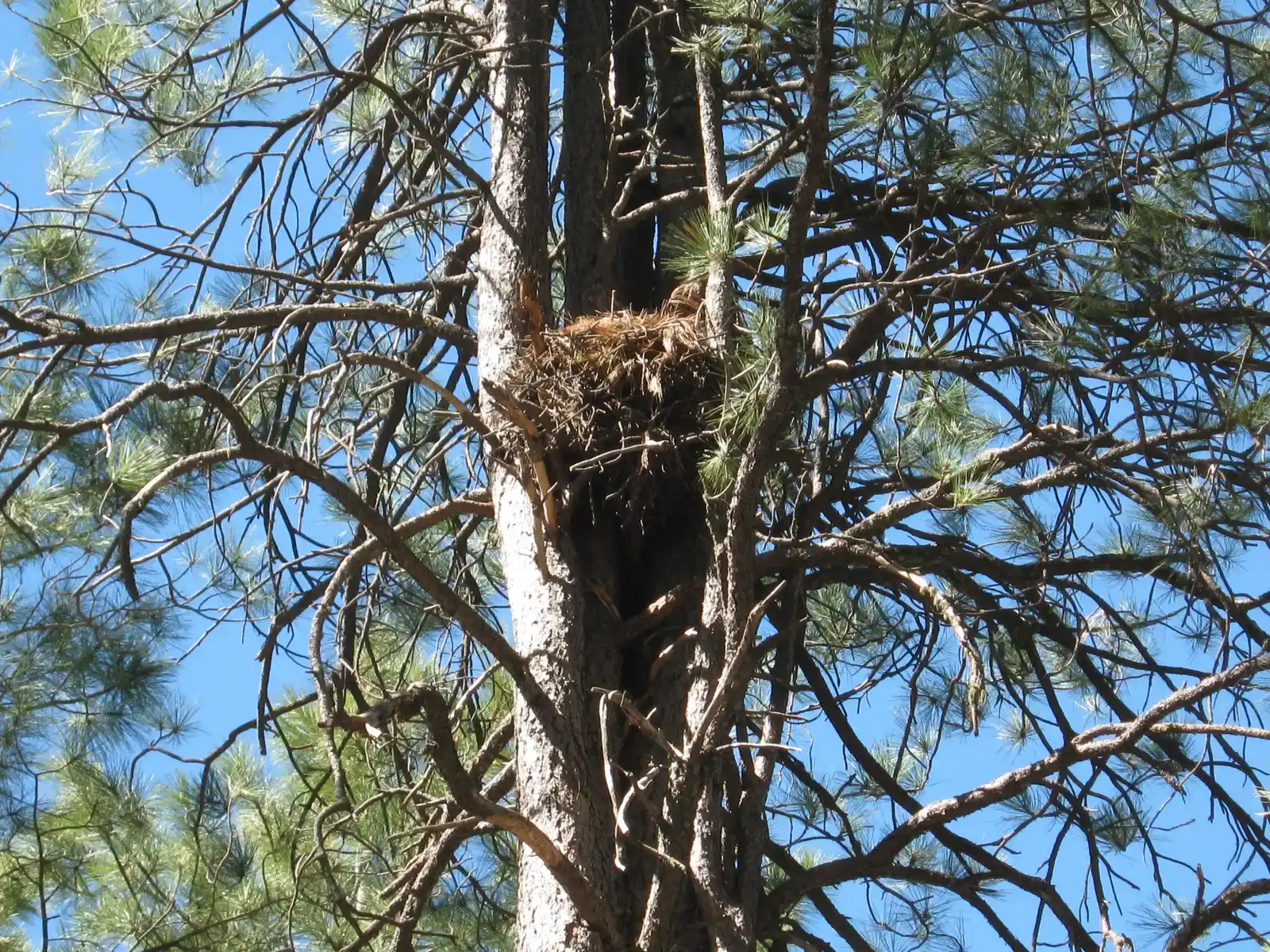
Raptors – hawks, falcons, owls, and eagles – have shown some of the strongest recoveries among North American birds, and the science tells us exactly why. According to data from the Cornell Lab of Ornithology, targeted conservation efforts including nest protection and habitat management have contributed meaningfully to recoveries across several raptor species. These interventions are relatively low-cost but extraordinarily high-impact when applied consistently over time.
Think of it like compound interest. A single protected nest today can produce breeding adults five years from now, who then protect their own nesting territory and raise another generation. In central interior California, the known bald eagle population increased by an annual average of 19 percent from four known nesting pairs in 2011 to 31 pairs in 2024. That is what sustained, methodical nest monitoring produces when it is done right.
The Peregrine Falcon, another species that once nearly disappeared due to DDT exposure, has also recovered dramatically across North America, now nesting on urban skyscrapers and rural cliff faces alike. These comeback stories are proof that when we understand what a species actually needs, we can deliver it. It’s not magic. It’s commitment.
Seabird Colonies: Island Restoration Opens New Doors
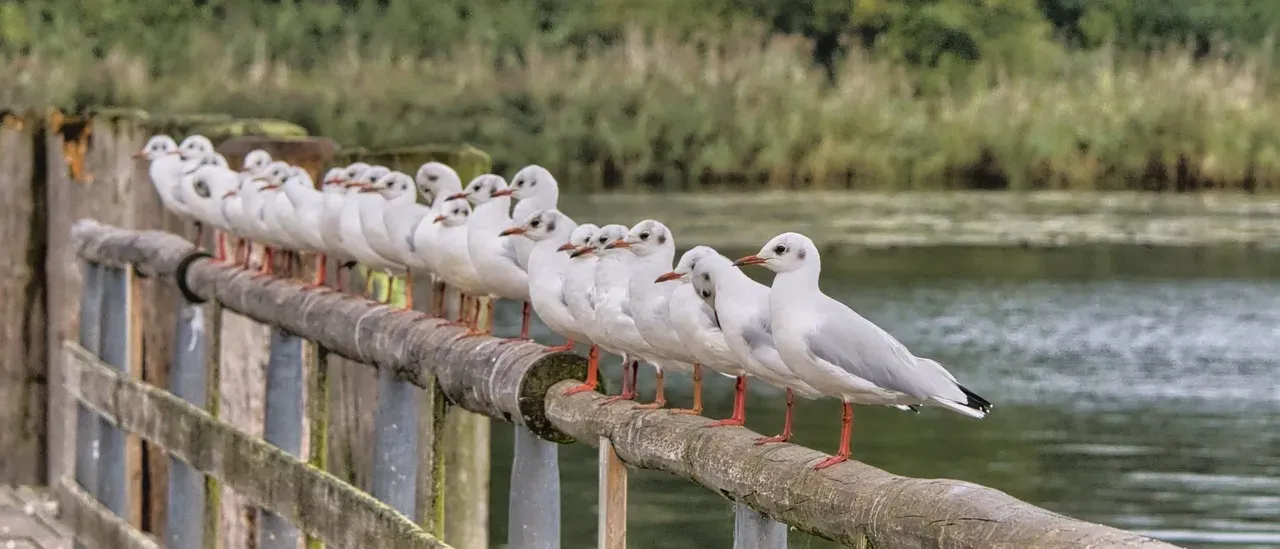
Out of sight and out of mind for most people, seabirds breeding on offshore islands have quietly benefitted from some of the most innovative conservation work happening in the U.S. right now. Proactive strategies and investments such as coastal restoration, conservation ranching, forest renewal, and seabird translocations have demonstrated success in aiding species recovery. Seabird translocation in particular has opened up new breeding territories for species that were hemmed into shrinking, predator-threatened sites.
Island restoration – removing invasive predators like rats and feral cats from nesting islands – has allowed seabird colonies to rebound in ways that would have seemed unrealistic just a generation ago. Some seabird species that were once near local extinction have begun increasing their breeding numbers as restored islands provide safe nesting grounds. The logic is simple, almost elegant: remove what is killing the eggs, and the birds do the rest themselves.
Conservation partnerships including seabird translocation show how concerted efforts and strategic investments can recover bird populations. Scientists describe these island projects as among the highest-return investments in conservation, yielding breeding success for multiple species simultaneously once the invasive species are controlled.
Migration Corridors: Protecting the Journey, Not Just the Destination
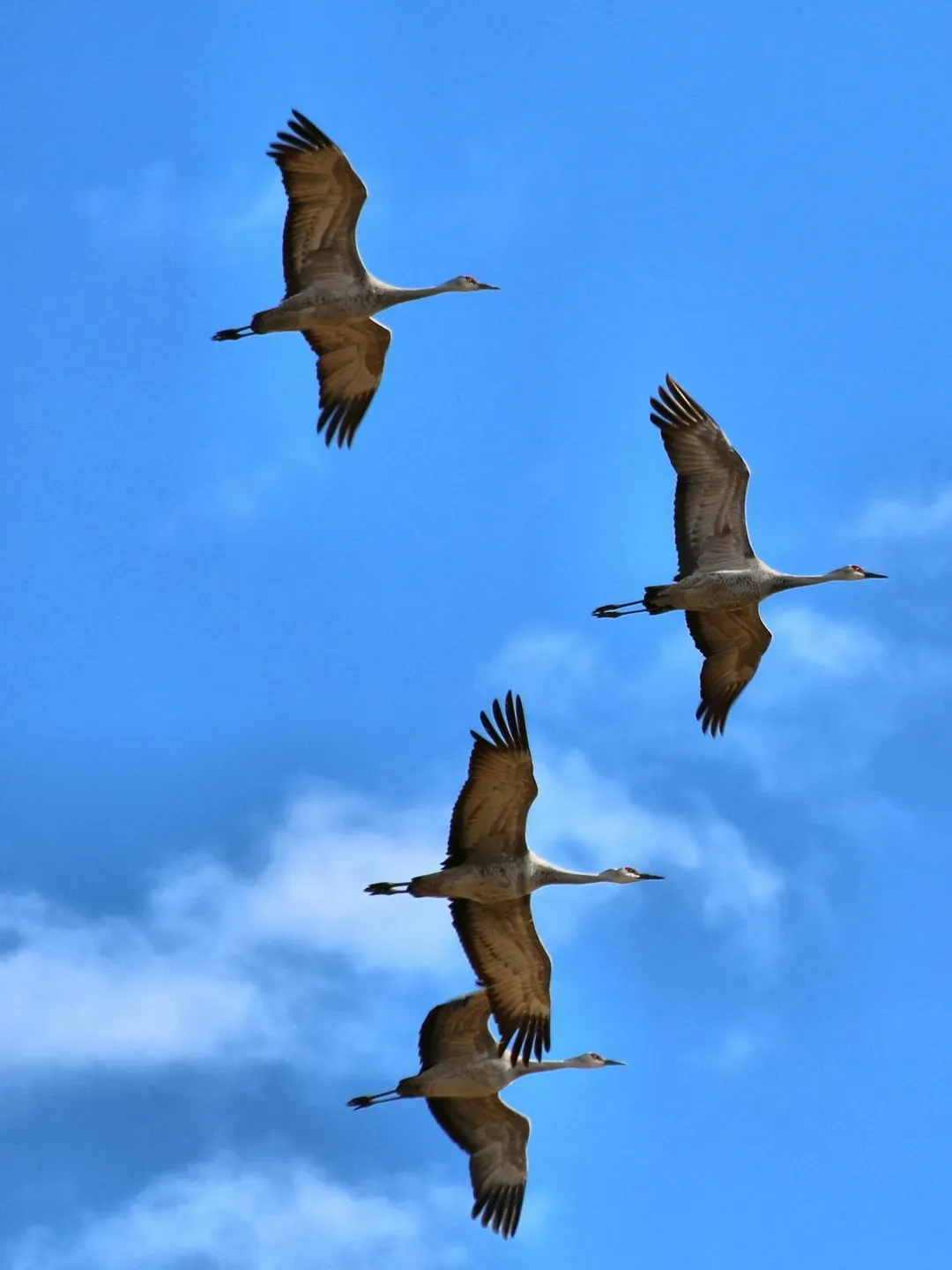
A bird’s survival isn’t only about where it breeds or winters – it’s about everything that happens in between. Migration corridors are the invisible highways that connect breeding grounds in Canada to wintering habitats in the American South and beyond, and they are increasingly recognized as critical conservation priorities. The Audubon Society notes that climate adaptation strategies, such as protecting migration corridors, are helping certain vulnerable bird populations stabilize.
The Whooping Crane’s migration route makes this point vividly. The Whooping Crane’s migratory route passes up and down the North American Central Flyway, through Texas, the Great Plains, the Canadian Prairies, and into Canada’s Northern Boreal Forest. Every stretch of that corridor matters. A single problem – a dry stopover wetland, a power line, an agricultural chemical – can undermine years of breeding success in a single migration season.
Every year, endangered whooping cranes migrate 2,500 miles from their breeding grounds in Wood Buffalo National Park in Canada to Aransas National Wildlife Refuge and surrounding habitats, where they spend the winter. Conservation organizations are now pushing for landscape-scale protections that account for these entire journeys, not just the bookend habitats at either end.
Tribal Nations as Conservation Leaders
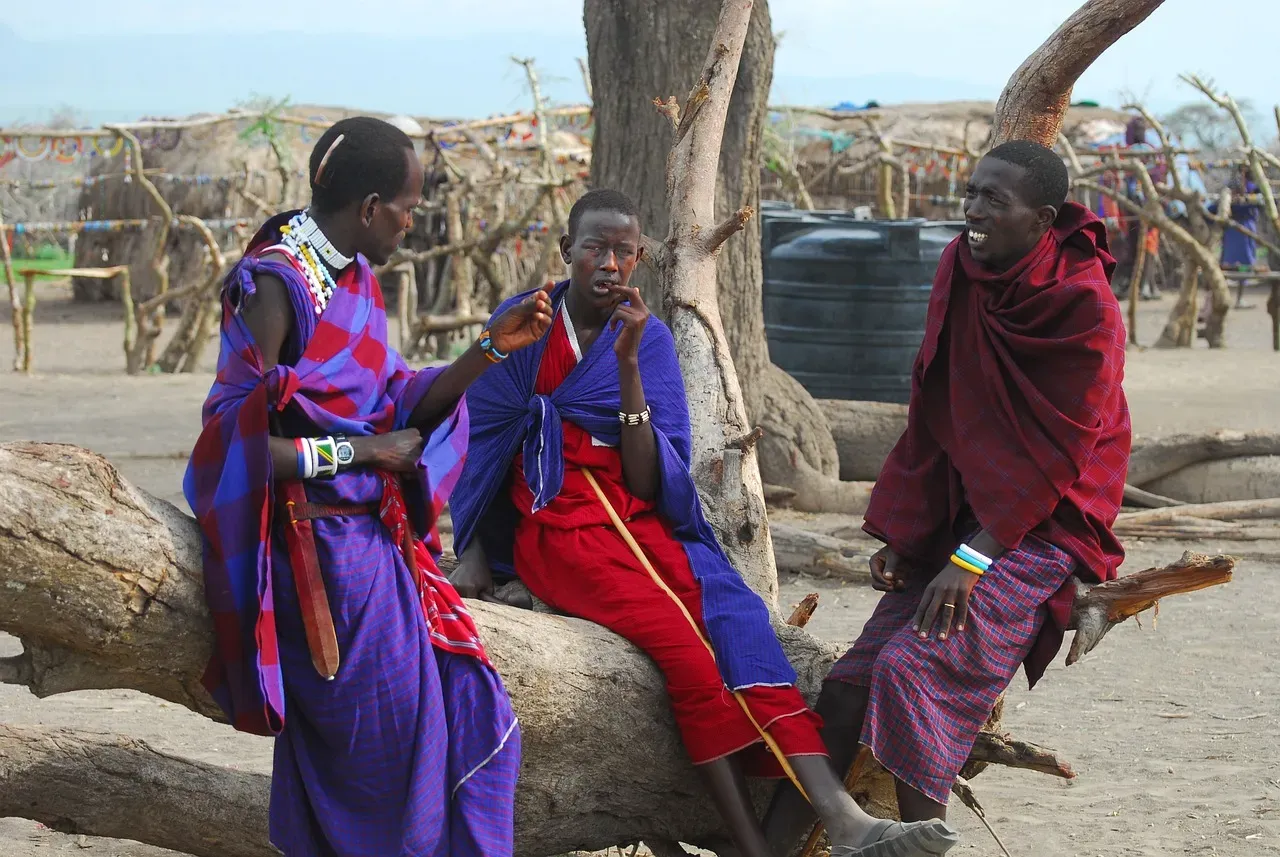
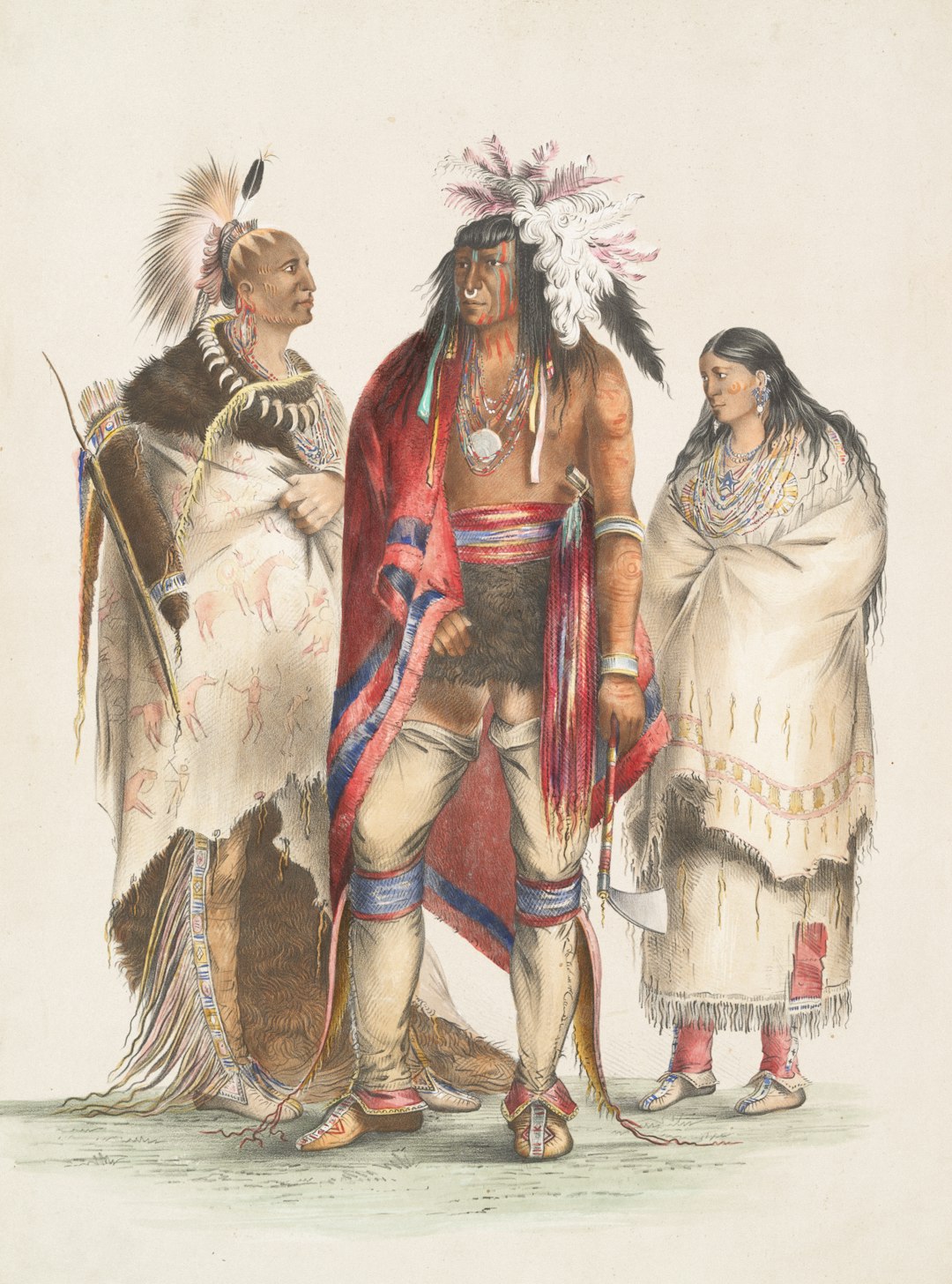
One of the most significant and, honestly, underreported conservation developments of the past decade is the growing role of tribal nations in leading wildlife recovery. The Yurok Tribe’s California Condor reintroduction program in Northern California is perhaps the most visible example, but it is far from the only one. Partners in condor recovery include numerous organizations stretching across state, federal, non-governmental, and tribal partners.
Three years ago, California condors returned to the skies above Humboldt County, more than a century after disappearing from this ancestral habitat, largely because of the Yurok Tribe’s determination to restore a species with deep cultural significance to their community. This is conservation that is simultaneously ecological and cultural, protecting biodiversity and Indigenous heritage at the same time.
Tribal involvement brings not just resources but deep ecological knowledge of specific landscapes that no government agency alone can replicate. Canadian whooping crane nesting habitat is located on the traditional territories of Treaty 8 Indigenous Nations, and conservation programs are dedicated to building meaningful connections with and learning from the communities that are traditional stewards of this land. That kind of partnership is the future of effective bird conservation in North America.
The Bigger Picture: Victories Within a Long-Term Crisis
It would be dishonest to frame this story as one of uncomplicated triumph. The individual species recoveries are real and genuinely inspiring. The bigger picture, though, demands serious attention. The 2025 State of the Birds report comes five years after the landmark 2019 study that documented the loss of 3 billion birds in North America over 50 years. That is the backdrop against which every recovery story must be read.
Grassland and aridland species have been dealt the heaviest blow, with both groups losing more than 40 percent of their total populations over that period. Species like the Allen’s Hummingbird and the Saltmarsh Sparrow are flagged as red-alert cases. More than one-third of U.S. bird species are of high or moderate conservation concern, including 112 Tipping Point species that have lost more than 50 percent of their populations in the last 50 years, and 42 red-alert species facing perilously low populations without immediate intervention.
Yet scientists and conservationists remain clear that the tools work when they are properly funded and deployed. Despite ample evidence that conservation can work, the status quo approach to conservation is not turning bird populations around. What’s needed now is policy that implements proven conservation measures that help birds, habitats, and people. The Bald Eagle, the Whooping Crane, the California Condor – they are proof of what becomes possible when society commits seriously to a goal. The question is whether that commitment will be extended to the hundreds of species still waiting for their own comeback story.
Conclusion: Hope With Eyes Wide Open
The comeback of rare U.S. birds is one of the genuinely good news stories of our time – but it is a story that requires honesty about how fragile these recoveries remain. The Bald Eagle has gone from fewer than a thousand birds to over 316,000. The Whooping Crane hit a record count in 2025. The California Condor flies free in places it hasn’t been seen in over a century. These facts are worth celebrating without reservation.
At the same time, the 2025 State of the Birds report is a clear-eyed reminder that the overall trajectory of North American birds remains deeply concerning. Birds are telling us that the habitats people depend on are vanishing, with declines happening across grasslands, aridlands, western and eastern forests, Hawaii’s fragile ecosystems, and among shorebirds and seabirds. The recoveries we’ve seen are the result of decades of sustained human effort – and that effort cannot afford to slow down now.
I think the most important takeaway here is simple: conservation works when it is funded, supported, and sustained across time. Every species that has come back proves this. The real question isn’t whether we know how to help birds recover – we do. The question is whether we will choose to. What do you think it will take to extend these victories to the hundreds of species still in decline? Share your thoughts in the comments.