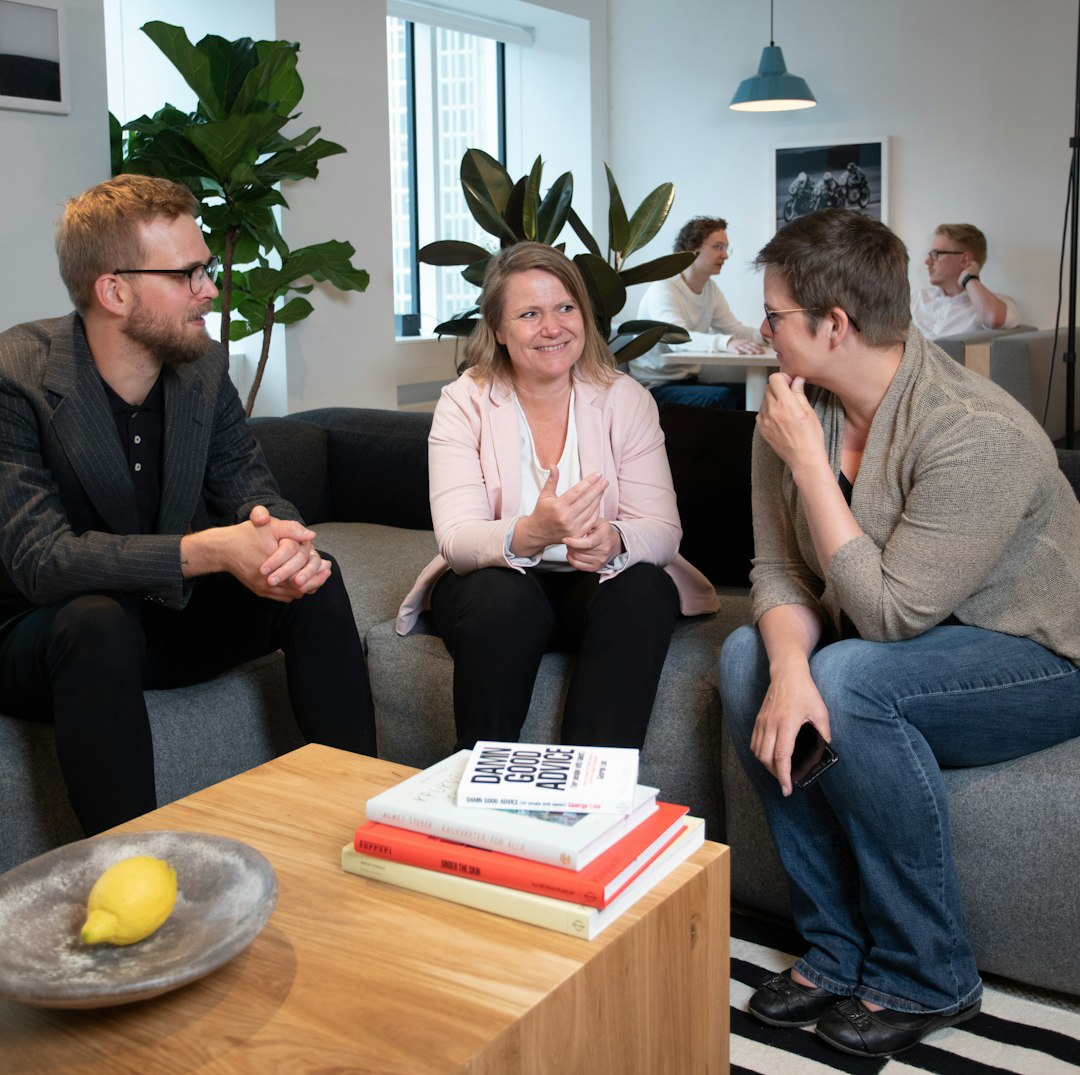
Lay the Groundwork with Clear Expectations (Image Credits: Unsplash)
Entrepreneurs who treat their board as a strategic asset rather than mere oversight unlock accelerated growth and smarter decision-making.
Lay the Groundwork with Clear Expectations
Effective board partnerships begin with onboarding that sets precise roles and responsibilities from the outset. New members received thorough orientations covering the company’s history, challenges, and future vision, which helped them integrate quickly.[1][2]
Written job descriptions outlined attendance requirements, committee duties, and performance metrics, ensuring everyone understood contributions expected. This approach prevented misunderstandings and fostered immediate accountability. Entrepreneurs found that pairing newcomers with mentors accelerated their ramp-up and built early trust.
Prioritize Open Communication and Personal Bonds
Regular, transparent dialogue kept boards informed and invested, with CEOs sharing updates on metrics, successes, and hurdles proactively. Proactive check-ins from chairs or secretaries reinforced a collaborative team dynamic.[3]
CEOs who understood individual board members’ motivations and perspectives maintained stronger alignment by tailoring communications to their interests.[4] Informal gatherings, such as retreats or volunteer outings, strengthened personal relationships beyond formal meetings. These efforts transformed distant advisors into committed allies.
Engineer Meetings for Maximum Impact
Boards thrived when meetings focused on strategic priorities with agendas distributed well in advance, allowing preparation and meaningful debate. Sessions stayed concise, under two hours, emphasizing future-oriented discussions over routine reports.[1][2]
Interactive elements like polls, breakout groups, and mission-focused stories kept energy high and participation robust. Entrepreneurs evaluated these gatherings regularly through feedback surveys, refining formats to boost effectiveness. Advance access to digital documents via portals further enhanced preparedness and collaboration.
Match Skills to Roles and Celebrate Wins
Assigning tasks based on members’ strengths – such as financial experts to audits or networkers to partnerships – maximized engagement and output. Diverse boards with complementary skills provided balanced guidance tailored to growth stages, from fundraising to scaling.[5][2]
- Identify unique talents during recruitment to ensure full commitment.
- Rotate committee roles to leverage evolving expertise.
- Recognize achievements publicly to sustain motivation.
- Host skill-building workshops on governance and industry trends.
- Encourage off-record brainstorming for candid input.
Public acknowledgments and milestone celebrations reinforced value, prompting deeper involvement.
Track Progress and Adapt Continuously
Data-driven assessments measured engagement through metrics like attendance, document access rates, and contribution levels. Quarterly reviews of goals, vision, and performance realigned priorities swiftly.[1][4]
Entrepreneurs who conducted one-on-one check-ins addressed dips early, preventing disengagement. Structured plans with KPIs and timelines guided long-term efforts, such as annual retreats or volunteer initiatives. This iterative process ensured boards remained dynamic partners in navigating market shifts.
Key Takeaways
- Set expectations and onboard thoroughly to build quick alignment.
- Foster relationships through communication and shared experiences.
- Design purposeful meetings with feedback loops for continuous improvement.
A unified board not only challenges assumptions but amplifies a founder’s vision, turning oversight into propulsion. What strategies have worked best for your board dynamics? Share your insights in the comments.