A Startling Discovery Sparks Urgent Action (Image Credits: Flickr)
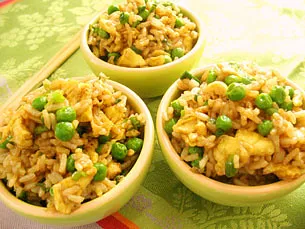
A massive recall of frozen chicken fried rice products has prompted warnings for consumers to discard items sold under Trader Joe’s branding due to possible glass fragments.
A Startling Discovery Sparks Urgent Action
Frozen food producer Ajinomoto Foods North America initiated a recall of more than three million pounds of chicken fried rice following four customer reports of glass in the product.
The company, located in Portland, Oregon, alerted the U.S. Department of Agriculture’s Food Safety and Inspection Service after the complaints surfaced.
Production occurred between September 8 and November 17, 2025, and all affected packages bear the USDA establishment number P-18356.
As of February 19, 2026, authorities reported no injuries linked to the contamination.
Which Products Make the Cut for Recall?
The recall targets two specific frozen, not-ready-to-eat chicken fried rice varieties.
One involves 1.53-kilogram cardboard packages containing six bags of “Ajinomoto Yakitori Chicken with Japanese-Style Fried Rice,” with best-by dates from September 9 to November 12, 2026.
The other consists of 20-ounce plastic bags of “Trader Joe’s Chicken Fried Rice with stir fried rice, vegetables, seasoned dark chicken meat and eggs,” best by dates spanning September 8 to November 17, 2026.
Consumers can view labels of the impacted items in the USDA recall document.
| Product Name | Packaging | Best-By Dates |
|---|---|---|
| Ajinomoto Yakitori Chicken with Japanese-Style Fried Rice | 1.53-kg cardboard (6 bags) | Sept 9 – Nov 12, 2026 |
| Trader Joe’s Chicken Fried Rice | 20-oz plastic bag | Sept 8 – Nov 17, 2026 |
Sales Locations and Export Details
Ajinomoto branded the product exclusively for export to Canada, where it reached international markets.
In contrast, Trader Joe’s version distributed to retail stores throughout the United States.
Both lines carried the same production details and contamination risk.
The U.S. Department of Agriculture detailed the recall on its site, including photos from the official alert page.
Steps for Consumers to Stay Safe
Officials urged anyone with these products not to eat them, regardless of prior cooking.
Instead, individuals should discard the items or return them to the point of purchase for a refund.
The Food Safety and Inspection Service emphasized prompt action to avoid potential harm from glass shards.
This incident adds to previous Trader Joe’s recalls involving contaminants like rocks and pathogens.
- Over 3 million pounds recalled due to glass complaints.
- Affects Trader Joe’s U.S. stores and Ajinomoto exports to Canada.
- No reported injuries, but discard products immediately.
Food safety recalls like this one underscore the importance of checking labels and best-by dates in your freezer. What do you think about it? Tell us in the comments.