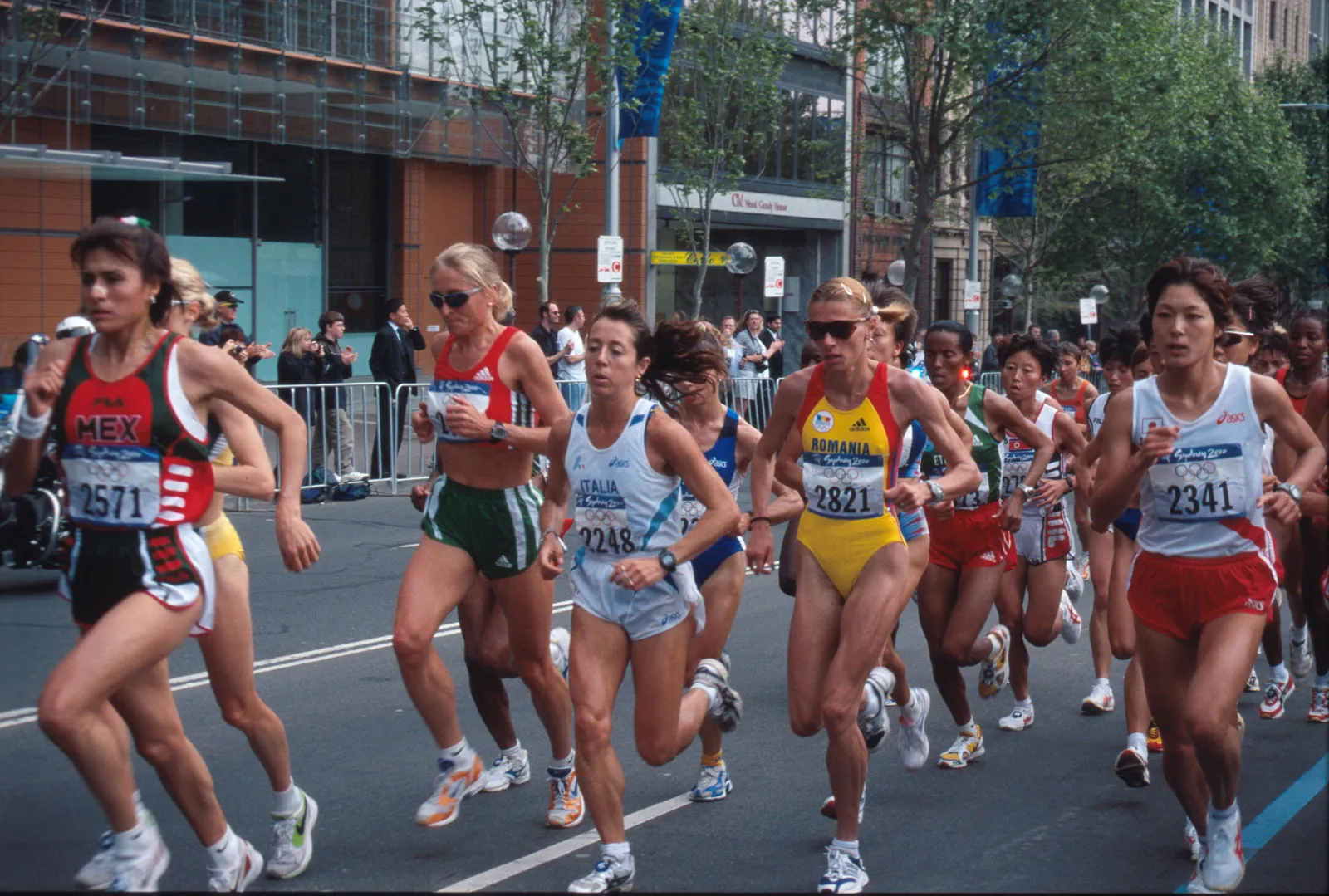
Audience Data Highlights Women’s Dominance (Image Credits: Upload.wikimedia.org)
Milan-Cortina, Italy – Female competitors have captured global attention during the ongoing Winter Olympic and Paralympic Games.
Audience Data Highlights Women’s Dominance
Recent international research revealed that women’s events matched or surpassed men’s in popularity across most Winter Olympic sports.
The study, conducted by Parity and SurveyMonkey with nearly 12,000 adults in the U.S., Canada, the UK/Ireland, and Australia, showed fans naming high-profile women like Lindsey Vonn, Eileen Gu, and Marie-Philip Poulin among their top athletes to watch – accounting for 55% of such mentions.
Additionally, 25% of excited Olympic followers planned to tune into more women’s competitions this year compared to previous Games.
Figure skating, freestyle skiing, and hockey emerged as key areas where women led highlight reels and broadcasts.
Expectations Run High, But Convictions Vary
Majorities in every surveyed country agreed that equal treatment for male and female athletes mattered at the Olympics and Paralympics.
This encompassed sponsorships, marketing, media coverage, resources, and visibility.
Yet U.S. respondents trailed international peers in intensity: only 59% deemed equality important, versus nearly 80% in the UK and Ireland.
The divide sharpened among those calling it “very important.”
Outside the U.S., fans prioritized equal funding as the hallmark of equity – a commitment to training and competition resources.
Americans, however, ranked media coverage highest.
- Equal rules and judging criteria
- Identical sports offerings for men and women
- Balanced national funding support
- Comparable media exposure
These elements consistently ranked as top equality measures worldwide.
Brands Face Pressure to Match Fan Values
Fifty-one percent of U.S. adults believed Olympic sponsors should allocate marketing budgets equally between men and women.
Still, 43% felt current spending on women’s sports fell short.
Brands once viewed women’s sports as a speculative growth area, but data now positioned them as proven drivers of engagement.
Younger audiences, in particular, demanded alignment with their priorities.
Organizations like Parity, supporting over 1,400 women athletes including dozens in Milan-Cortina, reported stronger trust and connections from such partnerships.
| Country Group | Top Equality Measure |
|---|---|
| U.S. | Media Coverage |
| Canada, UK/Ireland, Australia | Funding Support |
U.S. Must Step Up on Global Stage
The Games served as a worldwide platform reflecting societal values.
Unequal coverage or sponsorships signaled priorities, while balanced efforts amplified them.
With the 2028 Summer Olympics approaching in Los Angeles, the U.S. – the largest sports and advertising market – faced calls to lead rather than follow.
Women athletes delivered compelling performances that fueled fan momentum.
- Women’s events rival or exceed men’s in fan popularity per new Parity-SurveyMonkey research: full report.
- U.S. fans emphasize visibility over investment, unlike global peers who prioritize funding.
- Brands investing equally in women athletes build trust and capture growing audiences.
The surge in women’s sports popularity demands action beyond talk – U.S. stakeholders hold the power to invest and elevate parity now.
What steps should brands take next? Share your thoughts in the comments.