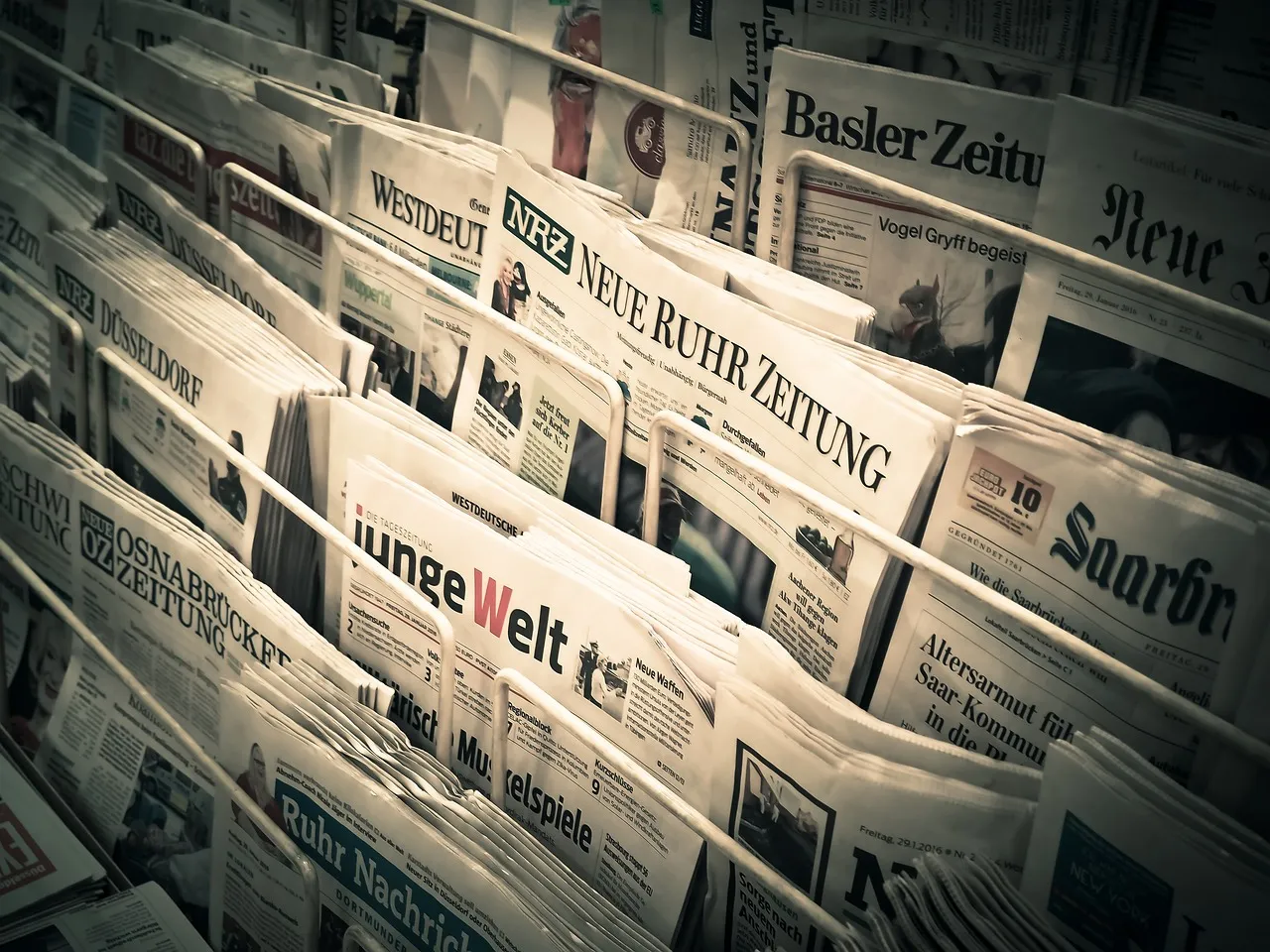
From Rawalpindi Streets to Parisian Pavements (Image Credits: Pixabay)
Paris’s Saint-Germain-des-Prés neighborhood – Ali Akbar’s booming calls of “Ça y est!” have greeted locals and visitors alike for over half a century on the Left Bank sidewalks.[1][2])
From Rawalpindi Streets to Parisian Pavements
Born into poverty in Rawalpindi, Pakistan, in 1952 or 1953 as the eldest of 10 children, Ali Akbar left school at 12 and took on odd jobs to support his family.[2]) At nearly 18, he embarked on a grueling journey, traveling through Afghanistan, Greece, and beyond before arriving in Paris in 1973.[1] An Argentine friend suggested he sell newspapers in the Latin Quarter, and he began hawking satirical titles like Charlie Hebdo near the Sorbonne, a stark contrast to the conservatism of his homeland.
Decades passed as Akbar built a life in France. He secured residency in the 1980s, married Aziza in an arranged ceremony back home, and raised five sons in a Paris suburb.[3] Through hardships – including sleeping rough under bridges to send money home – he fulfilled his dream of building a house for his mother.[4] His 2005 memoir captured this duality: I Make the World Laugh, but the World Makes Me Cry.
The Daily Rhythm of a Vanishing Trade
Akbar pedaled a secondhand bicycle through the 6th arrondissement’s cafés and brasseries, stacks of Le Monde under his arm, seven days a week for 10 hours daily, rain or shine.[1] Once one of dozens of hawkers selling up to 300 papers a day, he now moves about 20 to 40 copies, earning roughly 60 euros daily amid the digital news shift.[3]
His signature shout – “Ça y est!” – drew intellectuals like Jean-Paul Sartre, presidents such as Bill Clinton, and a young Emmanuel Macron.[4] Akbar parodied headlines with humor, fostering connections in a city where personal interactions grow rare. Customers praised his genuine interest: “He’s interested in you, and then you’re interested in him. And this is very rare now in the big cities,” said longtime patron Michel Mimran.[1]
Élysée Palace Ceremony Marks a Milestone
On January 28, 2026, President Emmanuel Macron pinned the insignia of Chevalier de l’Ordre National du Mérite – one of France’s highest civilian honors – onto Akbar at the Élysée Palace.[5] Macron hailed him as “the accent of the 6th arrondissement” and “the most French of the French – a Voltairean who arrived from Pakistan.”[1]
Visibly moved, Akbar exclaimed, “Ça y est, I’m a knight! I’ve made it.”[5] His wife and children watched as the 73-year-old received recognition for embodying French culture through perseverance. The president reportedly promised citizenship, though the palace offered no confirmation.[4]
A Beloved Fixture in a Changing City
Locals view Akbar as an institution; without him, Saint-Germain-des-Prés “wouldn’t be Saint-Germain-des-Prés,” noted lawyer Marie-Laure Carrière.[3] Post-ceremony, cheers erupted wherever he pedaled – strangers shouted “Félicitations, Ali!” and crowds chanted his name in brasseries.[1]
- Endured poverty and global travels to reach Paris.
- Mastered the art of street hawking amid declining print sales.
- Won hearts with humor and his iconic call.
- Served celebrities and everyday Parisians alike.
- Received knighthood as the last of his kind.
His son described the honor as a “bandage on old wounds.”[4] Akbar dismissed retirement: “It will have to wait until the cemetery.”[3]
Key Takeaways
- Akbar represents resilience, turning immigrant hardship into cultural icon status.
- His story highlights the fade of traditional news delivery in the digital era.
- The knighthood celebrates human connection over headlines.
Ali Akbar’s journey reminds us that one persistent voice can define a neighborhood’s soul. What do you think about this tribute to a street legend? Tell us in the comments.