Power Brokers Lead the Charge (Image Credits: Assets.realclear.com)
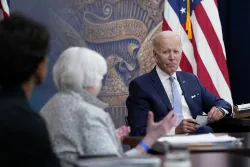
Washington, D.C. – Senior White House officials gathered Tuesday night at the Capitol Hill Club to refine messaging strategies aimed at bolstering President Trump’s agenda ahead of the 2026 midterm elections.[1][2]
Power Brokers Lead the Charge
Susie Wiles, White House chief of staff, hosted the closed-door session alongside deputy chief of staff James Blair and chief pollster Tony Fabrizio. The approximately two-hour meeting drew roughly 75 to 100 attendees, including top cabinet secretaries and their senior aides.[3] Political veterans filled the room for a buffet-style working discussion rather than a rally atmosphere.
Among the cabinet figures present were Scott Bessent, Howard Lutnick, Robert F. Kennedy Jr., and Sean Duffy. The mood stayed focused and methodical, reflecting awareness of the challenges ahead without descending into alarm.[3] President Trump did not attend, leaving the strategists to align the administration’s political apparatus.
Economy Takes Center Stage in Voter Concerns
Fabrizio delivered a presentation featuring about 25 slides on demographics, issue salience, and message testing. The clear headline emerged: the economy ranks as the dominant voter priority, surpassing topics like immigration or foreign policy.[3] Efforts to ease affordability drew particular emphasis, with polling underscoring its resonance.
Several messages tested well with key demographics, including men, moderates, independents, and Hispanic voters. The session highlighted the need for targeted outreach via podcasts, social media platforms like Facebook, Instagram, and TikTok, rather than traditional news interviews.[1][3]
- Banning stock trading by members of Congress
- Increasing transparency in health insurance pricing and claims
- Lowering prescription drug costs
- Protecting Trump-era tax cuts
- Addressing housing affordability, especially for younger voters
Confronting the Midterm Curse
James Blair followed with a stark review of historical trends, noting how the president’s party has lost House seats in nearly every midterm since World War II, often by dozens. Examples included 1994 under Bill Clinton, 2010 under Barack Obama, and 2018 during Trump’s first term.[3] Blair stressed the rarity of avoiding significant losses.
A recent special election in Tennessee’s 7th Congressional District served as a case study, where late messaging and grassroots efforts preserved a Republican hold. Blair emphasized that voters must personally feel economic improvements, as statistics alone fail to sway perceptions of family budgets.[4][3] The presentation also covered polling data and the 2026 electoral map, pinpointing 36 targeted House races and seven key Senate contests.
Cabinet Activation Amid Broader Pressures
The gathering urged cabinet members to serve as active surrogates, traveling to battlegrounds to promote the agenda. Republicans face defending Senate control and a slim House majority amid the president’s subdued approval ratings and voter economic pessimism.[1] Democrats have gained traction in recent off-year races by hammering affordability concerns.
Vice President JD Vance echoed the framing in a recent interview, pointing to the prior administration’s economic legacy and posing a choice between returning to past policies or continuing current leadership. Trump plans to amplify these themes at upcoming events, including a Georgia rally and the State of the Union address.[1]
Key Takeaways from the Session
- Economy and affordability dominate voter priorities.
- Targeted digital media outperforms traditional outlets.
- Cabinet surrogates must localize messaging to counter history.
As Republicans navigate these headwinds, the disciplined approach signals determination to shift the narrative toward tangible gains. Will economic messaging prove decisive in November? Share your thoughts in the comments.