Picture this: trees standing tall for millennia, their gnarled rings holding clues to droughts and temperature swings long before we had satellites or thermometers. These ancient giants in America’s forests aren’t just scenic wonders. They offer a front-row seat to climate history that modern data can’t touch.
Scientists turn to these living time capsules to decode patterns that shape our future. From arid deserts to misty redwood groves, the stories etched in wood surprise even experts. Let’s explore what these oldest trees are telling us.
Dendrochronology: Reading Nature’s Calendar
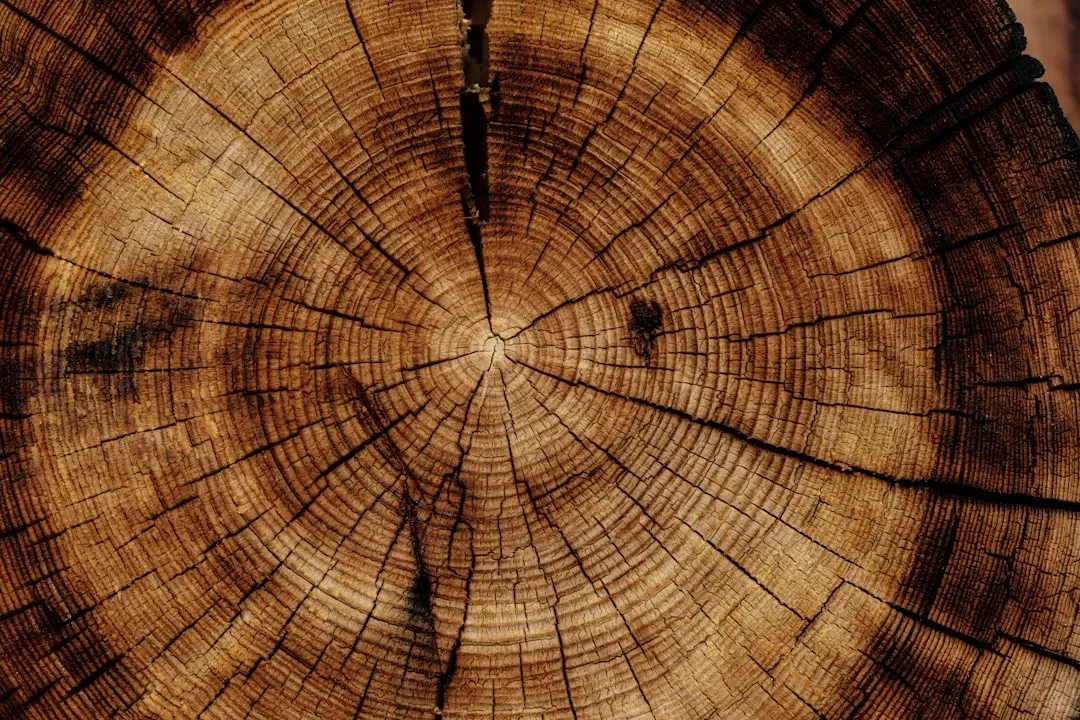
Tree-ring analysis, or dendrochronology, lets scientists reconstruct past climates year by year. It’s one of the most reliable natural archives because each ring marks a season’s growth. Narrow rings signal tough years, while fat ones mean plenty of rain and mild temps.
This method gives annual precision unmatched by ice cores or sediments. Researchers match patterns across trees to build timelines spanning thousands of years. Honestly, it’s like flipping through nature’s detailed diary.
Bristlecone Pines: Survivors Over 4,800 Years Old
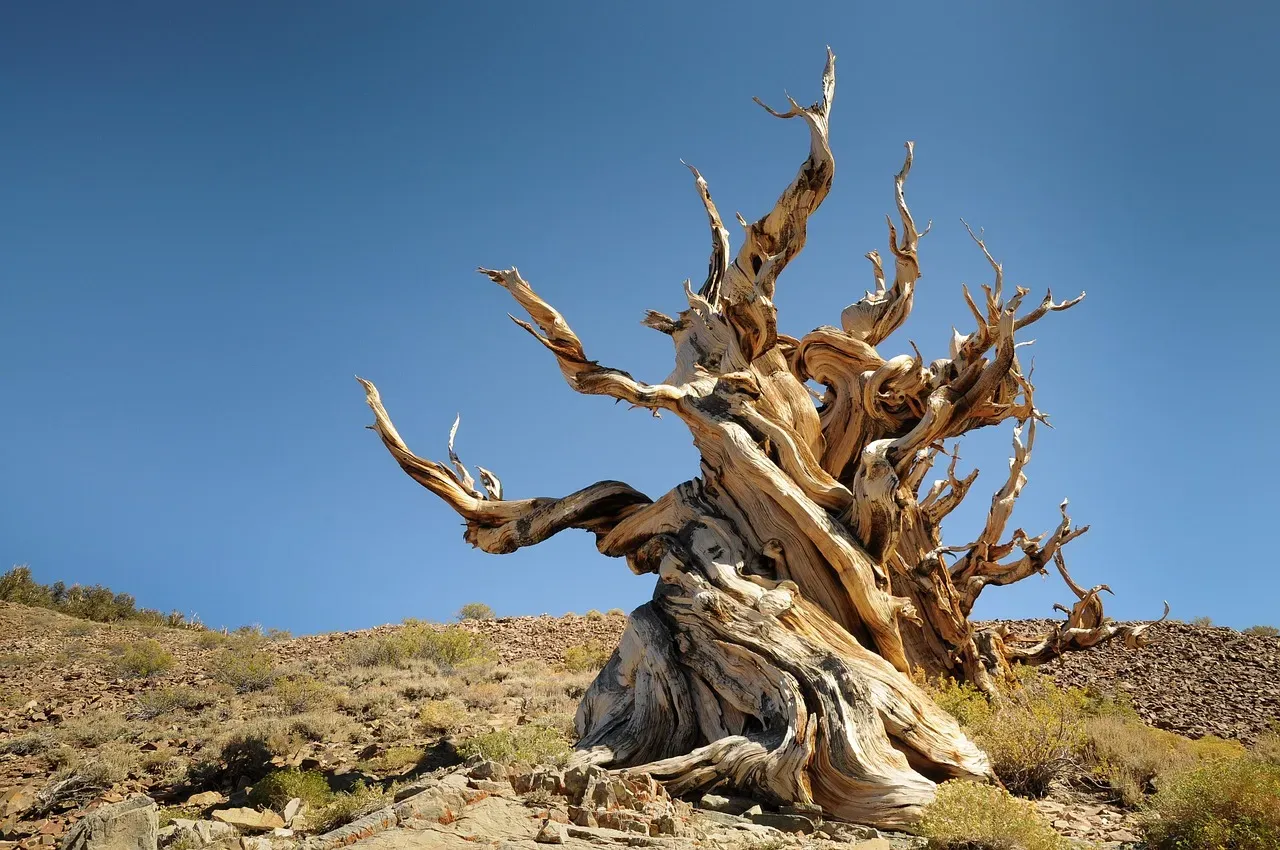
In California’s Bristlecone Pine Forest, some trees have lived over 4,800 years, the oldest on Earth. These twisted sentinels endure harsh conditions, recording climate shifts in their wood. They’re goldmines for long-term data no other source provides.
Studied extensively, they reveal how high-altitude pines cope with cold snaps and dry spells. Their slow growth preserves every detail. I find it wild that one tree outlasted entire empires.
Revealing North America’s Drought History
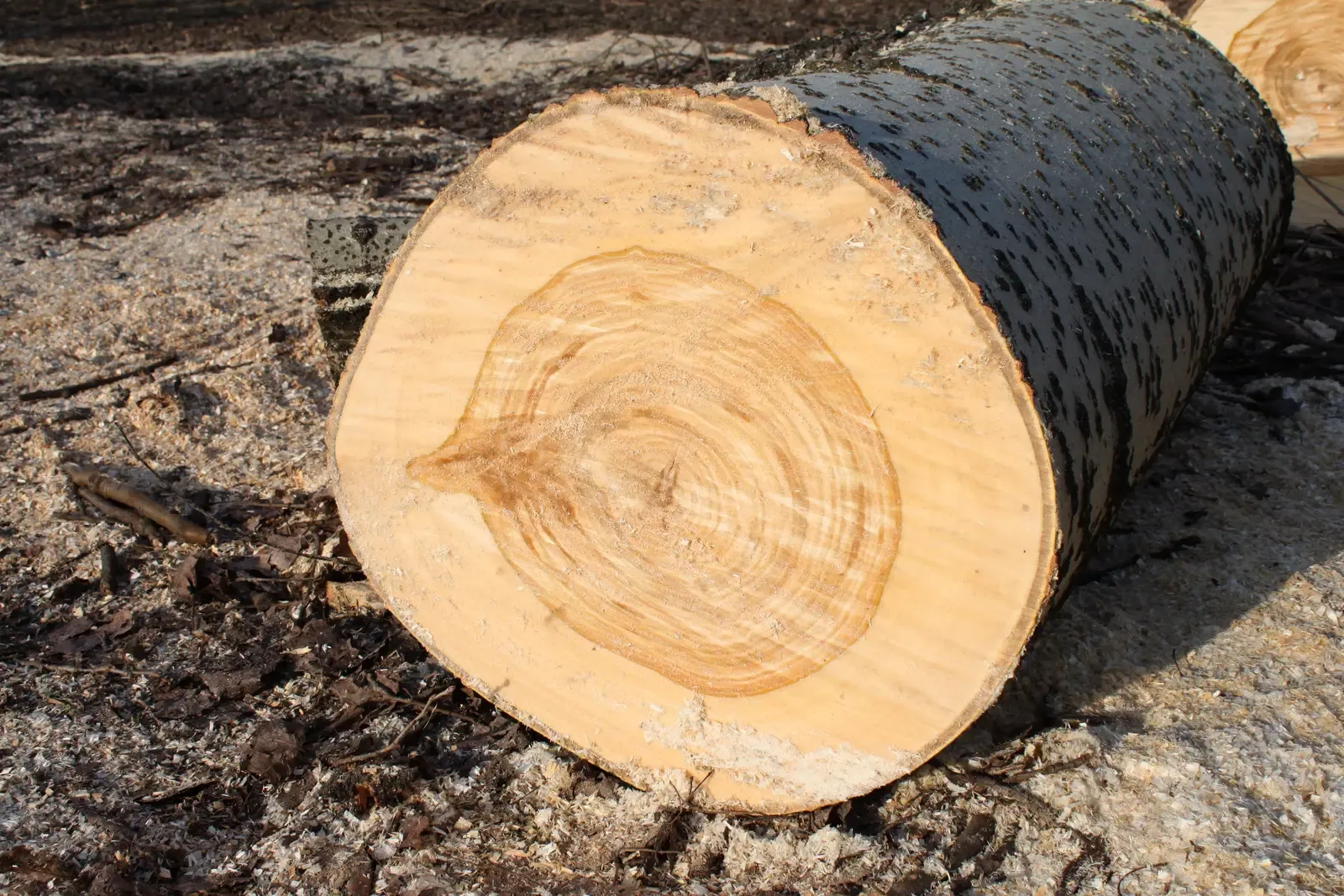
U.S. Geological Survey research shows tree rings uncover drought patterns across North America over thousands of years. These records highlight cycles we might otherwise miss. They prove droughts aren’t new but vary wildly in intensity.
By comparing rings from different regions, scientists map continent-wide events. This helps spot trends in water scarcity. It’s eye-opening how past dry spells mirror today’s challenges.
Confirming the West’s Megadrought
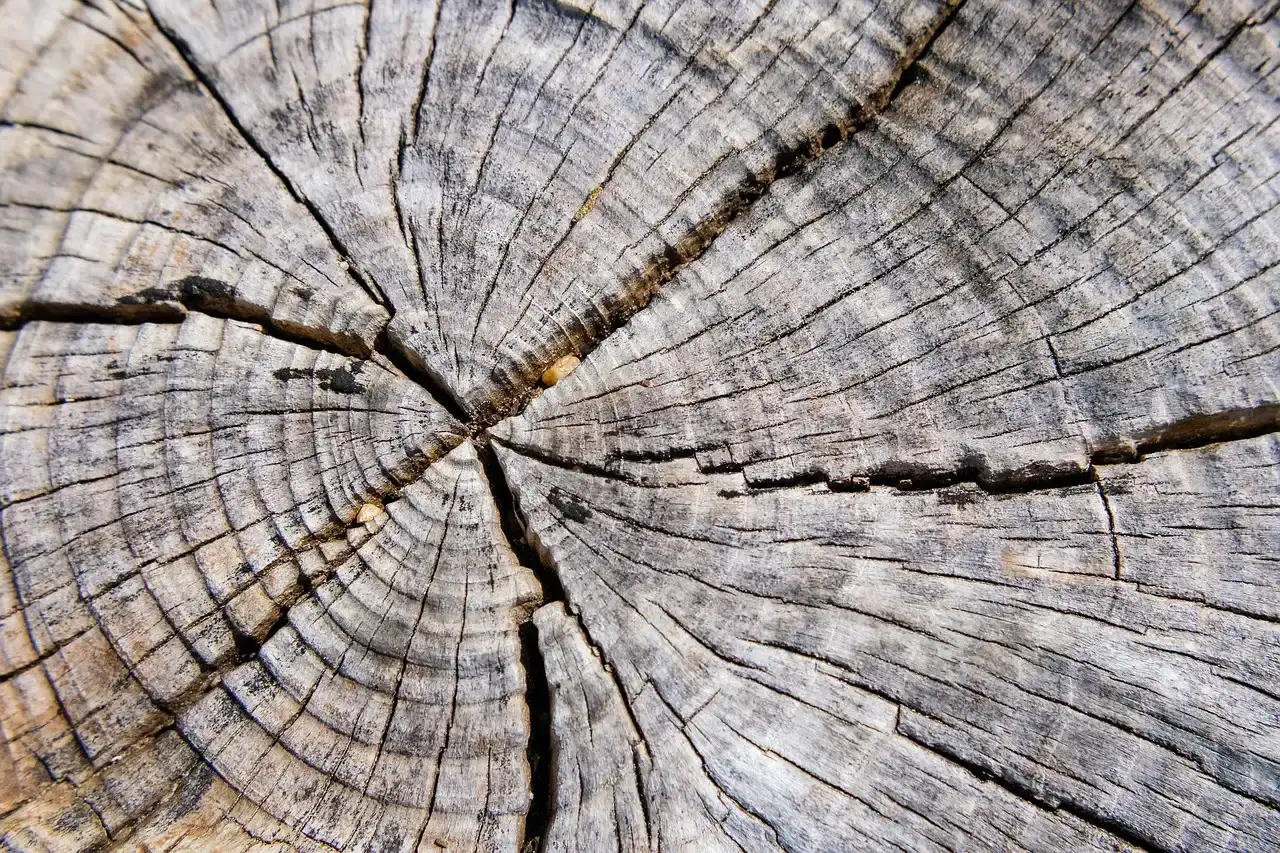
A 2024 study in climate journals used western U.S. tree rings to verify the ongoing megadrought as the worst in 1,200 years. Data from ancient trees show current conditions outstrip even medieval dry periods. This isn’t hype; the rings don’t lie.
Narrow growth bands since the late 20th century confirm human influence amplifying natural lows. Researchers cross-checked with multiple sites for accuracy. Such findings push us to rethink water management.
Validating Climate Models with Tree Data
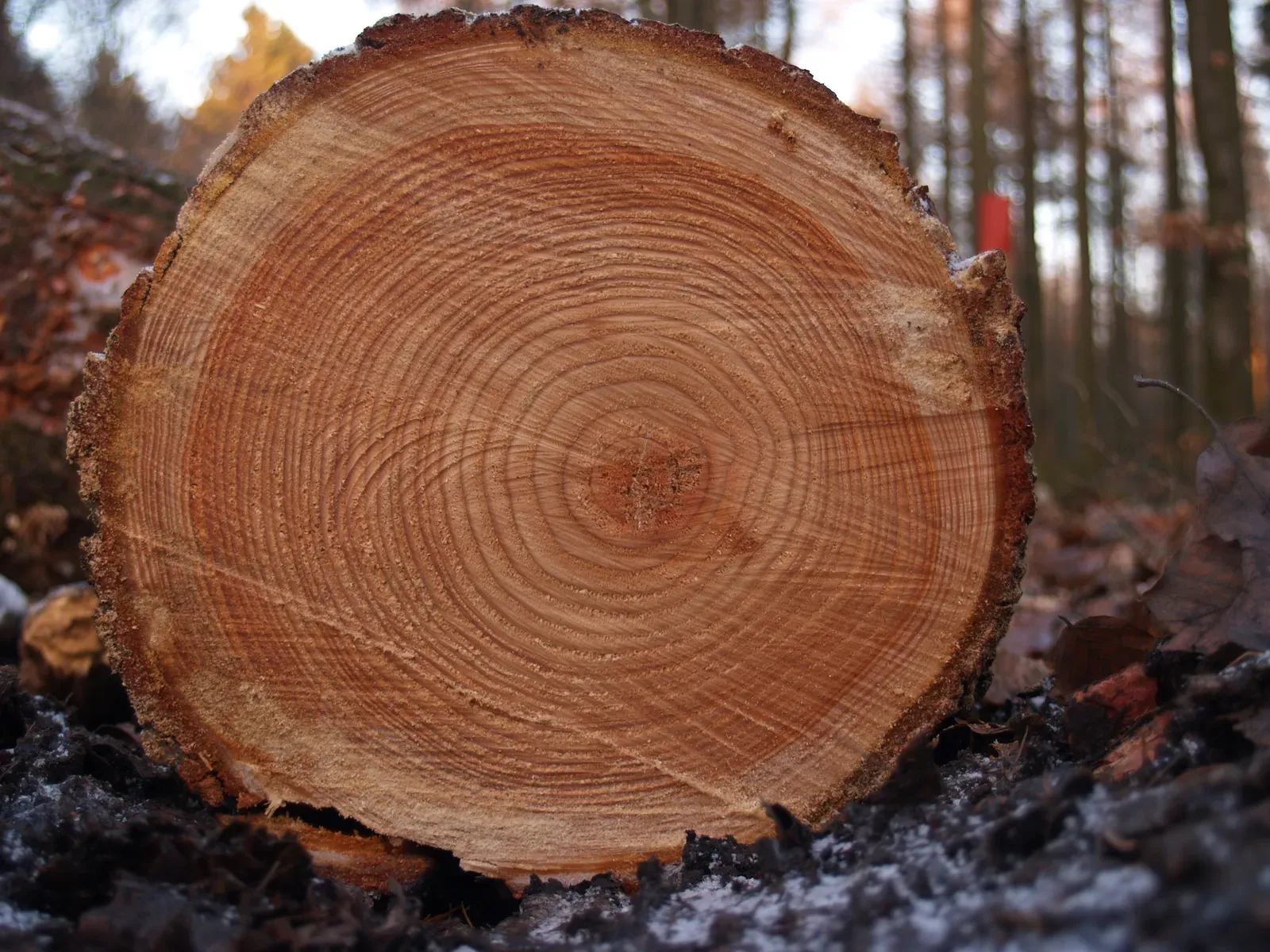
National Oceanic and Atmospheric Administration emphasizes tree-ring data for checking climate models against pre-instrument eras. These archives reveal natural variability before 1900. Models tuned with this info predict better.
Without trees, we’d guess at baselines. Now, simulations match historical swings more closely. It’s a game-changer for forecasting temperature shifts.
Redwoods and Sequoias: Carbon Powerhouses
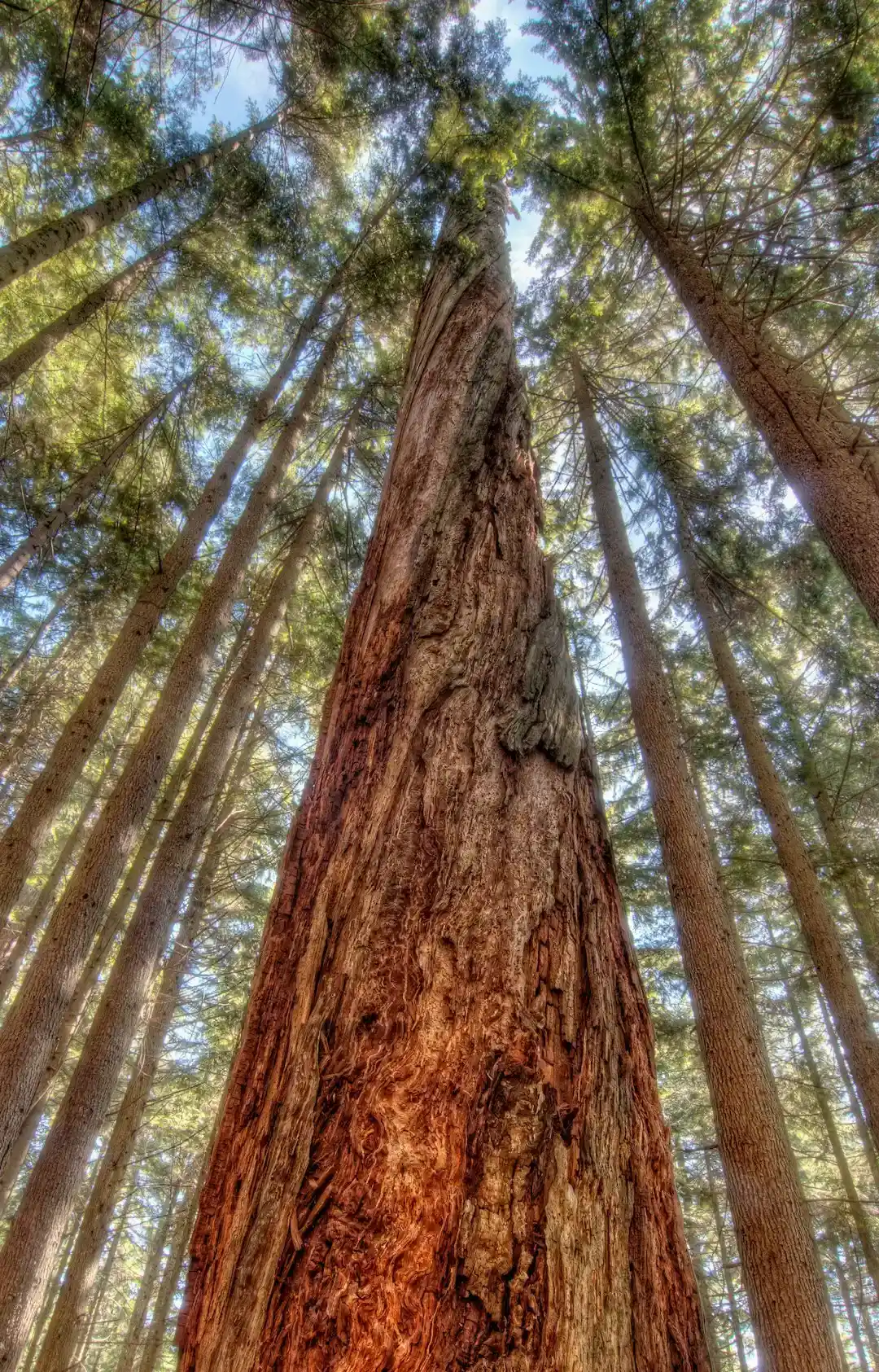
Ancient redwoods and sequoias in Sequoia National Park lock away carbon for centuries. Old-growth forests stabilize climate by storing vast amounts. Their rings also track growth responses to changing CO2 levels.
These giants sequester more per acre than young stands. Protecting them preserves both carbon sinks and climate records. Losing them would be a double blow.
Spotting Climate Stress in Ring Patterns
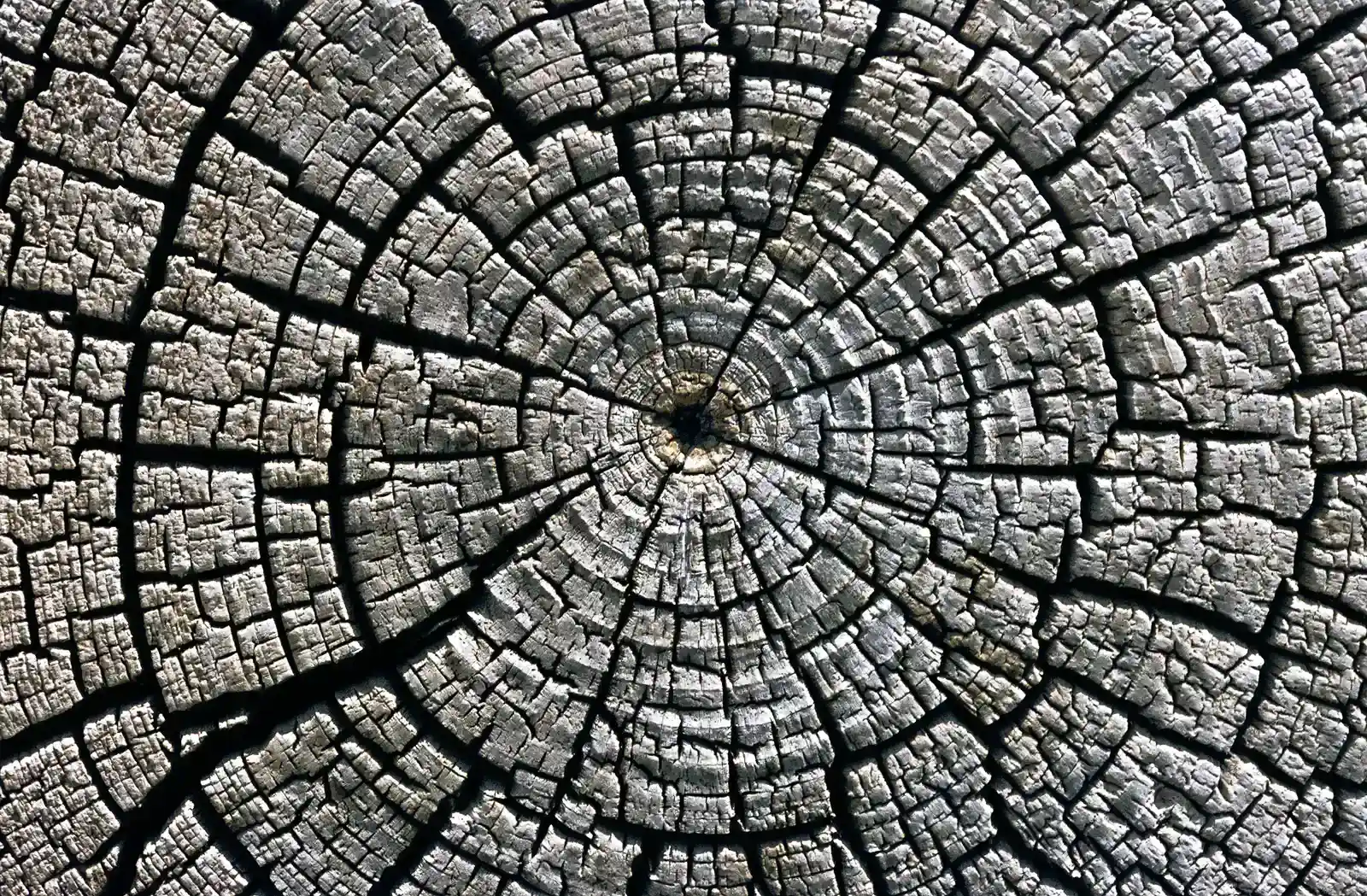
Studies from 2023 to 2025 note narrow rings during droughts and wider ones in wet years as clear stress signals. This pattern holds across species, offering environmental snapshots. It’s straightforward science with big implications.
Temperature shifts show up too, with denser wood in hotter, drier times. Researchers quantify these for trend analysis. The clarity in those bands still amazes me.
Why Protect Old-Growth Forests?
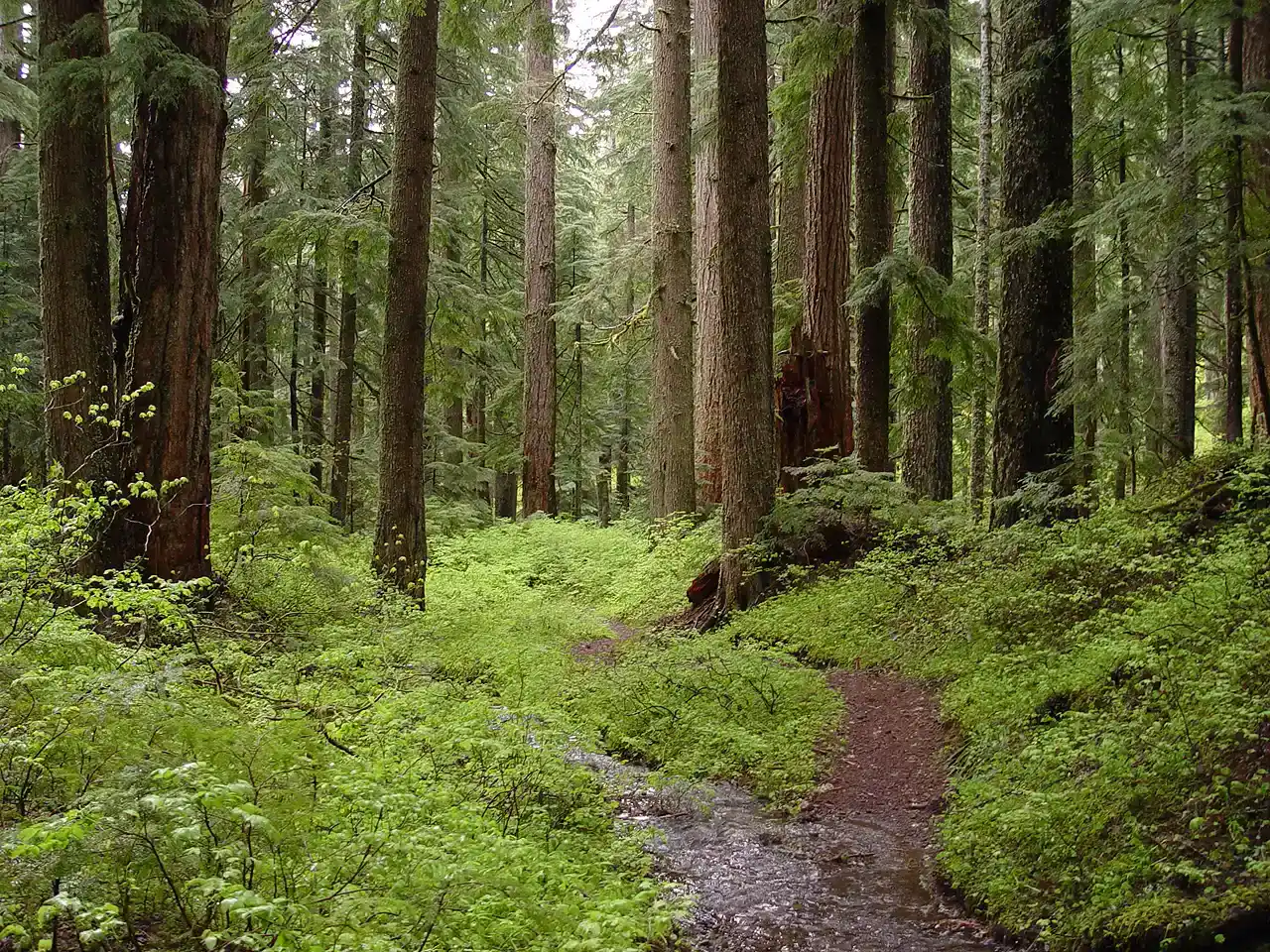
National Park Service stresses that old-growth forests hold irreplaceable climate records absent in younger woods. These trees archive events spanning human history. Cutting them erases data we can’t recreate.
Preservation ensures ongoing monitoring of long-term patterns. It’s not just ecology; it’s safeguarding scientific heritage. Short-term gains pale against that loss.
Tree Rings and Wildfire Connections
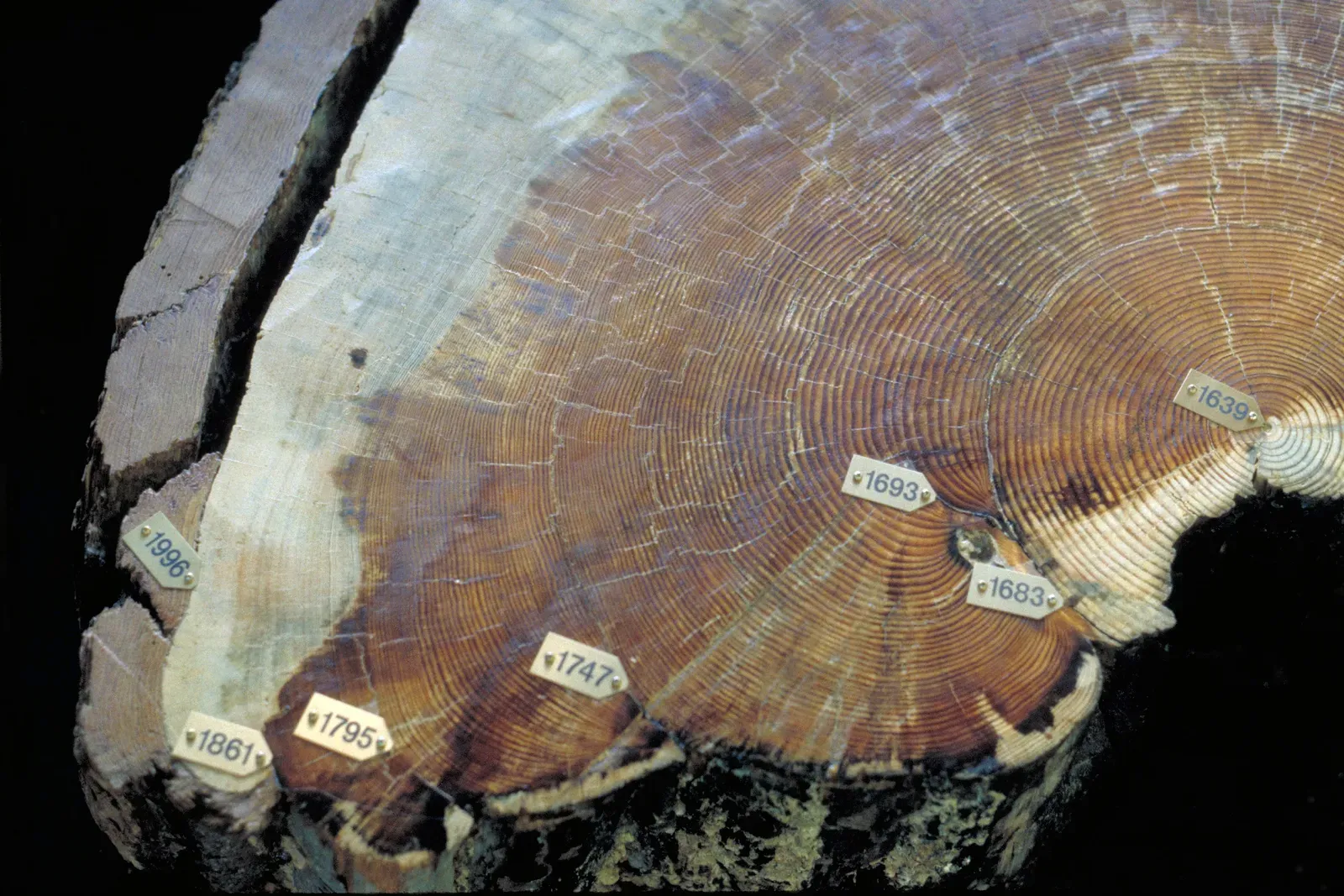
Reconstructions link past climate shifts to wildfire upticks during prolonged dries. Tree rings show recovery lags after big burns. This ties drought cycles directly to fire risk.
Recent analysis confirms more frequent scars in dry eras. Understanding this improves prediction models. Forests today echo those ancient warnings.
Trees as Living Climate Archives
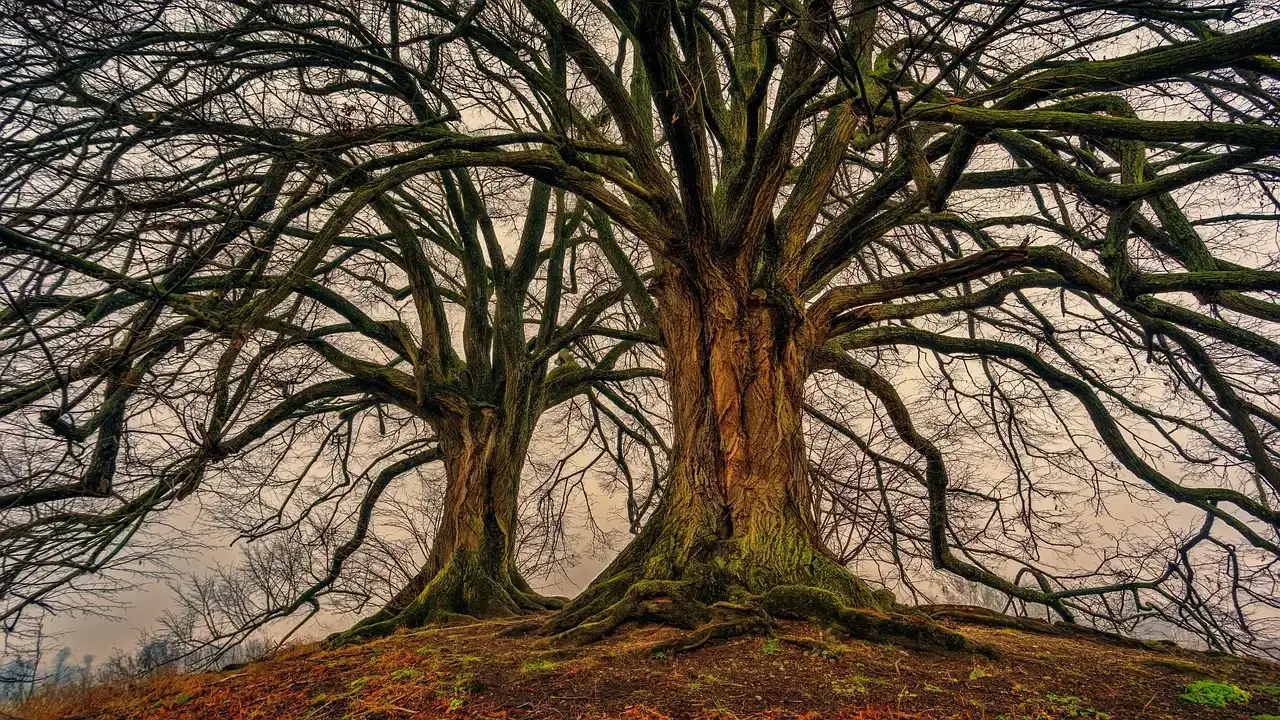
Forest monitoring research calls long-lived trees “living climate archives” for projecting water and resilience. They inform future ecosystem health. Data from them sharpens scarcity forecasts.
By blending past with present, scientists gauge tipping points. These trees bridge eras seamlessly. Their secrets guide us forward.