Something strange is happening along the American coastline. Beaches that were wide and welcoming just a decade ago are now skinny strips of sand, or in some cases, gone entirely. Homes are literally sliding into the ocean. Parking lots are crumbling off clifftops. And in North Carolina, families watched their houses collapse into the Atlantic almost one after another.
This isn’t just a dramatic headline. It’s a slow, compounding crisis that scientists, coastal managers, and everyday beachgoers are grappling with right now. The causes are many, the timelines are accelerating, and the stakes stretch far beyond a ruined summer vacation. So let’s get into it.
The Scale of the Problem Is Bigger Than Most People Realize
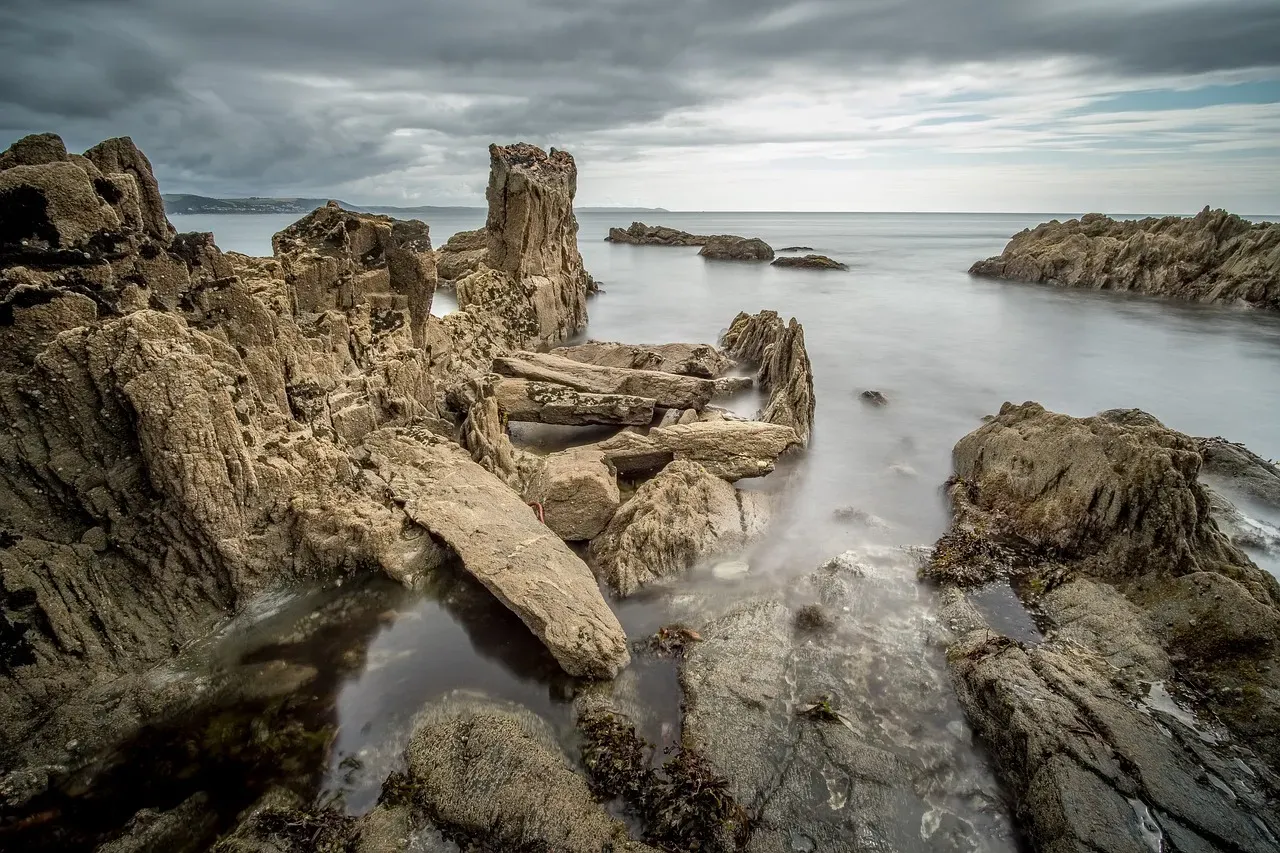
Here’s the thing most people don’t appreciate until they actually see the data. More than half of America’s sandy beaches could be lost by 2100 due to climate-driven sea level rise. That’s not a fringe prediction from a fringe group. The Surfrider Foundation’s 2025 State of the Beach Report confirmed it, and it arrived just as coastal communities were watching the consequences unfold in real time.
The 2025 State of the Beach Report documented accelerating coastal destruction across the United States, arriving as climate impacts intensified nationwide, with homes collapsing into the ocean, infrastructure failures mounting, and beach access threatened in communities that generate billions in tourism revenue. Think about that for a moment. These are not distant, uninhabited shorelines. These are vacation destinations, family towns, and economic engines.
Sea Levels Are Rising Faster Than the Headlines Suggest
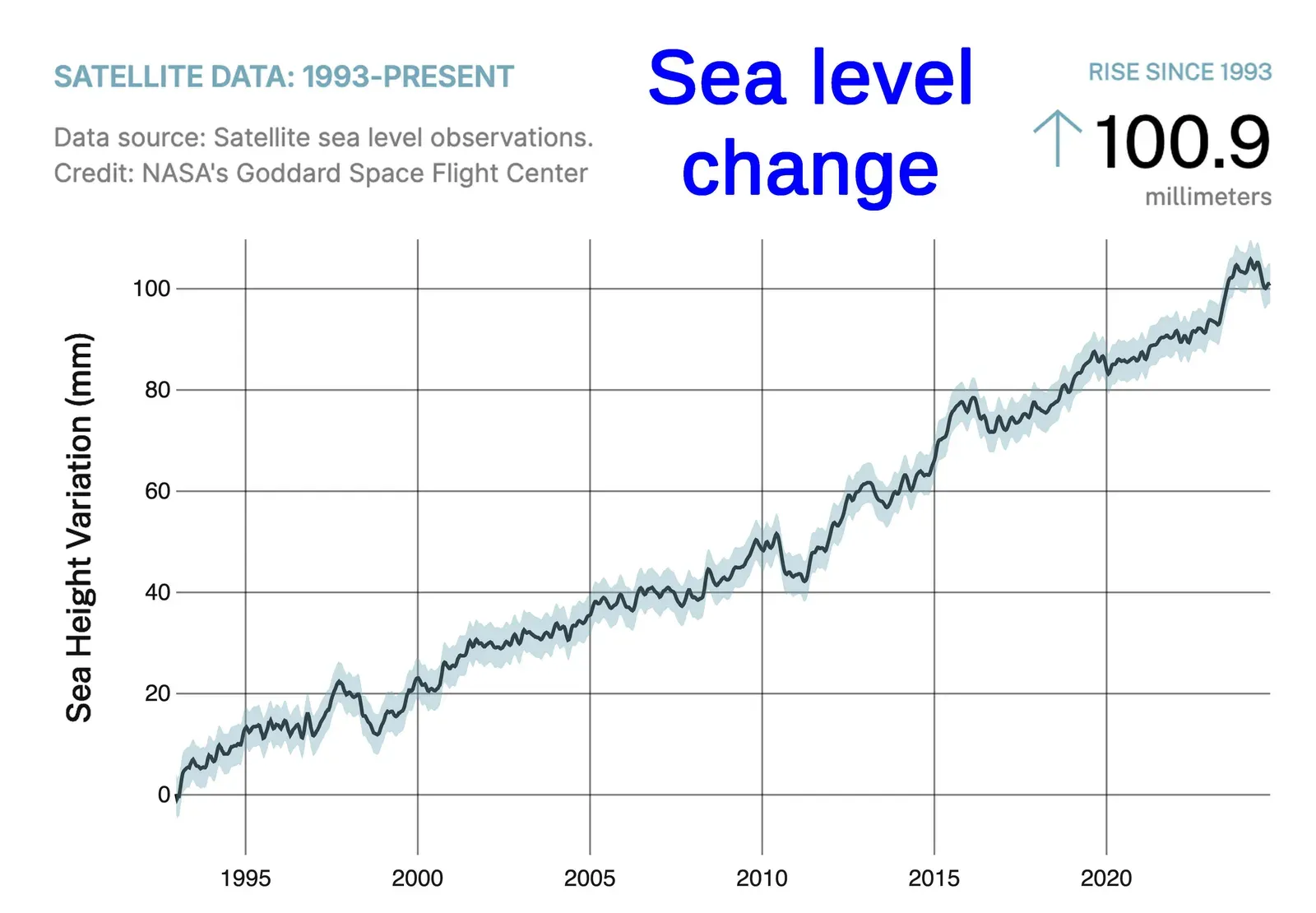
NOAA projects that sea levels along the U.S. coastline will rise an additional 10 to 12 inches by 2050, with specific amounts varying regionally, mainly due to land height changes. That might not sound like much. But think of it this way: even a slight increase in the baseline water level turns what used to be a rare flooding event into something that happens every year, or every month.
The global mean water level in the ocean rose by 3.6 millimeters per year from 2006 to 2015, which was two and a half times the average rate throughout most of the twentieth century. The pace is not staying constant. It’s speeding up. Meanwhile, high-tide flooding is now between 300% and more than 900% more frequent than it was 50 years ago. That’s the kind of statistic that should stop you mid-sentence.
Hurricanes Are Hitting Harder and Stripping Sand Faster
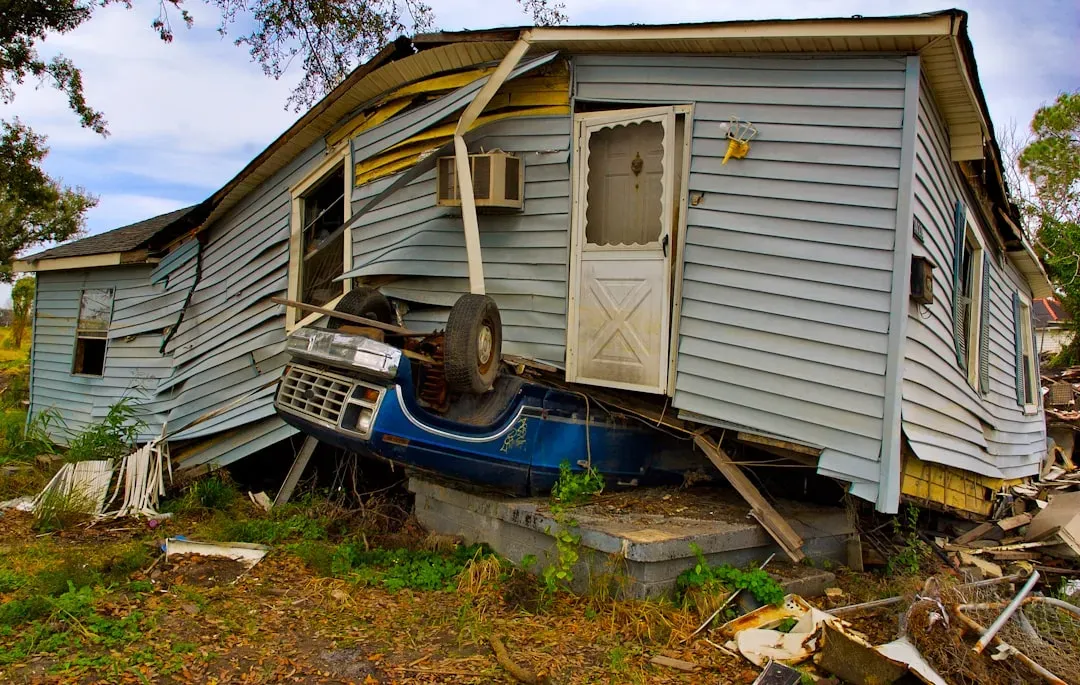
The 2024 Atlantic hurricane season saw 18 named storms, with 11 becoming hurricanes and five intensifying into major storms, with five hurricanes making landfall in the continental U.S., two of them being major cyclones. That’s not a fluke year. It’s becoming the new baseline for what a hurricane season looks like.
Powerful Hurricane Helene made landfall on the Florida Gulf Coast as a Category 4 storm in September 2024, causing catastrophic flooding across the southern Appalachians, widespread wind damage, and storm surge flooding along portions of western Florida. Hurricane Milton then made landfall as a Category 3 hurricane near Siesta Key in October 2024, and its rate of rapid intensification, a 90-mile-per-hour increase in wind speed over just 24 hours, was among the highest ever observed. Two devastating storms, one season, back to back.
Over 70% of Sandy Shorelines Are Already Eroding
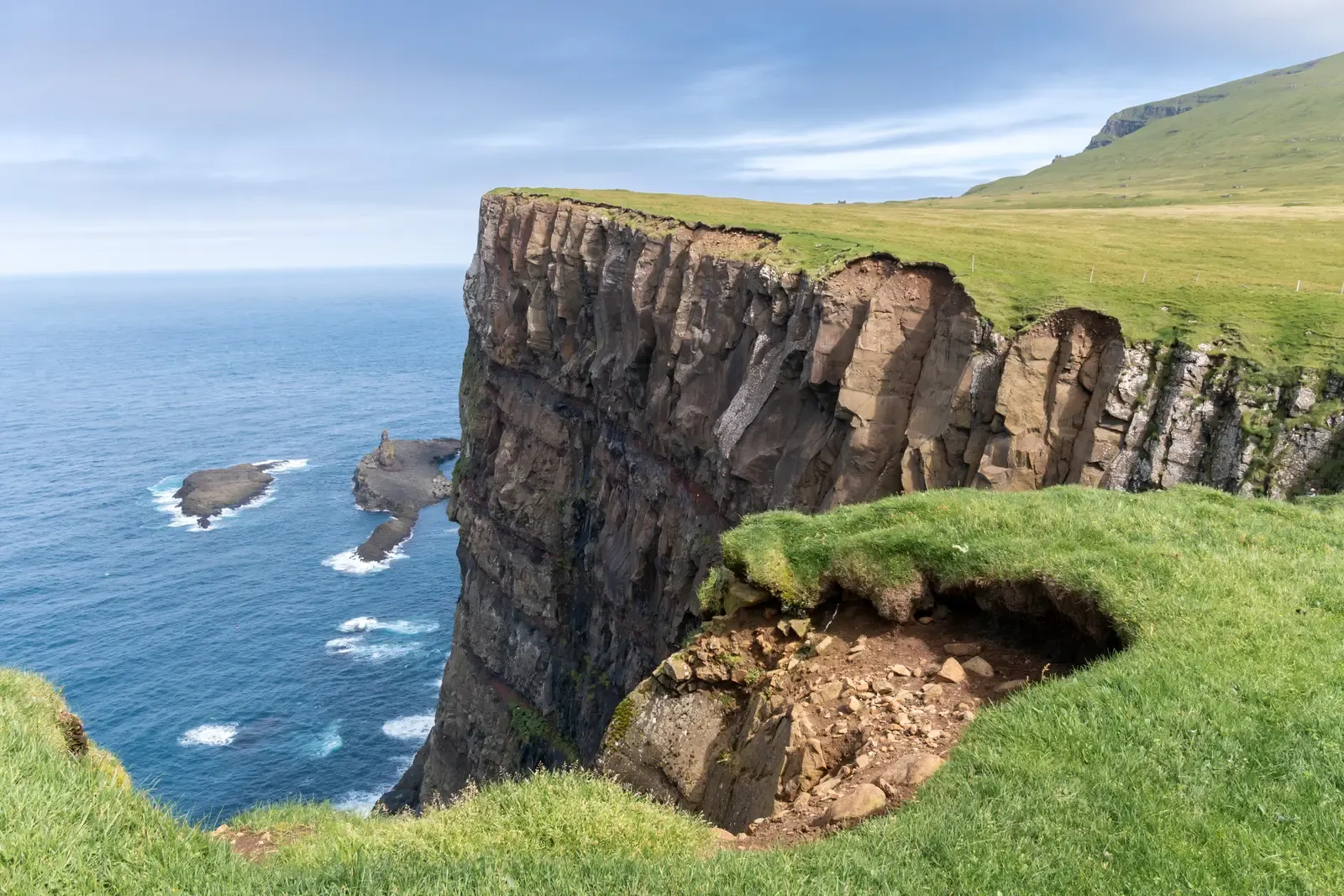
Honestly, this statistic alone should be front-page news every week. According to the U.S. Geological Survey, over roughly two thirds of sandy shorelines in parts of the United States are actively eroding. While coastal erosion affects all regions of the U.S., erosion rates and potential impacts are highly localized, with average coastline recession rates of 25 feet per year not uncommon on some barrier islands in the Southeast, and rates of 50 feet per year occurring along the Great Lakes.
Severe storms can remove wide beaches, along with substantial dunes, in a single event. That’s it. One storm. Years of gradual build-up, gone in a weekend. In the United States, coastal erosion is responsible for roughly $500 million per year in coastal property loss, including damage to structures and loss of land. The financial wound is constant and bleeding.
Barrier Islands Are Among the Most Vulnerable Places on Earth
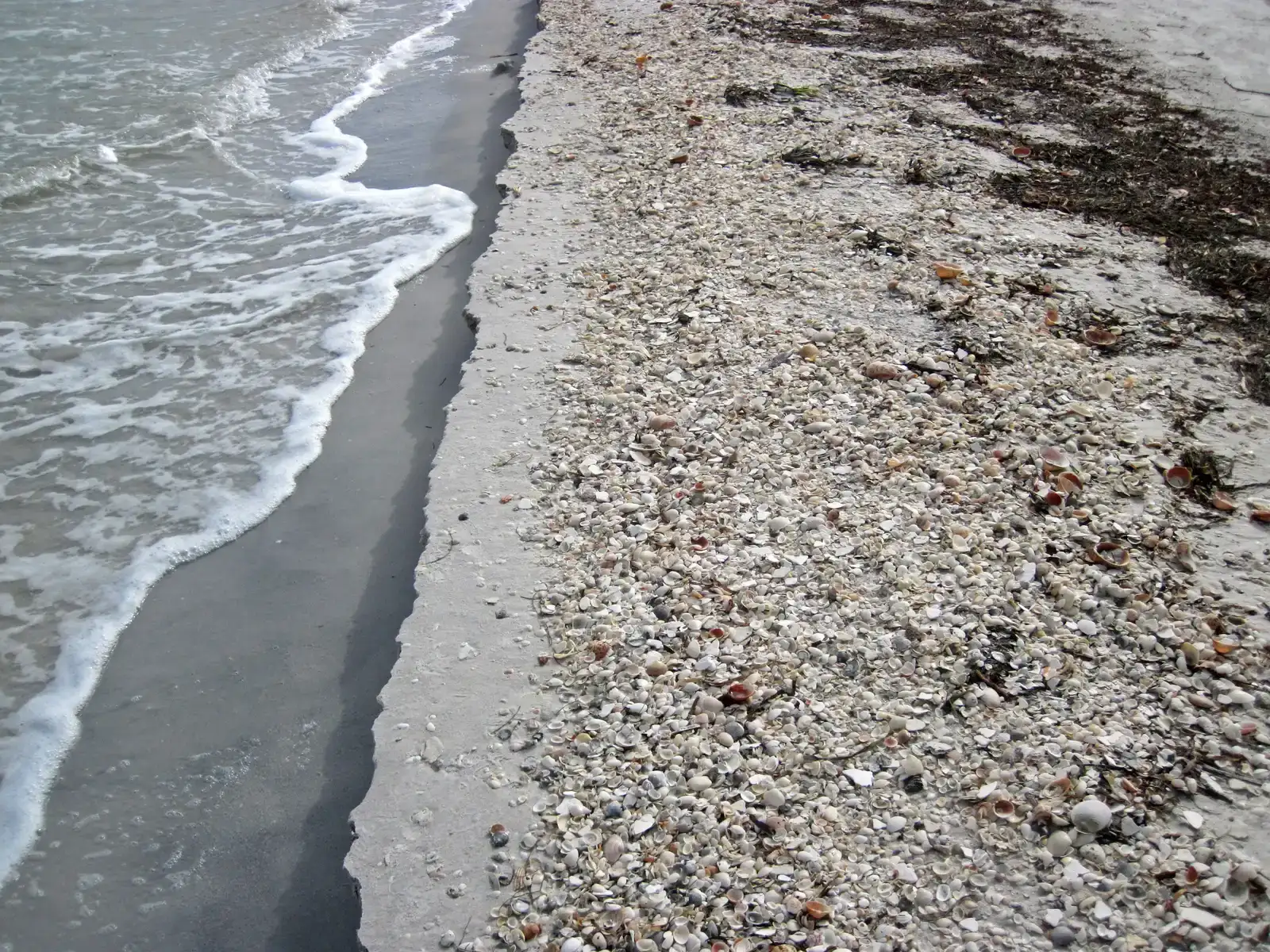
A U.S. Geological Survey study projects that rising sea levels and stronger, more intense storms will exacerbate coastal hazards for barrier islands, those slivers of sand so popular with visitors and vital to protecting mainland communities. People love vacationing on barrier islands without realizing how inherently fragile they are. They’re not permanent landforms. They shift, migrate, and can disappear.
Accelerating sea level rise and changing storm patterns will increasingly expose barrier islands to hazards including flooding, erosion, and rising groundwater, and without intervention, flooding and erosion will be pervasive across barrier islands over the next century. Just in one recent week, nine homes collapsed into the ocean in Buxton, North Carolina, making 21 total on Hatteras Island in the last five years. That’s not erosion. That’s collapse.
Human Development Has Made Everything Dramatically Worse
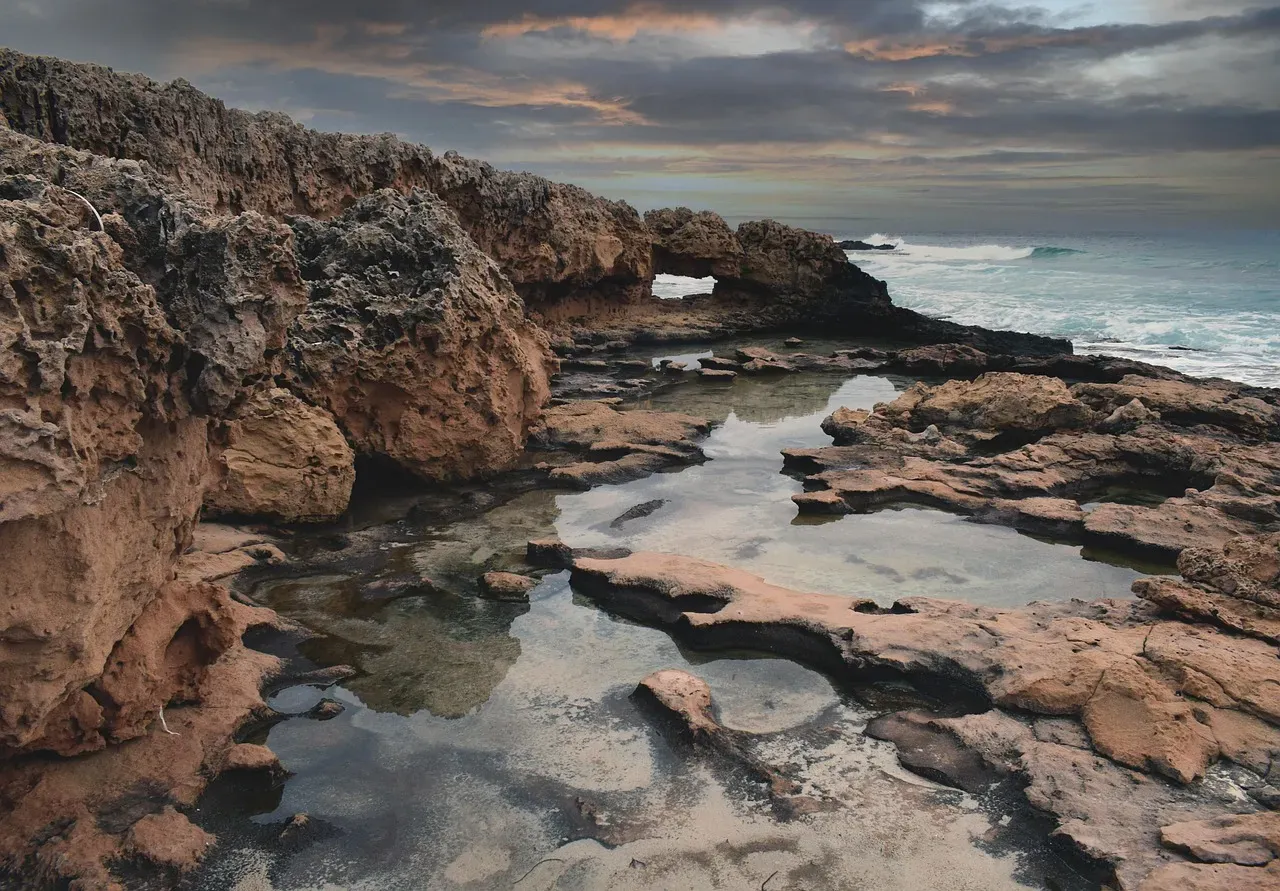
Rampant private development in coastal areas continues, encroaching on eroding beaches and contributing to what is known as “coastal squeeze.” Where beaches would naturally migrate inland in response to rising seas, development like buildings, roads, and seawalls blocks their path. Normally, these natural areas would shift to survive, but when trapped, they gradually narrow, erode, or disappear altogether.
Beaches had stayed relatively stable for around 6,000 years, which led people to believe they were more durable than they actually are, resulting in houses, roads, and infrastructure being built along the coastline, on top of sand dunes and wetlands. Now, after decades of sand starvation, coastlines are receding, and the way communities live on the coast is proving unsustainable. We essentially built permanent structures on top of a system that was always meant to move.
Seawalls: The “Fix” That’s Making Things Worse
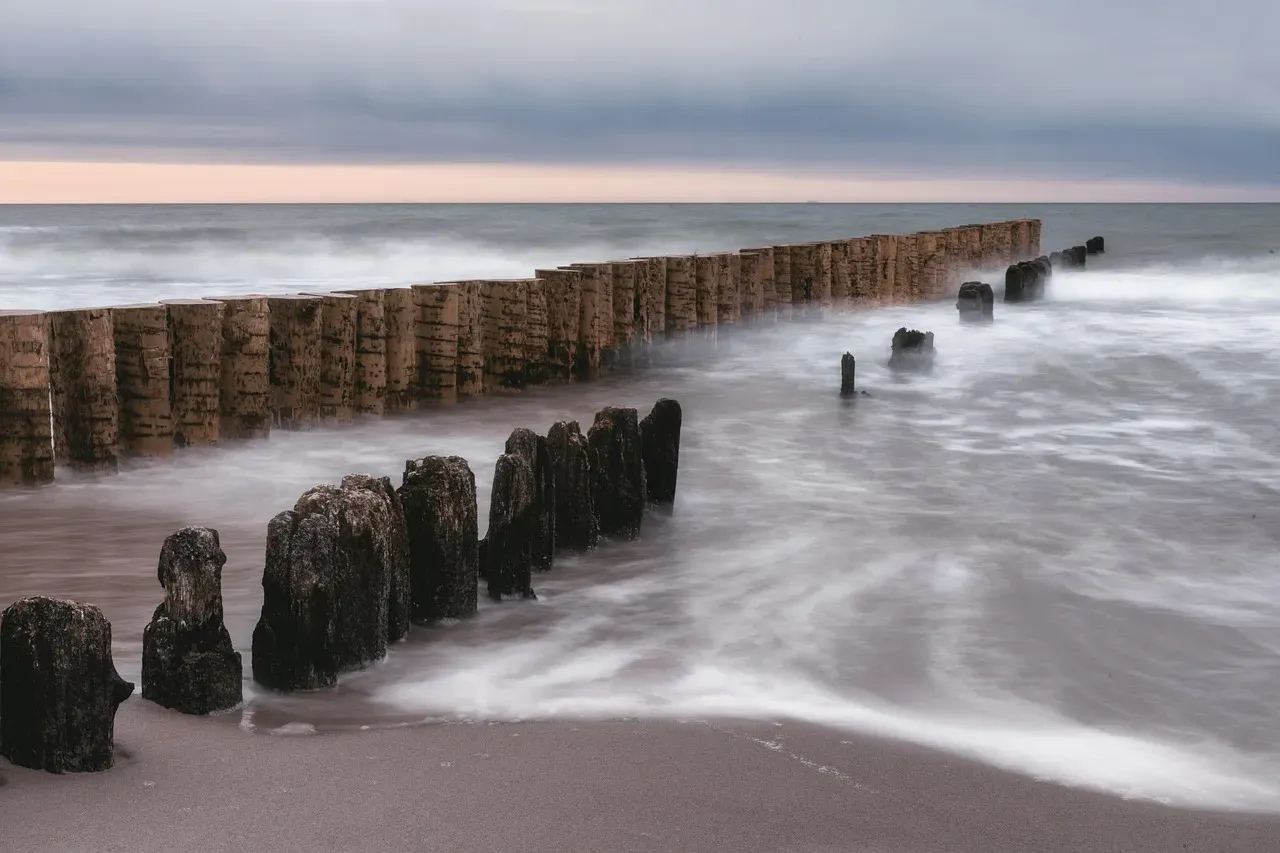
Here’s where it gets genuinely ironic. The most common response to beach erosion, building hard structures like seawalls, actually makes the problem worse in many situations. As understanding of natural shoreline function improves, there is growing acceptance that structural solutions may cause more problems than they solve. Structural projects interfere with natural water currents and prevent sand from shifting along coastlines, cause erosion to adjacent beaches and dunes, and can result in the unintended diversion of stormwater and waves onto other properties.
When waves hit a smooth, solid seawall, the wave is reflected back towards the ocean. This can make matters worse, as the backwash takes beach sand with it. Both the beach and the surf may disappear. Seawalls can also cause increased erosion in adjacent areas of the beach that do not have seawalls. So you protect your section, and your neighbor loses theirs. It’s a zero-sum game played with sand.
Beach Nourishment Is Costing Billions and Offering Only Temporary Relief
Coastal erosion is responsible for roughly $500 million per year in coastal property loss, and the federal government spends an average of $150 million every year on beach nourishment and other shoreline erosion control measures. More than 80,000 acres of coastal wetlands are also lost annually, the equivalent of seven football fields disappearing every hour of every day. Let that sink in. Seven football fields. Every hour.
The spending is staggering at the local level too. In 2025, Isle of Palms in South Carolina spent about $400,000 on renourishment, while Sullivan’s Island spent $646,000 to deposit 20,000 dump truck loads of sand. A mid-October nor’easter then washed away half of that sand. Adding sand to a beach does not guarantee it will stay there. Some communities bring in huge volumes of sand repeatedly, only to see it wash out to sea in the next season’s storms. It’s like filling a bathtub with the drain open.
California’s Coastline Is Fighting Its Own Losing Battle
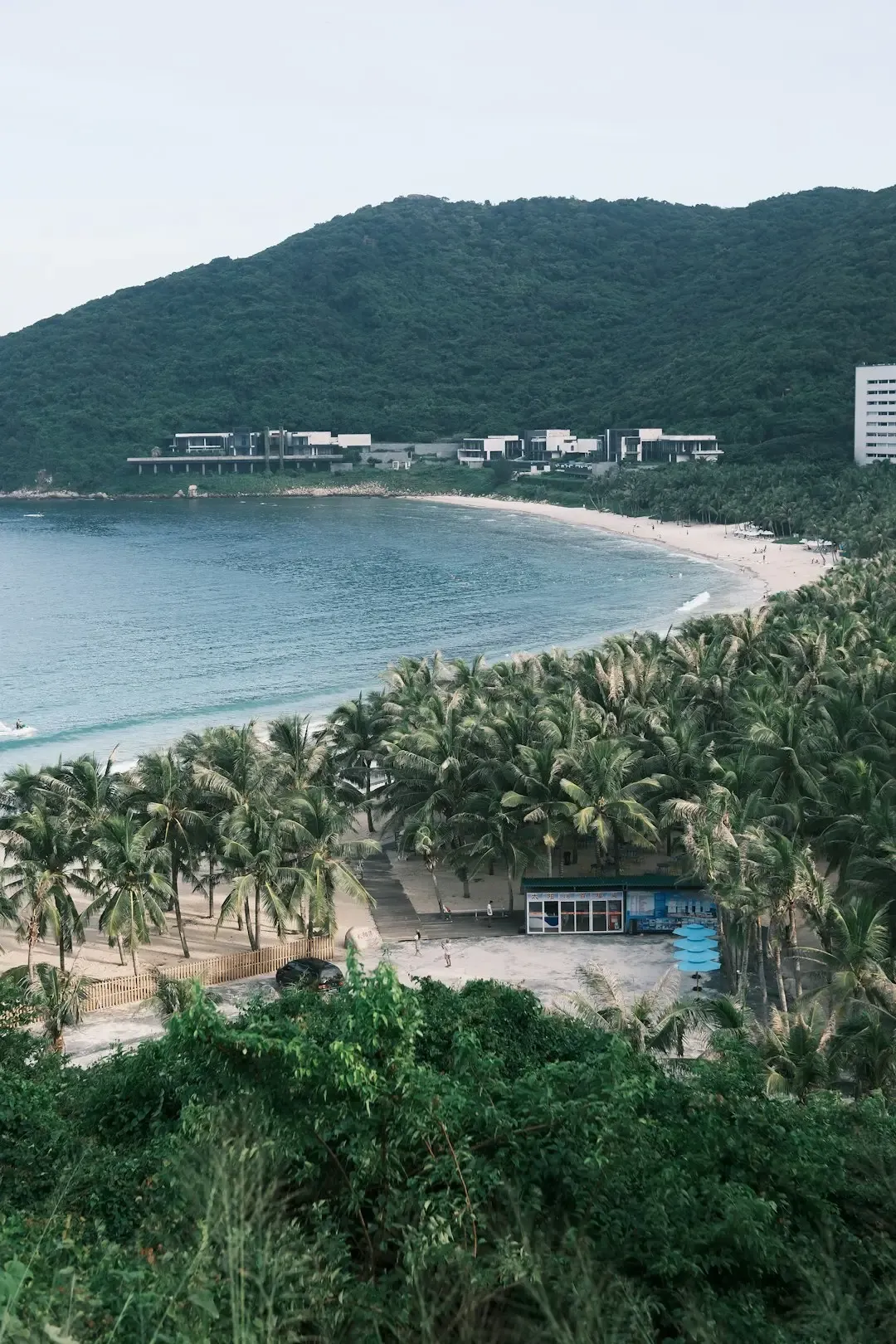
The West Coast story is different in detail but equally alarming. A U.S. Geological Survey study shows that up to two thirds of Southern California’s beaches could disappear by 2100 if sea levels rise between 3 and 6 feet, which the State of California Sea-Level Rise Guidance Document considers likely. That’s an enormous stretch of iconic coastline, from Santa Barbara down to San Diego, facing potential obliteration within this century.
Shorelines across Southern California are expected to shrink by just over 6.9 feet per year by 2025 and 10.5 feet per year by 2100, according to predictions published in the Communications Earth and Environment scientific journal in 2024. Retreating coastlines threaten not only California’s identity but also its economy, with visitor spending reaching $135 billion in 2022, largely driven by the appeal of its beaches. The economic implications are enormous and largely underappreciated.
The Human and Ecological Cost Goes Far Beyond Lost Sunbathing Spots
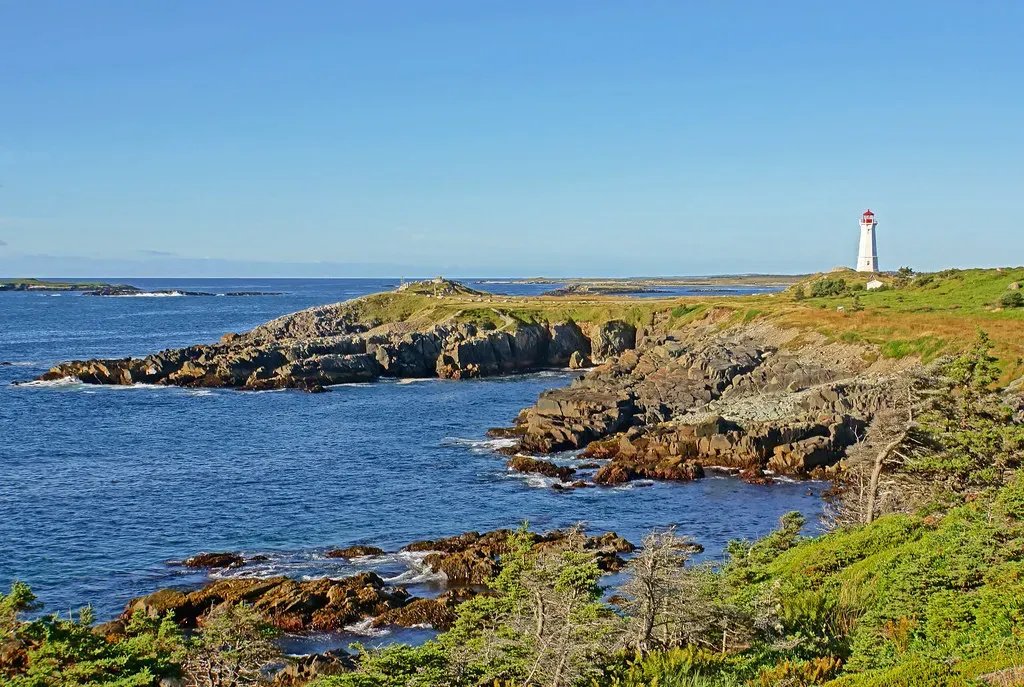
It would be easy to dismiss this as a problem for beach lovers and beachfront property owners. But the consequences reach much further. Coastlines worldwide are collapsing under the combined pressure of rising seas and expanding human development, threatening biodiversity, coastal economies, and the very stability of shoreline cities. This ongoing process damages the diverse life that depends on sandy environments, disrupts local economies that rely on fishing and tourism, and leaves coastal cities more exposed to encroaching waters.
The lack of sand harms coastal economies reliant on tourism, as tourists are less likely to return to areas without a beach. Additionally, shipping could slow down due to lost ports, and fishing and agriculture could be devastated by extreme weather events that destroy beaches and wetlands. We’re talking about supply chains, jobs, ecosystems, and entire ways of life that depend on healthy coastlines staying in place. In the United States, almost 40 percent of the population lives in relatively high-population-density coastal areas, where sea level plays a role in flooding, shoreline erosion, and hazards from storms. This is not a niche issue. It belongs to almost half the country.
Conclusion: The Clock Is Ticking, and the Tide Is Literally Coming In
What’s happening to America’s beaches is not a mystery, and it’s not sudden, even if it feels that way. It’s the result of decades of warming oceans, accelerating sea level rise, intensifying storms, and human development in places that were never meant to hold permanent structures. The science is clear, the trends are accelerating, and the solutions, where they exist, are expensive, slow, and often only temporary.
The real question is not whether beaches will continue to disappear. Many will. The question is what communities, governments, and individuals are willing to do about it, and how fast. Nature doesn’t negotiate deadlines. What do you think should be done to protect America’s coastlines before it’s too late? Share your thoughts in the comments below.