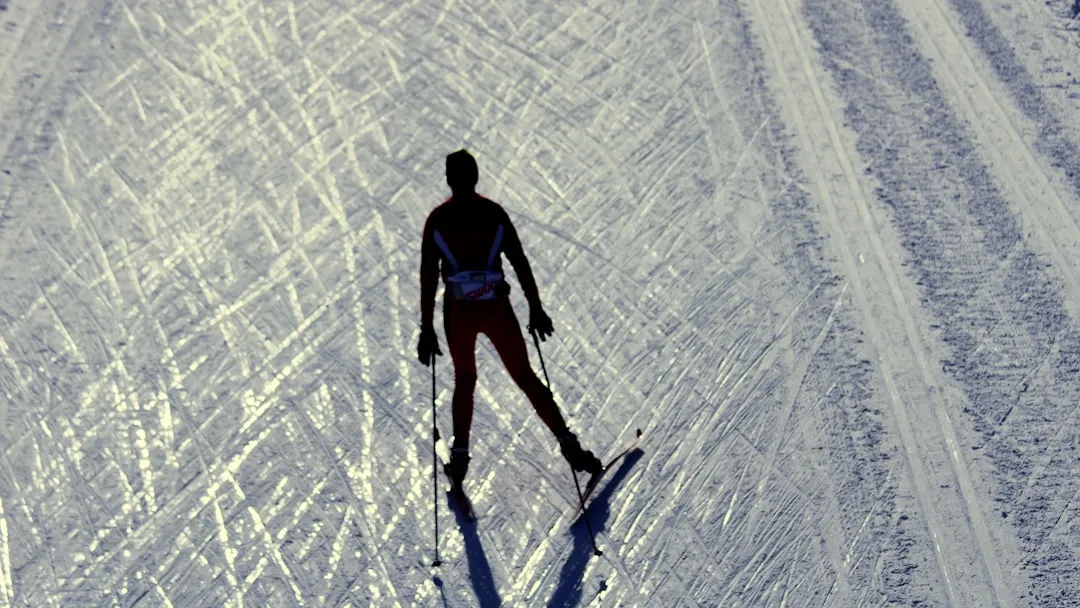
A Record-Shattering Performance (Image Credits: Unsplash)
Milan Cortina, Italy – The United States claimed a historic 12 gold medals at the 2026 Winter Olympics, finishing second overall behind Norway while setting a new national benchmark for the Games.[1][2]
A Record-Shattering Performance
Team USA surpassed its previous high of 10 golds from the 2002 Salt Lake City Games with 12 triumphs across 11 sports.[2] Norway dominated atop the medal table with 18 golds and 41 total, but the Americans tallied 33 medals in all – 12 gold, 12 silver, and 9 bronze.[1]
This haul marked the most medals for the U.S. at any Winter Olympics held outside North America, eclipsing the 28 from Sochi 2014. Athletes competed in every one of the 16 disciplines, showcasing breadth that only host Italy matched. Speed skating, alpine skiing, and freestyle events fueled much of the success.[2]
Women’s hockey delivered a thrilling gold, capped by captain Hilary Knight’s record-breaking goals. Freeskiers and snowboarders added flair, while veterans like Mikaela Shiffrin reclaimed the spotlight.
Winter Talent Concentrated in Key States
Despite the national roster of 232 athletes, medals flowed disproportionately from a select group of states spanning Alaska to Vermont.[1] Colorado led with five medals, including three golds, while Minnesota emerged as the top producer of individual medalists. Wyoming and Vermont punched above their population weight with pivotal wins.
Eighteen states, including Nebraska and Nevada, sent no competitors at all. This regional skew highlighted how U.S. winter sports infrastructure thrives in areas with natural snow, dedicated facilities, and coaching pipelines.[3]
| State | Golds | Total Medals |
|---|---|---|
| Colorado | 3 | 5 |
| Wisconsin | 2 | 3 |
| Minnesota | Multiple (team) | Most athletes |
| Vermont | 1 | 7 |
| Wyoming | 1 | 1 |
Stars from the Heart of Winter Country
Mikaela Shiffrin of Colorado secured gold in women’s slalom, her third Olympic title and the largest margin in alpine since 1998.[2] Jordan Stolz from Wisconsin blazed to two speed skating golds in the 500-meter and 1,000-meter, plus a silver, setting Olympic records. Breezy Johnson claimed Wyoming’s lone gold in women’s downhill.
Elana Meyers Taylor, hailing from Georgia, won monobob at age 41 – the oldest U.S. woman to take an individual winter gold. Minnesota powered the women’s hockey victory, with five team members from the state. Alysa Liu from California contributed figure skating golds in team and individual events.[1]
- Alaska fostered freestyle and Nordic talent.
- Utah hosted training hubs that produced multiple medal hopefuls.
- Vermont skiers grabbed one gold and six silvers.
- Team efforts in hockey and curling drew from Midwest pipelines.
- Freestyle sweep by Elizabeth Lemley and Jaelin Kauf marked a moguls milestone.
What Sets These States Apart
Proximity to mountains, lakes, and consistent cold weather built grassroots programs in Colorado and Utah. Minnesota’s hockey culture dominated team sports, yielding the most U.S. medalists overall.[3] Smaller states like Vermont and Wyoming invested in ski academies that nurtured world-class downhillers and slalom experts.
Though athletes often train nationwide, home-state facilities sparked their journeys. This concentration raised questions about expanding access to warmer regions, yet proved effective for medal hunts.
Key Takeaways
- U.S. second to Norway but set records with 12 golds and 33 total medals.
- Colorado, Minnesota, Wisconsin topped state contributions.
- Regional focus drove success in skiing, skating, and team sports.
Team USA’s Milan Cortina haul underscored a potent formula: depth from winter havens propelled national glory. As infrastructure grows, could more states join the podium party? What do you think about it? Tell us in the comments.