A Crest That Defied Expectations (Image Credits: Unsplash)
Niger – Paleontologists revealed Spinosaurus mirabilis, a formidable semi-aquatic dinosaur that hunted fish in ancient rivers while sporting a dramatic scimitar-shaped crest on its skull.[1][2]
A Crest That Defied Expectations
Researchers stumbled upon the first clues in November 2019 at Jengueb, a remote fossil site deep in Niger’s central Sahara Desert. A massive, curved bone fragment caught their eye amid the sands – later identified as part of an extraordinary cranial crest. The team returned in 2022 and unearthed two more such structures, confirming a novel species.[3]
University of Chicago professor Paul Sereno led the 20-person international effort. Excavations yielded skull pieces, teeth, vertebrae, and limb bones from immature individuals. All specimens dated to about 95 million years ago in the Cenomanian stage of the Late Cretaceous.[4]
This marked the first new Spinosaurus species named in over a century. The discovery capped expeditions tracing back to 2000 in the Farak Formation.[5]
Built for the Hunt
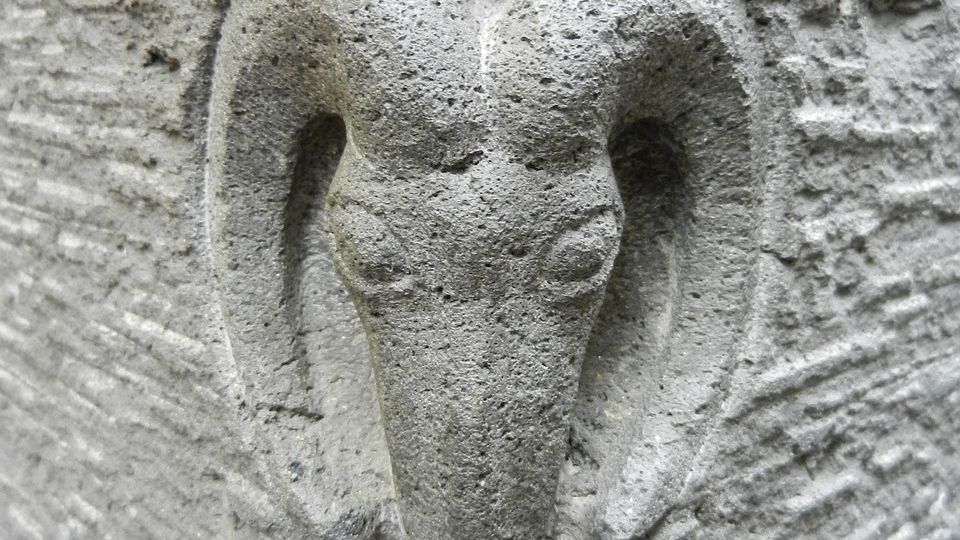
Spinosaurus mirabilis stood out with its oversized nasal-prefrontal crest, curving upward like a scimitar blade. Evidence of vascular canals and textured surfaces suggested a keratin sheath, possibly brightly colored for display or intimidation.[1]
The dinosaur’s long, narrow snout featured interlocking teeth – conical uppers with gaps to snare lower jaw protrusions. This setup formed a perfect fish trap, shared only among certain aquatic reptiles but unique in dinosaurs.[2]
- Sword-like crest for visual signaling
- Interdigitating teeth to grip slippery prey
- Sturdy legs suited for wading
- Potential back sail from elongated neural spines
- Subadult length around 8 meters; adults likely larger
Sereno described it vividly: “I envision this dinosaur as a kind of ‘hell heron’ that had no problem wading on its sturdy legs into two meters of water but probably spent most of its time stalking shallower traps for the many large fish of the day.”[5]
Riverside Realm Far from the Sea
Fossils lay preserved in river sediments alongside long-necked dinosaurs and fish remains. The site sat 500 to 1,000 kilometers from ancient coastlines, in a lush, forested inland network of waterways.[3]
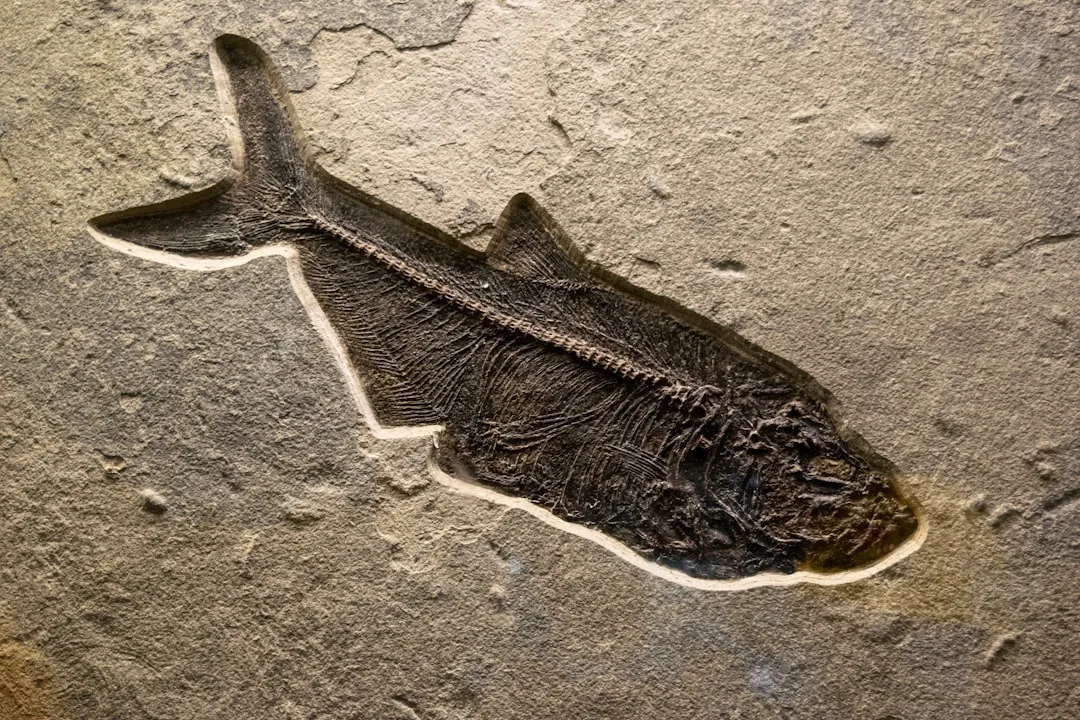
This environment challenged prior views of spinosaurids as strictly coastal dwellers. Instead, Spinosaurus mirabilis thrived as a wading predator, pursuing coelacanths and other large fish in shallow traps.[1]
The Sahara, then humid and verdant, supported a diverse ecosystem until shifting climates turned it barren.
Stepping Stone in Spinosaur Evolution
The find highlighted a late burst in spinosaurid diversity, spanning 50 million years. Spinosaurus mirabilis represented one of the group’s final survivors before their extinction.[2]
Fragmentary remains left questions about full size and sail shape unanswered. Still, digital reconstructions in Sereno’s Chicago lab brought the beast to life, with replicas now displayed publicly.[4]
Local Tuareg guides proved invaluable, leading the team to untouched sites forgotten for decades.
This breakthrough, detailed in a February 2026 Science paper, underscored ongoing Sahara explorations and collaborations fostering science in Niger.[3]
Key Takeaways
- First new Spinosaurus in 100+ years, from inland Niger rivers.
- Extreme piscivorous traits: blade crest and fish-trapping teeth.
- Expands understanding of semi-aquatic dinosaur habitats.
Spinosaurus mirabilis reminds us how much ancient worlds still hide in desert sands. What surprises might the next expedition uncover? Tell us in the comments.