A Historic Stage Ignites Modern Magic (Image Credits: Unsplash)
Verona, Italy – Thousands gathered in the storied Arena di Verona on February 22 as the Milano-Cortina 2026 Winter Olympics reached its emotional conclusion amid ancient stone walls once echoing with gladiator roars.[1][2]
A Historic Stage Ignites Modern Magic
The Roman amphitheater, constructed around 30 A.D. and seating about 15,000, provided a dramatic backdrop for the two-and-a-half-hour spectacle. NPR reporters Rachel Treisman and Pien Huang observed from elevated media seats, equipped with slim cushions in provided tote bags to ease the chill on stone benches.[1] Lights pierced the night sky, confetti rained down, and bursts of electropop infused the air with energy, shifting the tone from the fortnight’s intense competitions to one of relief and revelry.
This venue marked the first use of an ancient monument for an Olympic ceremony since Athens in 1896, blending Italy’s operatic heritage with contemporary flair.[2] The event echoed opening rituals like the Parade of Nations and cauldron rites but felt markedly lighter.
Casual Vibes Define the Athlete Parade
Athletes entered more relaxed than at the opener, ditching formal attire for streetwear. Team USA, clad in Ralph Lauren designs for the 10th consecutive Games, sported baggy pants and puffer jackets rather than pleated trousers and wool coats. Volunteers swapped snow queen gowns for loose tunics.[1]
Flag-bearers paraded without fanfare announcements, fostering a familial atmosphere. Crowd claps honored medalists, though journalists occasionally called out over rising stands. Norwegian star Johannes Høsflot Klæbo, deemed the Winter Olympics’ greatest of all time, waved his nation’s flag after securing the final gold in the 50km cross-country mass start, where his compatriots swept the podium.[2]
Opera Meets Dance Beats in Spectacular Fusion
Themed around a “night at the opera,” the show featured candelabra motifs throughout. Performers dressed as luminous fixtures maneuvered floor lamps beneath a massive dangling chandelier. Pianist Gloria Campaner delivered a striking performance encircled by these glowing elements, accompanied by high-tech sets in the historic space.[1][3]
Italian dancer Roberto Bolle executed a groundbreaking aerial acrobatics sequence, one of the ceremony’s most intricate moments. Musical acts escalated with Diplo stirring the crowd, followed by Major Lazer’s DJ set featuring a hits medley and guests like Jamaican singer Nyla. Verdi’s La Traviata underscored the opera tribute, while pop from Margherita Vicario and others energized the athlete mingle.[2]
Flag Handover Seals a Legacy of Unity
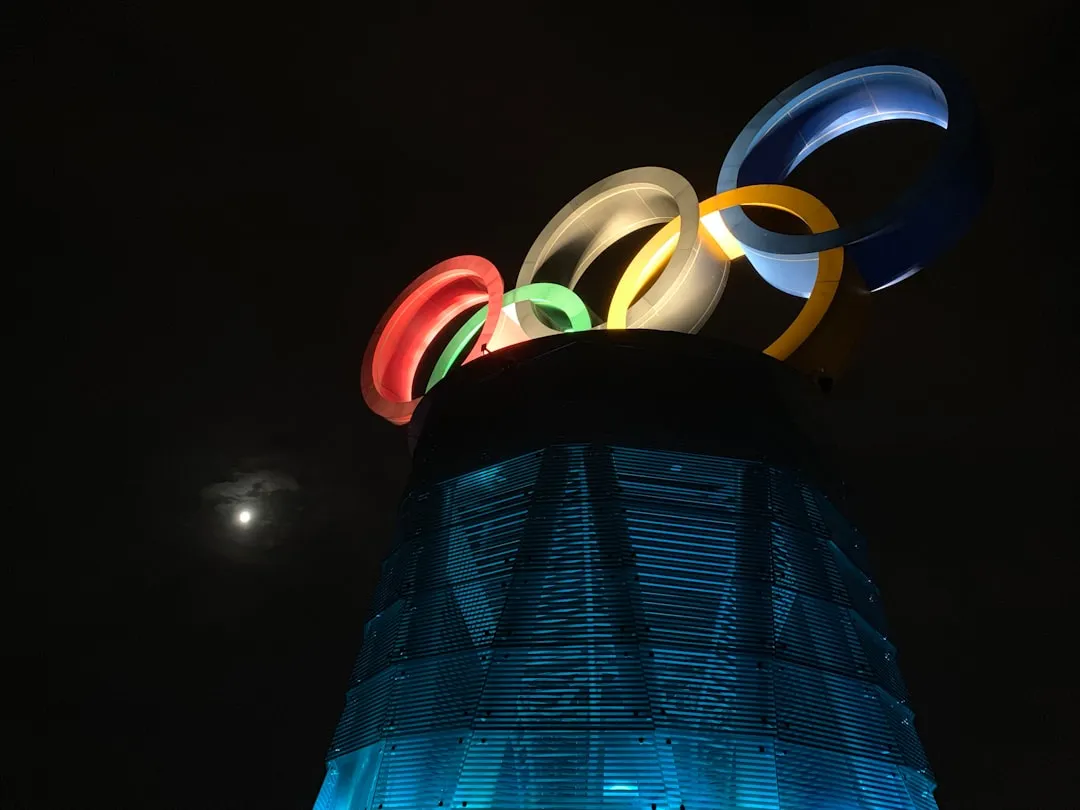
International Olympic Committee President Kirsty Coventry and Italian organizing committee leader Giovanni Malagò delivered speeches thanking regional hosts and 80,000 volunteers visible in the stands. The Olympic flame, carried 12,000 km in a Murano glass ampoule by Italy’s 1994 relay team, illuminated rings before cauldrons in Milan and Cortina extinguished simultaneously – an Olympic first.[2]
Mayors of Milano and Cortina passed the flag to Coventry, who handed it to French Alps 2030 representatives amid La Marseillaise and a preview video. A nod to the upcoming Paralympics on March 6 at the same arena capped formalities.[1]
Glitter cannons and colorful bursts lit the finale as athletes departed. Post-event scenes captured normalcy: competitors in national gear queued at McDonald’s, including Klæbo and cross-country medalists grabbing chicken wings.[1]
Key Takeaways:
- Verona Arena’s ancient charm amplified a modern, participatory party vibe.
- Casual athlete attire and crowd energy made it more engaging than the formal opener.
- Blend of opera, acrobatics, and EDM symbolized Italy’s cultural depth.
The Milano-Cortina Games ended not with a whimper, but a vibrant celebration of sport’s joyful spirit. What moments from the closing ceremony stood out to you? Share in the comments.