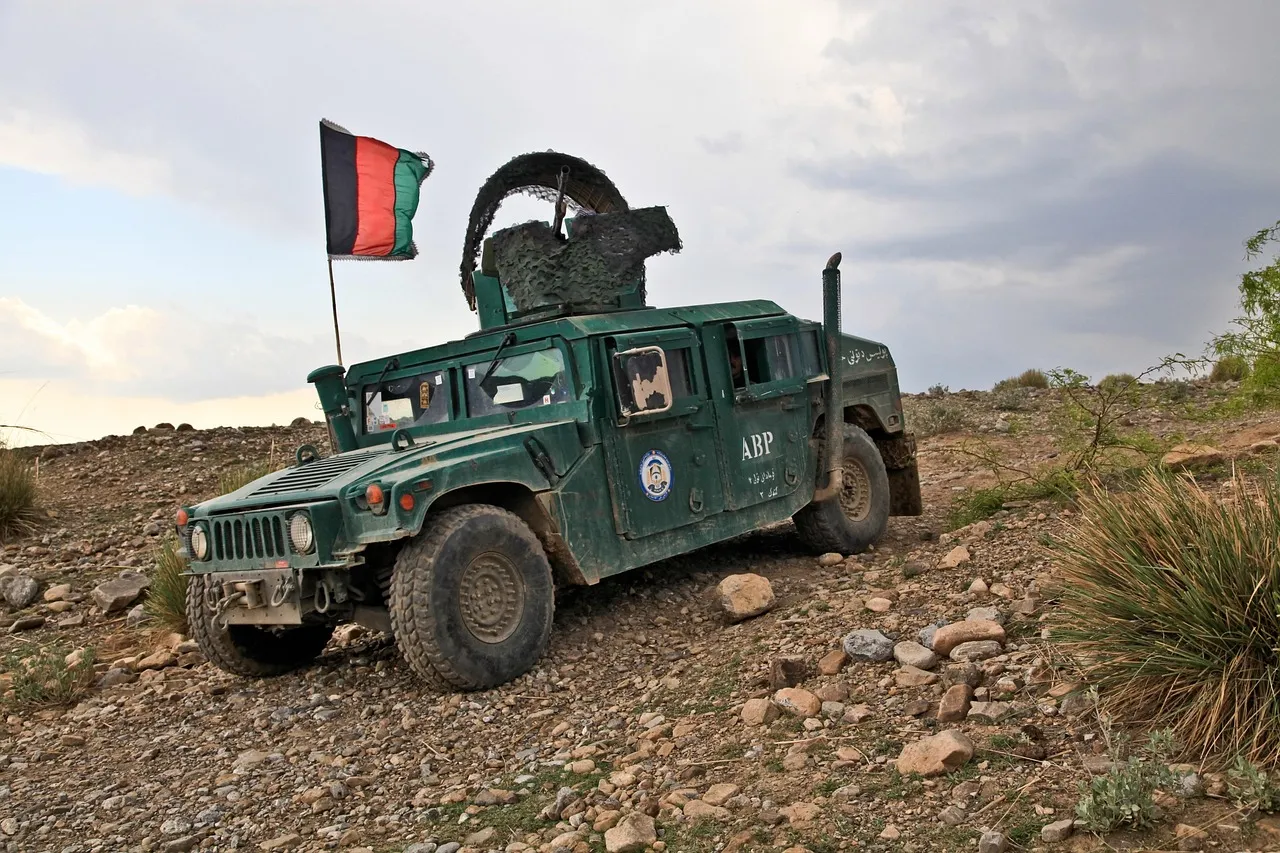
Recent Bombings Ignite Retaliatory Measures (Image Credits: Pixabay)
Pakistan-Afghanistan border – Military forces launched targeted airstrikes early Sunday, striking positions across the line in response to a wave of deadly attacks inside Pakistan.[1][2]
Recent Bombings Ignite Retaliatory Measures
A surge in militant violence prompted Pakistan’s decisive action. Hours before the strikes, a suicide bombing in Bannu district claimed two soldiers, including a lieutenant colonel.[1] Last week, attackers rammed an explosives-laden vehicle into a security post in Bajaur district, killing 11 soldiers and a child. The assailant hailed from Afghanistan, authorities reported.
Earlier this month, a devastating blast at a Shiite mosque in Islamabad killed 31 worshippers and wounded over 160 others. An Islamic State affiliate claimed responsibility for that assault, the deadliest in the capital since 2008.[3] Pakistan’s military had warned it would show no restraint against perpetrators, regardless of location.
- Suicide bombing in Islamabad: 31 killed, February 7.
- Bannu district attack: 2 soldiers dead, hours before strikes.
- Bajaur security post ramming: 12 total deaths.
- Other incidents: Wedding bombing (7 killed, January) and separatist attacks (33 dead).
Operation Targets TTP Hideouts
Pakistan described the raids as intelligence-based operations against seven camps linked to the Tehrik-i-Taliban Pakistan (TTP) and affiliates, including an Islamic State group offshoot.[4] Deputy Interior Minister Talal Chaudhry announced at least 70 militants died, a figure state media later raised to 80. He shared this in a Geo News interview but offered no supporting evidence.[2]
Information Minister Attaullah Tarar stressed Pakistan’s commitment to regional peace while prioritizing citizen safety. President Asif Ali Zardari affirmed the strikes as a rightful defense after ignored warnings to Kabul.[1] The TTP, distinct from yet allied with Afghanistan’s Taliban, faces accusations of orchestrating assaults from Afghan soil—a charge both the group and Kabul deny.
Afghanistan Denounces Civilian Toll
Kabul condemned the actions as a sovereignty breach. The Defense Ministry reported hits on civilian zones in eastern Nangarhar and Paktika provinces, including a madrassa and homes in Behsud district’s Girdi Kas village.[2]
Spokesman Zabihullah Mujahid declared on X that the strikes killed and wounded dozens, including women and children, dismissing Pakistan’s militant tally as inaccurate. The Afghan Red Crescent in Nangarhar confirmed 18 deaths and multiple injuries. Local elder Habib Ullah insisted victims were ordinary villagers, not fighters. Afghanistan summoned Pakistan’s ambassador to protest, vowing accountability.[4]
| Party | Militant Deaths Claimed | Civilian Impact Reported |
|---|---|---|
| Pakistan | 70-80 | None |
| Afghanistan | 0 | Dozens killed/wounded; 18 confirmed in Nangarhar |
Roots of Enduring Border Strife
Tensions trace back to October 2025 clashes that killed dozens on both sides, prompting a Qatari-mediated ceasefire. Talks in Istanbul faltered, leaving relations fragile. Pakistan urges global pressure on the Taliban to curb TTP activities under Doha commitments.[3]
Security analyst Abdullah Khan warned the strikes signal failed diplomacy by Qatar, Turkey, and Saudi Arabia, risking further escalation.
Key Takeaways:
- Pakistan targeted TTP camps in Nangarhar and Paktika amid rising attacks.
- Conflicting casualty reports highlight verification challenges.
- Ceasefire holds tenuously as accusations fly.
These cross-border strikes underscore the volatile security dynamics plaguing the region, where militancy threatens stability for millions. Will diplomatic channels reopen, or will retaliation follow? Share your thoughts in the comments.