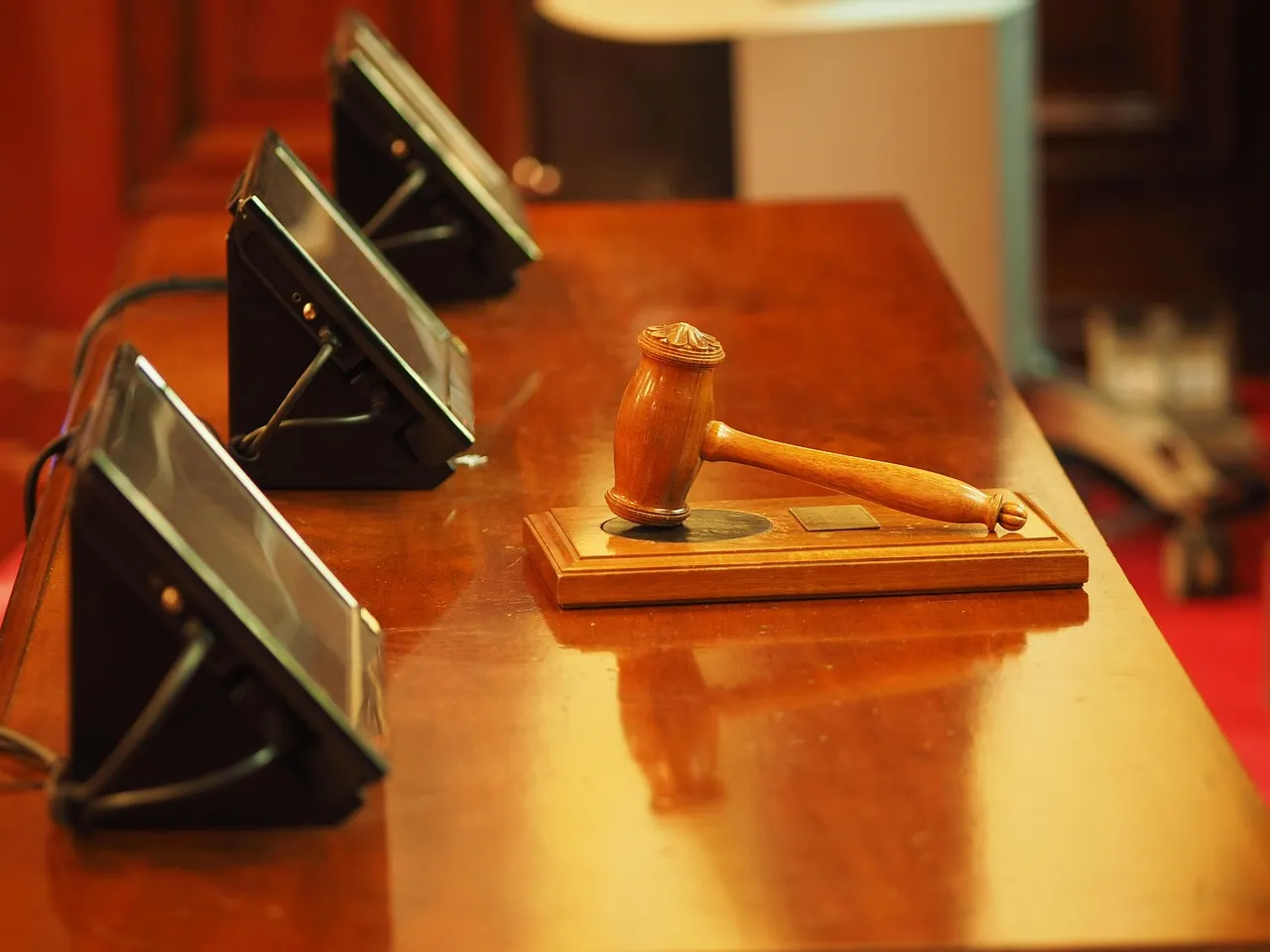
 A Rare Term Emerges in Everyday Trivia (Image Credits: Pixabay)
Slate’s daily trivia quiz drew attention on February 23, 2026, with a question probing an obscure legal term tied to judicial authority.[1][2]
A Rare Term Emerges in Everyday Trivia
The word “contemnor” rarely surfaces outside legal circles, yet it captured public curiosity through a simple quiz prompt. Courts apply this label to individuals who undermine their proceedings or orders. The term derives from “contempt,” a foundational offense in judicial systems.[3]
Judges wield contempt powers to maintain order and enforce compliance. A contemnor faces penalties designed to deter repetition. This concept spans civil and criminal realms, reflecting the dual role of courts in resolving disputes and punishing disruptions.[3]
Quizzes like Slate’s highlight how specialized vocabulary infiltrates broader culture, testing knowledge beyond headlines. Participants encountered options likely spanning common crimes, forcing recall of this precise nomenclature.
Defining Contempt of Court
Contempt of court constitutes disobedience or disrespect toward judicial authority. Legislatures and common law define it broadly to protect courtroom integrity. The offense dates back centuries, evolving to address modern challenges like remote hearings.[4]
Criminal contempt punishes past actions that obstruct justice, such as outbursts or false testimony. Civil contempt, by contrast, compels future compliance, often through fines or detention until obedience occurs. Courts distinguish these to align sanctions with goals.[5]
Direct contempt happens in a judge’s presence, allowing immediate response. Indirect forms occur outside, requiring hearings for evidence. Both elevate the contemnor’s status from ordinary defendant to direct challenger of the bench.
Key Distinctions in Contempt Proceedings
Courts classify contempt to ensure fair process. Here’s a breakdown:
- Criminal Contempt: Punitive; proven beyond reasonable doubt; fixed penalties like jail time.[5]
- Civil Contempt: Remedial; clear and convincing evidence; ends with compliance.[6]
- Direct: In-court; summary adjudication possible.
- Indirect: Out-of-court; full due process.
- Summary vs. Plenary: Quick rulings for minor issues versus formal trials for serious ones.[7]
These categories prevent abuse while upholding authority. Violations range from minor disruptions to deliberate defiance of orders.
Cultural Echoes of Contempt in Media
High-profile trials often spotlight contemnors, embedding the term in public discourse. News coverage of celebrity cases or political hearings familiarizes audiences with contempt rulings. Vocabulary quizzes tap this overlap, bridging law and leisure.[8]
Though rooted in procedure, contempt narratives fuel dramas in film and literature. Real-world examples reinforce lessons on civics and accountability. Slate’s inclusion underscores vocabulary’s role in cultural literacy.
Penalties vary: fines, incarceration, or coerced action. Repeat offenders risk escalating consequences, emphasizing deterrence.
Key Takeaways
- A contemnor commits contempt of court, disobeying or disrespecting judicial orders.[9]
- Criminal versions punish; civil ones coerce compliance.
- The term protects court functions, appearing in trivia to test niche knowledge.
Contempt powers remain essential for orderly justice, even as quizzes like Slate’s make them accessible. This blend of law and trivia invites reflection on language’s power in society. What obscure terms have you encountered lately? Share in the comments.