Eight in Ten Americans Support Voter ID Measures (Image Credits: Flickr)
Washington – House Republicans secured passage of the SAVE America Act on February 11, marking a significant step toward mandating proof of U.S. citizenship for voter registration and photo identification for voting in federal elections.[1][2]
Eight in Ten Americans Support Voter ID Measures
Public opinion strongly favors enhanced election security protocols. Polls indicate that about 80 percent of Americans back requirements for proof of citizenship and photo identification at the polls.[2] Proponents argue these steps close loopholes in current systems where sworn statements suffice for registration.
Republicans, led by figures like Rep. Chip Roy of Texas, introduced the bill on January 30 as an upgrade to the earlier SAVE Act.[3] That prior legislation passed the House in April 2025 but failed to advance in the Senate.[4] The new version responds to criticisms by incorporating ballot-casting safeguards.
Congressional momentum follows the One Big Beautiful Bill Act, signed into law on July 4, 2025. That sweeping measure delivered tax relief, including no taxes on tips and overtime, alongside substantial border security funding.[5]
Core Provisions Target Registration and Voting
The SAVE America Act prohibits states from processing federal voter registrations without documentary proof of citizenship, such as a REAL ID-compliant document or passport.[3] States must also implement alternative processes for those lacking standard papers and routinely check voter rolls against federal databases to remove noncitizens.
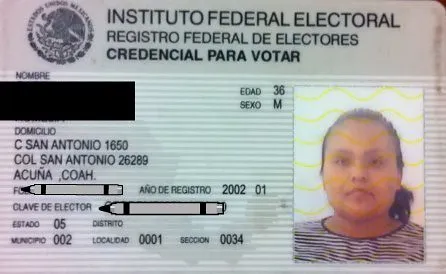
Voters would need to present photo identification – like a driver’s license, passport, or military ID – at polling places. Absentee and mail-in ballots require a photocopy of such ID with both the application and the ballot itself.[2] Provisional ballots serve as a fallback for those without ID, provided they follow up within three days.
- Proof of citizenship mandatory for all federal registrations, including mail and online.
- Photo ID required in person and via mail; limited exemptions for military and religious reasons.
- States must use DHS’s SAVE system for frequent noncitizen checks.
- Criminal penalties and private lawsuits target violations by election officials.
- No federal funding provided; immediate effective date upon enactment.
States Without Voter ID Face Major Shifts
Currently, 13 jurisdictions lack any ID requirement at the polls: California, Illinois, Maine, Maryland, Massachusetts, Minnesota, Nevada, New Jersey, New Mexico, New York, Pennsylvania, Vermont, and the District of Columbia.[6] The bill would override these policies for federal races, potentially requiring separate voter lists or dual election systems.
Critics warn of burdens on up to 21 million eligible voters without easy access to documents. They highlight risks of disenfranchisement, especially for mail registration in 42 states with online options.[1] Supporters counter that noncitizen voting, though illegal, persists due to lax verification.
Senate Hurdles Loom Large
The House vote split along party lines, with all Republicans and one Democrat in favor.[2] Prospects dim in the Senate, where Democrats oppose the measure and the 60-vote filibuster threshold applies.
GOP leaders eye procedural maneuvers, but unified resistance persists. Voting rights groups like the Brennan Center decry the lack of funding and potential for errors in citizenship checks.[2]
Key Takeaways:
- Proof of citizenship becomes mandatory for federal voter registration nationwide.
- Photo ID required to vote, including photocopies for mail ballots.
- States gain tools but no funds to purge noncitizens from rolls.
Election integrity remains a flashpoint as midterms approach. The SAVE America Act underscores Republican priorities, but Senate passage will test bipartisan will. What implications do stricter ID rules hold for turnout and trust? Tell us in the comments.