A 72% Jump in AI Jobs Overwhelms Housing Stock (Image Credits: Unsplash)
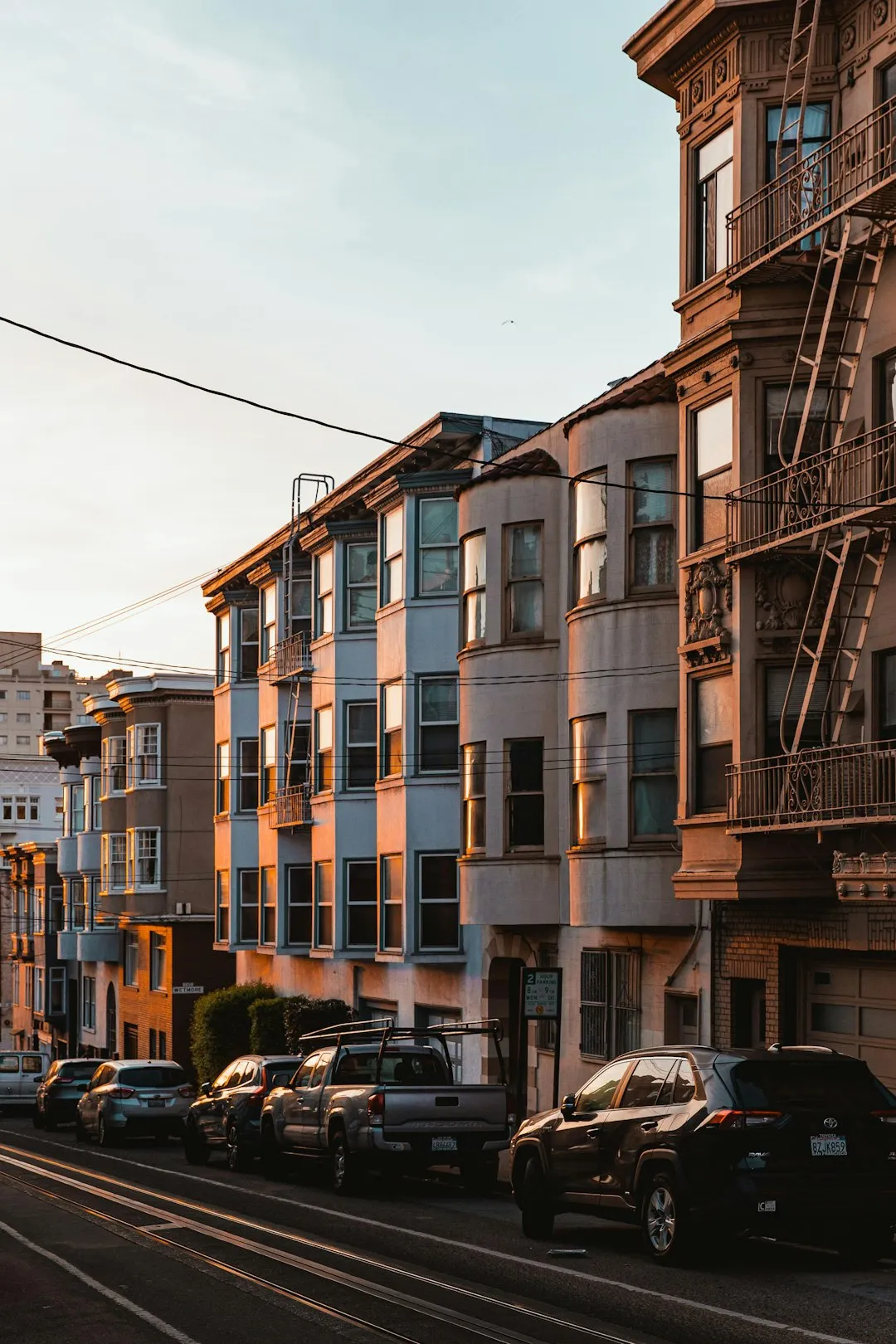
The Bay Area’s explosive growth in artificial intelligence positions has tightened San Francisco’s apartment availability to levels unseen in years.
A 72% Jump in AI Jobs Overwhelms Housing Stock
Job postings for AI roles in the Bay Area soared 72% between 2024 and 2025, climbing from about 57,000 to 99,000, according to an analysis by the Bay Area Council Economic Institute.
These high-paying opportunities drew waves of new workers, many opting to rent amid expectations of future windfalls. Rents across San Francisco climbed 13% year-over-year, data from Apartment List showed. The city’s vacancy rate hovered at 3.5%, about half the national average and close to pre-pandemic figures from 2019. Rental professionals reported a frenzied pace, with some tenants proposing a full year’s rent upfront in cash to secure units. Lisa McCarrel, managing partner at Move Bay Area, described the shift during a recent team meeting. “Spring time is typically when the rental market here starts to get crazy,” she said. “But it’s already crazy.”
AI Hubs Drive Localized Demand Spikes
Expansions by major AI firms concentrated demand in specific San Francisco neighborhoods. Anthropic claimed a 430,000-square-foot office in SoMa, while OpenAI grew its Mission Bay presence to over 1 million square feet. Apartment List economist Chris Salviati noted that these areas faced surging rental interest as workers sought proximity to offices.
One-bedroom rents reached $4,700 in SoMa and $3,800 in Mission Bay, per RentCafe figures. Intense work schedules, including the “9-9-6” model of long hours six days a week, prompted employees to prioritize walkable locations. Some companies, like Cluey, offered rental subsidies to staff. Coworking demand also exploded; Anna Squires Levine of Industrious called it “off the charts” due to AI activity. Meanwhile, office leasing by AI firms accounted for nearly a third of the 10.5 million square feet signed last year, CBRE’s Colin Yasukochi reported.
Lessons from the Last Tech Boom
This AI-driven pressure contrasted sharply with the 2010s tech expansion, when hiring rippled more broadly across sectors.
Non-AI jobs in the region dipped 1% during the recent period, the economic institute found. Workers then often commuted from Oakland or the South Bay to Peninsula hubs like Menlo Park and Mountain View. Today, Oakland’s market stagnated, with rents down 20% from 2020 amid ample new supply and waning demand. Salviati highlighted how past tech employees spread out geographically, unlike the current cluster around central AI offices. Yasukochi pointed out that AI companies favored immediate move-in spaces to accelerate development, bypassing lengthy buildouts.
Persistent Challenges Shape the Path Ahead
A chronic housing shortage and elevated interest rates kept more high earners renting rather than buying, intensifying competition at the luxury end.
Jackie Tom of Rentals in SF confirmed the market surpassed pre-pandemic pricing amid constant activity. McCarrel advised clients to manage expectations, likening the search to a marathon and stressing careful communication with landlords. Forecasts predicted further AI expansion and hiring as commercialization ramps up, UC Berkeley economist Enrico Moretti suggested. Yet uncertainties loomed; AI efficiencies might curb headcount growth even among its creators. Bay Area Council Economic Institute’s Abby Raisz captured the ambiguity. “Is AI a new job creator or destroyer? It’s still a question mark.”
Key Takeaways
- AI job postings rose 72% from 2024 to 2025, boosting San Francisco rents 13% year-over-year.
- Vacancy rates at 3.5% signal a market twice as tight as the national average.
- Workers cluster near SoMa and Mission Bay offices, diverging from past commutes to Silicon Valley.
San Francisco renters face a marathon fueled by AI’s rapid ascent, where proximity trumps all – yet the boom’s long-term footprint remains fluid. What strategies have you used to navigate this market? Share in the comments.