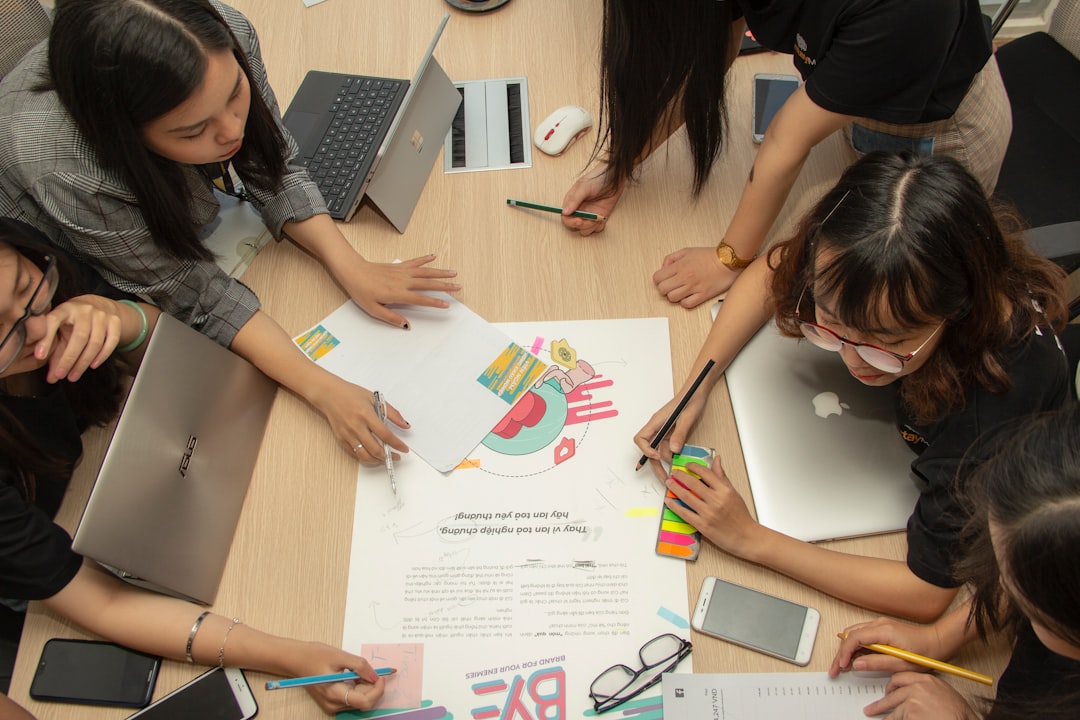
A Direct Link Between Morale and Output (Image Credits: Pixabay)
Workplace discontent has reached critical levels, with just over half of employees reporting frequent happiness on the job.
A Direct Link Between Morale and Output
Research revealed that unhappy workers lagged significantly behind their content peers. Those who felt happy proved 42% more likely to report high levels of productivity and motivation. This connection underscored a vital truth: employee well-being drives tangible business results.
Poor management practices exacerbated the issue. Employees under weak leadership faced nearly 60% higher stress levels, according to Gallup’s analysis. Managers wielded influence comparable to personal relationships or medical professionals in shaping mental health. Strong management, by contrast, fostered environments where staff felt valued and empowered.
Perks Fail Where Leadership Succeeds
Many companies rolled out wellness programs, from flexible leave options to meditation sessions and apps. Yet a University of Oxford study determined these efforts produced no measurable gains in mental health. Traditional interventions simply missed the mark.
The real solution rested in rethinking daily interactions. When leaders recognized employees’ strengths and contributions, engagement soared. Workers who used their innate abilities every day became nearly six times more involved in their roles. Such teams showed 78% less absenteeism and reduced turnover.
Mastering the STAR Model in Action
Operational Coaching emerged as a transformative approach, centered on inquiry rather than directives. Managers trained in this method spent far more time guiding teams through natural workflows. The core framework, known as STAR, equipped leaders to handle challenges effectively.
- Stop: Pause before jumping in to fix an issue raised by a team member.
- Think: Assess if the moment lends itself to coaching.
- Ask: Pose thoughtful questions and listen intently to spark independent problem-solving.
- Result: Secure agreement on next steps and plan for follow-up.
This process built self-reliant employees while delivering appreciative feedback. Managers avoided time-intensive sessions, fitting coaching into busy days. Even “accidental” leaders – those thrust into roles without formal preparation – gained efficiency and personal satisfaction.
Evidence from Rigorous Trials
A major U.K.-funded experiment by the London School of Economics tested the STAR program across 62 organizations in 14 sectors. Participants increased coaching during daily tasks by 70%. Retention improved sixfold in the intervention groups.
Nearly half of all successes tied back to higher engagement and output. The trial confirmed that enquiry-led management elevated happiness across the board. Reframed roles for leaders – focused on development and empowerment – created supportive cultures ripe for growth.
Key Takeaways
- Happy employees drive 42% higher motivation and productivity.
- STAR coaching boosts retention sixfold and cuts absenteeism by 78%.
- Managers using inquiry-led methods see 70% more in-flow coaching time.
Organizations that prioritize Operational Coaching build resilient, motivated teams ready to thrive amid global challenges. Leaders who embrace this shift not only curb unhappiness but also unlock sustained performance. What changes have you seen in management styles that truly motivate your team? Share in the comments.