A Surge Against Housing Scarcity (Image Credits: Unsplash)
Rising home prices have long served as a cornerstone of middle-class wealth in the United States, yet a pro-development movement challenges this dynamic by advocating for more housing supply.[1]
A Surge Against Housing Scarcity
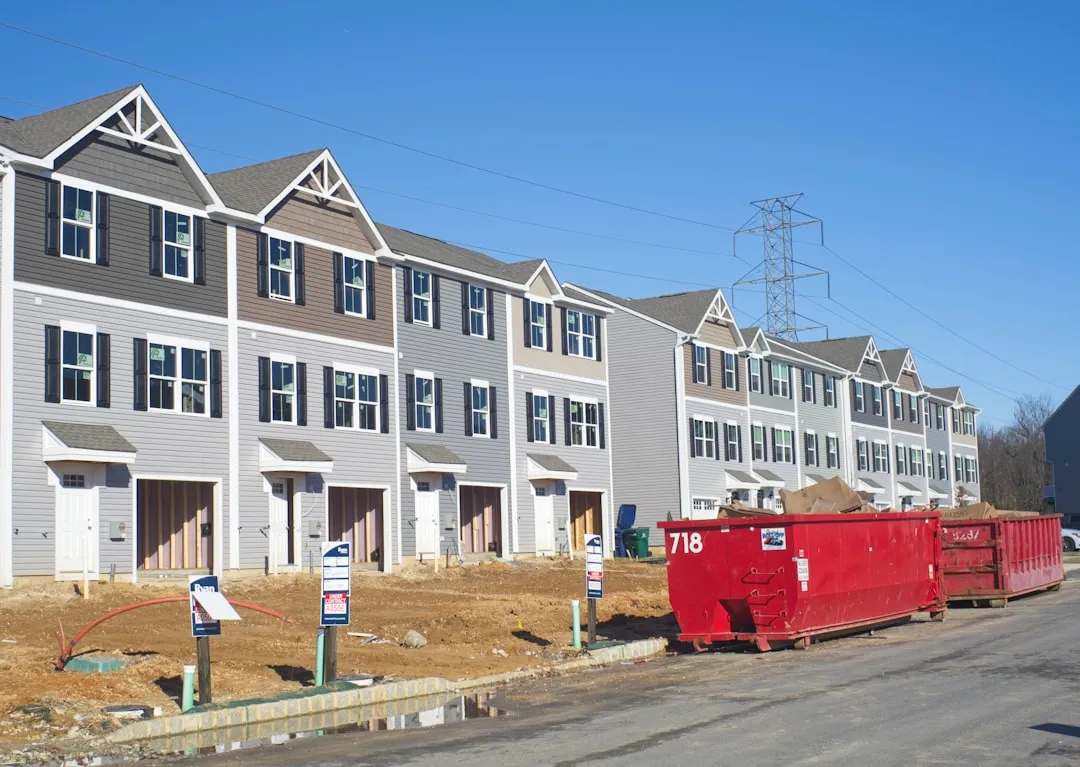
The YIMBY movement, short for “Yes In My Backyard,” emerged over a decade ago to counter restrictive zoning and regulations that limit new construction. Advocates argue that increasing supply will ease affordability pressures in high-demand areas. Local opposition has historically stalled projects, but recent state-level actions signal shifting momentum.[1]
California stands out as a battleground. Governor Gavin Newsom signed Senate Bill 79, legalizing multi-family housing near high-capacity transit stops like trains and rapid bus lines. This measure, effective July 1, 2026, allows buildings up to 75 feet tall within half a mile of stations in eight major counties, overriding some local zoning rules.[2][3] California YIMBY, which championed the idea since 2018, hailed it as a foundational victory. Brian Hanlon, the group’s CEO, stated, “When I started California YIMBY, my goal was to make California affordable for everyone by legalizing more homebuilding – starting with homes near transit.”[2]
Homeowners’ Wealth at Risk
Homeowners represent 66% of U.S. households and turn out to vote at higher rates than renters, often with multiple voters per property. They view rising values as a key asset, making them wary of new developments that could stabilize or lower prices. Katherine Levine Einstein noted, “America’s land use regulations have created processes that empower small and privileged groups of neighbors to stop and delay new housing development.”[1]
This resistance manifests in local meetings dominated by older residents opposed to change. Even fast-growing Sunbelt regions like Texas and Florida have curtailed building, mirroring coastal NIMBYism. Research highlights how concentrated development sparks backlash over traffic and schools, further entrenching opposition.[1] Politicians face dilemmas, as serving distant commuters clashes with local priorities.
Recent Wins and Statewide Momentum
YIMBY-backed reforms passed in 13 states last year, easing zoning for accessory dwelling units, reducing parking mandates, and blocking building moratoriums. Maryland now requires counties to permit backyard units. Florida curtailed local bans on apartments, while Arizona adjusted construction start times to aid developers.[4]
Other successes include California’s earlier push for accessory dwelling units, which lets owners add backyard homes for income. Studies in places like Alexandria, Virginia, show such projects can even boost nearby single-family values. Urban-focused builds near transit minimize sprawl’s downsides, appealing to a broader base.[1]
- Senate Bill 79 (California): Transit-oriented upzoning in key counties.
- ADU legalization expansions in multiple states.
- Philadelphia, Denver, and Seattle local reforms.
- Florida’s moratorium blocks and parking reductions.
- Maryland’s county-level ADU mandates.
Debates and Lingering Hurdles
Not all experts agree supply alone solves affordability. Some studies question if deregulation yields enough low-cost units quickly, estimating decades for impact in cities like San Francisco. Rising construction costs and the need for subsidies for the poorest remain barriers. Einstein cautioned, “Doing that alone is going to be helpful for building more housing, but it is not going to make housing affordable for people in poverty… you need extensive government subsidy.”[1]
Internal YIMBY tensions and bipartisan skepticism persist. Republicans eye suburban preservation, while some Democrats prioritize local control. Austin’s recent overbuilding led to a 6% home value drop, underscoring risks of rapid change.[1] State interventions like SB 79 faced narrow votes and opt-out clauses, testing enforcement.
Key Takeaways
- YIMBY laws advanced in 13 states, focusing on transit and ADUs.
- Homeowner opposition remains the biggest political barrier.
- Supply boosts help, but subsidies needed for true affordability.
The YIMBY movement shows real progress, yet homeowner interests and local democracy pose enduring tests. Targeted reforms like transit upzoning offer a path forward without broad price crashes. What steps should policymakers take next to balance growth and stability? Share your thoughts in the comments.