Biden’s 2024 Speech Fueled a Dangerous Delay (Image Credits: Compote.slate.com)
Presidents continue to deliver the State of the Union address each year before Congress, yet this ritual increasingly distorts public perceptions rather than informing them.
Biden’s 2024 Speech Fueled a Dangerous Delay
President Joe Biden entered his 2024 State of the Union address amid widespread doubts about his age and fitness for another term.[1]
Media outlets hailed the speech as feisty, fiery, and energetic. Observers in the press gallery, however, struggled to discern his words amid slurred phrases and rushed delivery. This theatrical display temporarily quieted Democratic concerns about his candidacy. The performance postponed a necessary reckoning within the party. Democrats might have fared better had the event exposed vulnerabilities more clearly.[1]
Trump’s Early Address Promised Change That Never Came
During Donald Trump’s first joint address to Congress in 2017, speechwriters aimed to portray him as a statesman. He honored the widow of a fallen Navy SEAL, prompting CNN commentator Van Jones to declare that Trump “became president of the United States in that moment, period.”[1]
That impression faded quickly. Within days, Trump resumed tweet storms accusing Barack Obama of wiretapping. The speech offered a brief illusion of maturity. Reality soon reasserted itself through his unfiltered daily communications. Such moments highlight how the event creates fleeting narratives untethered from a leader’s true character.[1]
An Outdated Format in a Constant News Cycle
The State of the Union originated when presidents provided rare, comprehensive updates to the public. Woodrow Wilson popularized the in-person delivery before a joint session, a practice that now feels archaic alongside other relics like the debt ceiling.[1]
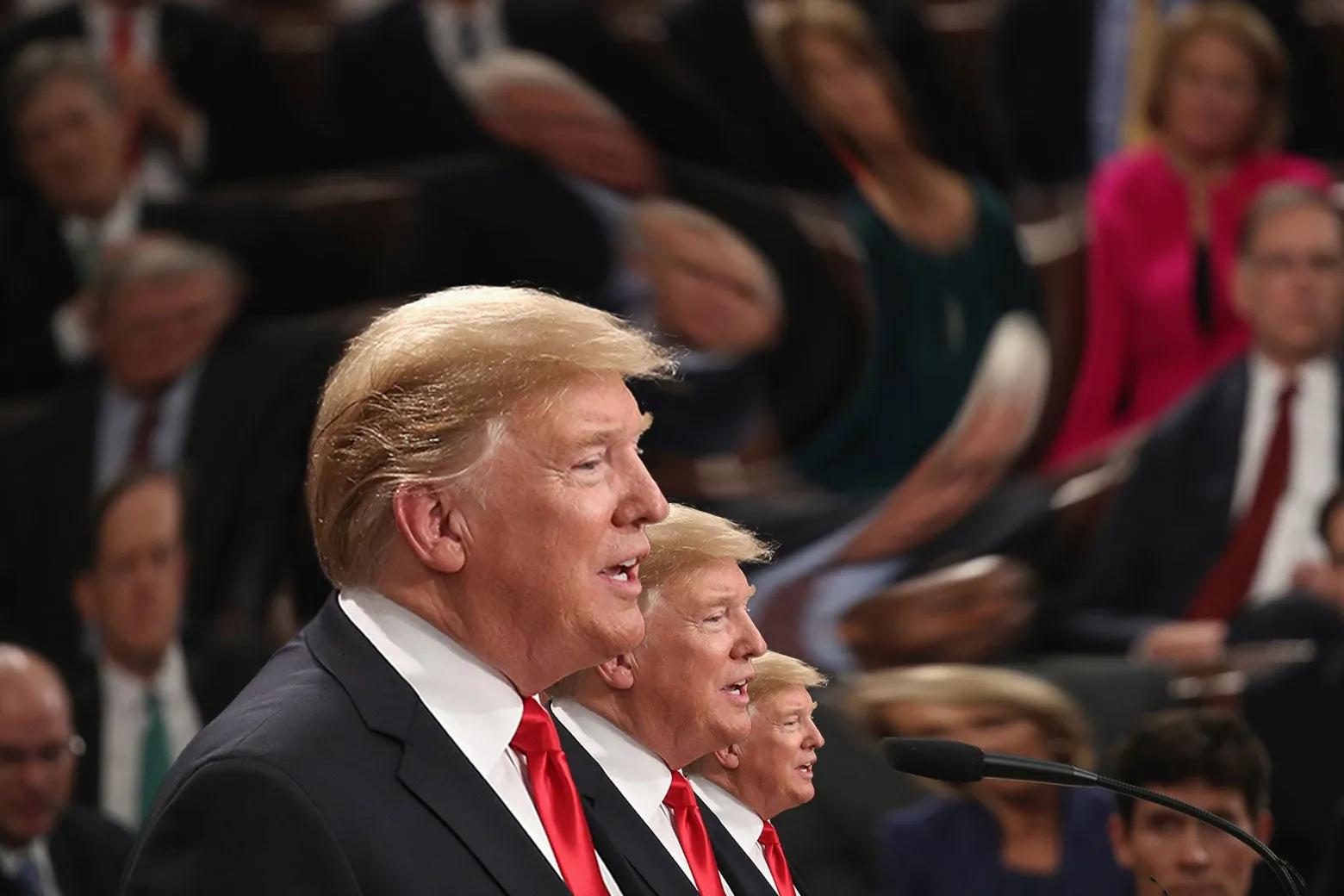
Modern presidents dominate airwaves and social media daily. Trump, for instance, shifts agendas through posts and remarks almost hourly. The address no longer sets legislative priorities or cuts through noise. Instead, it delivers a sugar rush to the president’s party. Republicans anticipate cheers for border policies and tax cuts in the next speech. Democrats faced similar euphoria in 2024. These highs obscure persistent unpopularity.[1]
Here are key flaws exposed by recent events:
- Presidents project artificial auras, like vigor or gravitas, unreflective of daily behavior.
- The format provides a contrived news hook to reset narratives.
- Partisan audiences and media amplify short-term optimism, masking deeper issues.
- Tradition alone sustains it, despite lost utility.
The Obvious Fix: Scrap the In-Person Spectacle
A referendum could abolish the live address, returning to written reports submitted to Congress. Future presidential candidates should pledge to decline joint session invitations.[1]
This move would eliminate opportunities for delusion. Voters deserve assessments based on unscripted actions, not staged pageantry. Parties might confront realities sooner without the crutch. Regular programming could resume uninterrupted. The change aligns with evolving communication norms. Few outside political journalism circles would miss the event.[1]
Key Takeaways
- The State of the Union preserves illusions, as seen in Biden’s energetic-yet-incomprehensible 2024 delivery and Trump’s brief 2017 gravitas.
- In today’s media landscape, daily presidential output renders the speech redundant for agenda-setting or public updates.
- Eliminate the in-person tradition via referendum; candidates should refuse invitations to foster honest political discourse.
The State of the Union has morphed from informative tradition into a source of political misdirection, delaying accountability and inflating false hopes. Reforming it promises clearer views of leadership realities. What reforms would you propose for this ritual? Tell us in the comments.