Something quietly significant is happening on supermarket shelves across America. The chips, cookies, crackers, and packaged treats that millions of people grew up with are slowly but surely being reimagined. Brands are tweaking recipes, swapping ingredients, and slapping new claims on packaging, all in response to a growing wave of health-conscious shoppers who still want the crunch and flavor they love.
The question is, does “healthier” actually mean better? Or is it mostly clever marketing dressed up in wellness language? Let’s dive in and find out what’s really going on behind the snack aisle makeover.
Americans Are Snacking More Than Ever Before
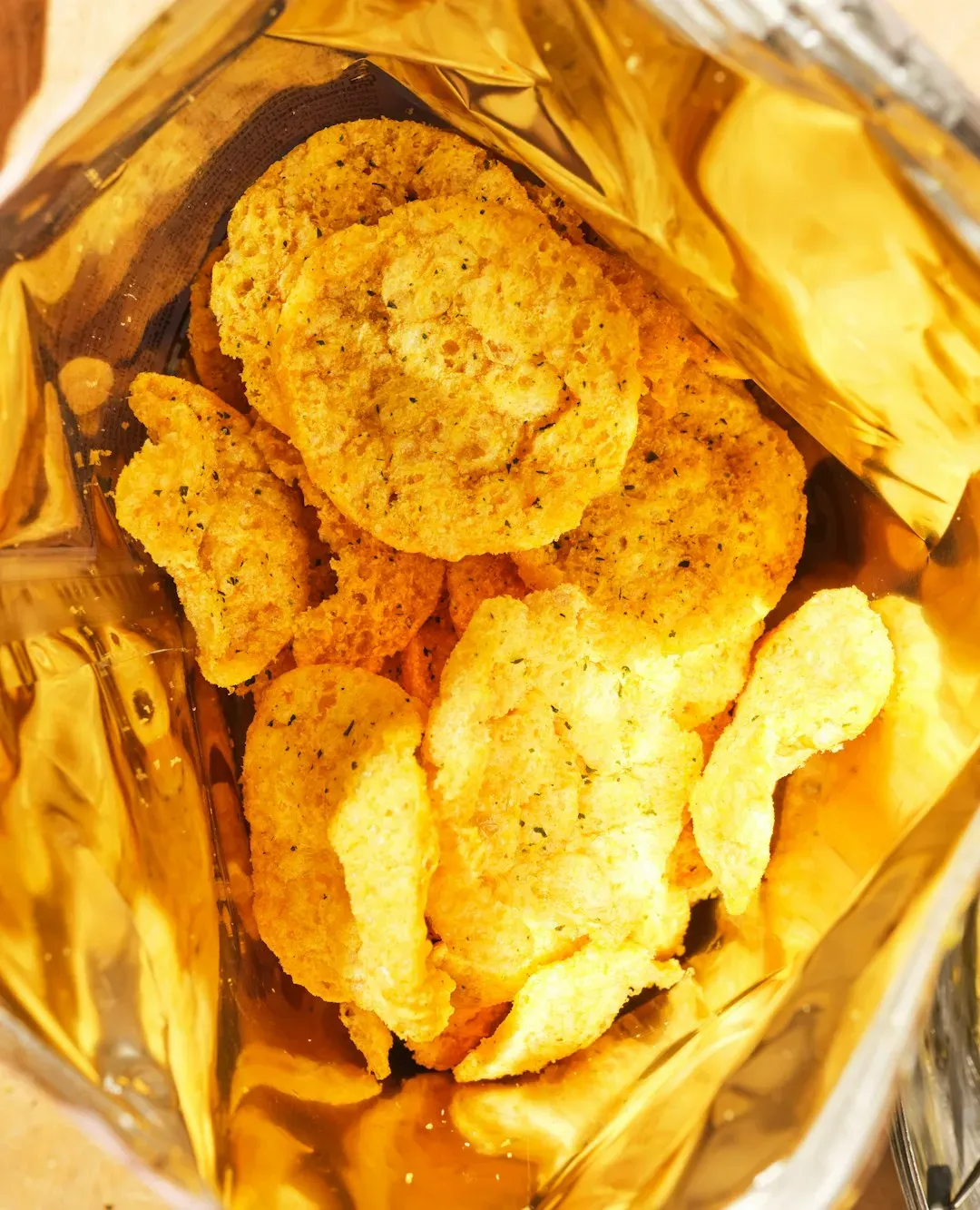
Snacking remains a prevalent behavior, with roughly three quarters of Americans snacking at least once a day. That’s not a small habit. That’s basically a fourth meal. And the trend runs even deeper than that.
More than half of Americans now replace traditional meals with snacking or by eating smaller meals. Think about that for a second. Snacks are no longer just something you grab between lunch and dinner. For a growing number of people, they are lunch and dinner. This shift makes the nutritional quality of snacks far more important than it used to be.
The Billion-Dollar Push Toward Better-For-You Options
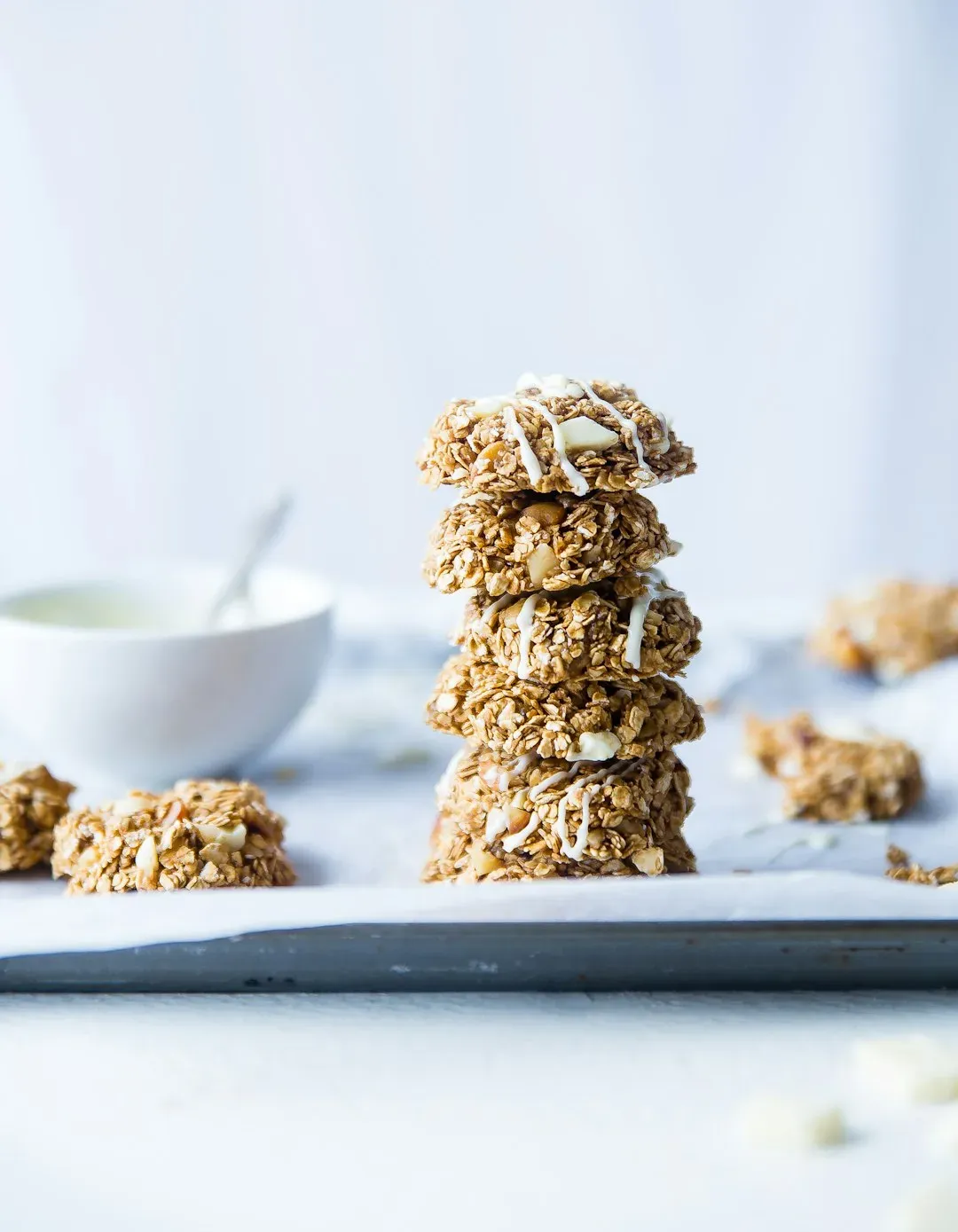
The snack food industry isn’t just big. It’s enormous. The global snack industry reached nearly $700 billion in retail sales in 2024, a roughly two and a half percent increase over the previous year. Within that massive market, the healthier segment is growing the fastest.
The U.S. healthy snacks market was estimated at nearly $32 billion in 2024 and is projected to reach over $54 billion by 2033, fueled by rising consumer awareness of nutrition, wellness, and lifestyle-related health conditions. That kind of projected growth tells you one thing: the demand is real, and food companies are paying very close attention.
What Consumers Are Actually Asking For
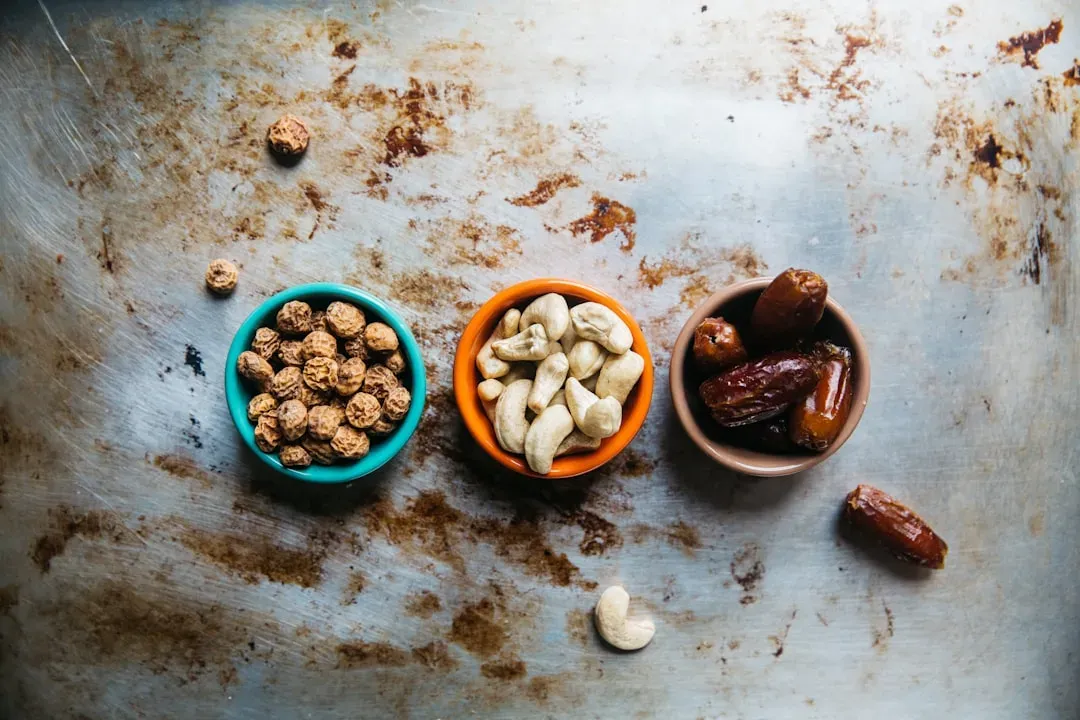
Here’s the thing about modern snackers. They don’t just want something that tastes good. They want it to do something for them. A significant proportion of U.S. consumers are trying to consume more protein, more fiber, less sugar, and fewer carbs, and that trend is carrying directly through to their snack choices.
According to the IFIC Food and Health Survey 2024, roughly two thirds of Americans are actively trying to reduce their sugar intake, highlighting a growing awareness of ingredients. That’s a staggering number. It means sugar reduction isn’t a niche concern anymore. It’s practically mainstream. Brands ignoring that signal are doing so at their own commercial risk.
Big Food Is Reformulating Its Classic Products
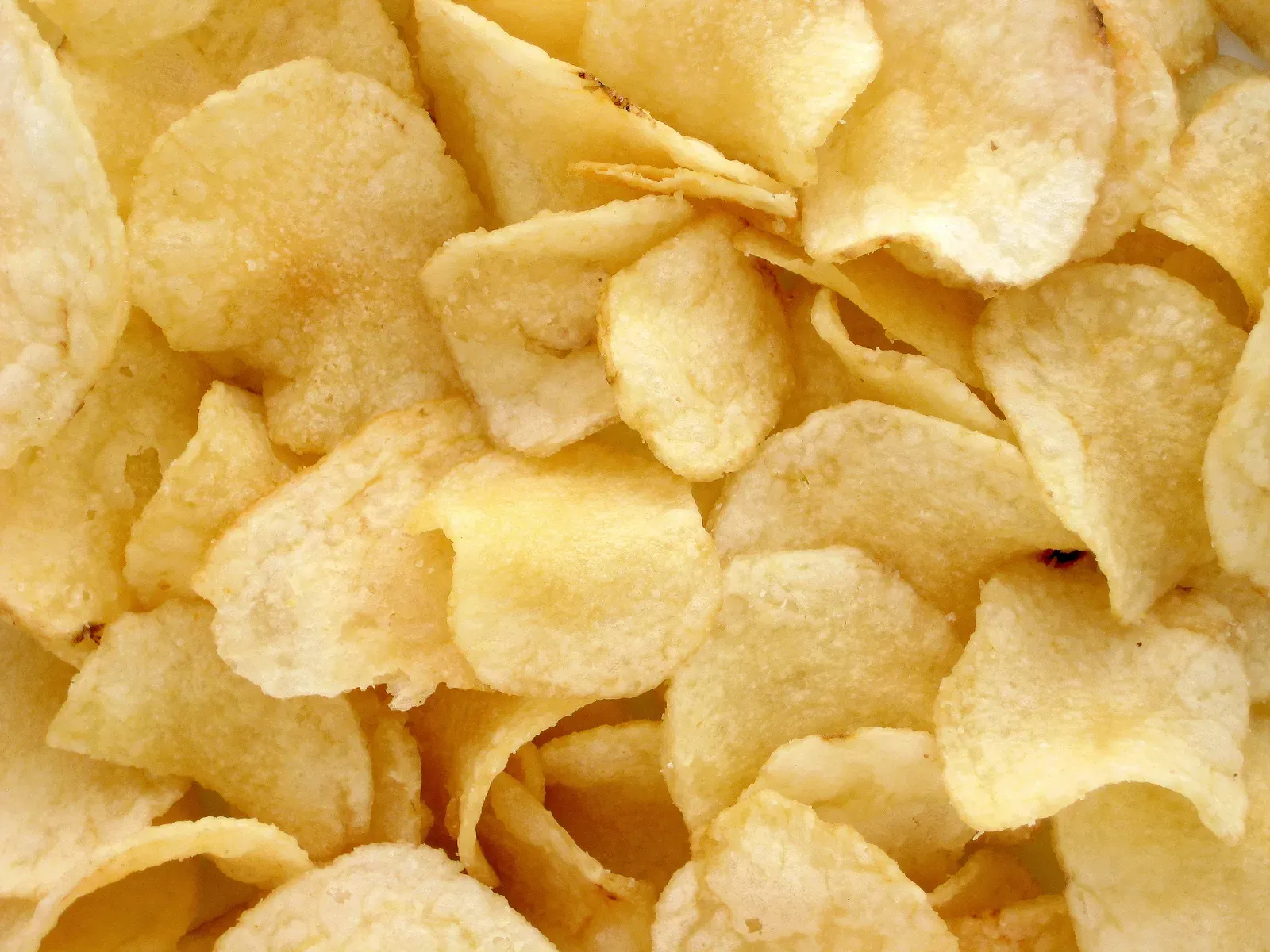
Major players in the snack world are not sitting still. In November 2023, PepsiCo announced a 15% sodium reduction in its Lay’s Classic Potato Chips, lowering sodium to about 140 mg per 28-gram serving. That’s one of America’s most iconic snacks getting a quiet nutritional overhaul.
Salt and sugar play important roles in texture and shelf life, making it difficult and expensive to find natural alternatives. To address this, companies are gradually reducing sodium and sugar levels while introducing reformulated products. It’s a slow, careful process. Think of it less like a revolution and more like a long, slow renovation happening one ingredient at a time.
The FDA Is Pushing Manufacturers to Change
Government policy is actively shaping what ends up on snack labels. The Food and Drug Administration introduced Phase II voluntary sodium-reduction targets in August 2024, aiming for a 20% reduction in sodium across packaged foods within three years. That’s a significant target, and it’s putting real pressure on manufacturers to act.
The FDA’s updated definition of “healthy,” which will take effect in February 2028, imposes strict limits on added sugars, sodium, and saturated fats for products making health claims. In other words, brands won’t be able to slap a “healthy” label on something just because it sounds appealing. There will be actual nutritional standards to meet. Honestly, it’s about time.
Protein Has Become the Snack World’s Buzzword
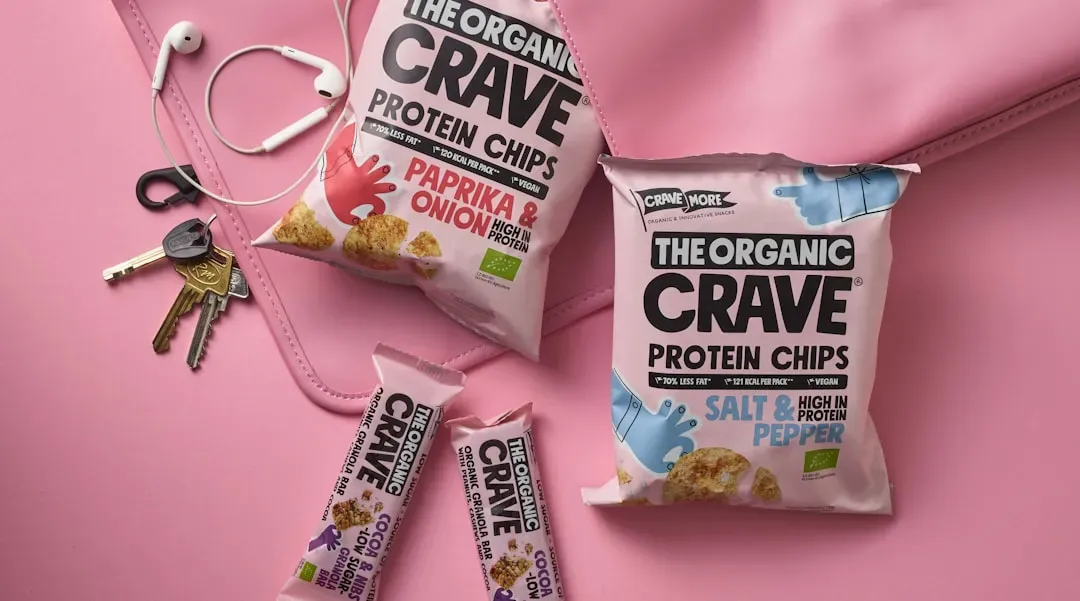
If you’ve walked down a snack aisle recently, you’ve probably noticed that protein is everywhere. On chips. On cookies. On popcorn. According to IFIC data, a high-protein diet was the most common eating pattern for Americans for the third year in a row, and for the fifth straight year, protein was the top nutrient Americans were trying to consume.
While there are different strategies for developing a healthier snack, adding protein has become a popular choice due to its immediate impact on consumer perception. Since consumers see protein as an indicator of healthiness, chips, cookies, and bars featuring a protein claim or the grams of protein on the packaging stand out as a better choice. Whether or not protein-boosted chips are genuinely transformative for your health is debatable. Still, the consumer appetite for them is undeniably real.
Plant-Based Snacks Are Moving Into the Mainstream
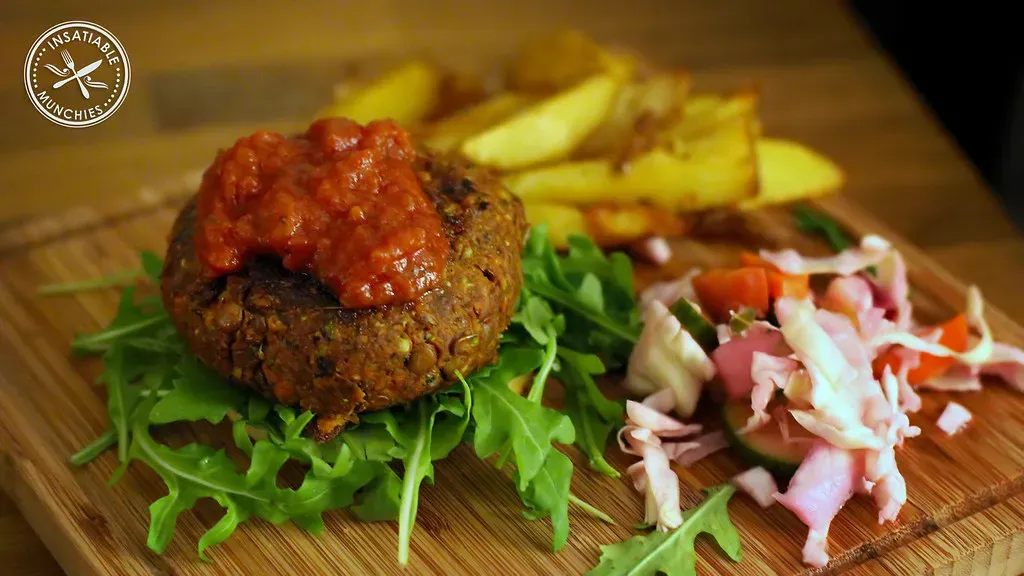
Plant-based eating is no longer just for vegans and hardcore health enthusiasts. Plant-based snacks made entirely from non-animal ingredients are soaring in popularity. Whether it’s jerky made from mushrooms or chips crafted from lentils and chickpeas, these snacks are no longer just for vegans. They’re designed to appeal to anyone looking for sustainable, healthy, and delicious options.
New use and increased consumption are on the rise for protein-fortified savory snacks like protein crackers, pretzels, chips, and popcorn, as well as savory bean snacks like lentil and chickpea chips and puffs. The lentil chip, once considered a curiosity, has officially graduated to a grocery staple. That shift happened faster than most people expected.
Clean Labels and Simpler Ingredients Are in High Demand
Consumers are reading ingredient lists more carefully than ever. A significant 79% of consumers consider whether a food is processed before purchasing, and nearly two thirds actively avoid processed foods at least sometimes. That level of scrutiny is forcing brands to reconsider their formulas.
Consumers are increasingly prioritizing the ingredients in their food and are purchasing products with ingredients that are easy to understand. The perception of food being healthier if prepared in a consumer’s home kitchen will persist as the focus on ultra-processed foods intensifies. Think of it this way: if you can’t pronounce an ingredient, more shoppers today are putting the bag back on the shelf.
Functional Benefits Are the Next Frontier in Snacking
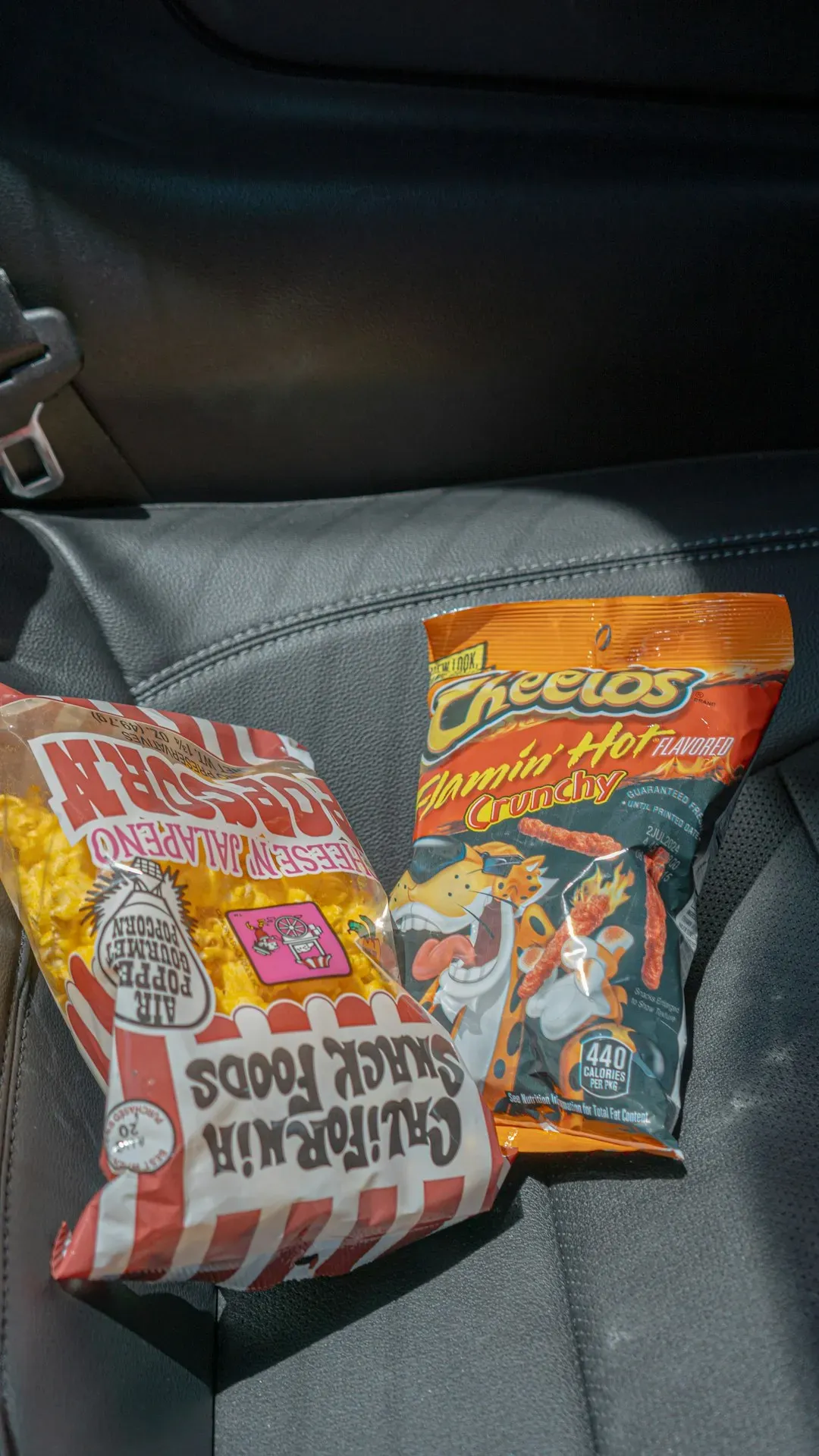
Beyond just reducing the “bad stuff,” brands are now adding ingredients with specific health benefits. Snacks described as better-for-you could be high fiber, low sugar, or reduced sodium, but increasingly they also contain fortified ingredients and functional benefits that provide satiety, energy, relaxation, or even support for brain and gut health.
Collagen is among the breakout ingredients, migrating from supplements to snack foods and drinks. That’s a remarkable journey for an ingredient that most people only knew from beauty products a few years ago. Research shows that when consumers indulge in sweet or savory snacks that provide a functional benefit, they do so at a higher frequency. Functional snacking isn’t a passing phase. It’s shaping up to be a permanent pillar of the industry.
Taste Still Wins, and That’s the Whole Challenge
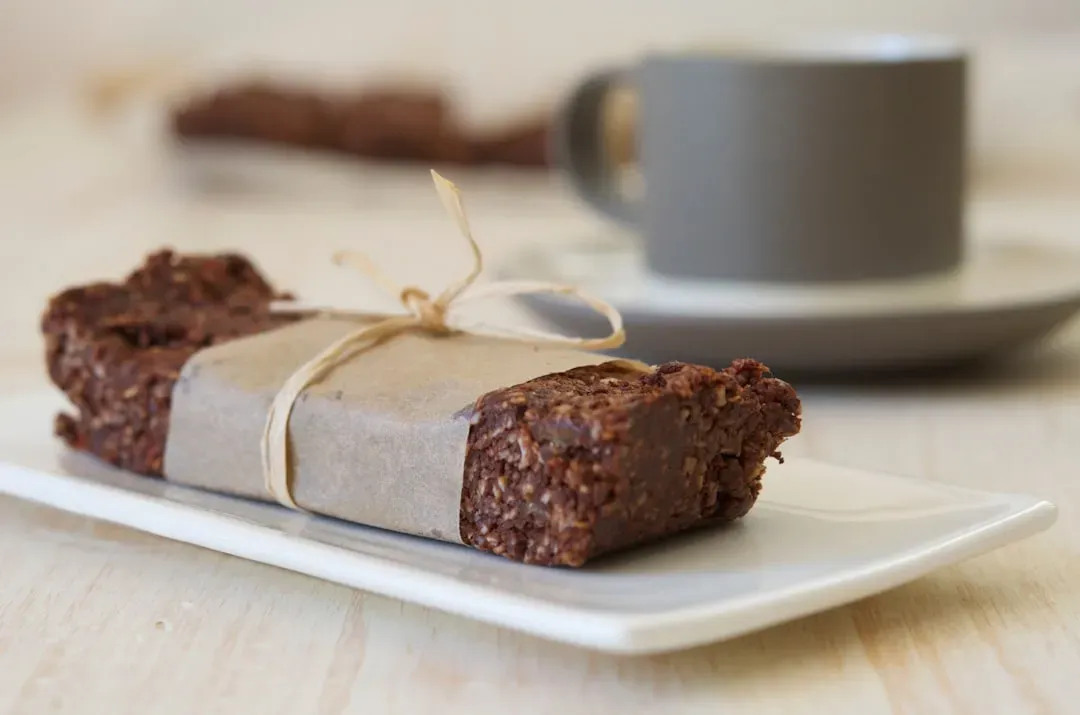
Here’s the uncomfortable truth that no snack brand can ignore. Health credentials alone don’t sell a product. American consumers continue to rank taste at 85% as the most impactful element in their food and beverage purchase decisions. Price remains second at 76%, followed by healthfulness at 62%. Healthfulness matters, but it’s still third.
When consumers were asked why they snack, their first response was purely functional: to satisfy their hunger, followed closely by enjoyment with 41% claiming it provides an extra treat or indulgence in their day. Conversely, only 15% of consumers choose a snack because it is healthy. That gap between intention and behavior is the real puzzle the snack industry is trying to solve. The brands that crack the code, making something genuinely nutritious that people actually want to eat, are the ones that will define the next era of American snacking. What would you have guessed was the top reason Americans reach for a snack? Probably not hunger over health, right?