A Bold Daytime Raid Ignites Alarm (Image Credits: Unsplash)
Paris – The Louvre Museum named experienced art administrator Christophe Leribault as its new director, stepping in to address a cascade of security lapses and operational strains exposed by a high-profile theft.
A Bold Daytime Raid Ignites Alarm
Thieves struck in October with a brazen robbery of jewelry tied to the French crown jewels, one of the most audacious museum thefts in recent history. The incident laid bare significant security shortcomings at the Paris landmark, formerly a royal palace. Public and official scrutiny intensified as details emerged about the daylight operation.
Laurence des Cars resigned as director on Tuesday, paving the way for Leribault’s appointment. French government spokeswoman Maud Bregeon made the announcement the following day. Leribault now confronts an institution under intense pressure to rebuild trust and fortify defenses.
Layered Problems Plague the Icon
Beyond the heist, the Louvre grappled with infrastructure failures and staff discontent. A burst pipe near the Mona Lisa threatened masterpieces, while water leaks damaged invaluable books in the collection. Aging structures compounded these woes, leading to office closures and ongoing maintenance battles.
Workers staged walkouts over overcrowding, insufficient staffing, and recent ticket price increases for most non-European visitors. Authorities recently uncovered a suspected decade-long ticket fraud scheme connected to the museum, potentially costing 10 million euros. These issues painted a portrait of an overstretched national treasure.
- Burst pipes and leaks damaging artifacts
- Staff protests amid understaffing and crowds
- Ticket price hikes sparking backlash
- Long-running fraud allegations
- Aging facilities requiring urgent repairs
Leribault’s Track Record Inspires Confidence
Leribault arrived with strong credentials from managing the Versailles Palace, another storied French site west of Paris. There, he oversaw an annual budget of about 170 million euros and coordinated Olympic equestrian events during the 2024 Paris Summer Games. His prior role as head of Paris’ Orsay Museum further burnished his reputation in cultural stewardship.
Bregeon described him as “very solid, trusted,” poised to bring vision and calm. The Culture Ministry praised his extensive experience leading major institutions. Priorities include bolstering security for buildings, collections, visitors, and staff while restoring internal trust.
Macron’s Vision for Renewal Takes Shape
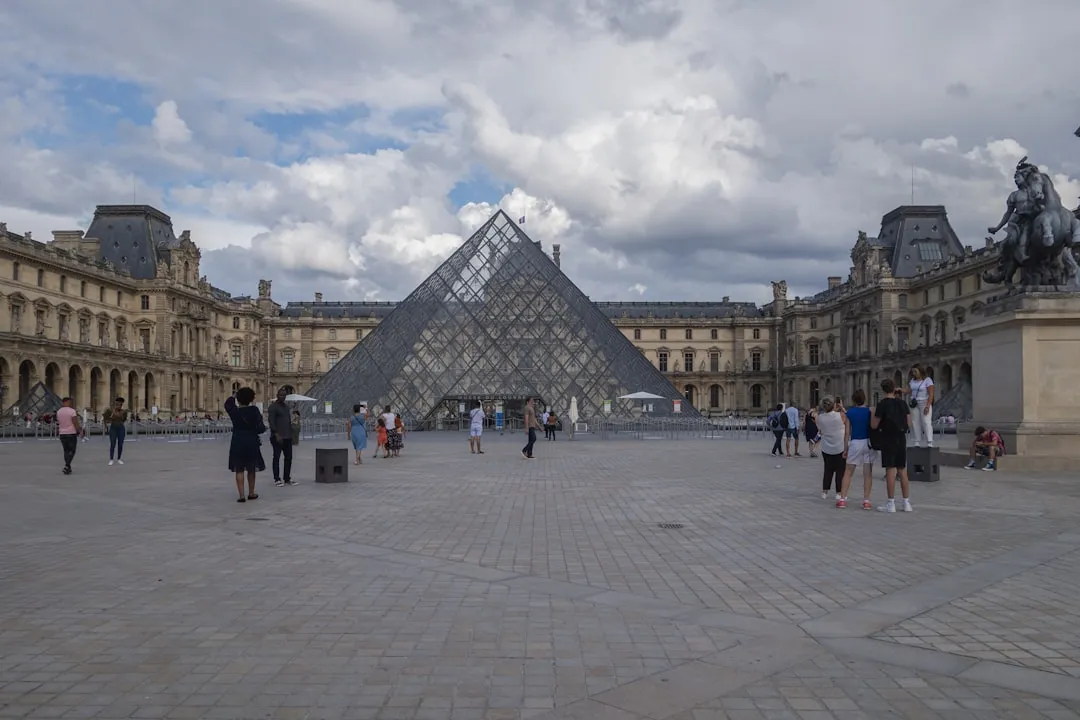
Leribault inherits key initiatives, notably President Emmanuel Macron’s “Louvre New Renaissance” plan unveiled in January 2025. This comprehensive overhaul, potentially spanning a decade, targets modernization amid mass tourism’s toll. Features include a new Seine River entrance to relieve strain on I.M. Pei’s iconic pyramid, expanded underground areas, and a dedicated Mona Lisa room with timed entry to manage flows.
The project carries an estimated price tag of 1.15 billion euros, funded through ticket sales, government aid, donations, and revenue from the Louvre’s Abu Dhabi outpost. Bregeon noted that Leribault will drive these critical efforts for the museum’s future.
Key Takeaways
- Leribault steps in post-resignation amid heist scrutiny and fraud revelations.
- His Versailles success equips him for security and renovation challenges.
- Macron’s 1.15 billion euro plan promises better crowd control and infrastructure.
As the Louvre navigates this pivotal transition, Leribault’s leadership offers a steady hand for recovery and reinvention. The museum’s global stature demands swift action to safeguard its legacy. What steps do you believe will most transform the visitor experience? Share your thoughts in the comments.