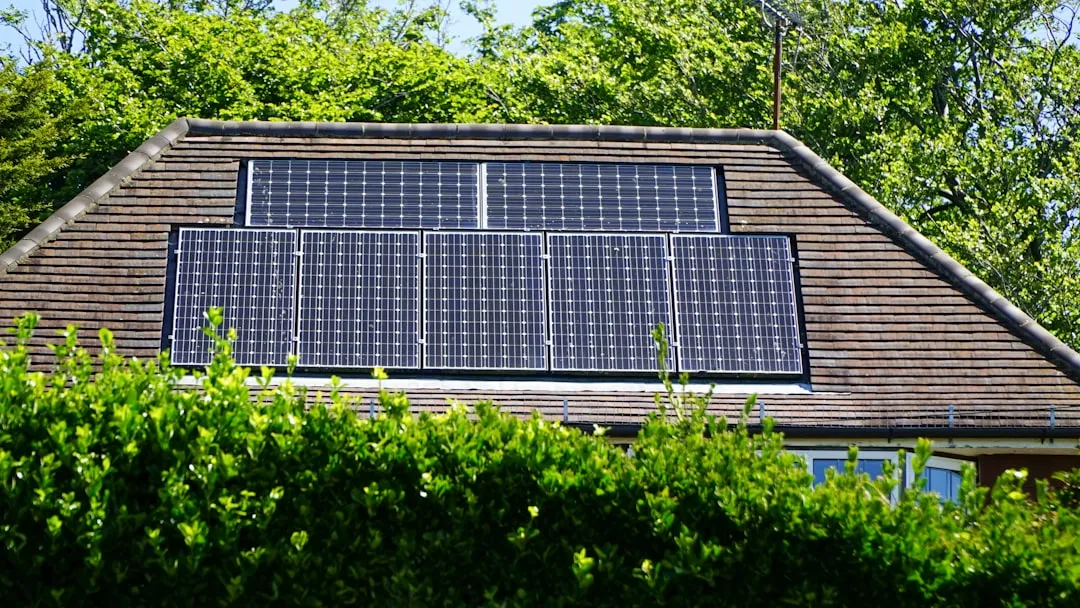
Residential Credits Expire, Reshaping the Market (Image Credits: Unsplash)
Rooftop solar adoption continues amid shifting federal incentives that favor third-party arrangements over traditional purchases.
Residential Credits Expire, Reshaping the Market
The 30% Residential Clean Energy Credit under Section 25D of the tax code concluded on December 31, 2025, eliminating direct federal rebates for homeowners who buy and own solar systems.[1] Installers reported a rush of installations in late 2025 to capture the incentive before its end. This change prompted a swift industry pivot.
Providers now emphasize leases and power purchase agreements, where they retain ownership. These models allow companies to access commercial tax credits unavailable to individual buyers. Customers benefit indirectly through reduced monthly costs.
Third-Party Ownership Unlocks Ongoing Incentives
Solar firms claim the Section 48E Investment Tax Credit on leased systems, which remains viable for projects starting construction before mid-2026 or placed in service by early 2028.[2] Savings from this credit typically lower lease payments by 10-20%, making solar accessible without large upfront investments. Industry experts noted this structure dominated discussions at recent trade events.
Homeowners pay a fixed rate per kilowatt-hour produced or a flat monthly fee. Contracts often span 20-25 years, with options to buy out at the end. This approach sustains solar growth despite the residential credit’s demise.[3]
Leasing Versus Buying: A Side-by-Side Comparison
Deciding between models requires weighing immediate access against long-term control. Leases eliminate down payments but limit equity buildup. Purchases offered superior returns under prior rules but now lack federal support.
| Aspect | Lease/PPA | Purchase (Post-2025) |
|---|---|---|
| Tax Credit Access | Indirect via provider savings | None federally |
| Upfront Cost | $0 often | Full system price |
| Ownership | No (provider owns) | Yes |
| Home Value Impact | Minimal | Potential increase |
Data from recent analyses highlight leases’ edge in cash flow for renters or those avoiding debt.[4]
Key Factors for Potential Adopters
Local utility rates and state rebates influence viability. High electricity costs amplify lease appeal. Review contract escalators, which raise payments annually by 2-3%.
- Verify provider’s credit pass-through guarantees.
- Assess roof suitability and production estimates.
- Compare total costs over 25 years using online calculators.
- Check for buyout clauses or removal policies at term end.
- Consult tax advisors on any residual benefits.
Key Takeaways
- Federal credits shifted to commercial models, favoring leases.
- Leases offer no-down solar with predictable bills.
- Ownership provides control but forfeits incentives now.
Solar remains a hedge against rising energy prices, even as ownership fades from favor. Homeowners weighing options should prioritize long-term savings and contract clarity. What financing path suits your home best? Share your thoughts in the comments.