Calls for Measured Resistance (Image Credits: Upload.wikimedia.org)
Washington, D.C. – President Donald Trump encountered multifaceted Democratic opposition during his two-hour State of the Union address on Tuesday, as lawmakers employed subtle refusals to applaud alongside more overt displays of dissent.[1]
Calls for Measured Resistance
House Minority Leader Hakeem Jeffries advised Democrats to attend the speech with “silent defiance” or opt out entirely. Many heeded the guidance by remaining seated during applause lines, creating stark visual contrasts in the chamber. Others deviated from the plan, opting for interruptions that drew direct rebukes from the president.[1]
Trump paused multiple times to address the lack of enthusiasm from the Democratic side. He told them, “You should be ashamed of yourself,” and later remarked, “These people are crazy… Democrats are destroying our country.” The exchanges underscored the partisan tension that permeated the evening.[1]
Signs and Shouts Break the Quiet
Representative Al Green of Texas opened the protests dramatically by holding a sign stating “Black people aren’t apes,” referencing a racist video Trump had posted and later deleted depicting the Obamas as apes. Security escorted Green from the chamber, marking the second consecutive year he faced removal for similar actions.[1]
Later, as Trump highlighted his immigration policies, Representative Norma Torres of California displayed photos of U.S. citizens Renee Good and Alex Pretti, who died in encounters with immigration enforcement officers in Minneapolis last month. Representative Ilhan Omar of Minnesota shouted, “You have killed Americans,” amplifying the criticism of federal actions in sanctuary cities.[1]
Skipping the Speech for Alternatives
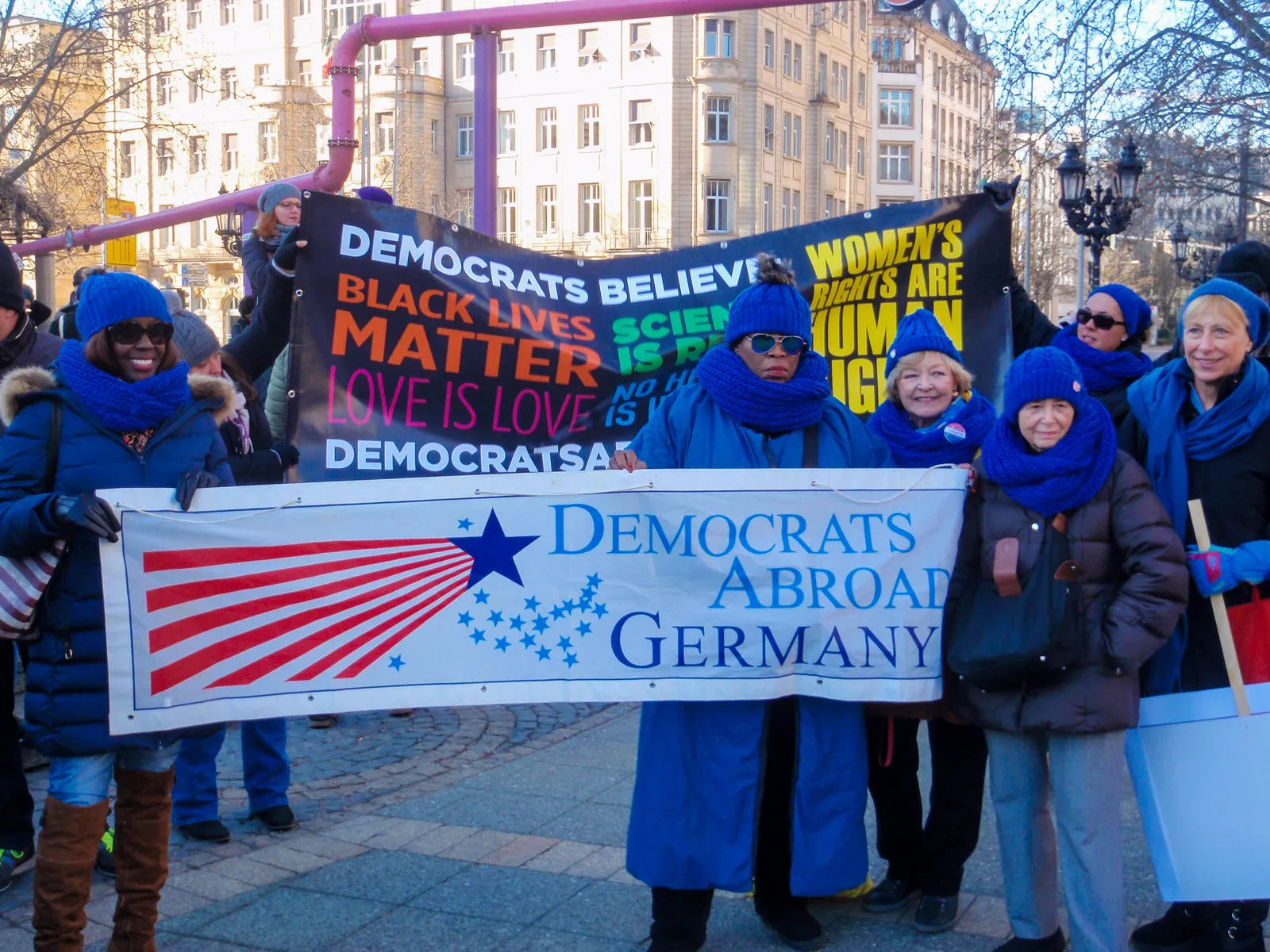
Dozens of Democratic lawmakers chose not to attend, joining a counter-gathering known as the People’s State of the Union on the National Mall. Amid chilly conditions, several addressed a crowd of a few hundred protesters, focusing on policy impacts from immigration to government cuts.[1][2]
Others walked out mid-speech, posting about their decisions online. Senator Chris Murphy of Connecticut explained his absence by stating Trump made a “mockery of this great institution.” The event featured community leaders and highlighted constituents affected by recent administration moves.[2]
Guests Amplify Survivor Voices
Democrats brought more than a dozen individuals claiming victimization by Jeffrey Epstein to the Capitol as guests. Lawmakers and attendees wore pins reading “stand with survivors, release the files,” drawing attention to ongoing scrutiny of the administration’s handling of related documents. The Democratic Women’s Caucus organized a pre-speech press event to spotlight these issues.[1]
This tactic extended the protest beyond chamber antics, pressuring both parties amid Republican calls for transparency as well. The presence of these guests wove personal stories into the broader political narrative.[1]
Polling Backdrop and Midterm Stakes
The demonstrations unfolded against polls indicating widespread discontent. An NPR/PBS News/Marist survey found 57% of respondents viewed the state of the union as not strong, with 80% of Democrats and two-thirds of independents agreeing. Similarly, 60% believed the country fared worse than a year prior.[1]
- Silent non-applause highlighted policy disagreements without disruption.
- Signs and photos targeted specific controversies like racism and immigration deaths.
- Boycotts channeled energy into public forums like the People’s State of the Union.
- Guest invitations personalized demands for accountability on Epstein files.
- Shouts from figures like Omar provoked real-time exchanges with Trump.
Key Takeaways
- Democrats balanced restraint with visibility to signal midterm readiness.
- Protests zeroed in on immigration, racism, and transparency lapses.
- Trump’s lengthy address amplified opportunities for dissent.
These varied tactics positioned Democrats to harness public skepticism heading into the midterms, where they seek House and Senate advances. The night’s events previewed a contentious campaign season. What are your thoughts on these congressional protests? Share in the comments.