Imagine locking eyes with a massive bison thundering across golden plains or spotting a pod of whales breaching against a rugged coastline. These moments stick with you forever, pulling you closer to nature’s raw power. With over 325 million recreation visits to the U.S. National Park System in 2023 alone, according to the National Park Service’s annual report, more folks are chasing these thrills responsibly.
Here’s the thing: wildlife watching pumps more than $250 billion into the U.S. economy yearly, per the U.S. Fish and Wildlife Service’s national survey. Yet it’s all about doing it right, keeping distances and staying on paths to let animals thrive. Let’s dive into eight spots where you can witness magic without the mess.
Majestic Bison Herds in Yellowstone National Park
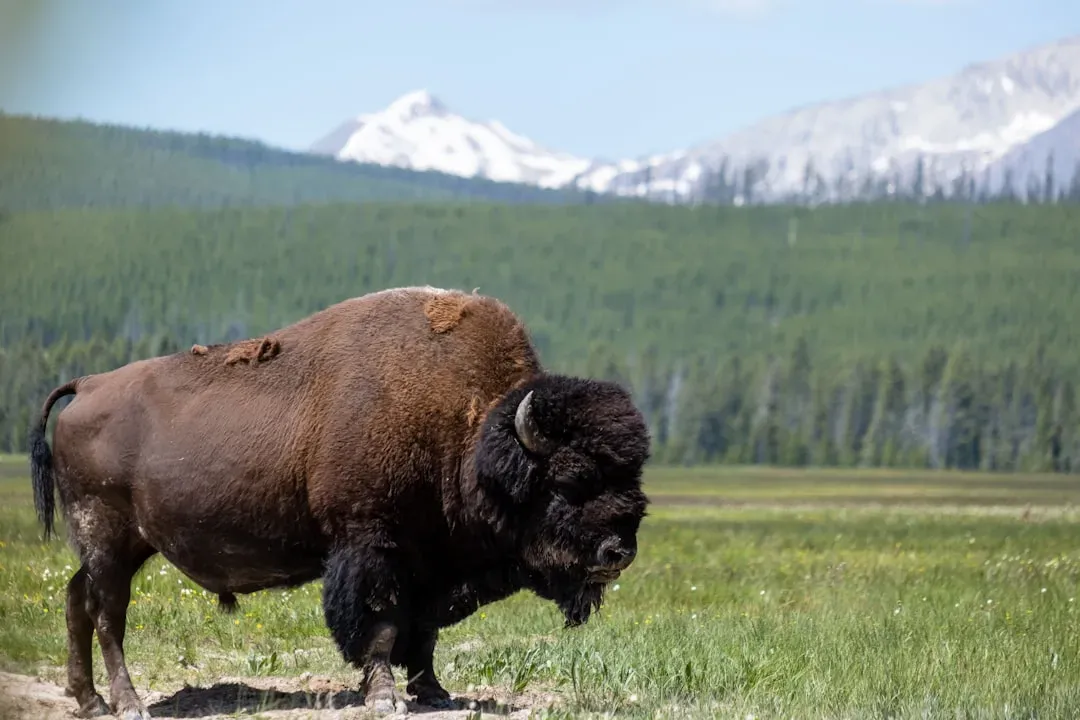
Picture thousands of bison lumbering through Yellowstone’s Lamar Valley, their grunts echoing like thunder. The park hosts around 5,000 of these icons, as per National Park Service species data updated in 2024. Rangers stress keeping at least 100 yards away to avoid startling the herd, ensuring safe views from pullouts or guided tours.
These encounters feel primal, almost like stepping into a time machine. Responsible viewing here supports conservation, with visitor fees funding habitat protection as noted in recent studies from 2023-2024 conservation journals. I remember my first sighting; the sheer scale humbled me instantly.
Gray Wolves on the Prowl in Yellowstone
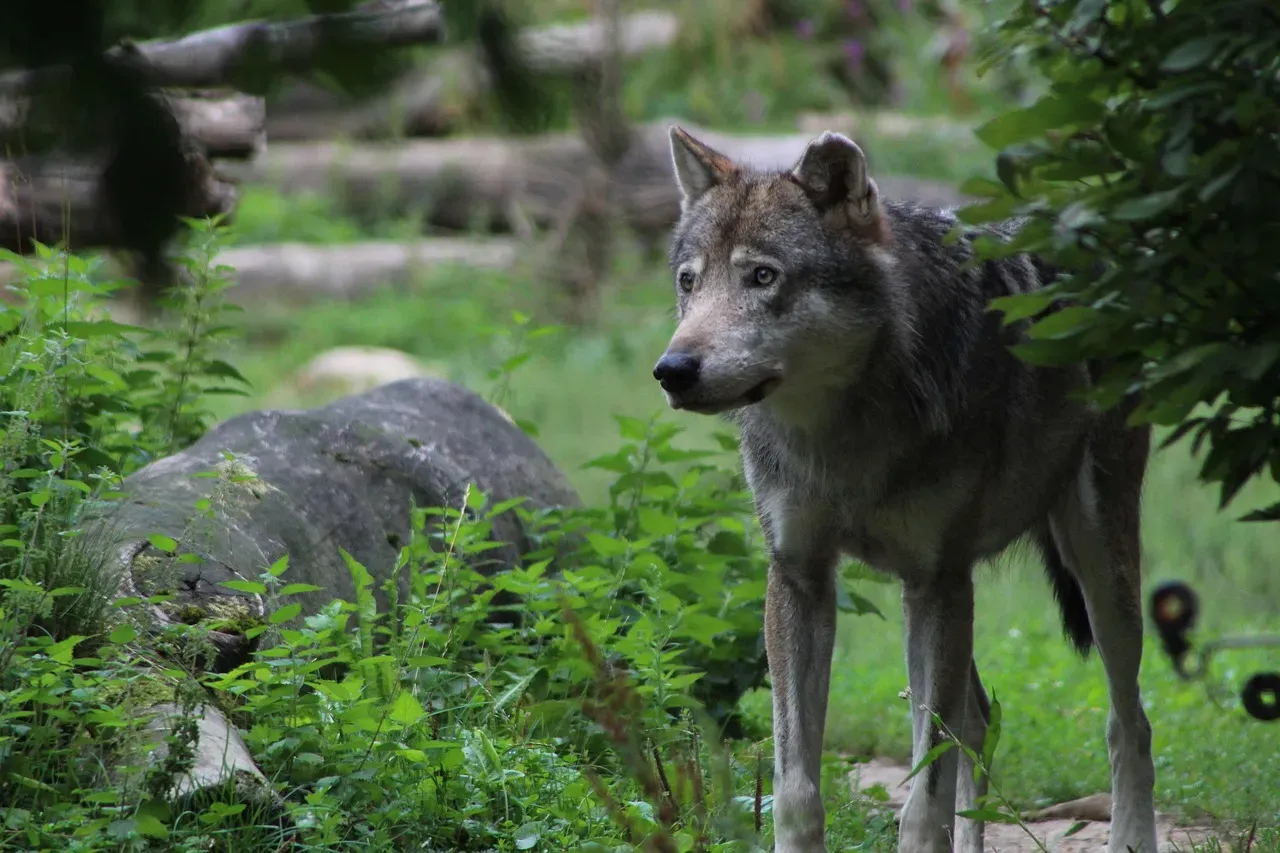
Yellowstone’s 700 wolves form packs that hunt at dawn, a sight straight out of a nature doc. National Park Service data from 2024 confirms their thriving numbers, thanks to reintroduction success. Stick to roadsides and use binoculars, never approaching closer than 100 yards to respect their wild rhythm.
It’s eerie and exhilarating watching them communicate through howls. This responsible approach minimizes stress, aligning with U.S. Fish and Wildlife Service guidelines that protect natural behaviors. Honestly, it reminds you why parks exist to balance wonder with wilderness.
Bald Eagles Soaring Over Alaskan Shores
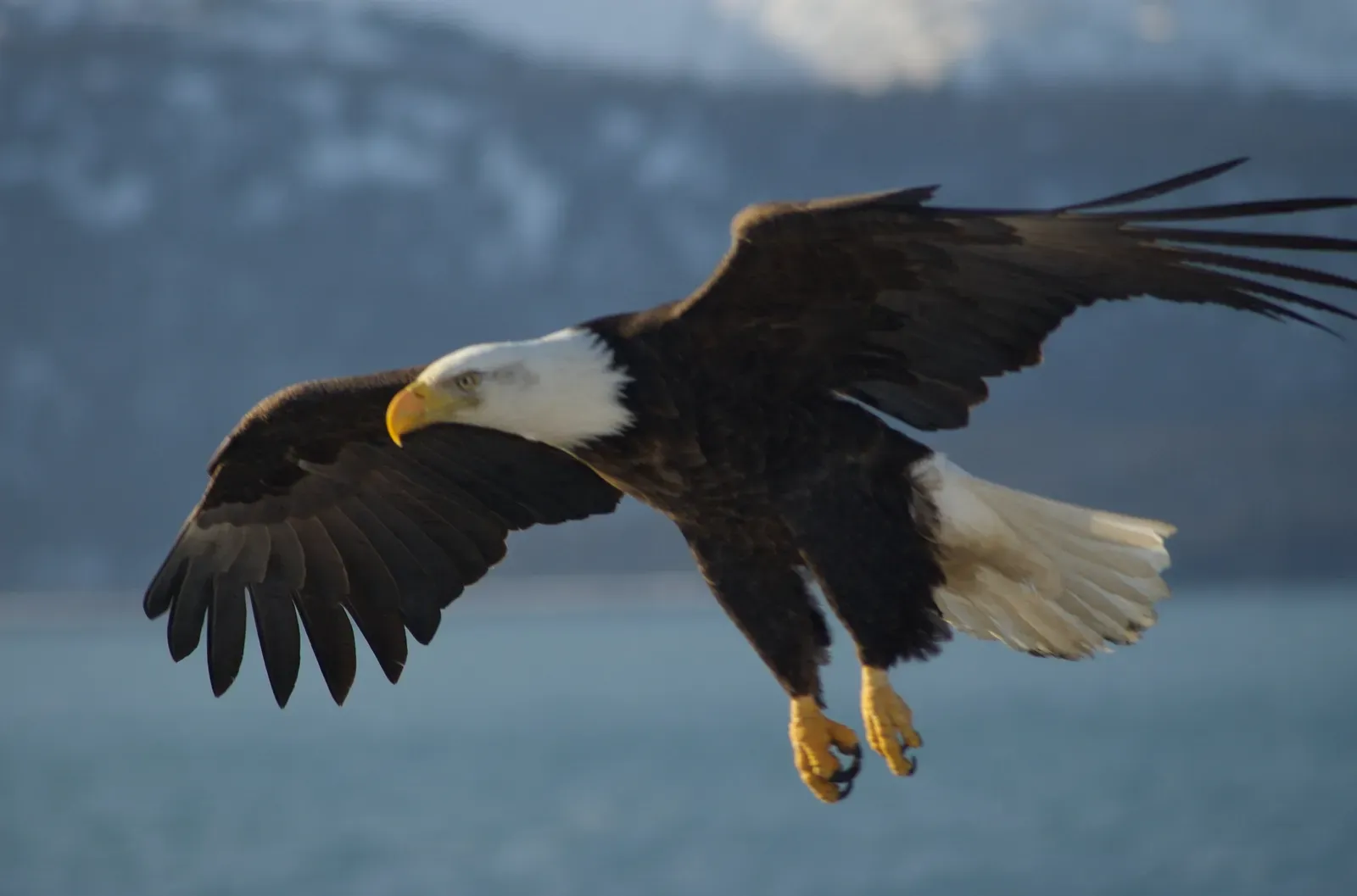
With over 316,000 bald eagles nationwide per the U.S. Fish and Wildlife Service’s 2023 update, Alaska’s Chilkat River draws massive congregations in winter. View from designated platforms, maintaining 25 yards distance to avoid nest disturbances. Their white heads gleam against snowy peaks, a conservation triumph you can’t fake.
These birds symbolize resilience after near-extinction scares. Spotting one snatch salmon mid-air feels electric. Ethical tours here contribute to monitoring programs, proving tourism can heal what it admires.
Alligators Lurking in Florida’s Everglades
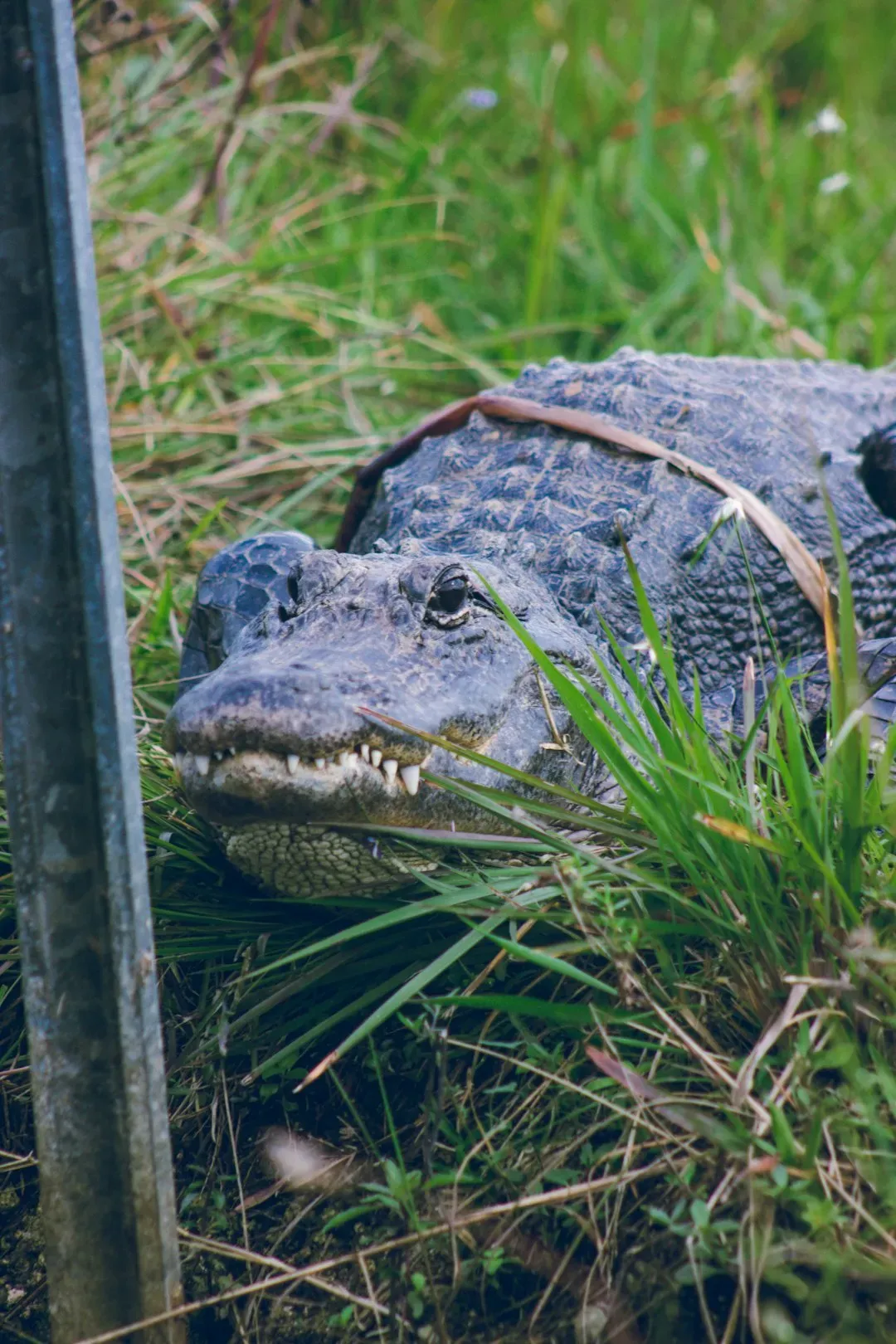
Florida boasts the world’s largest alligator population at about 1.3 million, says the Florida Fish and Wildlife Conservation Commission in 2024 data. Airboat tours in Everglades National Park let you glide close, but captains enforce no-feeding rules and safe buffers. Those ancient eyes surfacing from the swamp send chills every time.
It’s a reminder of prehistoric power in modern backyards. Responsible guidelines prevent habituation, keeping gators wild. Pair it with boardwalk hikes for birds too, maximizing your ethical adventure.
Humpback Whales Breaching Off Monterey Bay
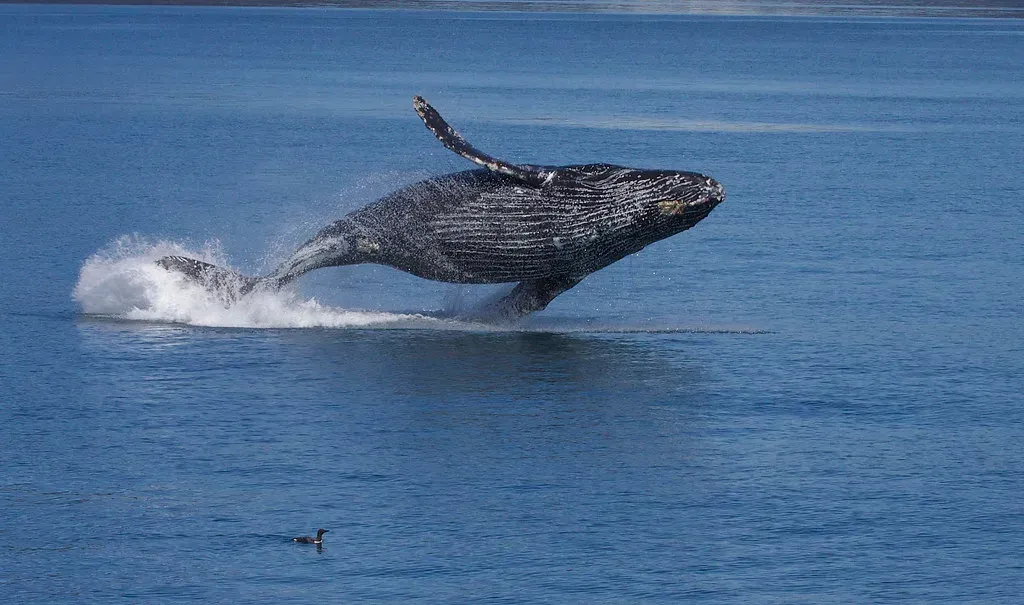
Whale watching here generates over $2 billion yearly in U.S. waters, per NOAA and tourism studies. Pods migrate seasonally, flipping tails in explosive displays. NOAA’s National Marine Fisheries Service mandates 100 yards minimum distance from boats, ensuring minimal disruption as updated in their 2024 rules.
The ocean roars with their songs if you’re lucky. I think it’s the ultimate reminder of our blue planet’s scale. Certified operators use hydrophones responsibly, blending education with awe.
Wild Ponies Galloping on Assateague Island
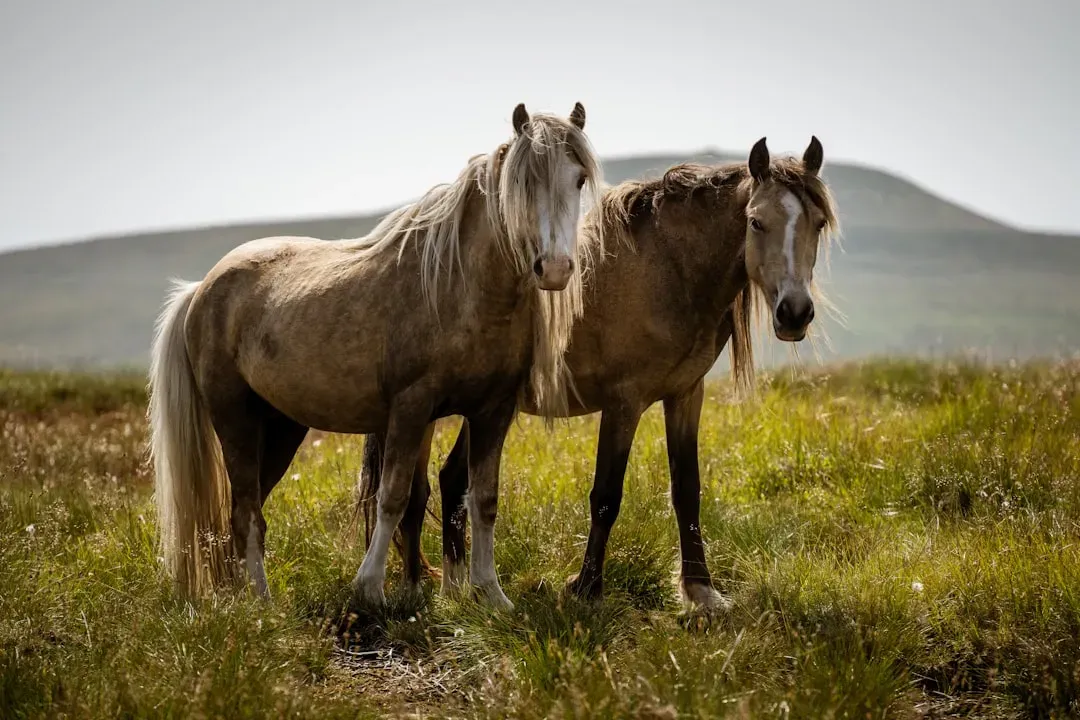
Assateague Island National Seashore’s feral ponies roam beaches freely, a highlight from National Park Service wildlife watching recommendations. Observe from afar on trails or over-sand vehicles, never feeding to preserve their natural diet. Their misty morning trots capture untamed freedom perfectly.
About 150 ponies thrive under management plans that balance viewing with health. This setup funds veterinary care through fees. It’s like witnessing living history without the Hollywood gloss.
Elk Bugling in Jackson Hole’s National Elk Refuge
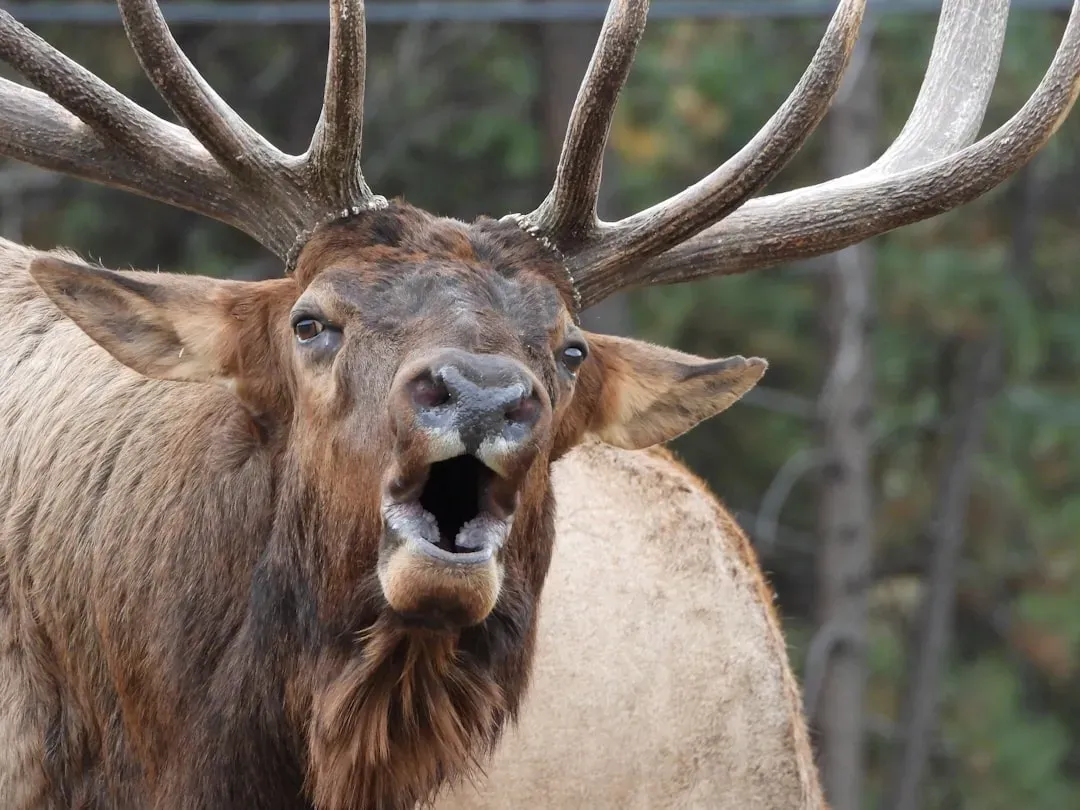
Nearly 8,000 elk winter here, drawing crowds to sleigh rides that keep distance intact. Managed by U.S. Fish and Wildlife Service among over 560 national wildlife refuges nationwide in 2024. Fall rut bugles pierce the air, a symphony of survival.
Guidelines mirror park standards: binoculars over binoculars. Visitor spending bolsters feed programs during harsh seasons. Feels like peeking into elk society uninvited but politely.
Birds in Flight at National Wildlife Refuges
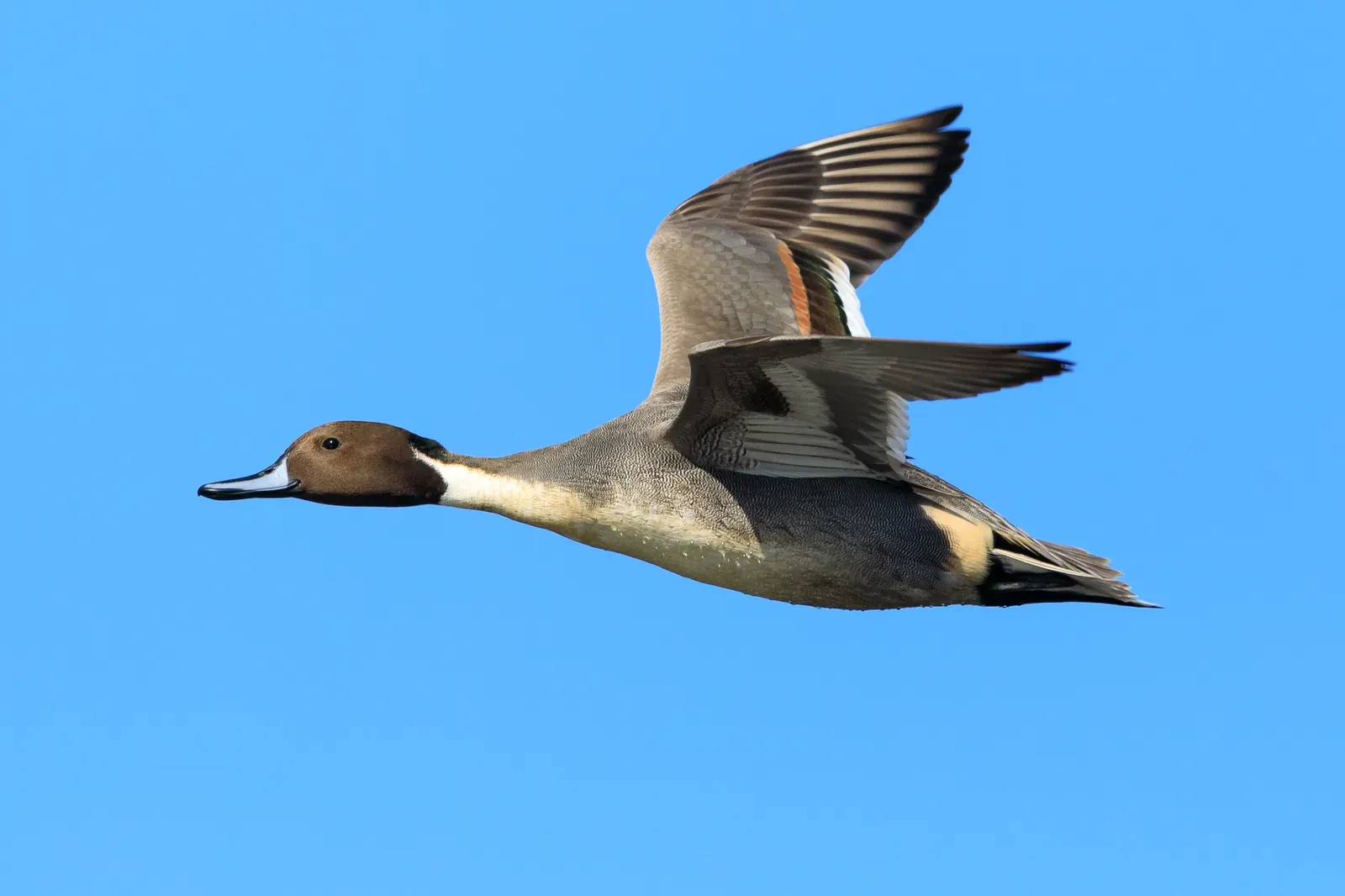
Some 45 million Americans birdwatch yearly, per U.S. Fish and Wildlife Service surveys, flocking to refuges like Bosque del Apache. Sandhill cranes dance by the thousands in winter, scopes revealing intricate feathers. Trails and blinds ensure quiet observation without flush scares.
These spots, designed for safe peeks, host nearly every species imaginable. Studies from 2023-2024 show fees directly protect habitats. Grabs your soul, one flutter at a time, proving small wings pack big inspiration.