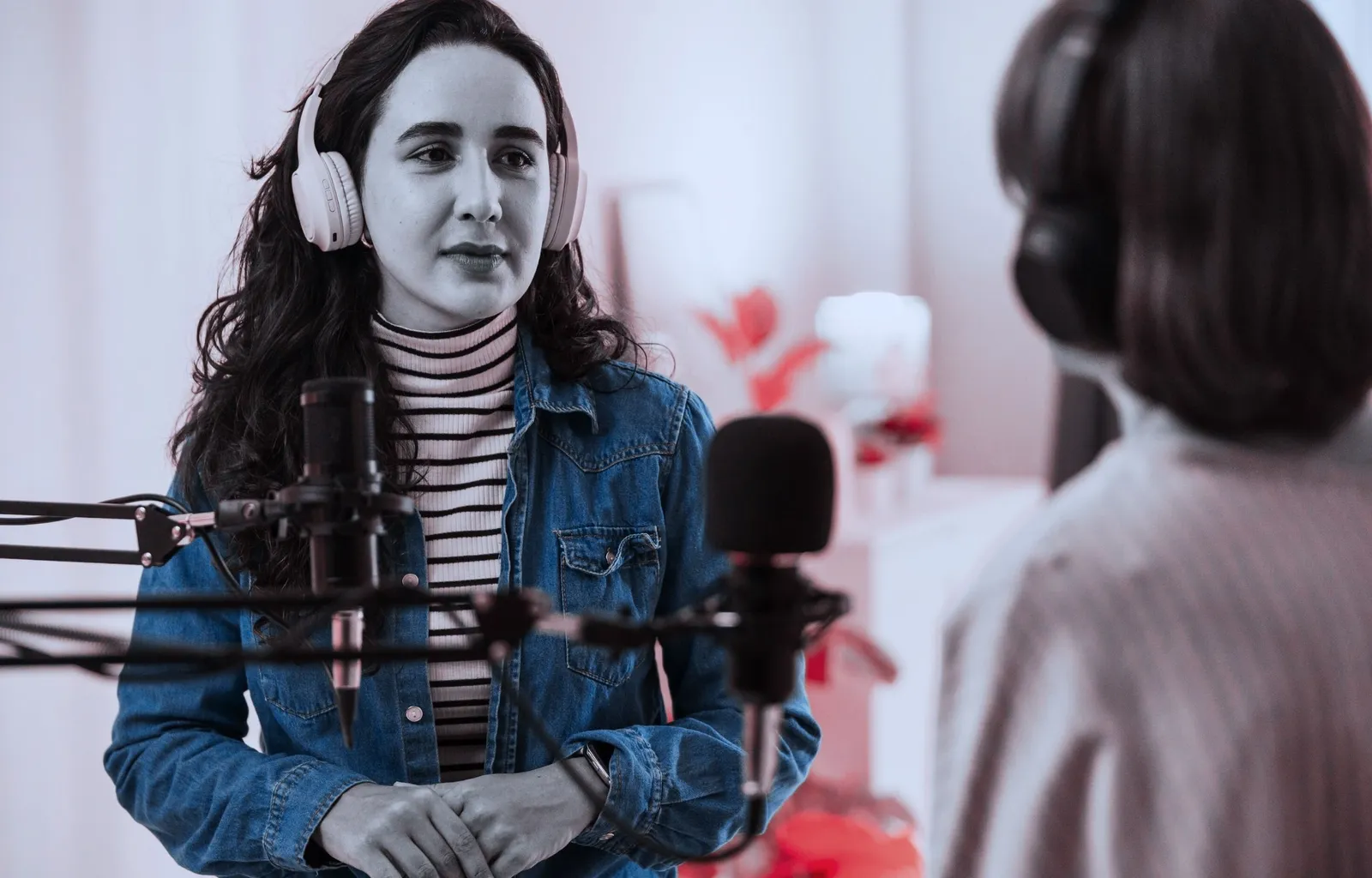
A Historic Flip in the Numbers (Image Credits: Entrepreneur.com)
United States – Edison Research reported that podcasts captured a larger portion of spoken-word audio listening time than AM/FM talk radio during the final quarter of 2025.[1][2]
A Historic Flip in the Numbers
Among Americans aged 13 and older, podcasts accounted for 40 percent of spoken-word listening time in the fourth quarter of 2025. AM/FM talk radio trailed slightly at 39 percent. This marked the first instance where podcasts pulled ahead in the category.[3]
Edison Research’s Share of Ear study tracked these shifts closely. The firm estimated 115 million weekly podcast listeners across the country. Such figures underscored a narrow but significant lead after years of steady gains.
Tracing a Decade of Audio Evolution
Ten years earlier, in 2015, talk radio dominated with 75 percent of spoken-word listening. Podcasts held just 10 percent at that time. Radio’s share eroded gradually while podcast consumption climbed consistently.[1]
By late 2025, the gap closed dramatically. Factors like mobile access and streaming platforms fueled the change. Video podcasts also gained traction, with 85 percent of weekly listeners engaging with some visual element.[2]
Drivers Behind Podcast Dominance
On-demand availability set podcasts apart from scheduled radio broadcasts. Listeners accessed content anytime, anywhere, across devices. Niche topics flourished, from true crime to business advice, drawing dedicated audiences.
Platforms like Spotify and YouTube amplified reach. YouTube alone logged 700 million hours of podcast viewing monthly on TVs in 2025. iHeartMedia noted that 55 percent of Americans tuned into podcasts monthly.[1]
- Convenience of pausing and resuming episodes.
- Diverse genres catering to specific interests.
- Integration of video for enhanced engagement.
- Lower barriers to entry for creators.
- Growth in smart speaker and car audio playback.
Opportunities and Challenges for Business
The shift opened doors for advertisers targeting engaged listeners. With 4.7 million podcasts and 190 million episodes available, competition intensified for creators. Major players like Netflix invested heavily, securing video podcast deals with iHeartMedia and Barstool Sports.
Mikah Sargent, a podcast producer at TWiT.tv, highlighted the potential: “Now people get to have a podcast playing in the background while they’re doing things, and if Netflix can be the place where they go to do that, then I think it’s a win for the company.”[1]
Radio stations adapted by converting shows into podcasts. This preserved audiences but pressured traditional ad models. Businesses eyed podcasts for precise targeting and higher listener loyalty.
| Year | Podcasts (%) | Talk Radio (%) |
|---|---|---|
| 2015 | 10 | 75 |
| Q4 2025 | 40 | 39 |
Key Takeaways:
- Podcasts lead spoken-word audio at 40 percent share.
- 115 million weekly U.S. listeners signal massive scale.
- Video integration boosts accessibility and investment.
This milestone affirmed podcasts’ mainstream status and hinted at further fragmentation in audio media. Traditional radio retained strengths in live updates, yet the on-demand era advanced relentlessly. What impact will this have on your media strategy? Share your thoughts in the comments.