Utility bills have a quiet way of creeping up on you. You keep the lights off, you avoid long showers, and yet every month the number on that bill seems to grow. It turns out the real problem isn’t your habits so much as the tools you’re using to manage energy. Smart home technology has entered the picture as something far more than a gadget upgrade. It’s becoming a genuine financial strategy.
The question isn’t just “can these devices help?” It’s “how much, and is it actually worth the upfront cost?” The answers are more nuanced than most smart home ads will admit. Let’s dive in.
Your Thermostat Is Where the Money Goes First
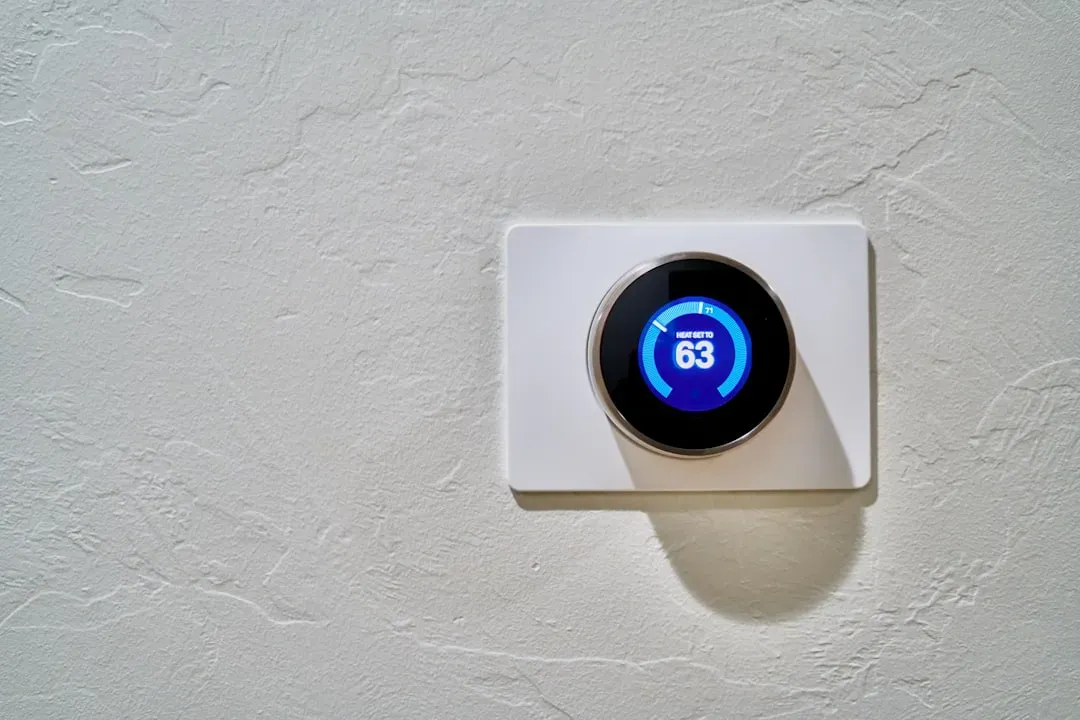
Honestly, if there’s one place to start when thinking about smart home savings, it’s the thermostat. On average, more than half of a U.S. household’s energy consumption comes from just two uses: heating and cooling. That’s a staggering share of your bill coming from a single system. Getting that system to operate smarter is the fastest path to real savings.
On average, savings from ENERGY STAR-certified smart thermostats are approximately 8% of heating and cooling bills, or $50 per year, though savings may be greater depending on climate, personal comfort preferences, occupancy, and HVAC equipment. That might not sound earth-shattering, but it adds up over time.
In 2024, Google conducted an updated assessment of real-world energy savings that households have achieved from replacing conventional thermostats with Nest thermostats, finding that on average Nest thermostats can help save 12% on heating bills and 15% on cooling bills. Those are numbers worth paying attention to.
Smart Lighting Does More Than Set the Mood

You’ve probably heard that LED bulbs save energy. That’s true. But smart lighting systems take it several steps further. Smart lighting systems, especially those using LED bulbs and motion sensors, can reduce lighting energy consumption by up to 75%. That’s a dramatic reduction compared to old incandescent bulbs.
The global smart lighting market is projected to grow from USD $15.5 billion in 2023 to approximately USD $35.3 billion by 2028, with active households that use smart lighting expected to reach 714.4 million by 2029, and smart lighting systems delivering significant energy savings of 35% to 70% in lighting costs.
Think of it this way. A traditional light bulb left on in an empty room is like leaving a tap running. A smart motion-sensor light shuts off automatically. Over hundreds of hours a year, that difference is anything but trivial.
The Global Smart Home Market Has Already Crossed a Massive Milestone
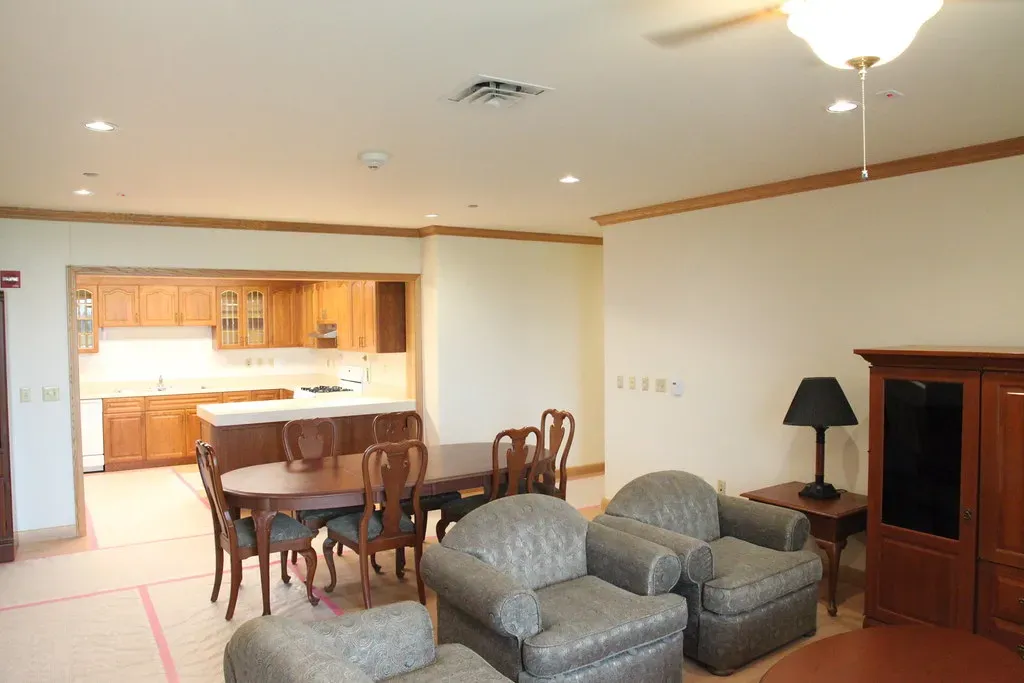
Here’s some context for just how mainstream this technology has become. The global smart home market was valued at $147.52 billion in 2025 and is expected to reach $500 billion by 2032. That’s not just growth. That’s a full-scale shift in how the world thinks about where we live.
Forty-five percent of internet-connected U.S. households have at least one smart home device, according to Parks Associates’ Smart Home Dashboard. Nearly half of connected homes are already participating in this transition.
The U.S. smart home market is gaining serious momentum, climbing from roughly $50.3 billion in 2025 to about $54.5 billion in 2026, reflecting rising demand for connected security, energy management, and convenience-driven devices as smart tech becomes more mainstream.
Energy Monitoring Systems: Know Before You Pay

One of the most underrated tools in the smart home space isn’t the flashiest device on the shelf. It’s the home energy monitor. Studies have shown that households using smart energy monitoring systems can reduce their electricity consumption by 10-15% simply through increased awareness of their usage patterns, and modern homeowners are using these devices to make informed decisions that ultimately reduce utility bills.
The detailed consumption data provided by smart meters also helps identify malfunctioning appliances or phantom loads that continue drawing power when devices are supposedly turned off, allowing homeowners to address these issues before they result in substantial increases to their utility bills.
It’s a bit like going on a budget. You don’t really know where your money is going until you track it. Energy monitors give you the same clarity, room by room, appliance by appliance. Systems like the Sense Energy Monitor or Nest Hub track energy use and optimize appliance settings, with benefits saving 5-15% annually on electricity bills, approximately $100 to $300.
Demand Response Programs: Getting Paid to Use Less Energy
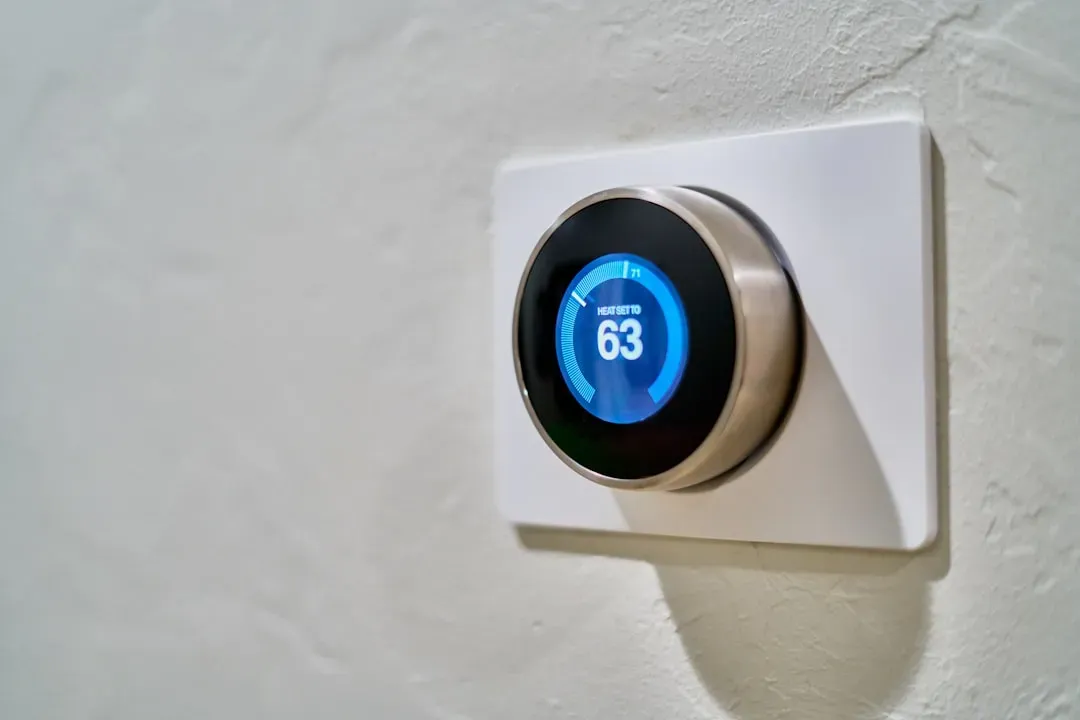
Here’s a concept that surprises most people. Some utility companies will actually pay you to reduce your energy use at specific times. Smart thermostats reduce energy consumption by learning user preferences and automatically adjusting heating and cooling schedules, with some models even participating in demand response programs which allow utilities to tweak thermostat settings during peak hours in exchange for incentives.
Duke Energy customers in Indiana, North Carolina, and South Carolina can receive bill credits by enrolling a qualifying smart thermostat in the company’s demand-response program, where the utility may briefly adjust the temperature of enrolled thermostats by no more than 4 degrees during high-demand periods, with events typically lasting one to two hours, and customers receiving a minimum of $75 in bill credits after enrolling.
Let’s be real: getting a bill credit for something you barely notice is one of the better financial deals out there for homeowners right now.
The Real Upfront Costs You Should Know About
This is where many enthusiastic smart home articles go silent. The upfront costs matter, and they’re not always small. Smart home system installation costs range from $205 to $1,659, according to Angi. That’s a wide range depending on what you’re installing and how complex the setup is.
The retail price of a smart thermostat is between $120 and $250, not including installation, while a mechanical thermostat may only cost between $15 and $50. So the gap is real, especially for a first-time buyer.
However, context is everything. Studies suggest smart thermostats can reduce heating and cooling costs by 10-20% annually, and Nest estimates users save an average of 10-12% on heating and 15% on cooling annually, resulting in an estimated savings of $131 to $145 per year. With those figures, the device pays for itself within two to three years in many cases.
Rebates and Incentives Can Slash the Cost Significantly
Here’s something many homeowners miss entirely. You often don’t have to pay full price. Many utility companies offer rebates and incentives for installing a smart thermostat, making them an even more cost-effective investment, with these rebates ranging from $50 to $150 depending on your location and energy provider.
The majority of rebate programs nationwide are residential and do not require participation in demand response programs, with some utility rebate programs having created their own online marketplace for ratepayers to purchase an instantly rebated smart thermostat directly, though the overwhelming majority ask consumers to bring their own thermostat with a mail-in or online rebate form.
Government initiatives and policies aimed at energy efficiency and environmental sustainability also play a pivotal role in expanding the market, with various regions implementing regulations and incentive programs that encourage the adoption of energy monitoring systems in residential settings.
Smart Appliances and the Broader Ecosystem Effect
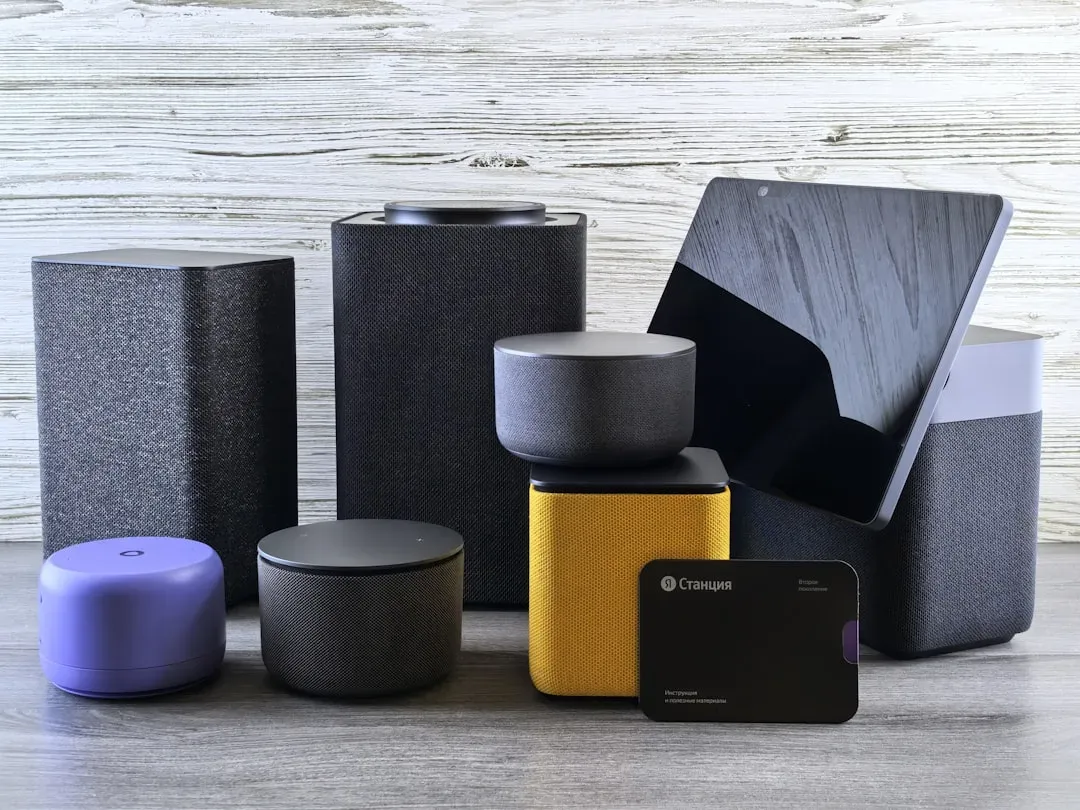
Thermostats and lighting are just the entry points. The real gains come when multiple smart devices work together. A comparative study of data gathered from several smart devices showed the potential benefits of combining energy-saving technologies in a smart home, with smart thermostats and lighting controls combined showing increased energy savings because the HVAC and lighting systems optimized energy use together.
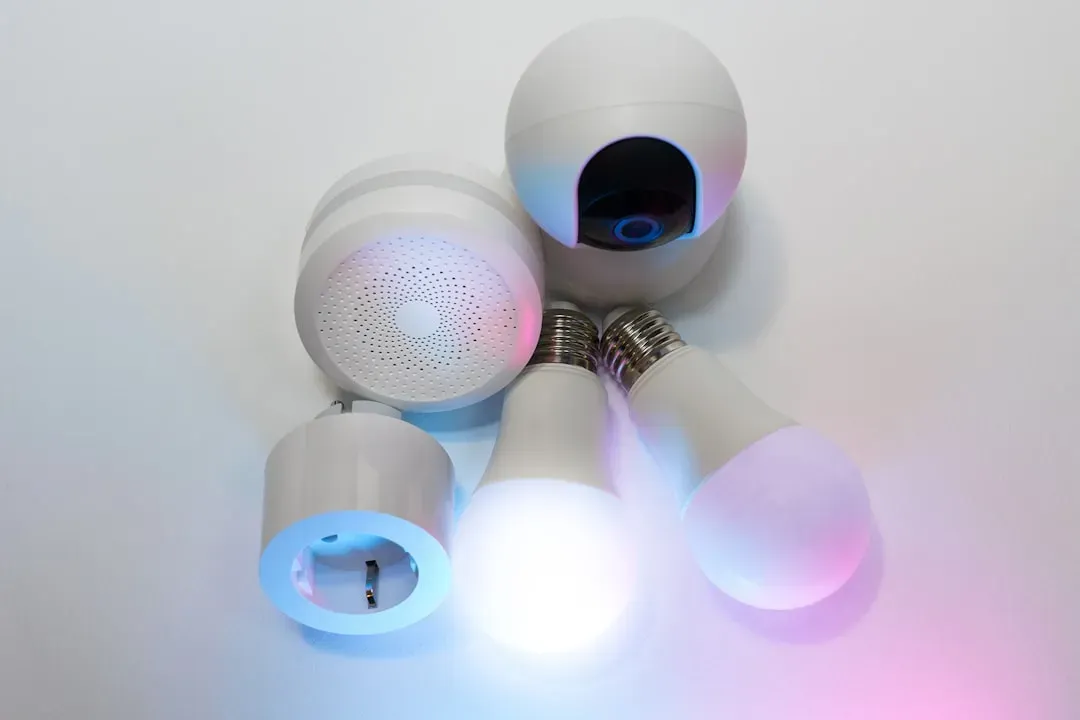
Smart plugs, outlets, and power strips help combat vampire energy loss from electronics left on standby while offering real-time consumption insights and scheduling capabilities, and smart appliances such as connected washing machines, refrigerators, and water heaters optimize performance based on usage patterns to maximize efficiency.
Think of your home like an orchestra. One instrument sounds fine alone. But when every device is communicating and working in rhythm, the efficiency gains multiply in ways that individual upgrades simply cannot achieve.
Does Climate and Home Size Change the Equation?
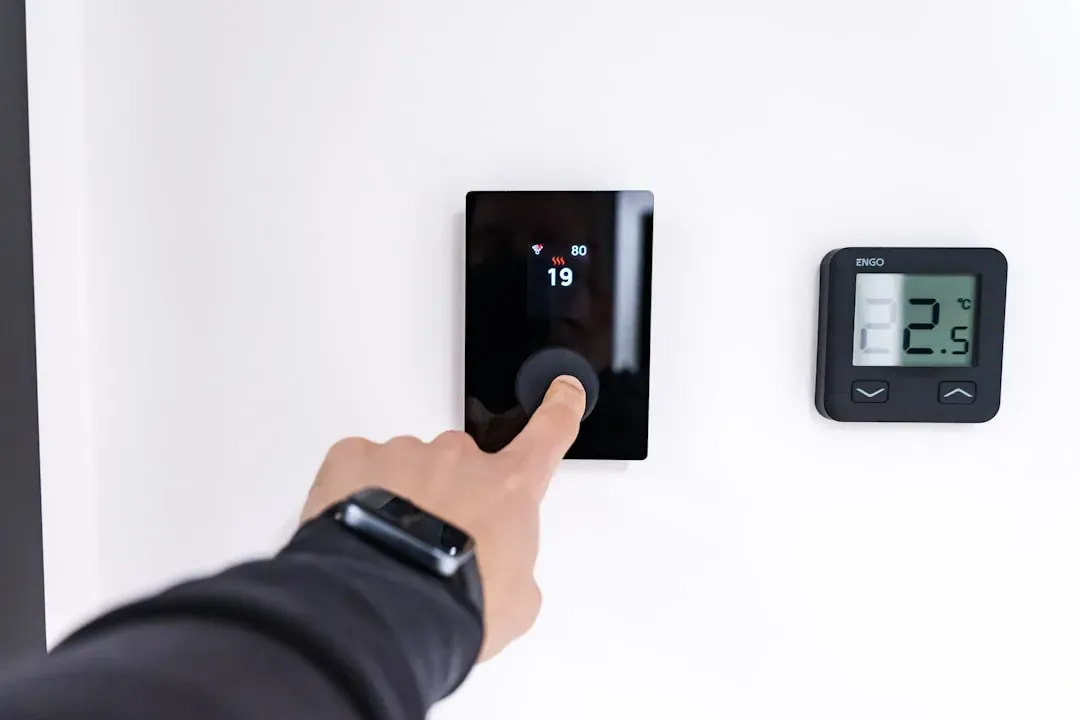
Short answer: yes, quite a bit. Homes that experience extreme changes in temperature over the course of a year will generally see greater savings with ENERGY STAR-certified smart thermostats, while temperate climates usually spend less on HVAC bills, meaning savings are generally slightly lower.
A household in Minnesota or Texas, where summers and winters both test the HVAC system hard, will see a much faster return on investment than a mild-climate home in San Diego. It’s hard to say for sure what any single home will save, but geography is one of the most important variables in this calculation.
I think this nuance gets glossed over too often in smart home marketing. A device that transforms your energy bill in Chicago may offer only modest gains in San Francisco. Know your climate before you set your savings expectations.
The Long-Term Picture: Savings, Value, and What the Data Says

Installing smart devices in your home can increase its resale value by 5%, per The CE Shop. That’s an angle beyond utility bills entirely. Smart home upgrades don’t just lower what you spend month to month. They can change what your home is worth.
By 2027, it is projected that over two-thirds, or 68.6%, of homes in the U.S. will have smart home devices. As adoption scales up, homes without these features may increasingly look outdated to future buyers. The investment today could pay dividends in a sale five or ten years from now.
Adopting smart home devices for energy saving is more than a technological choice. It’s a smart investment in both financial efficiency and sustainable living, with these devices offering measurable benefits that align with the demands of a modern lifestyle.
Conclusion: The Verdict on Smart Home Savings
So, The evidence says yes, but the answer comes with important conditions. The savings are real, verified, and backed by data from ENERGY STAR, Google, utility programs, and energy researchers. They’re not mythical, and they’re not instant.
The fastest wins come from smart thermostats, especially in climates with hot summers and cold winters. Smart lighting and energy monitors add meaningful incremental savings on top. Demand response programs from utilities can even put money back in your pocket directly. The biggest barrier remains the upfront cost, though rebates and incentives have narrowed that gap considerably.
Here’s the thing: the homeowners who approach this systematically, starting with the highest-impact device and adding more over time, tend to see cumulative savings that genuinely transform their annual utility spending. Those who buy a single smart bulb and expect a dramatic bill drop will be disappointed.
The smart home revolution isn’t about a single gadget. It’s about building a system. And that system, piece by piece, really can put a meaningful dent in what you pay every month. What would you do with an extra few hundred dollars a year? That’s the question worth sitting with.