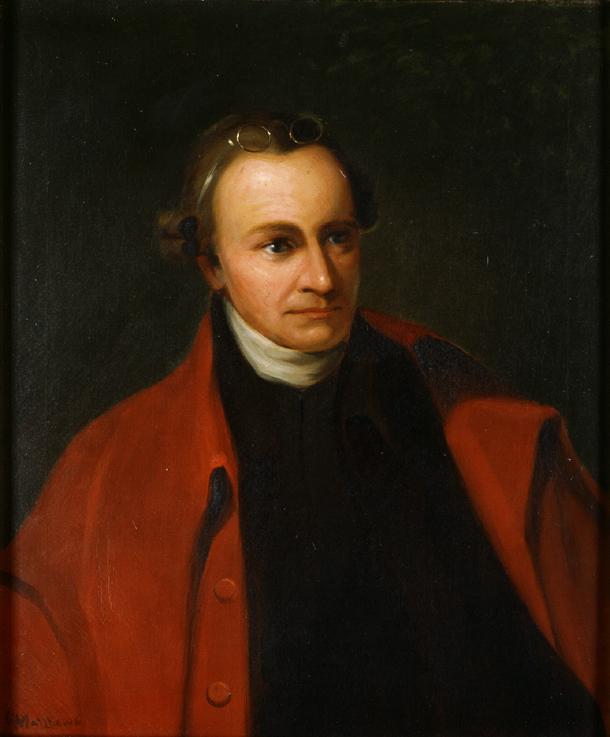
Picture this: towering symbols of freedom and natural wonder, etched into the American story, now battered by waves that creep higher each year. From coastal giants to western parks, these treasures face threats that seemed distant just a decade ago. Climate shifts, surging crowds, and crumbling funds are teaming up in ways that demand attention.
Here’s the kicker. Recent storms and reports paint a stark picture. Let’s dive into ten landmarks staring down real dangers right now.
Statue of Liberty
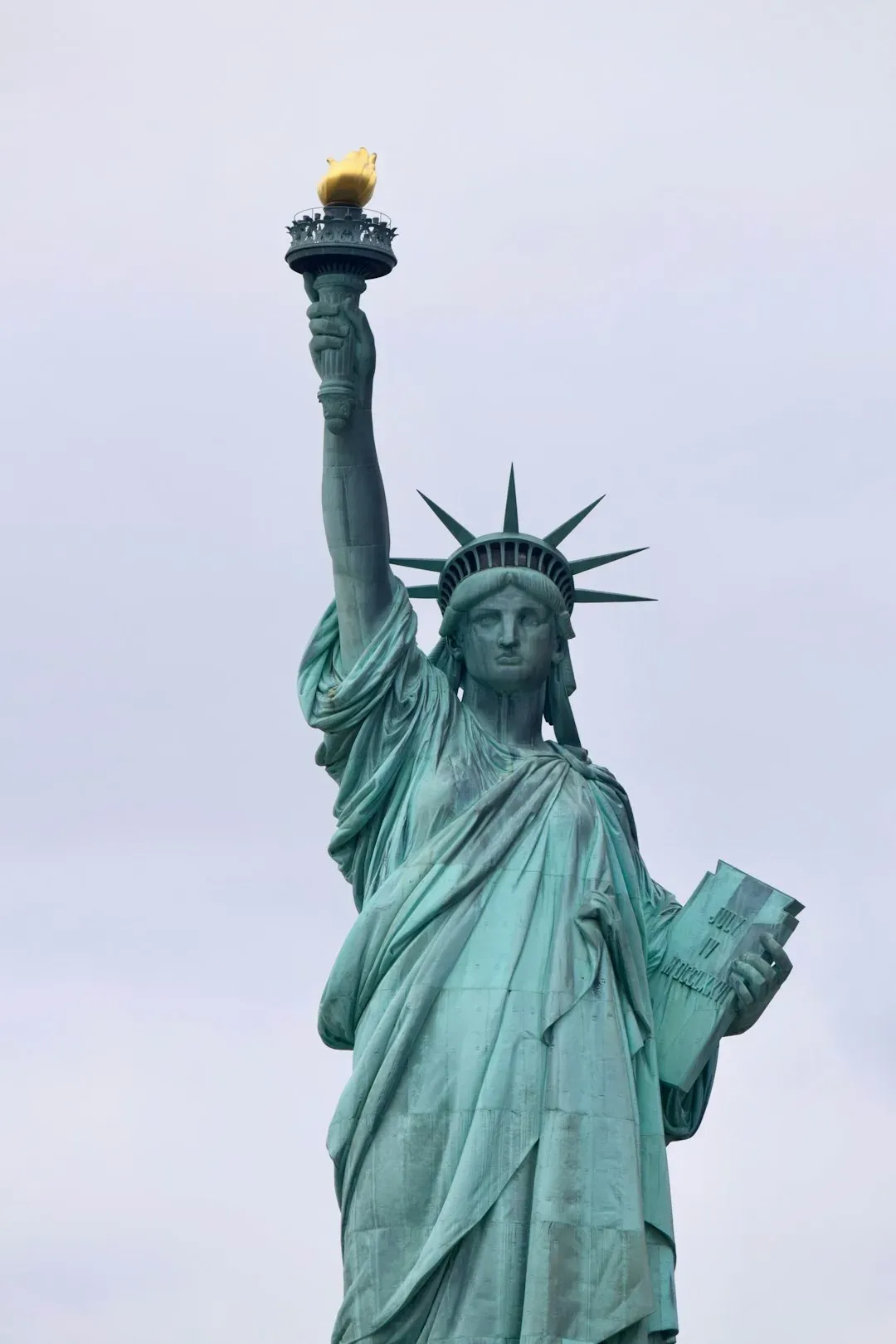
The Statue of Liberty stands proud in New York Harbor, yet rising seas spell trouble. NOAA projects sea levels along U.S. coastlines could climb 10 to 12 inches by 2050, ramping up flood risks for this icon. A 2022 NPS vulnerability assessment flagged Liberty Island’s assets as highly exposed to coastal hazards and storm surges. Extreme events hit more often now, soaking foundations and pathways.
Preservation crews scramble with barriers and pumps. Still, without bolder moves, water could overwhelm the pedestal regularly. The National Park Service notes these changes strain resources already stretched thin. Honestly, it feels like watching a cherished photo fade in the sun.
Ellis Island
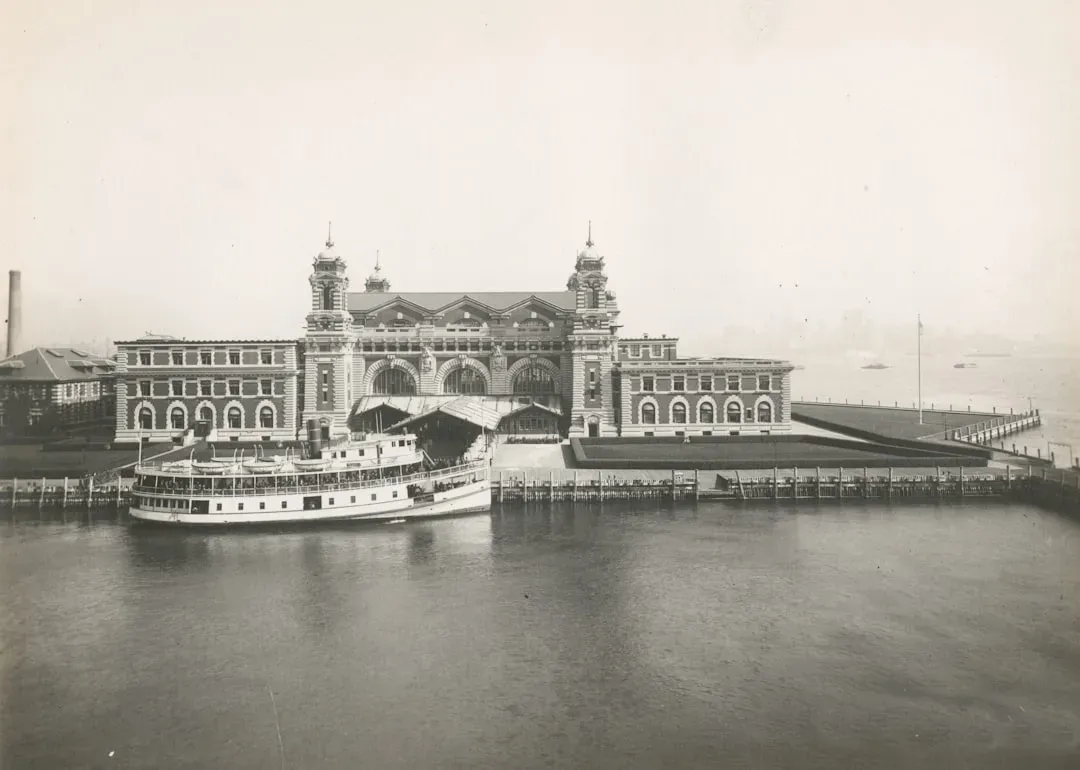
Ellis Island welcomed millions, but floods now lap at its doors. Tied to the same harbor woes as Lady Liberty, this site sees frequent inundation from tides and storms. Climate Central highlights how rising waters threaten its low-lying structures and artifacts. NPS strategies warn of erosion gnawing at shorelines year after year.
Restoration efforts include elevated walkways, yet projections show worsening odds. The Union of Concerned Scientists lists it among 30 landmarks in peril from sea rise and heavier rains. Visitor access could suffer if paths stay submerged too long. It’s a poignant reminder of journeys past meeting uncertain futures.
Yosemite National Park
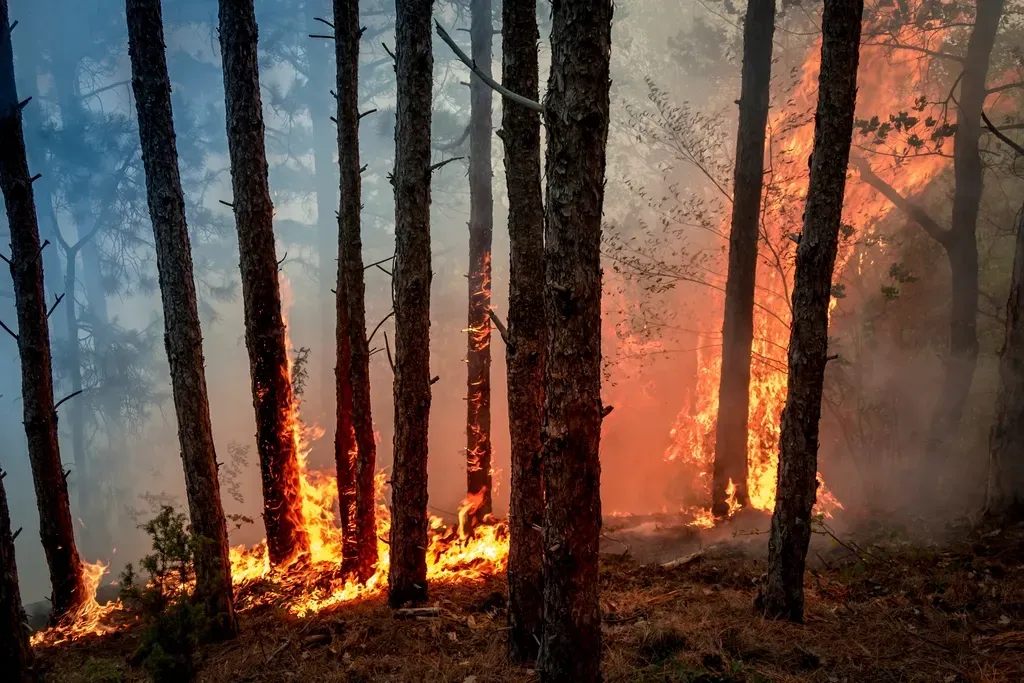
Yosemite’s granite cliffs and historic lodges draw crowds, but wildfires rage closer. Recent blazes have scorched edges of the park, endangering Ahwahnee Hotel and other treasures. The NPS Climate Change Response Strategy flags extreme weather as a top vulnerability for park structures. Dry conditions fuel these infernos, with 2025 California fires underscoring the trend.
Fire scars weaken wood beams and roofs over time. National Trust experts call climate a leading threat in fire-prone West. Over 332 million NPS visits in 2024 pile pressure on firefighting and repairs. I think we underestimate how fast flames rewrite landscapes here.
Mesa Verde National Park
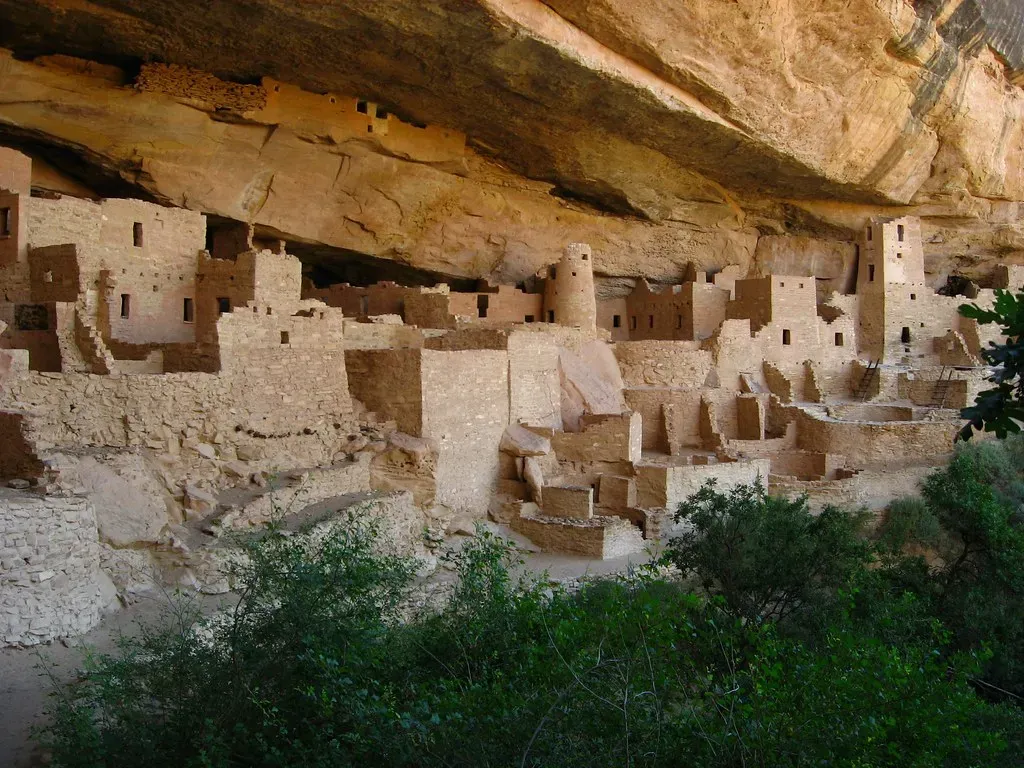
Ancient cliff dwellings at Mesa Verde cling to arid cliffs, but drought and fires loom large. Prolonged dry spells crack earthen walls, while wildfires threaten irreplaceable pueblos. UCS reports spotlight this site for intensified blazes and water scarcity. NPS notes temperature swings accelerating decay in Southwest parks.
Park managers plant resilient species to fight erosion. Yet, Colorado River Basin drops signal broader woes affecting water for preservation. Historic structures backlog hits $23 billion systemwide, per NPS 2024 figures. These silent ruins whisper urgency amid shifting sands.
Jamestown, Virginia
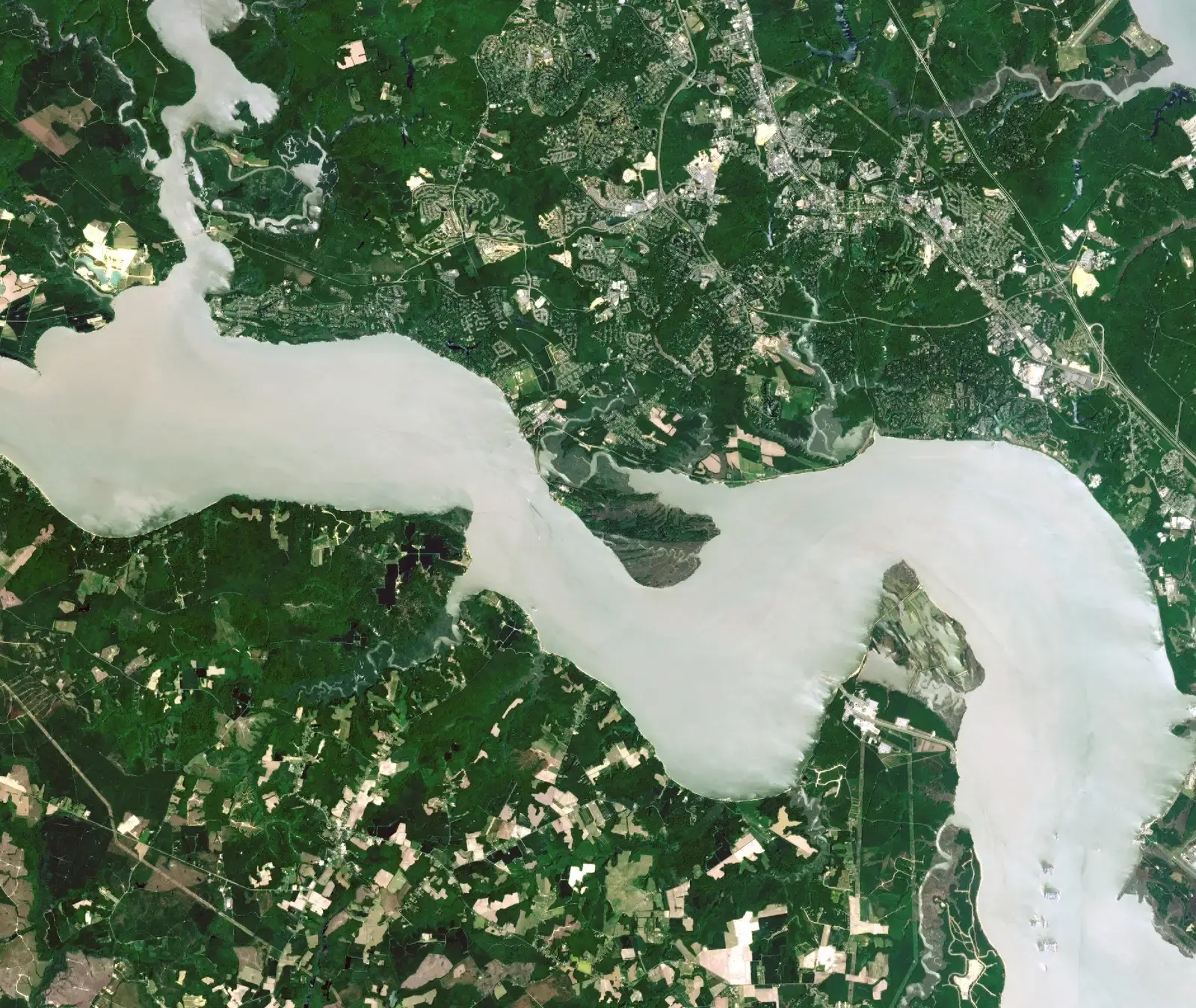
Jamestown, America’s first permanent English settlement, battles encroaching tides. Sea level rise erodes shorelines, unearthing and damaging artifacts. PBS and UCS cite it as a prime example of coastal landmarks at risk. Storms wash away soil that once protected foundations.
Archaeologists race to fortify sites with berms. National Trust ranks climate among top dangers for such places. Projections show frequent high-tide flooding doubling soon. Standing there, you sense history slipping away grain by grain.
Castillo de San Marcos, Florida
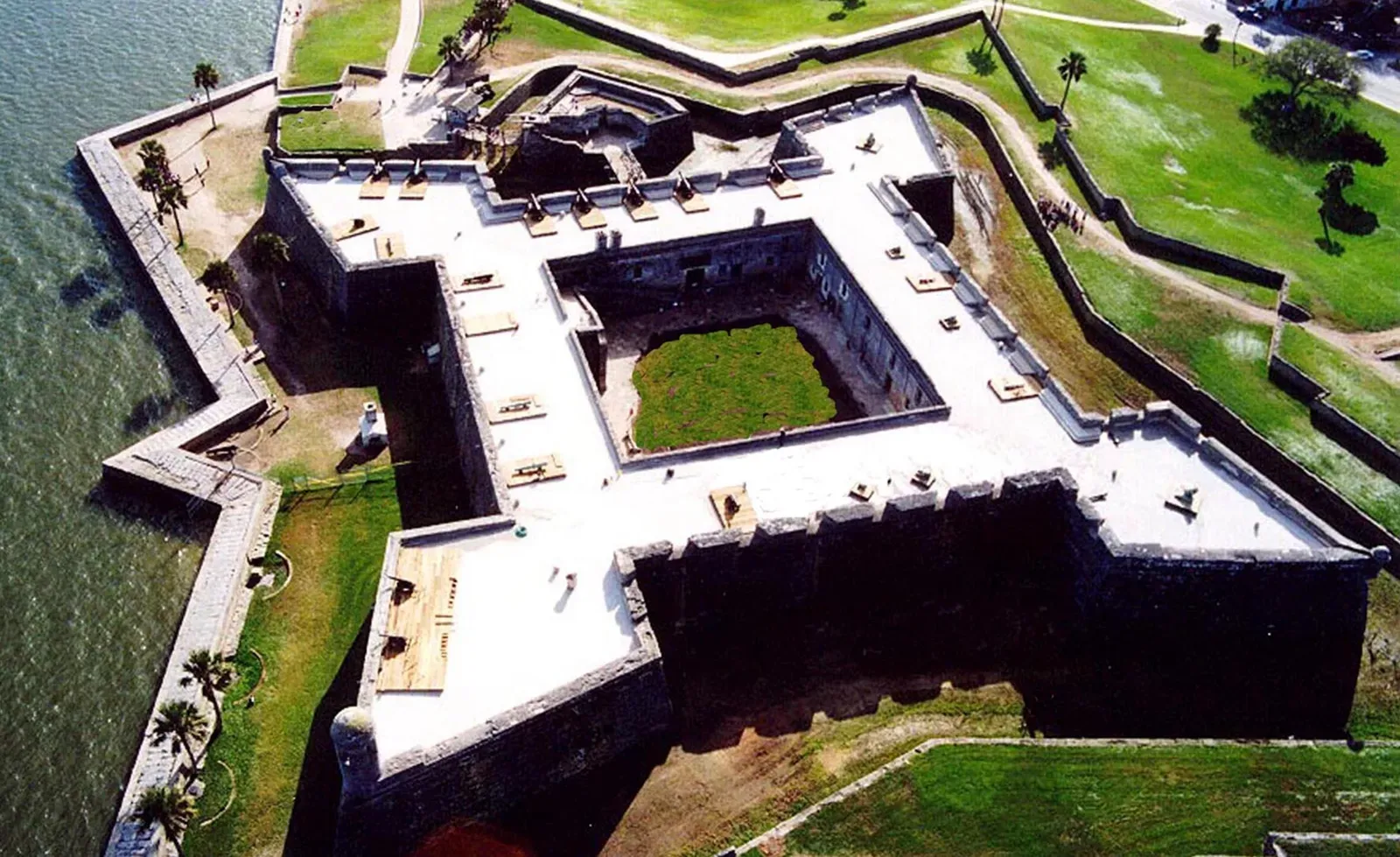
This St. Augustine fortress, oldest masonry fort in the U.S., faces hurricane fury and surges. Helene and others in 2024 battered Florida coasts, mirroring threats here. UCS warns of sea rise flooding coquina walls. NPS adaptation plans target such storm-vulnerable sites.
Repairs patch cracks, but salt air corrodes relentlessly. Florida’s historic zones see repeated hits, per recent reports. Backlog delays full defenses amid billions needed. It’s like a sentinel standing firm, yet weary from endless assaults.
Cedar Key, Florida
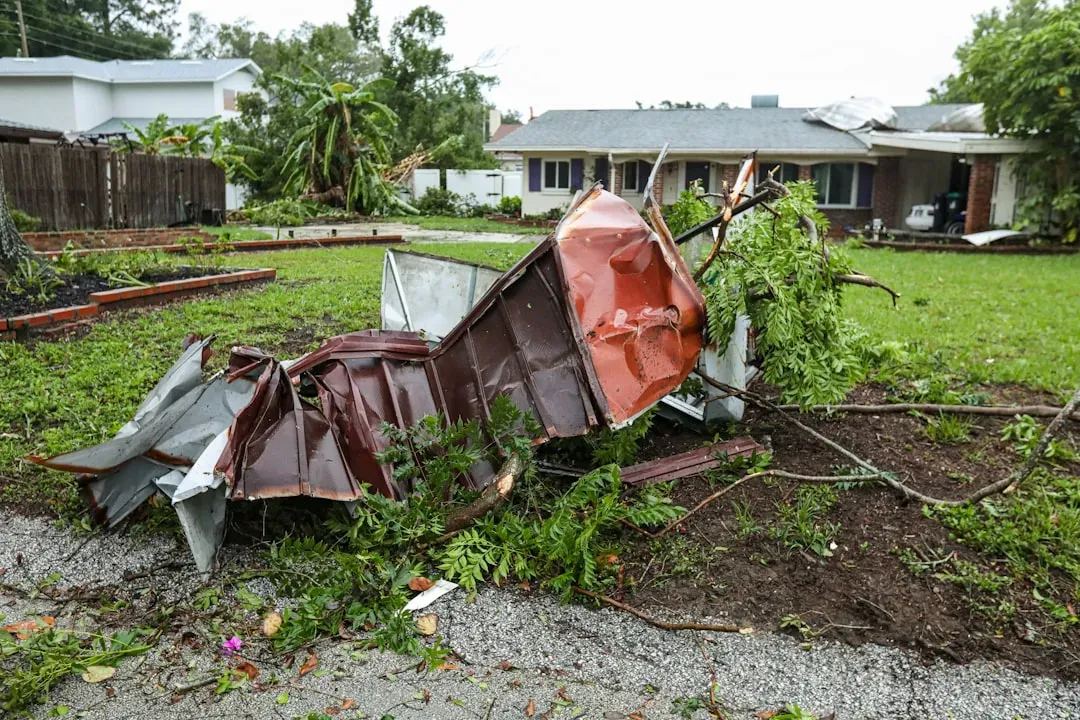
Cedar Key’s quaint historic district, with wood-frame homes, got hammered by Hurricane Helene in 2024. Record storm surges swept buildings into the Gulf, per National Trust’s 2025 endangered list. Sea rise amps flooding risks for this Gulf gem. The post office and city hall barely stand.
Recovery drags with years ahead. Clamming heritage hangs by threads as waters rise. NOAA data predicts more such events. Small towns like this bear the brunt quietly.
French Broad and Swannanoa Rivers, North Carolina
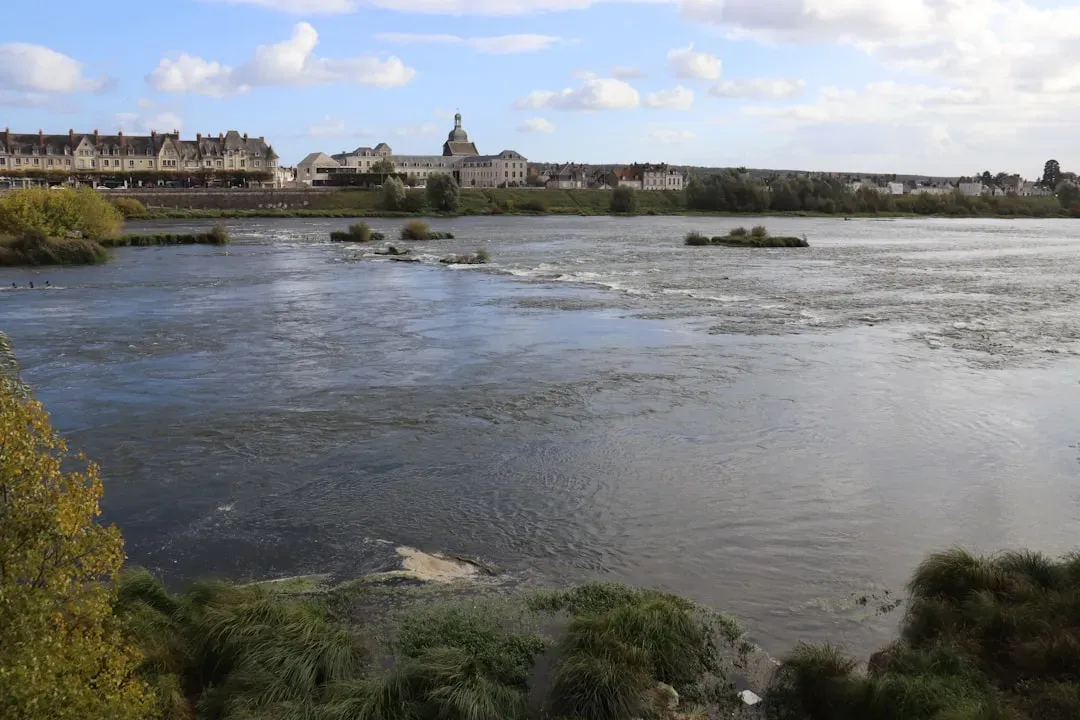
Western North Carolina’s river corridors house arts districts and villages now flood-ravaged. Helene 2024 shattered records, cresting rivers at unprecedented heights. National Trust flags this for tropical storm vulnerability. Biltmore Village buildings flooded first floors unexpectedly.
Many lacked insurance outside old flood zones. Rebuilds test resilience plans. NPS strategies echo needs for such inland threats. Rivers once nurtured culture, now reshape it harshly.
Pamunkey Indian Reservation, Virginia
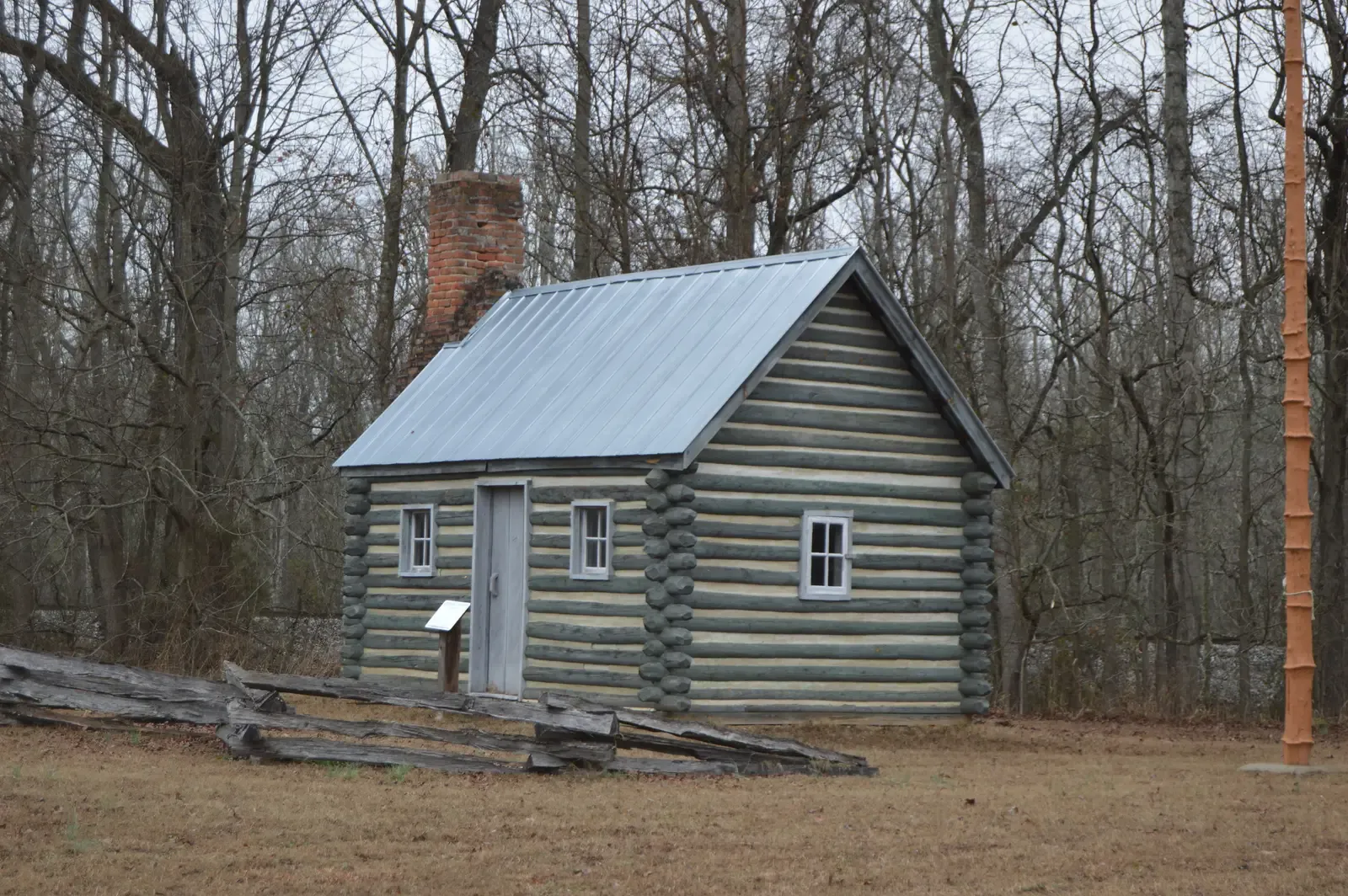
The Pamunkey Reservation, a living historic site, confronts sea rise head-on. Surrounded by rivers, most land could submerge in 75 years, warns National Trust. Storms and subsidence erode archaeological riches. Tribe plants natives for shore defense.
Resilience zones aim to adapt. NPS cultural plans guide such efforts. Sacred grounds face irreversible loss otherwise. Their story endures, but land may not.
Oregon Caves Chateau
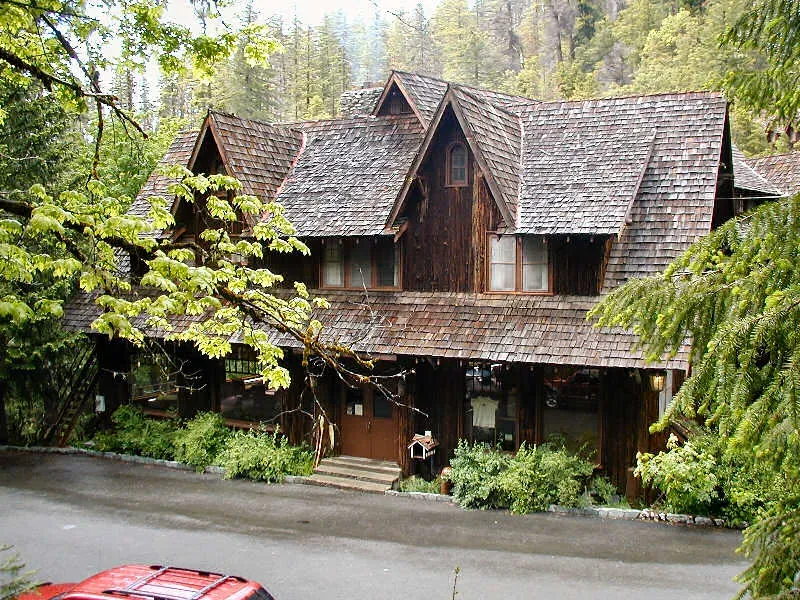
This National Historic Landmark chateau sits closed since 2018, weathering delays. NPS battles seismic upgrades and maintenance amid climate unknowns. National Trust lists it endangered for 2025. Prolonged exposure risks further rot from rains.
Costs balloon, straining $23 billion backlog. Visitor dreams wait while wood weakens. Parks like this highlight funding gaps. Reopening could inspire, if acted soon.
What Lies Ahead
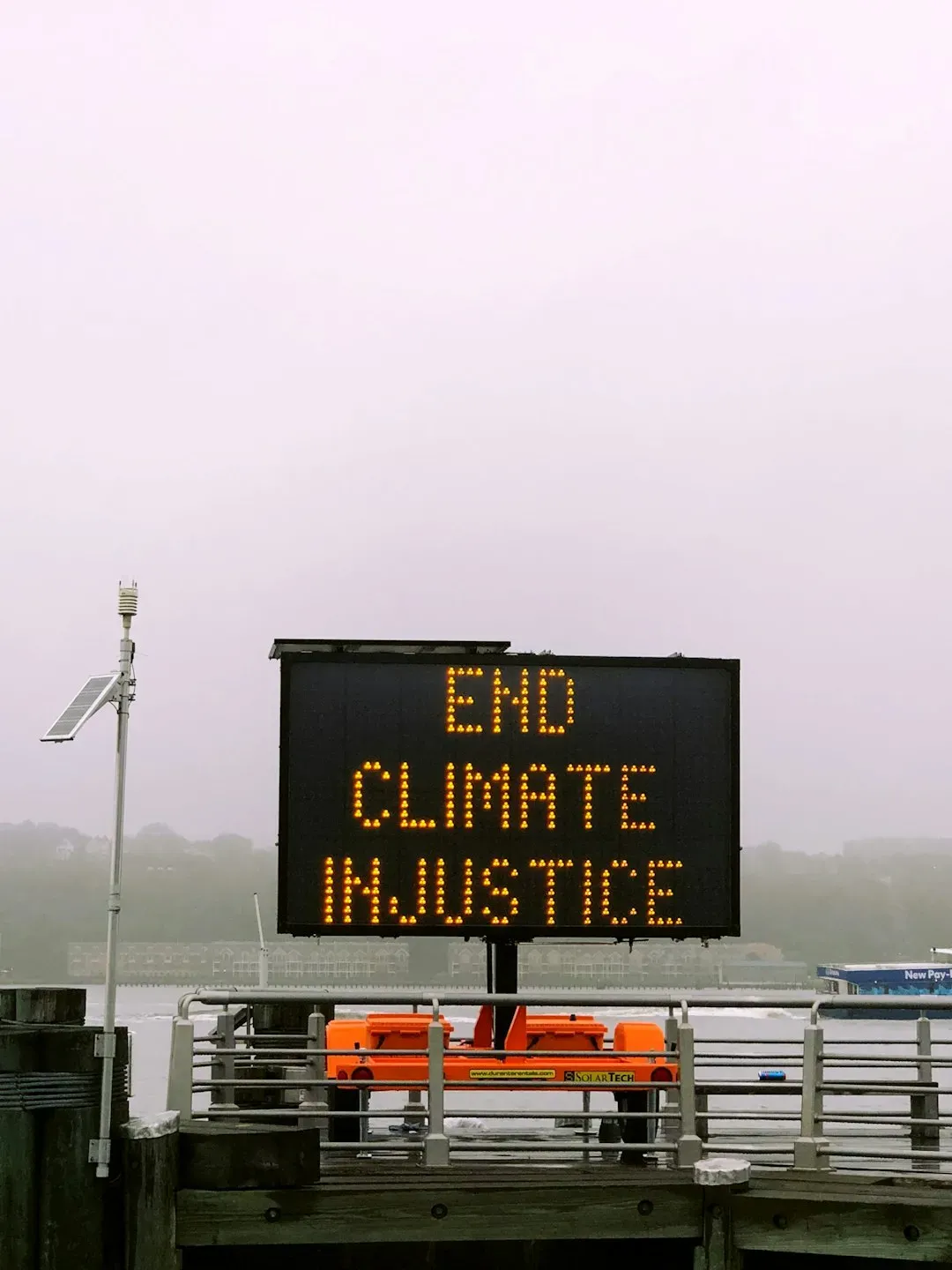
These landmarks share threads of climate fury, backlog burdens, and booming visits topping 332 million yearly. NPS and National Trust push adaptation, yet experts warn of irreversible hits without investment. Federal plans lag behind rising threats.
Sea rise, fires, storms demand action now. Will we safeguard these icons for tomorrow? Your thoughts in comments could spark change.