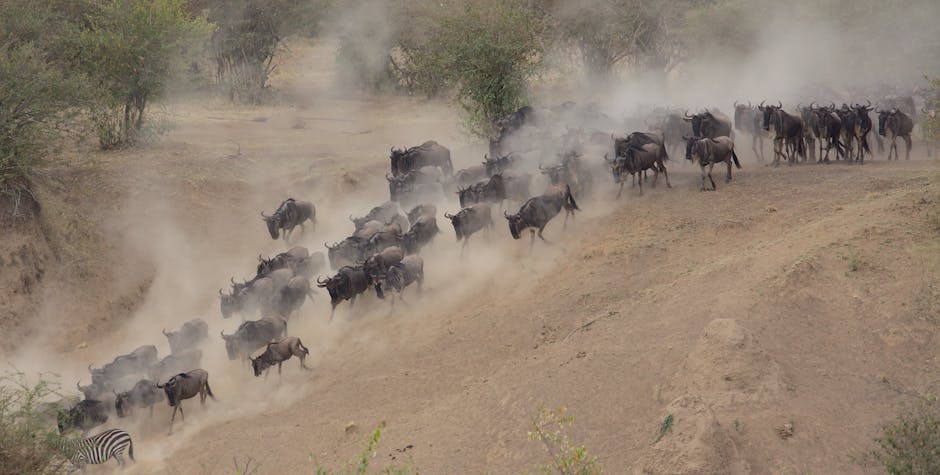
Every year, millions of Americans find themselves face to face with wild animals, sometimes in their own backyards, sometimes deep in the woods, and sometimes just pulling out of a highway rest stop. It’s one of those experiences that can flip from magical to dangerous in a matter of seconds, depending on how you respond.
The thing is, most people genuinely don’t know what to do. Instinct kicks in, and instinct is often wrong. Whether you’re hiking in the Rockies, walking your dog in a suburban Florida park, or just camping in a national forest, knowing how to react could make a real difference, for you and for the animal.
Let’s dive into the ten most common wildlife encounters in the U.S. and what responsible behavior actually looks like.
1. White-Tailed Deer: The Encounter You Almost Can’t Avoid
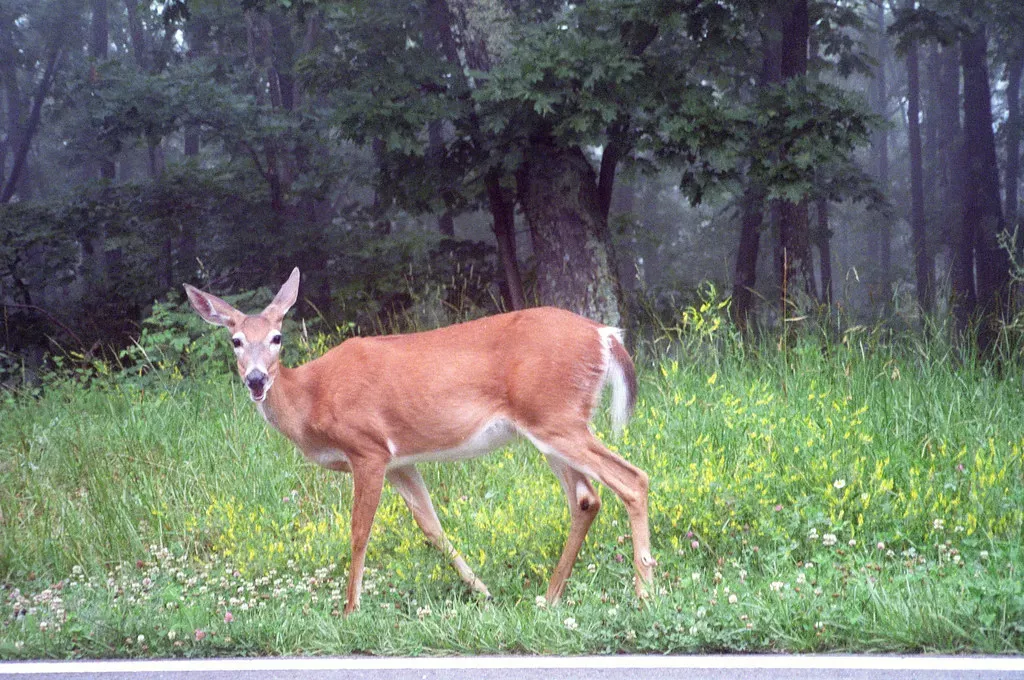
Here’s a wild fact to kick things off: there are approximately 36 million deer in the United States. That is roughly one deer for every nine Americans. It means that spotting a white-tailed deer near a trail, road, or neighborhood is not a rare event. It’s practically routine.
The U.S. deer population is currently on the order of 30 to 36 million, roughly the same as it was in precolonial days. However, most of the forests supporting those deer have vanished, replaced by farms, suburbs, cities, and developments. The result is constant overlap between human spaces and deer territory.
When you encounter a deer, the golden rule is simple: do not approach, do not feed, and give it an easy exit route. For your best chance to observe natural behaviors, avoid making animals feel stressed by moving back to the recommended distance. If an animal starts to stare, fidget, or flee, calmly back away and give them more space. Near roads especially, slow down. Vehicle collisions cause a substantial proportion of deer mortalities, and reducing these collisions could be a win for both deer and humans.
2. Black Bears: Calm Is Your Best Weapon
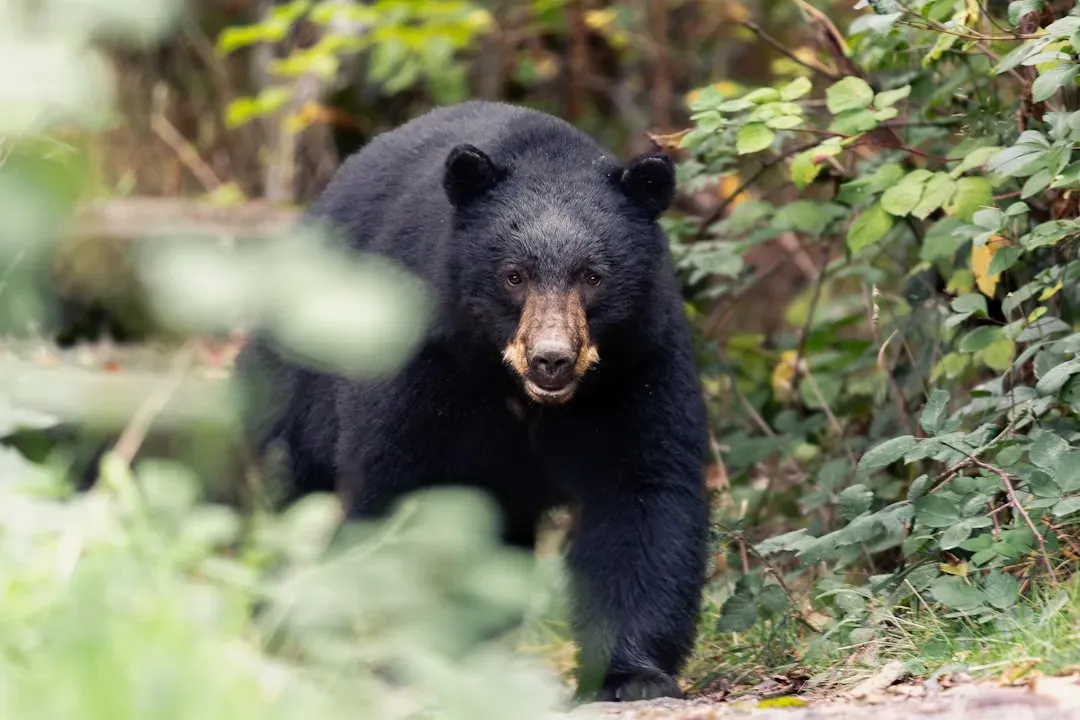
Most people who spot a black bear immediately imagine a worst-case scenario. Honestly, that fear is almost always disproportionate. Wildlife agencies consistently stress that the vast majority of black bear encounters end safely when people maintain distance and secure their food sources. The North American black bear population is estimated at around 600,000, according to state wildlife departments.
The consequences of approaching wildlife can be serious. You are responsible for your own safety as well as the safety of wildlife. With bears, this matters enormously. A fed bear is a dangerous bear, and that’s not just a catchy phrase. Never approach or feed wild animals. Wild animals are individualistic and unpredictable.
The National Park Service advises staying at least 25 yards from most wildlife and 100 yards from bears and wolves. If a bear approaches you, stand tall, speak calmly, and back away slowly. Never run. Running triggers a chase response, and bears are far faster than they look.
3. Coyotes: The Urban Neighbor Nobody Invited
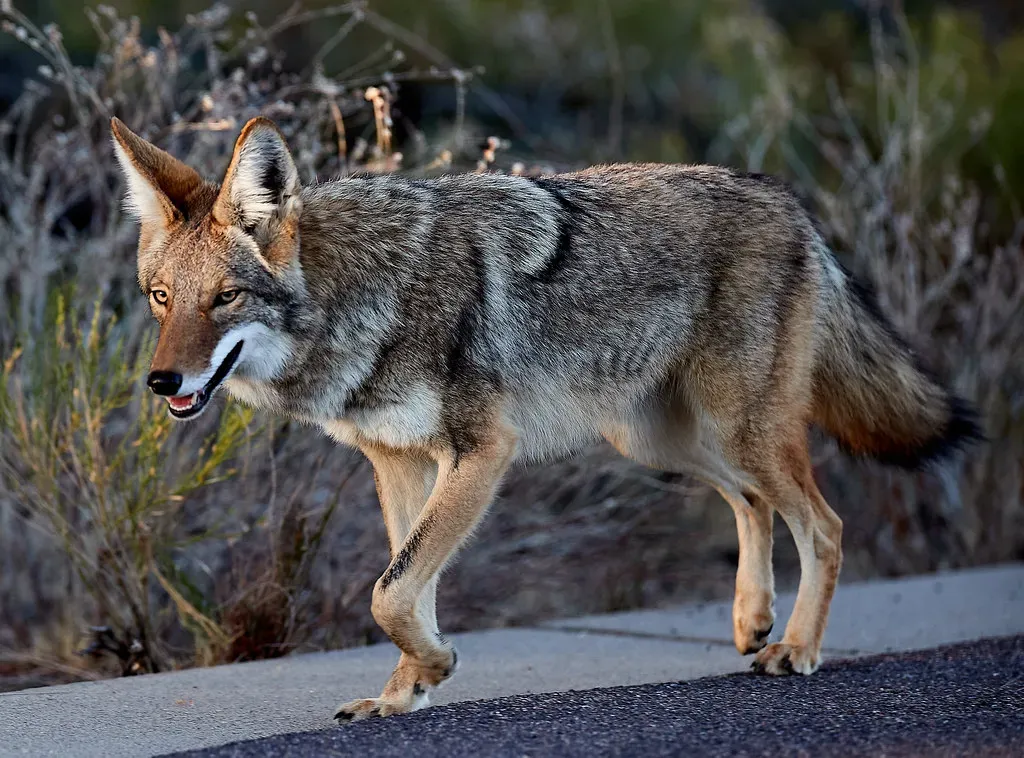
Coyotes now live in nearly every U.S. state, including dense urban areas, and their adaptability is genuinely impressive. Think of them as the raccoons of the dog world. An encounter with a coyote in the urban and suburban landscape is a rare event, even where coyotes are found in large numbers. These animals are generally nocturnal and seldom seen.
A coyote who does not run away when encountering humans has, most likely, become accustomed or habituated to people. This generally occurs when a coyote has been fed, in the form of handouts, pet food left outside, or unsecured garbage. That habituation is the real danger, not the coyote itself.
The U.S. Fish and Wildlife Service recommends making loud noises and appearing larger if a coyote approaches too closely. Wave your arms, shout, and make yourself as intimidating as possible. This technique is called “hazing,” and it works. Coyote attacks on people are very rare. More people are killed by errant golf balls and flying champagne corks each year than are bitten by coyotes. Keep perspective.
4. Alligators: Florida’s Open Secret
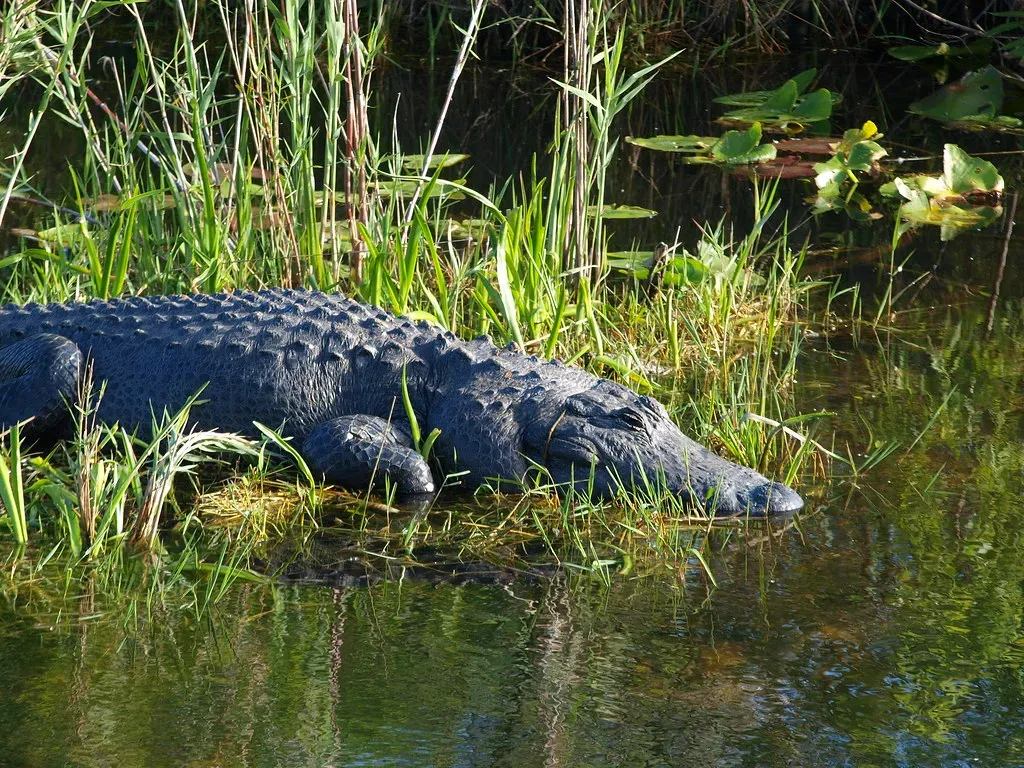
Florida has a healthy and stable alligator population, estimated at 1.3 million alligators of every size. Alligators are found in all 67 counties, inhabiting all wetlands where there is adequate food and shelter. In short, if you are in Florida near water, there may well be an alligator nearby, even if you cannot see it.
Alligators are most active between dusk and dawn. So those early morning lakeside walks or evening fishing trips deserve extra caution. Keep pets on a leash and away from the water’s edge. Pets often resemble alligators’ natural prey. This one really cannot be stressed enough.
Never feed an alligator. It’s illegal and dangerous. When fed, alligators can lose their natural wariness and instead learn to associate people with the availability of food. This can lead to dangerous circumstances for yourself and other people who could encounter the alligator in the future. The fine for doing so in Florida can now reach up to $2,500, according to 2025 public awareness campaigns.
5. Bald Eagles: A Comeback Story Worth Celebrating
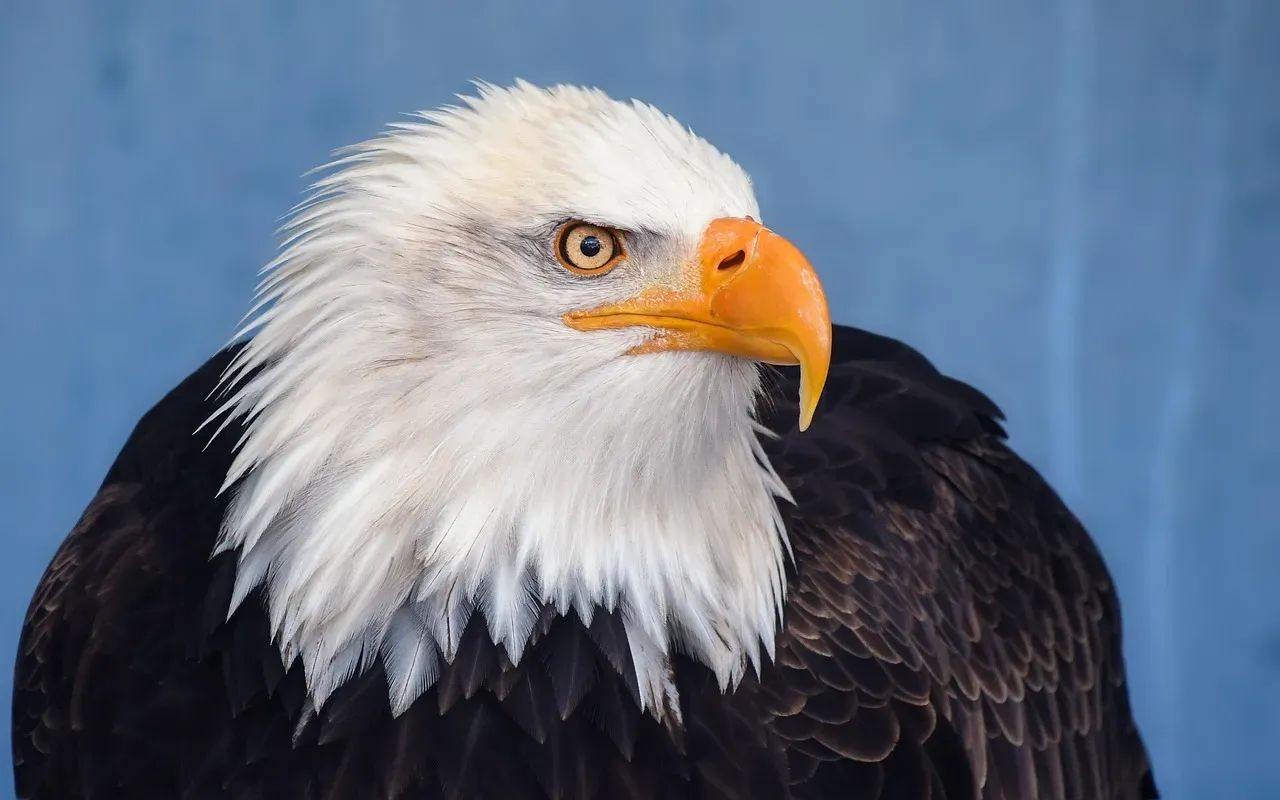
This is one of the genuinely feel-good stories in American conservation. The latest USFWS Bald Eagle Population Update report estimates 316,708 eagles across the contiguous United States, which is more than quadruple the eagle population reported in the 2009 report. That is a remarkable turnaround for a species that was once sliding toward extinction.
The recovery of the Bald Eagle across North America is a major success story in the history of wildlife conservation in the United States. When the species was listed as Endangered under the federal Endangered Species Act in 1978, the primary reason for its imperiled status was the effects of chemical contaminants and habitat loss. Protection measures have allowed Bald Eagles to make an incredible recovery, which led to its federal delisting in 2007.
If you spot a bald eagle, consider yourself lucky. Watch from a respectful distance and resist the urge to move closer for a photo. Nesting eagles are particularly sensitive to disturbance. When viewing wildlife, your actions should never cause a change in animal behavior. That principle applies especially to protected raptors rebuilding their numbers.
6. Moose: Deceptively Dangerous Giants
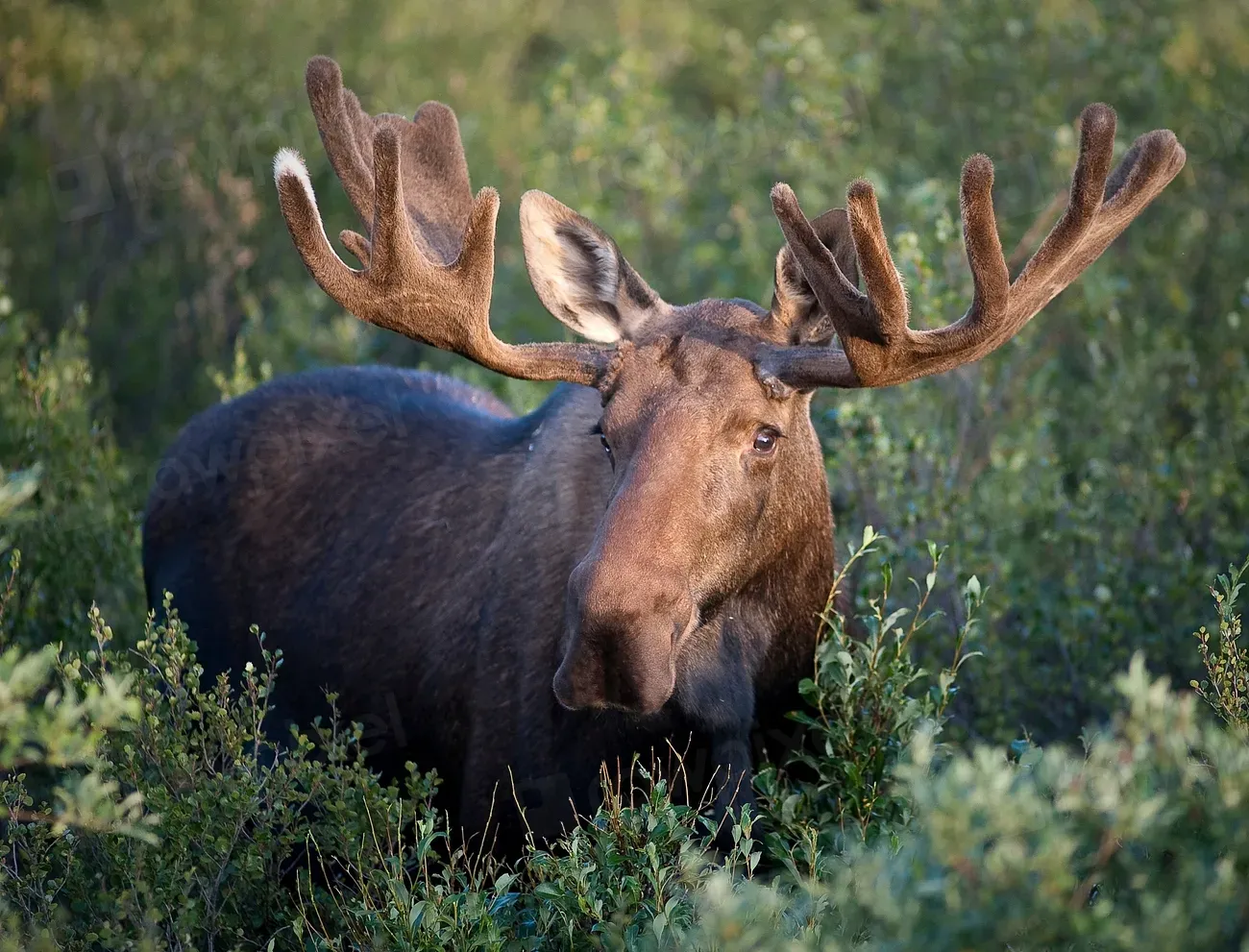
I think moose get underestimated more than almost any other large animal in North America. People see something that looks lumbering and slow and assume it is harmless. It is not. Moose are the largest members of the deer family and can weigh well over 1,000 pounds. Wildlife agencies consistently note that moose cause hundreds of vehicle collisions annually in states like Alaska and Maine.
Moose are especially dangerous when they feel cornered, during the fall rut when males are aggressive, or when a cow has a calf nearby. The calm, somewhat dopey-looking creature you see by the roadside can charge with very little warning. Never get between a mother moose and her young. That is a lesson people usually only need to learn once.
Fidgeting and fleeing are universal signs of disturbance in wildlife, but different species may react differently. Before you set off on your adventure, learn the wildlife warning signs that let you know you’re too close to an animal. With moose, backing away quietly and using trees as a barrier between you and the animal is the standard advice from wildlife managers.
7. Bats: Misunderstood and Actually Important
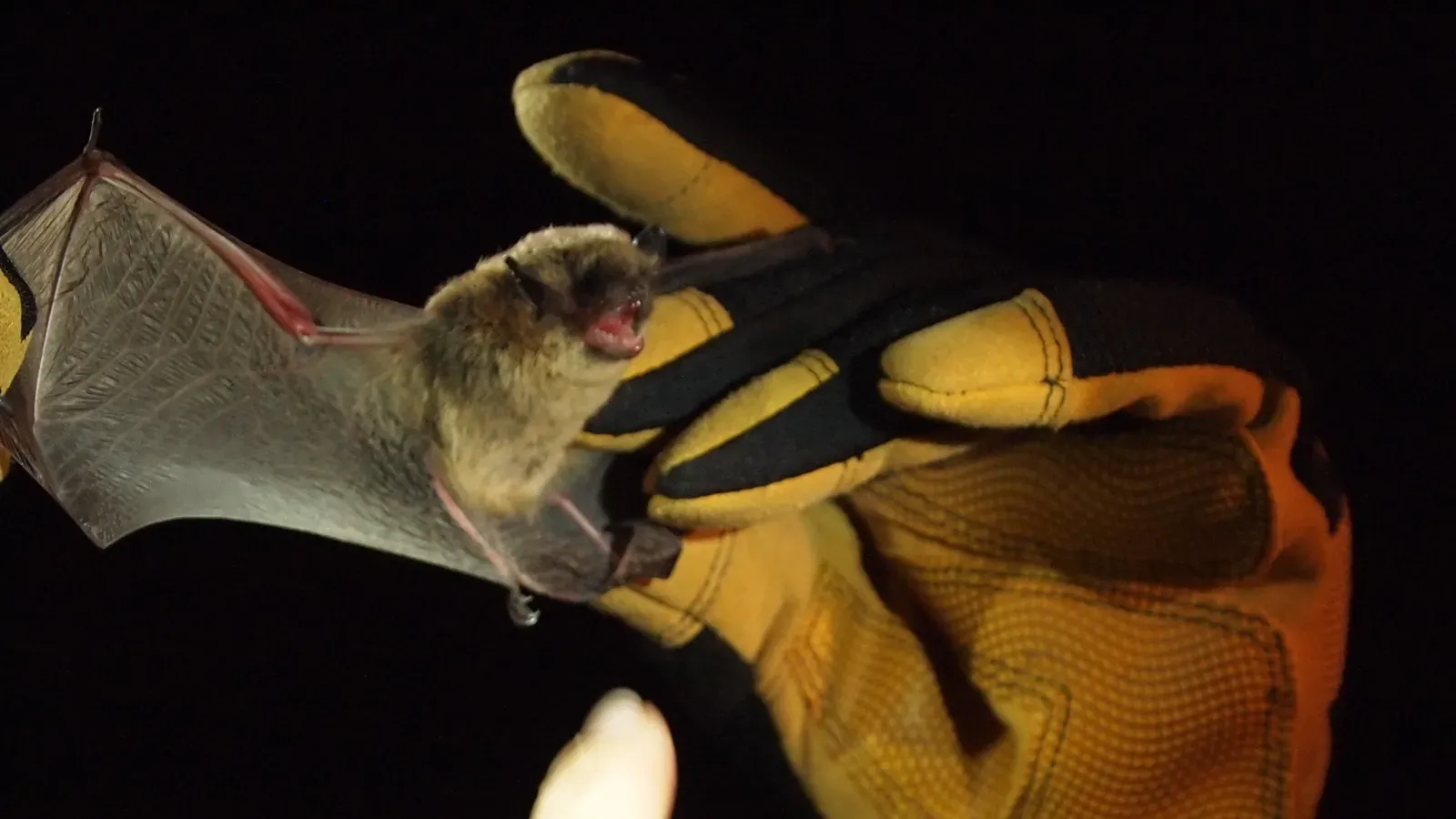
Let’s be real: bats have a terrible public relations problem. Most people’s reaction to seeing one is panic, and while that instinct is understandable, it misses the bigger picture. Bats are vital pollinators and natural pest controllers. A single bat can eat thousands of insects in a single night. That is genuinely useful.
That said, the health concern is real and worth knowing. The Centers for Disease Control and Prevention notes that tens of thousands of people in the U.S. receive rabies post-exposure treatment each year, often after encounters with bats or other wildlife. Bats are the most common source of rabies exposure in the country.
The rule here is straightforward: never handle a bat with bare hands. If you find a bat inside your home, do not release it until public health authorities have been contacted, especially if anyone in the household was asleep in the same room. Young animals are rarely orphaned, so leave them where you find them. That principle applies to bats too. A bat resting on an exterior wall during the day is usually just resting, not ill. Call a wildlife rehabilitator if you are unsure.
8. Wild Turkeys: Surprisingly Bold Suburban Visitors
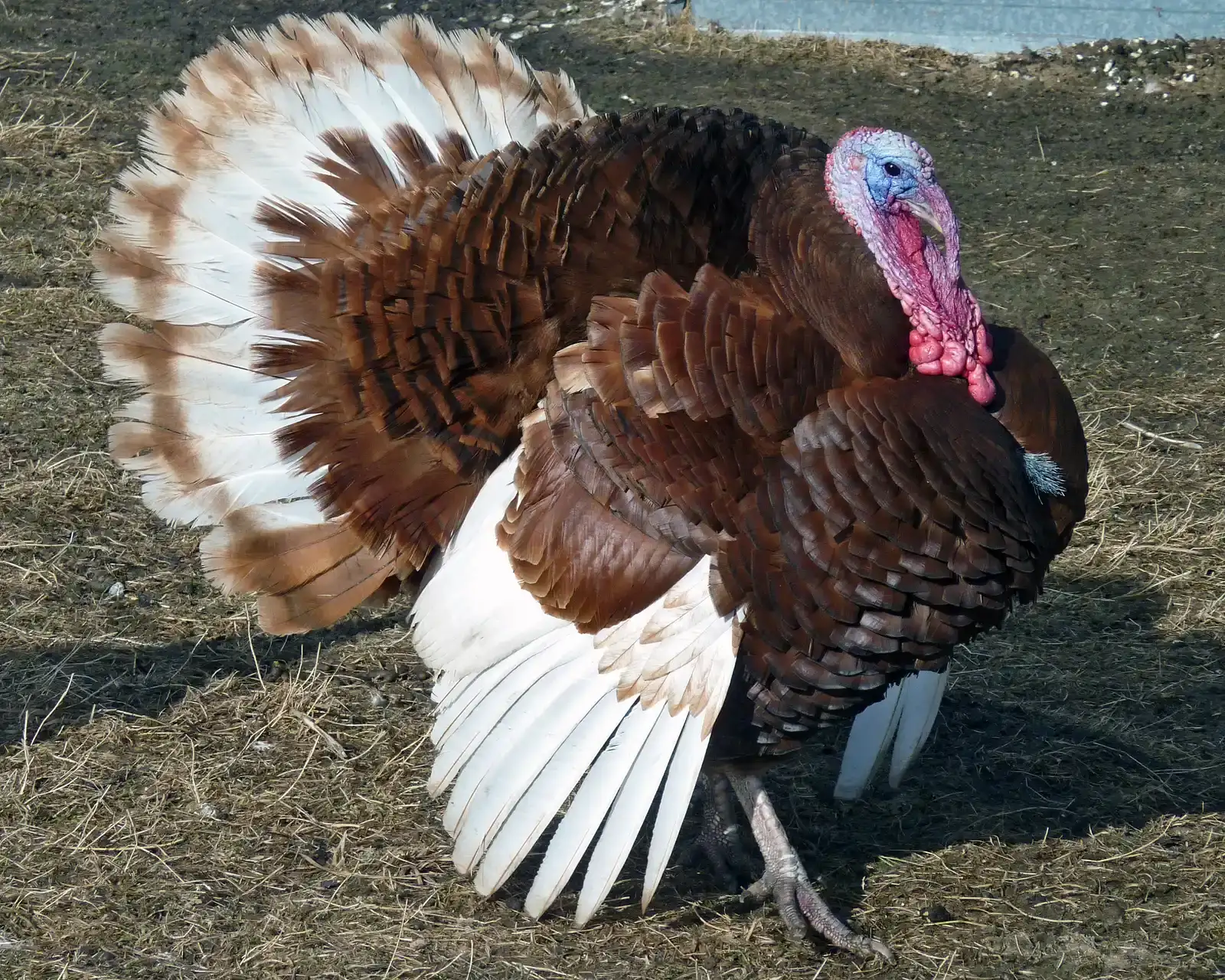
Wild turkey populations have rebounded dramatically across the U.S. over the past several decades, and these birds are now commonly spotted in suburban areas, on college campuses, and even in city parks. They are fascinating to watch and generally harmless. Generally. During mating season, dominant males can become genuinely aggressive toward people they perceive as rivals.
It sounds almost comedic, but getting chased by an angry tom turkey is not a pleasant experience. They are heavier and faster than most people expect. The key advice from wildlife specialists is the same as with coyotes: do not feed them, and use hazing techniques if one becomes bold. Making noise, opening an umbrella, or simply standing tall and walking toward the bird usually sends it retreating.
Wild animals should be allowed to forage for food, care for their young, sleep, and play without human disturbance. Don’t leave your food, including pet food, out in the open when not being used. Bird feeders, fallen fruit, and unsecured compost bins are major attractants for turkeys in suburban settings. Remove those temptations and the birds usually keep their natural distance.
9. Rattlesnakes: Stay Calm, Stay Back, Stay Safe
Few wildlife encounters trigger more fear than nearly stepping on a rattlesnake on a hiking trail. It’s hard to say for sure whether the fear is proportionate, but the reality is that most rattlesnake bites in the U.S. happen when someone actively tries to handle or provoke the snake. These animals are not hunting humans. They are trying to avoid us entirely.
Rattlesnakes play a critical ecological role by controlling rodent populations, and most species are protected under state laws. If you encounter one on a trail, stop, give it time to move, and then walk around it at a wide berth. For your best chance to observe natural behaviors, avoid making animals feel stressed or threatened by moving back to the recommended distance. The snake almost certainly wants this encounter to end as much as you do.
If someone is bitten, the old advice about cutting and sucking out venom is dangerously outdated. The correct response is to keep the affected limb below heart level, stay calm to slow circulation, and get to a hospital as quickly as possible. Antivenom is widely available and highly effective when administered promptly. Wear closed-toe shoes on trails and watch where you step and sit.
10. White-Tailed Deer Near Roads: The Collision Risk Nobody Talks About Enough
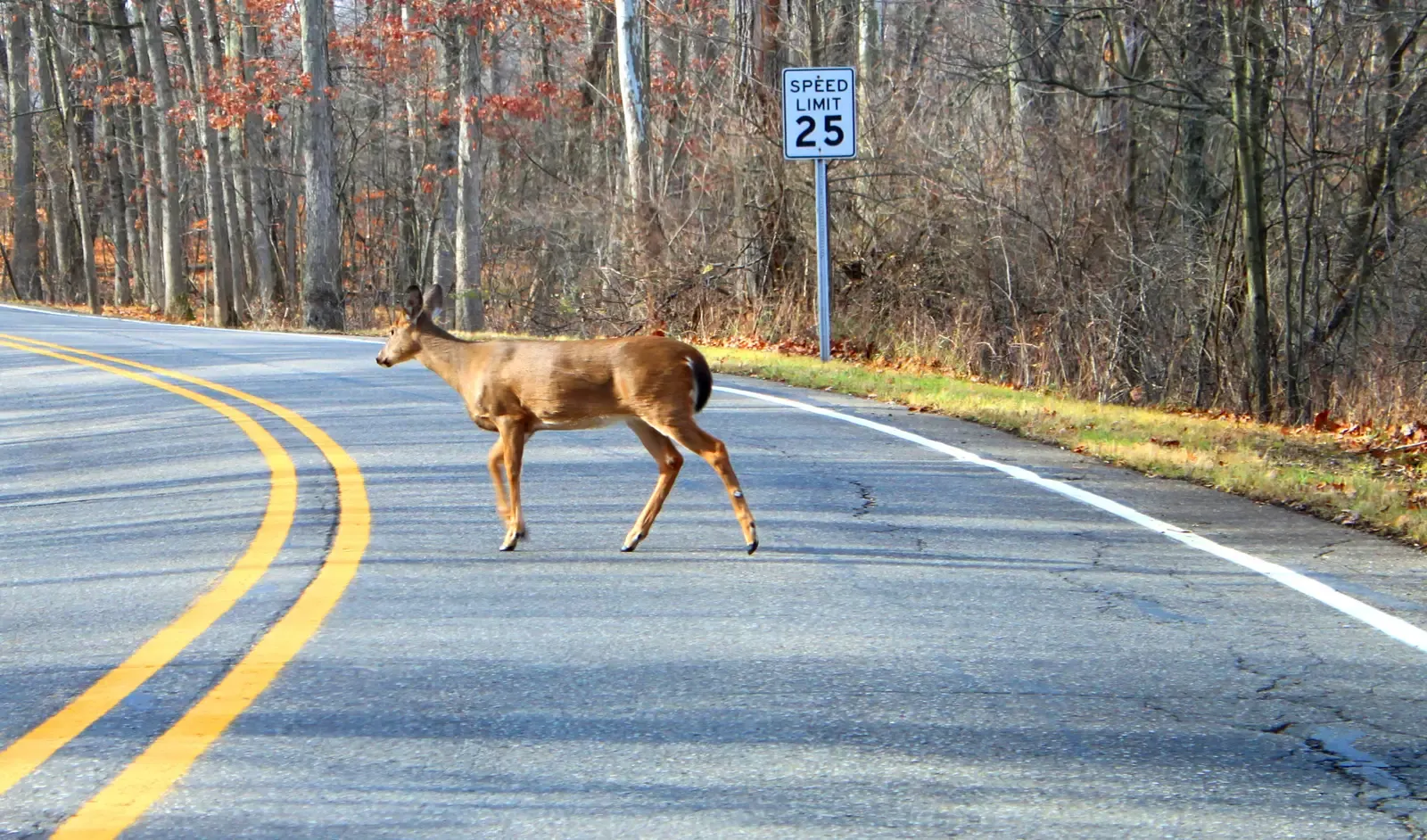
We started with deer, and we’re returning to them, because this specific scenario deserves its own spotlight. The Insurance Institute for Highway Safety and state Department of Transportation data consistently put deer-vehicle collisions in the United States at roughly one to two million incidents per year. That number is staggering, and it causes billions of dollars in vehicle damage plus thousands of serious human injuries annually.
Most of the forests supporting deer have vanished, being replaced by farms, suburbs, cities, and so forth. As a result, chronic deer-related problems include car crashes, among many others. The intersections of deer habitat and human infrastructure are everywhere now. Dawn and dusk are peak movement times, especially during the fall breeding season from October through December.
Slow down in posted deer crossing zones, use high beams when traffic allows on rural roads, and if a collision seems unavoidable, brake firmly but do not swerve sharply into oncoming traffic or off the road. Vehicle collisions cause a substantial proportion of deer mortalities, and reducing these collisions could be a win for both deer and humans. One moment of distraction at dusk can turn a scenic drive into a disaster for everyone involved.
The Bigger Picture: Responsible Viewing Is Conservation
Every one of these encounters carries the same underlying lesson. The Leave No Trace Center emphasizes that feeding wildlife can lead to behavior changes that increase human-wildlife conflict, and responsible viewing is key to conservation. That single principle, observed consistently by millions of Americans, would prevent enormous harm to both people and animals.
The consequences of approaching wildlife can be serious. You are responsible for your own safety as well as the safety of wildlife. That is not just a legal disclaimer. It is a genuine truth worth internalizing before your next hike, road trip, or early morning walk by the water.
Wildlife encounters are among the most memorable experiences this country has to offer. The goal is not to avoid them, but to handle them wisely. Keep your distance, secure your food, stay quiet, and let the animal lead. You will have a better story to tell, and the animal gets to live another day without learning to fear or depend on humans. That is what responsible coexistence actually looks like. What would you have done differently the last time you crossed paths with a wild animal?