Early 2026 Sees Unprecedented Push on Taxes (Image Credits: Flickr)
Americans faced mounting pressures from higher prices on housing, healthcare, and groceries in early 2026, even as the wealthiest grew richer, spurring lawmakers in 19 states to propose sweeping tax reforms.
Early 2026 Sees Unprecedented Push on Taxes
Legislators introduced more than 100 bills within the first months of the 2026 session alone, focusing on tax measures to redistribute wealth and ease affordability burdens.
Ida Eskamani, senior director of the State Innovation Exchange’s economic justice initiative, noted that this tally represented only a partial count from states where the organization collaborated closely with lawmakers. “It’s only February,” she told Fast Company. “We expect many more, and we continue to see momentum.” Organizers highlighted states’ unique authority over tax laws as a powerful tool for change. These efforts built on successes like Massachusetts’s 2022 Millionaires Tax, which generated revenue for education and transit.
Targeted Taxes on High Earners and Corporations
Lawmakers crafted proposals ranging from direct wealth taxes to adjustments closing corporate loopholes.
- In Washington, a bill sought a 9.9% tax on income exceeding $1 million.
- Illinois considered a resolution for an additional 3% tax on income above $1 million.
- A Connecticut measure proposed a 1.75% surcharge on capital gains for those earning over $1 million.
- California aimed to eliminate tax breaks for ICE contractors.
- Maryland targeted repealing exemptions for data centers.
These initiatives sought to ensure corporations and the super-wealthy contributed more equitably. States like Idaho and Florida already rejected certain federal tax cuts through decoupling, preserving revenue.
Federal Policies Fuel the Divide
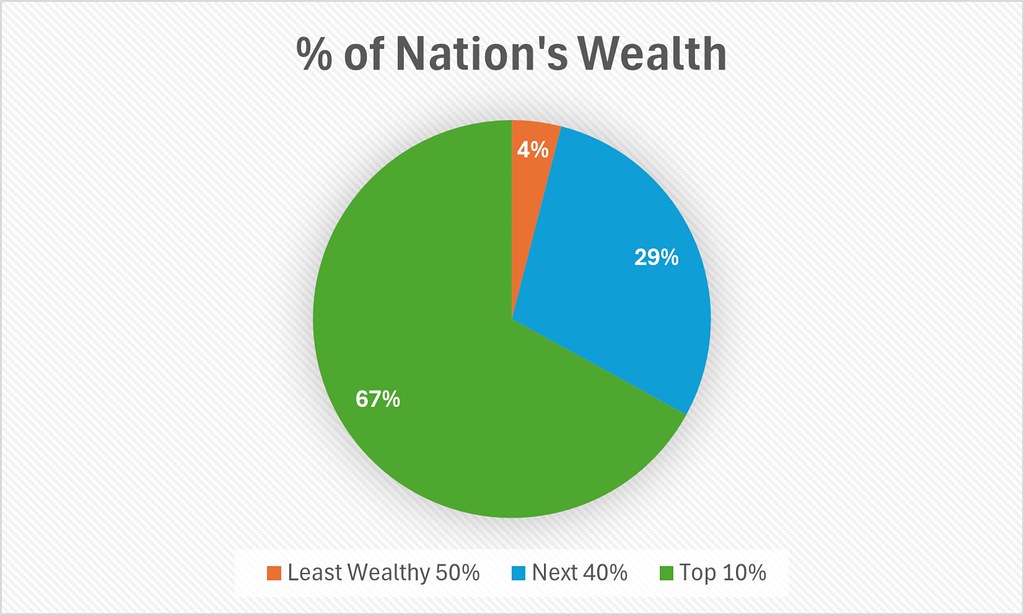
Wealth inequality intensified over decades, with top 1% households gaining 101 times more wealth than the median from 1989 to 2022, and 987 times more than the bottom 20%, per Oxfam data. In 2025, the 15 richest billionaires added $1 trillion to their fortunes amid widespread affordability struggles.
The Trump administration’s “One Big Beautiful Bill” delivered $1 trillion in tax cuts to the top 1% over a decade while reducing Medicaid funding by a similar amount, leaving states to cover shortfalls. Eskamani described the affordability crisis as “the result of intentional policy choices that protect concentrated wealth over working families.” She emphasized states’ need to lead on taxes in response. Experts linked these federal moves to exacerbated inequality.
Building a Lasting Affordability Framework
Beyond taxes, coalitions like May Day Strong released a guidebook outlining a “real affordability agenda” that included higher minimum wages, rent gouging bans, expanded tenant rights, and access to childcare and healthcare.
New Mexico’s universal no-cost childcare illustrated states’ potential to enhance family support. Eskamani stressed collaboration: “We’re up against some of the most powerful corporations and billionaires in the world. The legislators working in collaboration with folks organizing and everyday people and their constituents is key.” The guide empowered activists and unions alongside lawmakers.
- Over 100 bills in 19 states target wealth taxes and corporate breaks to fund public services.
- Federal cuts like those in HR1 have shifted burdens to states, prompting decoupling and new revenue measures.
- A broader agenda combines taxes with wage hikes, housing reforms, and family supports for equitable growth.
These state-level actions signal a growing resolve to bridge the wealth gap and restore balance for working families – what steps should your state take next? Share your thoughts in the comments.