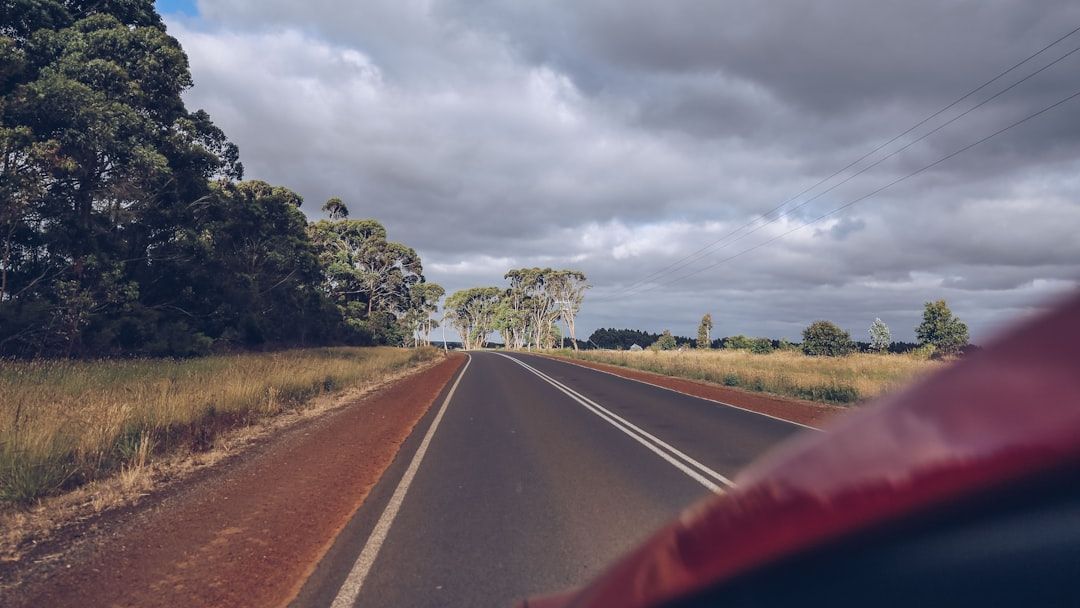

There’s something almost electric about the idea of throwing a bag in the back seat, hitting an open highway, and going somewhere nobody in your friend group has ever heard of. Not Yellowstone. Not the Grand Canyon. Somewhere that doesn’t have a gift shop every two miles. Honestly, some of the best places in America are the ones that never make the top ten lists.
The good news? You don’t need a fat wallet to find them. With a little planning, some real data working in your favor, and an appetite for adventure, a meaningful, memorable road trip across America’s lesser-known corners is completely achievable. Let’s dive in.
Understanding the True Cost of a Road Trip Before You Leave
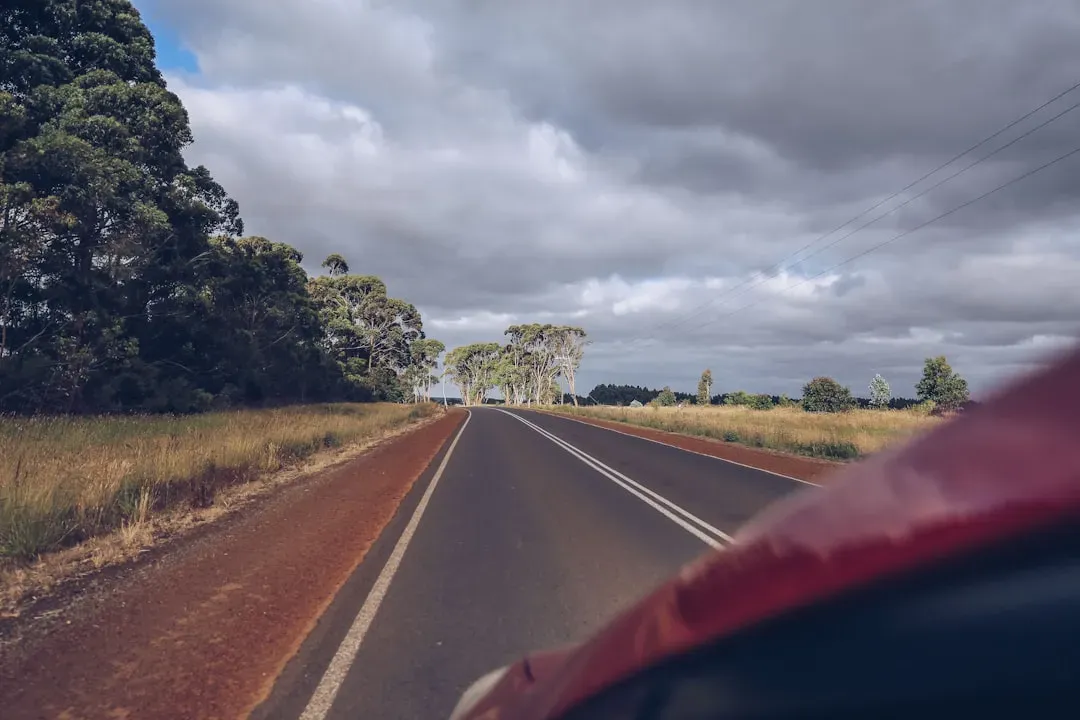
Here’s the thing most people don’t figure out until they’re already two states deep and checking their bank app with quiet dread. Road trips feel cheap because there’s no flight to buy, but the costs stack up fast. From 2023 to 2024, the one-week average vacation cost climbed by roughly 26%, representing a price hike of more than $400. That’s a significant jump that most casual planners simply don’t account for.
For a one-week trip in the United States, the average cost of a vacation for two people is around $4,536, according to Budget Your Trip. A road trip can cut that figure substantially. Average vacation costs drop dramatically when there is no airfare involved. Transportation, lodging, and food are your big three levers, and with a road trip, all three become more negotiable.
Budgeting early, automating savings, booking ahead, traveling off-season, meal planning, and leveraging rewards or cheaper accommodations can significantly reduce vacation costs. Start your budget spreadsheet weeks before departure, not the night before. The difference it makes is genuinely surprising.
Why Gas Prices Deserve Serious Attention in Your Planning
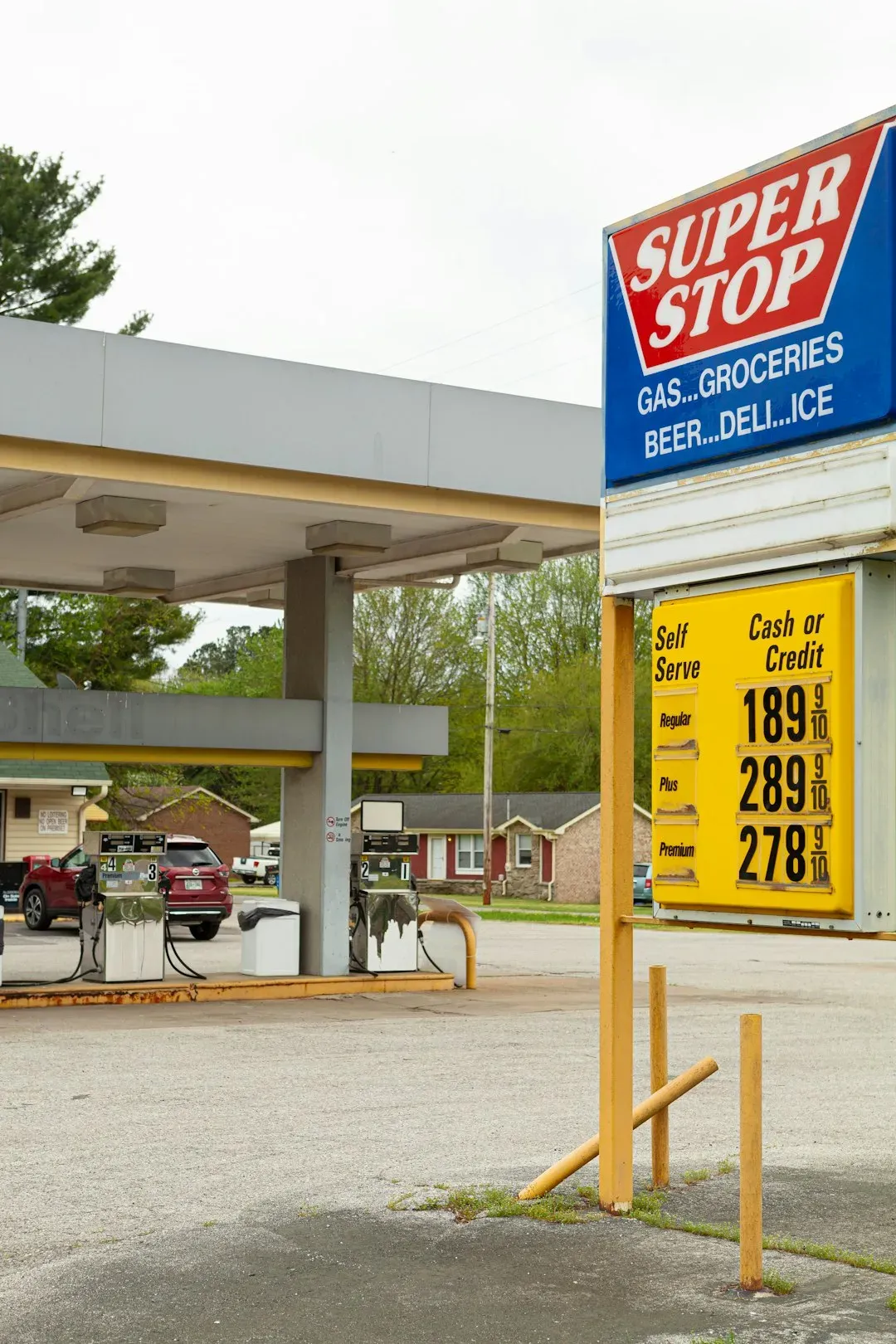
Fuel is the heartbeat of any road trip and also the sneakiest drain on your budget. It fluctuates constantly based on region, season, and global events you have zero control over. AAA reports that gas prices vary regionally due to factors such as taxes, transportation costs, supply chains, and local regulations. That means the route you choose genuinely affects how much you spend.
At the lower end of the spectrum, the least expensive gasoline markets include Mississippi, Tennessee, Oklahoma, and Texas, where prices have hovered closer to the mid-two-dollar range. Routing through those states instead of the West Coast could save you real money over a week-long trip. Carefully planning out your road trip can save you time and money, and with a little planning, you can avoid retracing your route, reduce distance traveled, save fuel, and reduce wear and tear on your car.
Tools like the AAA Gas Cost Calculator are genuinely useful for pre-trip budgeting. You can use the AAA Gas Cost Calculator to budget for future fuel costs, especially useful for road trips and other travels. Use it, seriously. It takes ten minutes and can save you from a nasty surprise halfway through Nevada.
Choosing Lesser-Known Routes That Actually Save You Money
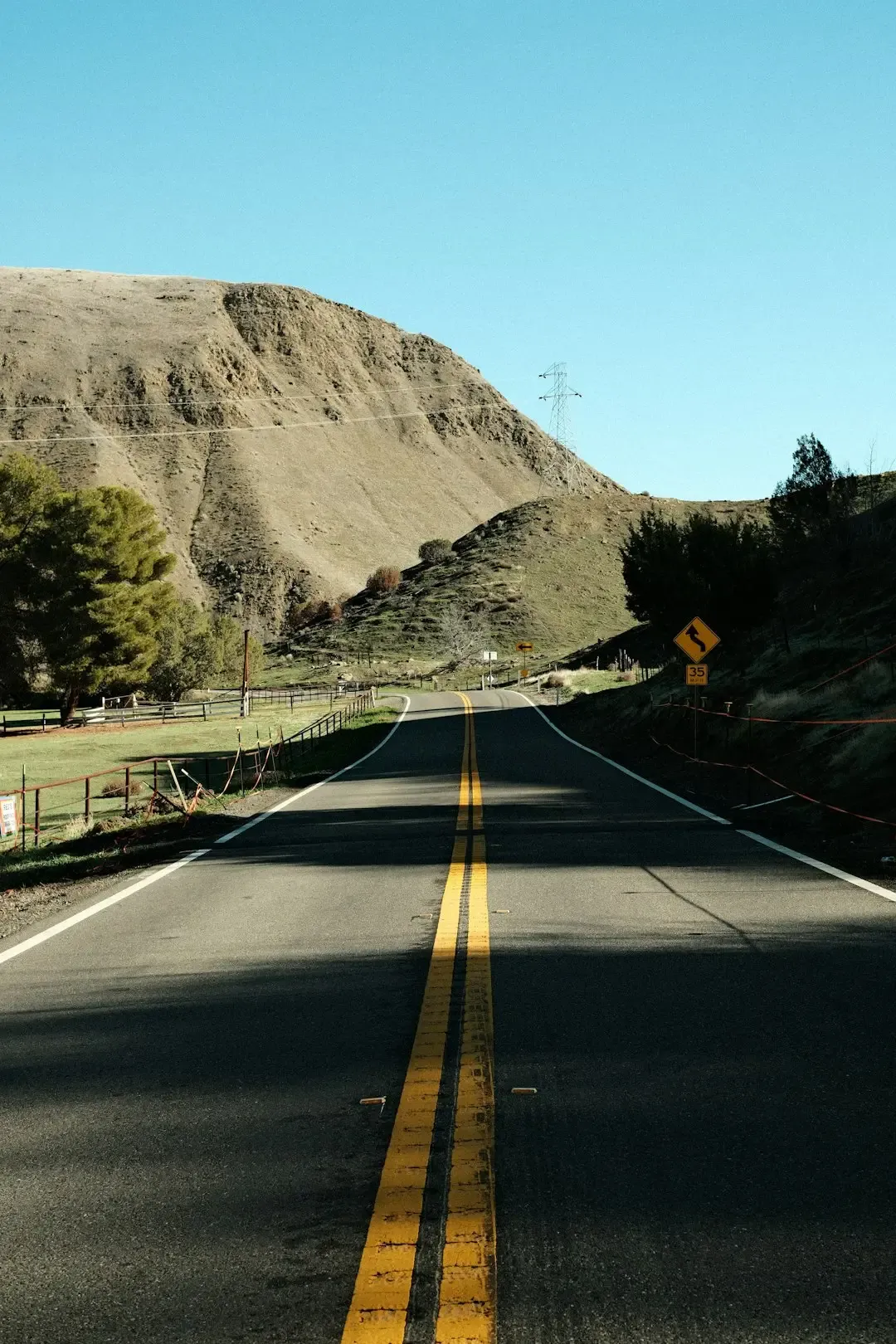
Let’s be real: the famous roads get the crowds, and crowds mean higher prices everywhere from gas stations to campsites. Choosing off-the-beaten-path routes isn’t just romantic, it’s financially smart. Spectacular and lesser-known USA road trips cover many states and vary from beaches to mountains to country roads to deserts. There’s an enormous variety available if you’re willing to look past the obvious choices.
Take the Natchez Trace Parkway, for example. The Natchez Trace Parkway is a National Parkway in the southeastern United States that commemorates the historic Old Natchez Trace, and its central feature is a two-lane parkway road that extends 444 miles from Natchez, Mississippi, to Nashville, Tennessee. There are no commercial vehicles, no billboards, and very few tourist traps. It’s one of the most serene and affordable drives in the entire country.
Western Montana is another gem worth a look. While millions want to visit Glacier National Park each year, most visitors don’t realize that most of Western Montana was carved by the same glacial activity, offering stunning mountains, lakes, rivers, and forests, with a fraction of the tourists. Fewer tourists almost always means lower prices, shorter lines, and a better experience all around.
Camping as Your Secret Weapon for Slashing Lodging Costs
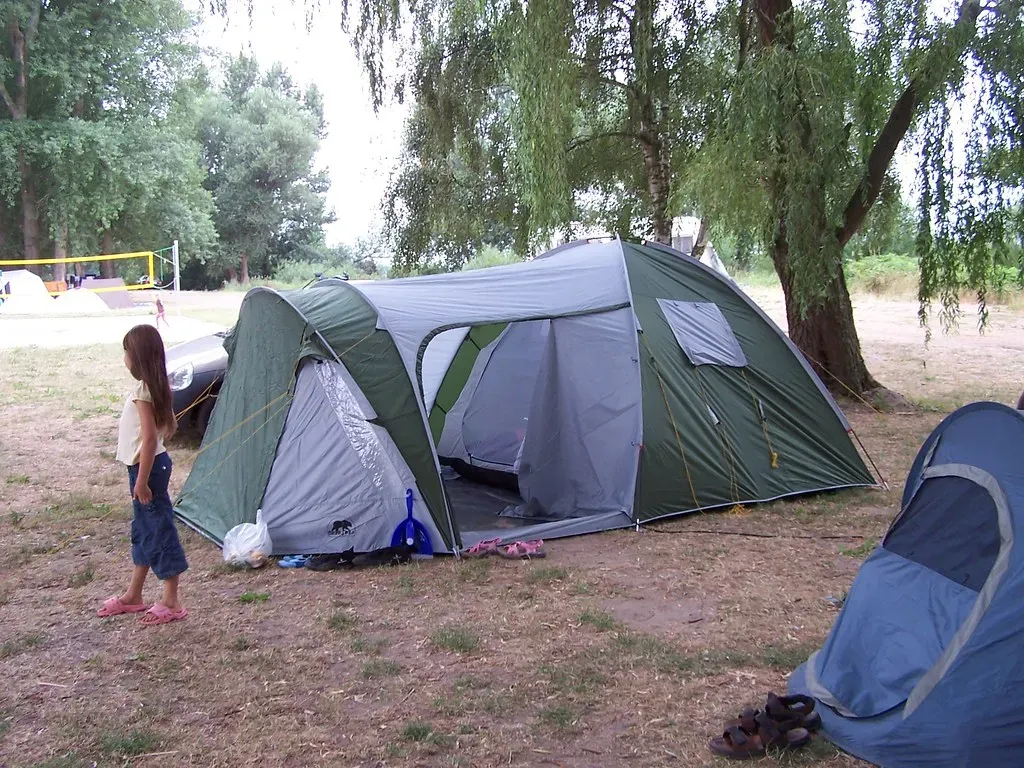
Hotels are often the single biggest expense on any vacation. Swap a few of those nights for a campsite and your budget opens up dramatically. The camping boom in America is real and well-documented. KOA’s data shows that nearly 54 million households took a camping trip in 2023. That’s tens of millions of travelers who figured out that sleeping under the stars beats an overpriced motel off the freeway.
A notable 72% of campers believe camping is the most cost-effective travel option. It’s hard to argue with that. Campers in 2024 stayed closer to home, with more than half traveling 100 miles or less to get to their camping destination. Short drives to free or low-cost campsites can form the backbone of a genuinely affordable road trip itinerary.
Gen Z and Millennial campers make up the majority of all new campers, and these new campers are coming from urban areas and seeking experiences which allow them to connect to local culture and landscapes. It’s a mindset shift worth borrowing regardless of your age. Camping isn’t roughing it anymore. It’s just smart travel.
How to Find Budget Lodging When Camping Isn’t an Option
There are nights when you want a real bed, a hot shower, and a door that locks. Totally understandable. The key is knowing where to look and what to skip. The average cost of a single-occupancy hotel room in the United States is $171 per night, $513 for a 3-day stay, and around $1,200 for a full week. That adds up to a significant slice of any road trip budget.
Airbnb has increasingly become a go-to alternative, especially in rural and small-town areas along lesser-known routes. Smaller towns and rural stays often cost a fraction of what urban Airbnb listings charge, and you frequently get more space and a kitchen to cook in. Solo travelers can look to hostels for a cheaper alternative, while vacation rental services like Airbnb and VRBO offer alternatives to hotels for travelers who need access to amenities like kitchens and laundry rooms.
Cooking even one meal a day in a rental kitchen instead of eating out adds up to real savings over a week. Think of it this way: if you save $20 a day on food across seven days, that’s $140 back in your pocket for gas or a particularly cool roadside detour.
Timing Your Trip to Beat Seasonal Price Spikes
Timing is one of the most underrated budget tools available to any road tripper. Most people think about this vaguely, but the data makes it very concrete. GasBuddy’s 2024 fuel outlook projected seasonal gas price swings of 30 to 70 cents per gallon, meaning the month you travel can affect your fuel bill by a noticeable amount. Choosing shoulder season, the weeks just before or after peak summer, can shave a meaningful chunk off both fuel and lodging costs simultaneously.
Traveling in the off-season or shoulder season can save you money, and it’s simple supply and demand. Campsites are emptier, rural Airbnbs are cheaper, and the roads through those hidden-gem destinations are far less congested. You’ll actually see the place instead of fighting crowds for a photo.
Early fall through October and late April to mid-May are often the sweet spots for road trips through most of America’s interior. The weather is usually decent, the colors can be spectacular, and the prices are noticeably friendlier. I think this window is genuinely the best-kept secret in budget travel planning.
The America the Beautiful Pass: A Smart Investment for Park-Heavy Routes
If your road trip involves any national parks, monuments, or federal recreation areas, this is one of those rare cases where spending money upfront is genuinely the thrifty move. The America the Beautiful Annual Pass costs $80 and covers entrance fees at over 2,000 federal recreation sites. A single week passing through several national parks could easily justify the cost by day three.
The required entrance pass at sites like Pictured Rocks National Lakeshore costs $20 per car, and America the Beautiful passes are accepted. Now multiply that by four or five parks on a longer route. The math writes itself. Meanwhile, there are a great many things to see in America that don’t cost a dime. Many scenic byways, state forests, and local landmarks are entirely free.
Over the past five years, outdoor hospitality has experienced unprecedented growth, and between 2020 and 2023, camping participation reached record levels, peaking with over 58 million households making the outdoors a part of their travel plans. The trails and parks are busier than ever, so having a pass and planning your visit windows wisely will serve you well.
Keeping Food Costs in Check on the Road
Food is the sneaky budget killer that nobody talks about enough. It’s easy to justify one diner breakfast here, one truck stop meal there, and suddenly you’ve spent $80 in a single day without a single memorable bite. Food and dining experiences are a top budget priority during vacation, and the average daily cost of food per person while on vacation is $58, while the average cost per meal is $23. That’s a significant daily spend if you’re eating every meal out.
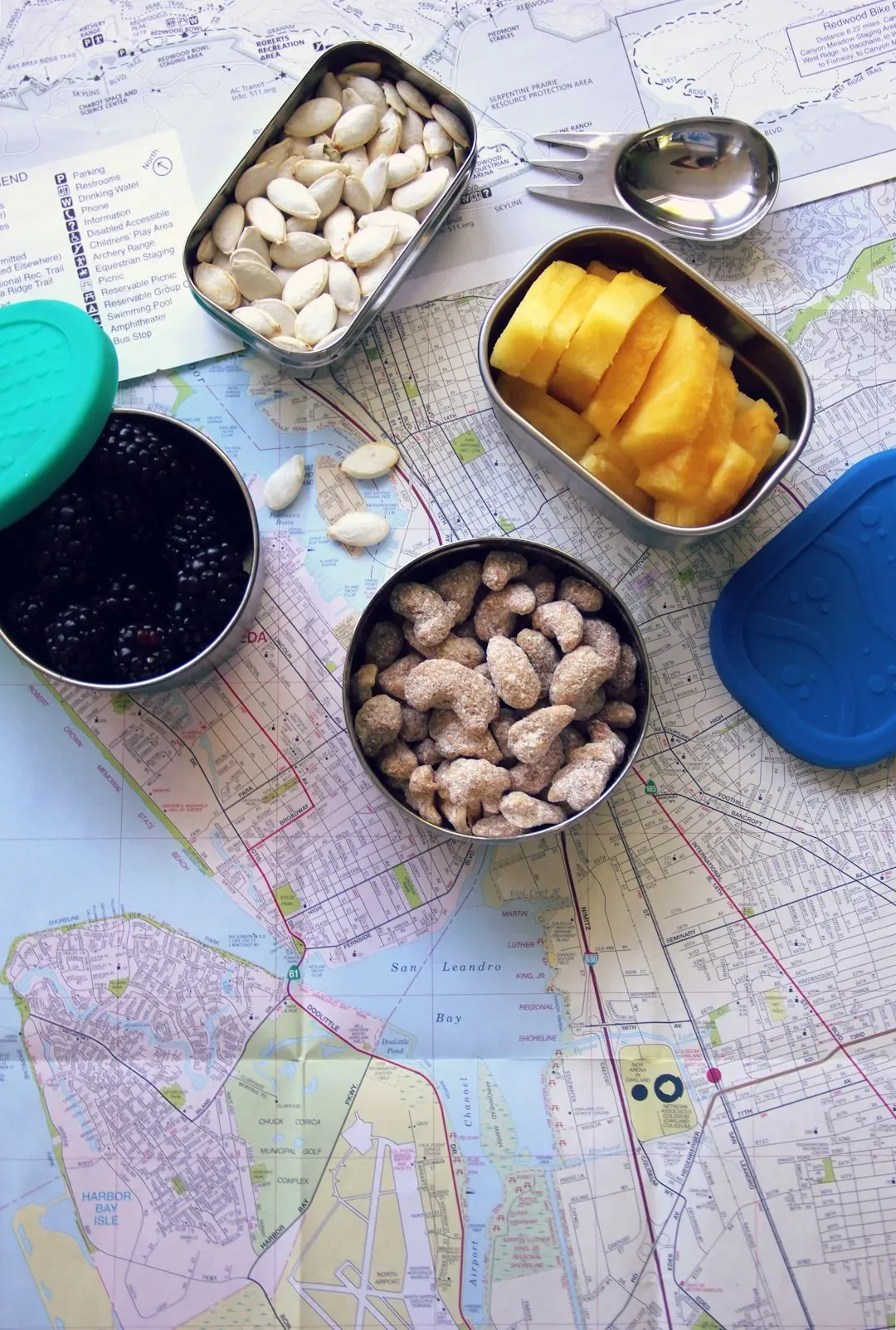
The smarter play is building a simple road trip food kit. A small cooler with sandwich supplies, fruit, nuts, and easy snacks can cut your daily food spend by a third or more. To avoid the costs of eating out, head to local grocery stores, which can be a fun activity on its own, or pack snacks from home. Local grocery stores in small towns also give you a real peek into everyday community life, which is half the fun of exploring lesser-known places.
Save the restaurant budget for one genuinely special meal in an interesting local spot. That’s the kind of experience you’ll remember. The gas station hot dog you ate for convenience? Not so much. Be selective, and your food memories and food budget will both be better off.
Fuel Efficiency Tips That Actually Make a Difference
Your vehicle is your biggest tool on a road trip, and treating it well pays literal dividends. A few simple practices can meaningfully extend your fuel economy across hundreds of miles. Under-inflated tires can decrease your gas mileage by approximately 3%, and properly inflated tires are safer and last longer. Check pressure in all four tires every two weeks with an accurate hand-held air pressure gauge.
Driving with the windows open, using roof or rear-mounted racks, and carrying heavy loads increase vehicle drag. A roof rack or carrier provides additional cargo space, but a loaded roof rack can decrease your fuel economy by 5 percent. Those numbers are small in isolation but add up over a week-long, multi-state trip. Pack light wherever you can.
Many drivers waste money by using premium fuel when it isn’t required, and you should always use the octane level recommended by your vehicle’s manufacturer. It sounds simple, but according to AAA research, Americans waste more than $2.1 billion annually on premium gas in vehicles designed to run on regular fuel. That’s a staggering amount of wasted money on a mistake that takes two seconds to avoid.
Planning Your Route Around America’s Most Rewarding Hidden Gems
This is honestly the most enjoyable part of the whole process. Forget the famous routes for a moment. The Blue Ridge Parkway, for instance, is worth knowing about. The Blue Ridge Parkway is a National Parkway and All-American Road noted for its scenic beauty, and it runs for 469 miles through 29 Virginia and North Carolina counties, mostly along the Blue Ridge mountain chain. It’s free to drive, completely stunning, and lined with small towns offering affordable local food and lodging.
Texas Hill Country is another underrated masterpiece. A Texas road trip starting and ending in San Antonio with stops in small towns like Bandera, Boerne, and Fredericksburg offers opportunities to stroll in a Japanese tea garden, relax along the Sabinal and Frio Rivers, and eat extraordinary regional food. Small-town Texas is also some of the most affordable territory in the country to travel through.
For the Pacific Northwest crowd, the Olympic Peninsula Loop in Washington State deserves far more attention than it typically receives. If you’re looking to explore a breathtaking blend of coastal, rainforest, and mountainous landscapes, the Olympic Peninsula Loop encircles Olympic National Park and is a showcase of the Pacific Northwest’s natural beauty, with the 330-mile journey beginning on scenic Highway 101. It’s complex, beautiful, and still far less crowded than many comparable routes. That combination, great scenery plus manageable crowds, is exactly what budget road trippers should be chasing.
Conclusion: The Road Less Traveled Really Does Cost Less
A budget road trip through America’s lesser-known places isn’t a compromise. It’s actually a smarter, richer way to travel. The data supports it: camping saves on lodging, shoulder-season timing cuts both gas and accommodation costs, and route planning through lower-cost fuel states can shave meaningful dollars off your total spend.
The lesser-known corners of this country, from the Natchez Trace to the Montana backcountry to the Texas Hill Country, aren’t just cheaper to visit. They’re often more rewarding, more personal, and more genuinely American than the crowded, over-photographed landmarks everyone else is fighting to see.
You don’t need a big budget to have a big trip. You just need a good map, a well-stocked cooler, properly inflated tires, and the willingness to take the road that doesn’t have a rest stop with a Starbucks attached to it. What hidden American gem would you want to explore first? Drop your thoughts in the comments.