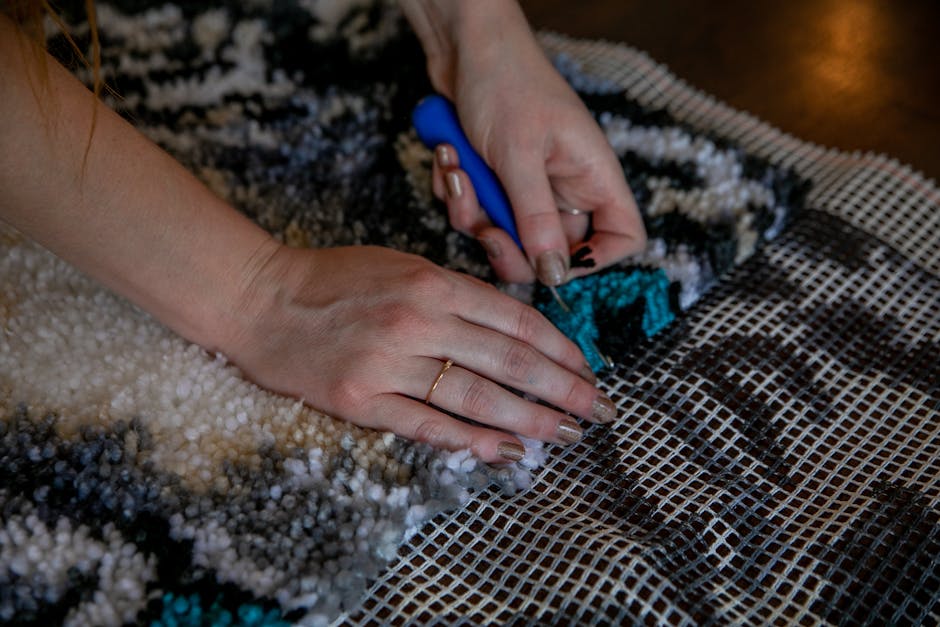
A Screen-Free Revolution Sparks Business Boom (Image Credits: Pexels)
Young entrepreneurs across the United States have discovered a lucrative niche in activities once dismissed as outdated pastimes. Needlepoint, mahjong, and blacksmithing now anchor startups that cater to a generation weary of constant screen time. Demand for these tactile pursuits continues to grow as consumers seek meaningful escapes from digital overload.[1][2]
A Screen-Free Revolution Sparks Business Boom
The shift toward analog hobbies gained momentum during the 2020 pandemic, when extra free time prompted many young adults to experiment with hands-on crafts. Participants found these activities offered therapeutic distraction from work stress and endless scrolling. What began as personal relief evolved into viral trends on social media, drawing in even more newcomers.
Today, Gen Z and millennials prioritize longevity and creativity over disposable digital entertainment. Entrepreneurs recognized this appetite early, launching companies that modernize traditional skills. The result marks a broader cultural pivot, where offline engagement fosters community and accomplishment.[2]
Needlepoint Finds Fresh Appeal with Modern Twists
Emma MacTaggart, 26, quit investment banking after long hours left her craving non-screen hobbies. She and her roommates turned to needlepoint, which quickly became an obsession. That passion led her to found What’s the Stitch, a business offering canvases, accessories, and digital designs infused with cheeky humor.[1][2]
Customers appreciate the craft’s therapeutic rhythm, which replaces doomscrolling with focused stitching. MacTaggart noted the irony of updating a “historically buttoned-up” pursuit for younger audiences. Her venture exemplifies how entrepreneurs blend nostalgia with contemporary flair to meet surging interest.
Mahjong Evolves into a Social Zen Escape
Clara Sherman co-founded So Bam Fun to reintroduce mahjong to a new generation. The game provides a “zen state,” allowing players to immerse in friendly competition while tuning out the world. Young groups now gather for sessions that emphasize relaxation over high-tech gaming.[1][2]
Sherman’s approach highlights the social draw of these hobbies. Participants describe sessions as bubbles of joy amid daily chaos. The company’s success reflects broader demand for activities that build connections without devices.
Blacksmithing and Other Crafts Forge Lasting Ventures
Anna Weare, 27, operates as a full-time blacksmith under the name AnvilAnna. Her handmade spurs boast a year-long waitlist, signaling strong customer loyalty. Clients value the durability of her work, which outlasts factory-made alternatives.[1][2]
Weare explained that consumers now prioritize items with proven endurance. Beyond her forge, similar energy fuels businesses in pottery, knitting, and birdwatching. These founders leverage social platforms to showcase processes, ironically boosting offline products.
- Needlepoint kits with profane, fun designs attract urban millennials.
- Mahjong sets marketed for group zen sessions sell out quickly.
- Blacksmith tools and custom pieces command premium prices due to waitlists.
- Pottery classes fill as participants seek hands-on creation.
- Birdwatching gear supports nonprofits preserving habitats.
Market Forces Fuel the Analog Surge
The arts and crafts sector reached $23.56 billion in value last year, with nearly three-quarters of adults engaging in projects – up from 62% in 2019. Small businesses report younger shoppers and revenue gains from nostalgic items. Entrepreneurs like those in journaling and miniature collectibles also thrive on this wave.[3]
Psychology experts emphasize hobbies’ role in reducing anxiety through challenge and focus. Yet the trend persists because it delivers tangible results in an intangible digital age. Founders who adapt these pursuits for modern tastes position themselves for sustained growth.
| Hobby | Key Business | Demand Indicator |
|---|---|---|
| Needlepoint | What’s the Stitch | Modern designs go viral |
| Mahjong | So Bam Fun | Zen social appeal |
| Blacksmithing | AnvilAnna | Year-long waitlist |
Key Takeaways
- Analog hobbies combat screen fatigue with therapeutic, hands-on engagement.
- Young founders modernize traditions, driving business growth.
- Demand reflects a lasting shift beyond pandemic novelty.
This resurgence underscores a simple truth: in a hyper-connected world, disconnection proves profitable. Entrepreneurs who tap into tactile joy not only build companies but also nurture well-being. What analog hobby might you revive next? Share your thoughts in the comments.