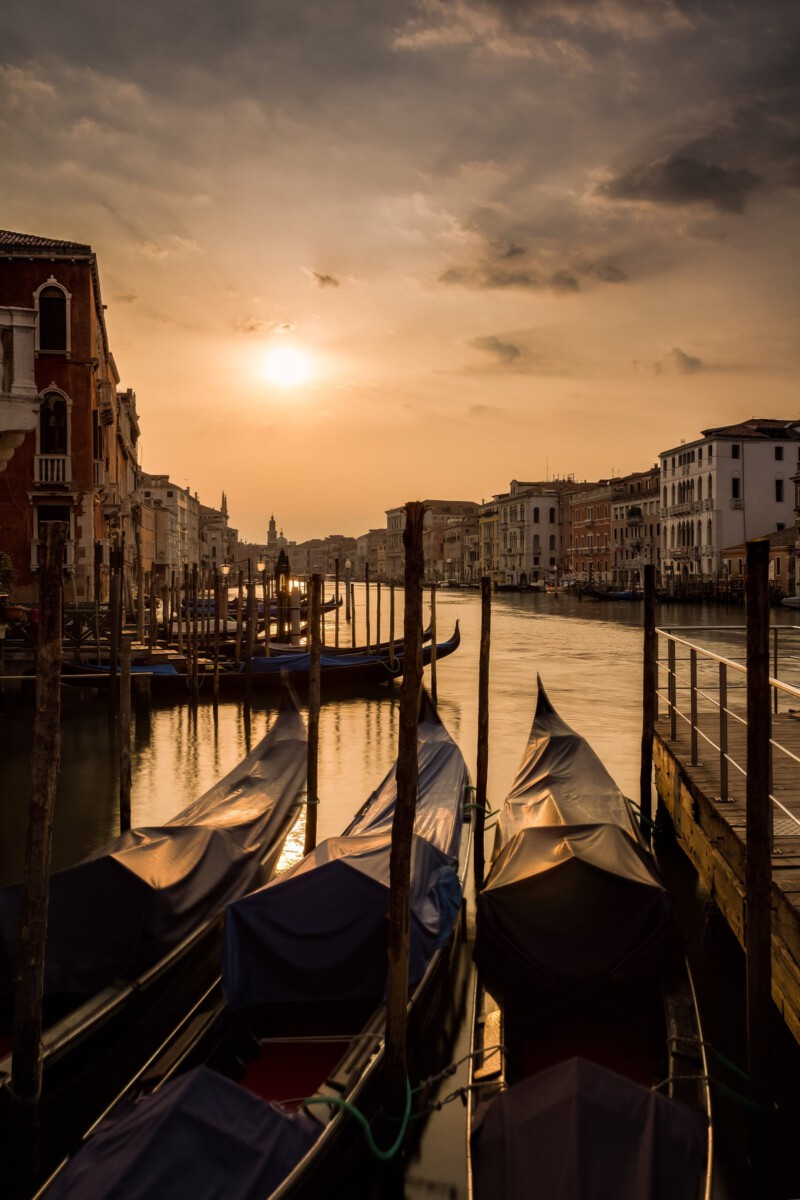
Seville Faces Record Heat Amid Climate Shifts (Image Credits: Pixabay)
Seville, Spain – In the heart of one of Europe’s hottest cities, a groundbreaking project draws on millennia-old engineering to combat extreme summer heat. Authorities in the Isla de La Cartuja neighborhood installed innovative underground cooling networks beneath public venues, blending Persian qanat technology with contemporary upgrades. This initiative, known as CartujaQanat, provides relief for thousands of daily visitors while consuming virtually no net energy.
Seville Faces Record Heat Amid Climate Shifts
The city recorded 30 days above 40 degrees Celsius last year, far exceeding the prior decade’s average of 12.8 days. Scientists forecast summer peaks reaching 50 degrees Celsius by 2050, coupled with a 20 percent drop in rainfall. Extreme heat already exacted a heavy toll, contributing to over 11,000 deaths across Spain in the summer of 2022 and 1,180 during a single heatwave the following year.
Urban environments like Seville amplify these dangers through the heat island effect, where concrete traps warmth. Local leaders responded by pioneering heatwave naming and categorization, the world’s first such system. Yet traditional air conditioning proved inadequate, prompting a search for low-emission alternatives.
Rediscovering Qanats: From Persia to Andalusia
Originating 3,000 years ago in ancient Persia, qanats channeled underground water for irrigation and cooling in arid regions from Iran to Jordan. Moorish engineers later adapted similar systems in Andalusia, including at Granada’s Alhambra. The CartujaQanat project revived this legacy under two sites: a 750-square-meter Agora accommodating 400 people and a renovated amphitheater for 200.
Project leader Lucas Perea Gil described the effort as having “half re-invented the qanats, taking from their engineering ingenuity.” Operations began in 2022, running seasonally from March to October. University of Seville researcher Maria de la Paz Montero Gutiérrez oversaw multiple cooling variants tailored to weather patterns.
The Mechanics of Underground Cooling
Water cools naturally underground at night, aided by solar-powered pumps that spray it thinly across the roof in a “falling film” process for faster chilling. During peak daytime heat, chilled water circulates through ceiling pipes and subterranean channels, cooling up to 36,000 cubic meters of air per hour. Ducts release the cooled air indoors, while outdoor misting promotes evaporation.
The system demands no external energy overall. In summer 2025, 380 square meters of rooftop solar panels generated 55,000 kWh, surpassing the 42,000 kWh used by pumps. Teams learned to optimize, deploying only three of nine planned pumps, which promises cost reductions for expansions.
- Nightly underground chilling of water
- Solar-driven rooftop evaporation
- Ceiling and subsurface pipe networks
- High-volume air cooling via ducts
- Evaporative outdoor misting
Impressive Results and Broader Impact
University of Seville studies revealed indoor temperatures up to 12 degrees Celsius below outdoor levels during 2025’s summer. Funded mostly by the European Union’s Urban Innovative Actions with a €5 million budget, the project attracted visitors from California, Germany, and Dubai. It also rejuvenated Isla de La Cartuja, drawing workers for lunch, teens for skating, and dance classes in hip hop, flamenco, swing, and tango.
Tango instructor Charo Sollero praised the space: “It’s an open space that’s not too hot, it’s perfect for us.” Beyond cooling, complementary measures included heat-reflective paint, wind blockers, sun shades, and wall vegetation. The model now expands to a bus stop, square, and school in the Macarena neighborhood next year.
Lessons for Global Cities
Experts like Nilou Vakil, an architecture professor at the University of Kansas, hailed the approach: “Cooling is one of the biggest issues that we are going to face in the future. Seville’s project serves as a scalable prototype.” Anna Beswick of the London School of Economics emphasized governance: “There’s a lack of visibility over heat, it’s a silent killer.”
While ideal for dry climates, qanats falter in humidity due to evaporation reliance. Other cities experiment similarly: Los Angeles with reflective street paint, Rotterdam with green roofs, and Freetown with a Chief Heat Officer. Seville’s success underscores how historical ingenuity can inform resilient urban design. For details, visit the CartujaQanat site.
Key Takeaways
- Zero net energy use through solar power offsets.
- Temperatures dropped 12°C indoors versus outdoors.
- Scalable for public spaces, revitalizing underused areas.
Seville proves ancient wisdom can anchor modern climate strategies, offering a blueprint for livable cities amid rising temperatures. As expansions unfold, this qanat revival signals hope for heat-stressed regions worldwide. What cooling innovations are emerging in your city? Share your thoughts in the comments.