A Sharp Increase in Late-Night Work Sessions (Image Credits: Pixabay)
Knowledge workers increasingly found their evenings invaded by work calls last year, with surveys revealing a sharp uptick in after-hours meetings. This trend, fueled by flexible schedules and global teams, showed no signs of slowing in 2025. Experts from leading tech firms highlighted how easy scheduling tools contributed to the problem, while stressing that technology alone cannot restore work-life balance.
A Sharp Increase in Late-Night Work Sessions
One-third of U.S. knowledge workers reported frequent attendance at after-hours meetings in 2025, a notable jump from 23% the year before, according to a survey by workspace provider Miro. Six in 10 people joined such meetings at least monthly, a pattern observed not just domestically but worldwide. Dom Katz, Miro’s ways of working lead, noted the broader implications: “The data suggests more and more people consistently have meetings after their usual workday ends, and it’s getting worse.”
This rise mirrored findings from Microsoft’s 2025 Work Trend Index, which tracked a 16% increase in meetings after 8 p.m. based on anonymized Teams data. The study pointed to global and flexible teams as primary drivers. Alexia Cambon, director at Microsoft’s office of applied research, linked it to burnout: “80% of employees said they didn’t feel like they had enough time and energy to do their job.”
Roots of the After-Hours Meeting Boom
The pandemic accelerated the shift, as remote work normalized digital tools that made meetings effortless to arrange. Workers adapted by delaying sessions to fit personal lives, such as after bedtime routines for parents. Cambon explained how this blurred boundaries: “The lack of firm boundaries between personal life and professional life is probably a contributor.”
Globalization played a key role too, with nearly one-third of meetings now crossing time zones – a 35% rise since 2021. Business demands intensified the pressure, as over half of leaders sought greater productivity from staff. Miro’s research further revealed an imbalance: for every hour of creative “momentum work” like brainstorming, workers logged three hours on maintenance tasks including emails and meetings. Katz described the toll: “It creates stress, it’s a productivity drain, and saps them off their creativity.”
- Pandemic-era remote tools lowered barriers to scheduling.
- Flexible hours enabled personal-fit timing but extended days.
- Cross-time-zone collaboration became routine.
- “Bad meeting hygiene” – no agendas, overruns, indecisiveness – bred follow-ups.
- Heightened business pace demanded constant check-ins.
AI’s Promise Falls Short Without Cultural Shifts
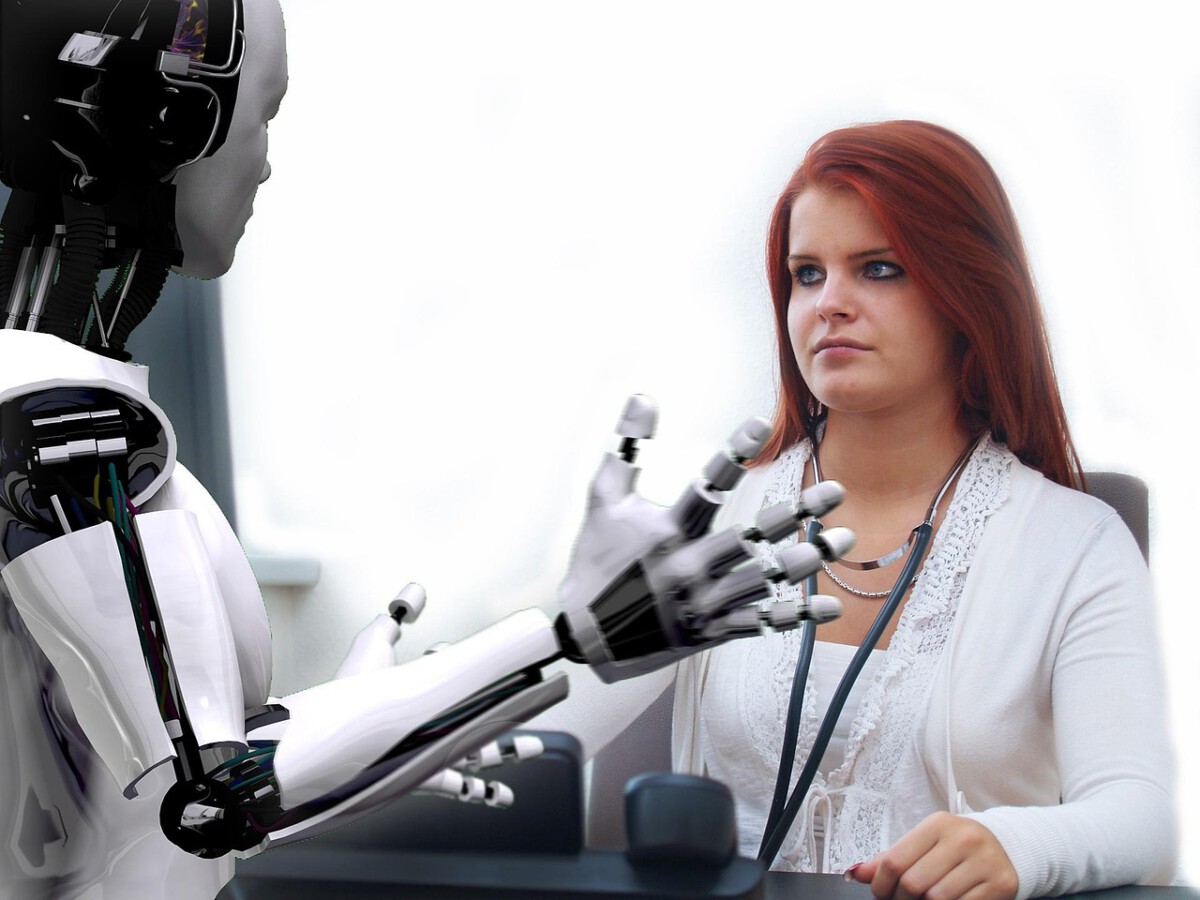
Emerging AI features, such as automated note-takers and async alternatives, held potential to curb late calls by letting workers opt out of live sessions. Yet Cambon cautioned against overreliance: “Your meeting culture is your meeting culture, and unless you use AI very intentionally, nothing is really going to change.” Dr. Rebecca Hinds, head of the AI Work Institute at Glean, echoed this, observing AI-driven shifts in AI-native firms led to unprecedented pressure and more after-hours work.
Technology often exacerbated issues by simplifying summons to meetings, especially amid adapting to new tools. Hinds warned: “The more we have access to technology, the easier it is to schedule and attend a meeting… All of this is lowering the bar.” Post-pandemic, some firms embraced flexibility, while others eroded boundaries – AI risked the same divide without deliberate norms.
Practical Tech Strategies to Reclaim Evenings
Certain platforms now restrict availability to core hours or alert organizers about after-hours conflicts across zones. They also detect potential flops, like oversized groups or low response rates. Async options, including AI summaries, video messages, and shared docs, foster collaboration without real-time demands.
Hinds advocated clear guidelines: “Asynchronous is the name of the game in terms of decreasing our time spent in dysfunctional meetings.” Establishing purposes for tools and meetings proved essential, regardless of timing. Katz emphasized hygiene basics: agendas, time limits, and clear outcomes to prevent cascades of extras.
Key Takeaways
- Prioritize async tools to cut live meeting needs.
- Set firm availability boundaries in scheduling software.
- Enforce agendas and decisions to avoid repeats.
The surge in evening meetings underscores a deeper challenge: technology enables efficiency but demands intentional use to protect well-being. Firms that cultivate healthy norms alongside AI stand to regain productive days and rested nights. What steps has your team taken to curb after-hours calls? Share in the comments.