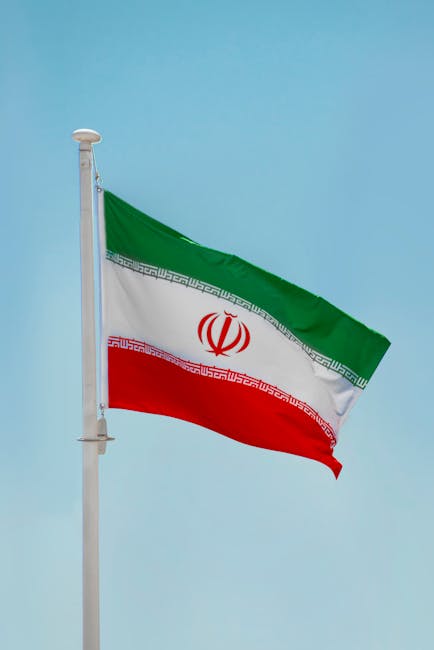
A Wake-Up Call in Cyberspace (Image Credits: Pexels)
Escalating conflicts in the Middle East have spotlighted Iran’s cyber operations, where regime-linked groups continue targeting regional businesses even as physical strikes intensify.
A Wake-Up Call in Cyberspace
The Stuxnet worm marked a pivotal moment in 2010, when U.S. and Israeli experts reportedly unleashed it on Iran’s Natanz nuclear facility, destroying centrifuges and delaying nuclear progress. Officials from both nations denied involvement, yet the attack stood as the first known cyberweapon to damage physical infrastructure. Iran recognized the vulnerability immediately.
This incident spurred a rapid pivot to offensive cyber capabilities. Jake Moore, global cybersecurity advisor at ESET, noted that experiencing the world’s first true cyberweapon demonstrated to Iran the full scope of digital threats ahead.Fast Company It prompted Tehran to invest heavily in retaliation tools.
Structuring a Cyber Command
Iran established key oversight bodies, such as the Supreme Council of Cyberspace in 2012, to direct its digital strategy. The Islamic Revolutionary Guard Corps and Ministry of Intelligence sponsored advanced persistent threat groups for sustained operations. Cybersecurity spending surged 1,200% from 2012 to 2015, fueling this expansion.Atlantic Council
These efforts yielded results quickly. Groups conducted prolonged campaigns against critical sectors. The focus remained on building resilient, coordinated networks despite international pressure.
Leveraging Talent and Numbers
Iran draws from a deep reservoir of software and computer engineers, channeling expertise into cyber warfare. Mo Hoseini, head of resilience at ARTICLE 19, highlighted Iran as a leading producer of such professionals. This talent pool supports both state-backed teams and informal actors.
APT33 and OilRig emerged as prominent players, hitting aerospace and energy targets through the 2010s. U.S. sanctions in 2024 targeted linked individuals.U.S. Treasury Analysts identified over 120 hacktivist collectives aligned with Iran, amplifying threats through sheer volume. Any single success from these groups disrupts targets effectively.
- APT33: Focused on aerospace disruptions.
- OilRig: Targeted energy infrastructure.
- Hacktivist networks: Over 120 independent operators.
- State-sponsored APTs: Coordinated via IRGC and intelligence.
Projecting Power Beyond Borders
Cyber tools offer Iran a way to counter military limitations and sanctions, enabling strikes on distant foes like Jordanian gas firms, UAE, and Qatar businesses in recent offensives. UK warnings to firms followed missile exchanges.NCSC Ties with Russia and China provide tactical exchanges, mirroring Russian methods.
Tehran also grooms overseas assets by funding pro-regime students who later face coercion into espionage. Recent Silicon Valley arrests exposed engineers allegedly passing tech secrets to Iran.U.S. Justice Department Hoseini observed sustained resources for now, though coordination faces tests amid turmoil.
Key Takeaways
- Stuxnet catalyzed Iran’s cyber buildup, shifting defense to offense.
- A 1,200% budget rise and talent pool powered APT and hacktivist growth.
- Cyber strategy bypasses sanctions, with foreign alliances enhancing reach.
Iran’s cyber ascent underscores how adversity forges unconventional strengths, turning a setback into a borderless arsenal. As tensions persist, businesses worldwide must bolster defenses – what steps will your organization take next? Share in the comments.