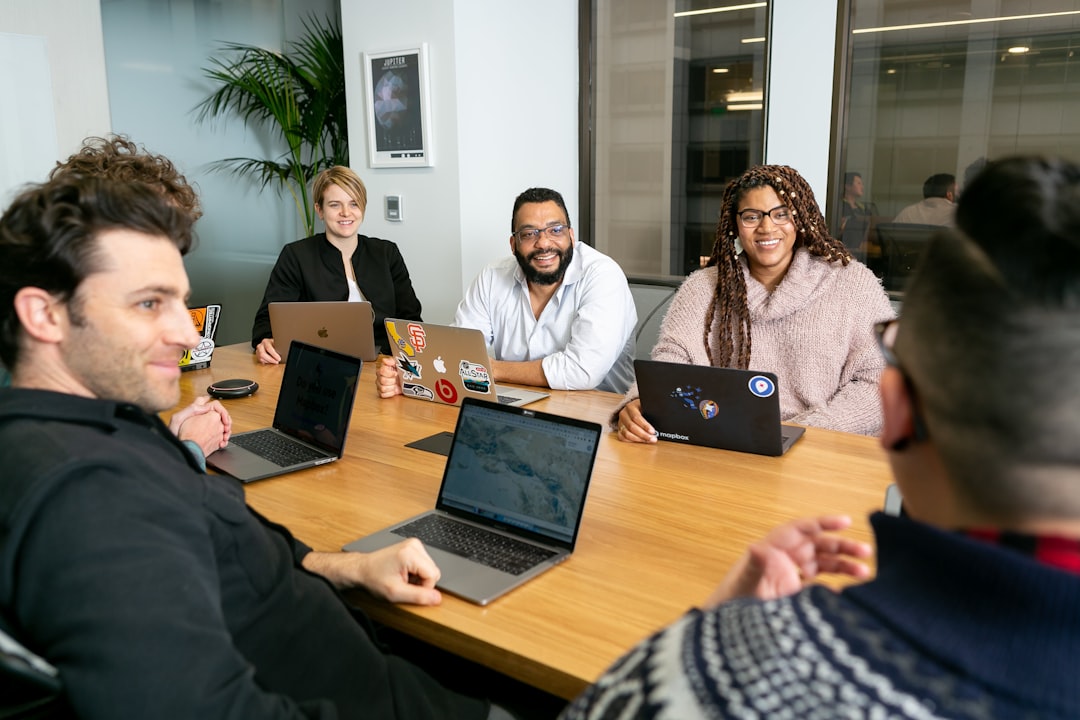
Team Building Delivers Measurable Gains (Image Credits: Unsplash)
Teams that collaborate effectively drive innovation and productivity in competitive business landscapes. Leaders recognize the value of structured events that transform routine interactions into opportunities for growth. These gatherings help employees develop trust, sharpen communication, and align on shared goals, ultimately strengthening organizational dynamics.
Team Building Delivers Measurable Gains
Organizations that prioritize team building activities report stronger relationships and improved performance. Shared experiences build trust and encourage open dialogue, as noted by experts in employee engagement.[1] Activities focused on collaboration enhance problem-solving skills and foster a culture of mutual support. Participants often emerge with renewed energy and clearer understanding of their colleagues’ strengths.
Research underscores these benefits. For instance, collaborative tasks lead to greater perseverance, with teams sticking with challenges 64% longer than individuals.[2] Such events also boost engagement, making them a smart investment for any company aiming to elevate team performance.
Icebreakers That Spark Instant Connections
Simple icebreakers set the tone for deeper interactions by revealing personal insights in a low-pressure way. These quick games encourage vulnerability and laughter, laying the foundation for collaboration.
One popular option involves players sharing two truths and one lie about themselves, with the group guessing the falsehood. This exercise prompts storytelling and attentive listening, helping teams uncover common ground.[1] Another approach uses pennies: participants draw a coin and recount a memory from that year, fostering empathy through shared histories.
- Back-to-Back Drawing: One person describes an image while another draws it without seeing, honing descriptive communication.
- Birthday Lineup: Teams arrange by birthdate using only gestures, building non-verbal cues.
- Passions Tic Tac Toe: Mingle to match interests on a grid, revealing hidden affinities.
Problem-Solving Challenges Build Resilience
Challenges that demand collective strategy push teams to rely on diverse skills under time constraints. These events mirror real-world pressures, teaching adaptability and quick decision-making.
The Human Knot stands out as a classic: participants link hands in a circle and untangle without releasing grips, requiring clear instructions and patience.[3] Similarly, the Helium Stick has teams lower a lightweight pole to the ground while keeping fingers touching it, exposing communication breakdowns in a humorous light.
| Activity | Group Size | Duration | Key Benefit |
|---|---|---|---|
| Escape Room | 5-20 | 20-60 min | Trust through puzzle-solving |
| Blind Square (Rope) | 5+ | 40-45 min | Planning under constraints |
| LEGO Challenge | 10-40 | 60-120 min | Creative assumptions testing |
Escape rooms, in particular, immerse groups in themed puzzles, where success hinges on idea-sharing and role delegation.[4]
Creative Events for Lasting Impact
Hands-on creative pursuits tap into imagination while reinforcing teamwork. These activities blend fun with purpose, leaving teams inspired.
Culinary cook-offs assign roles like chef or presenter, with mystery ingredients sparking improvisation and mutual reliance.[2] Scavenger hunts send teams on clue-based quests, blending strategy with exploration to energize participants.
- Portrait Gallery: Teams collaboratively draw each other’s portraits, passing sketches for iterative improvements.
- Make Your Own Commercial: Groups produce ads under quirky rules, enhancing presentation and innovation.
- Office Olympics: Friendly competitions like trivia or relays promote lighthearted rivalry.
Options Tailored for Every Team
Remote and hybrid setups demand adaptable events. Virtual reality challenges or online games bridge distances effectively.
Volunteer initiatives, such as community clean-ups, unite teams around shared purpose, boosting morale through social good.[2] Leaders should consider group size, setting, and goals when selecting activities to ensure inclusivity.
Key Takeaways
- Start small with icebreakers to build comfort quickly.
- Incorporate debriefs to translate fun into workplace habits.
- Measure success through follow-up feedback on team dynamics.
Effective team building turns colleagues into cohesive units ready to tackle complex projects. What team event has transformed your group’s collaboration? Share your experiences in the comments.