
Something is stirring beneath the surface of the American housing market. Quietly, in kitchens and living rooms across three specific states, homeowners are doing the math. They are looking at their listing apps, talking to their agents, and making a move before summer changes the rules entirely.
This isn’t panic. It’s something more calculated. It’s the slow, steady recognition that the window to sell at a strong price may not stay open much longer. If you own property in Florida, Texas, or California, this story is very much about you. Let’s dive in.
1. Florida: The Sunshine State’s Cloudy Forecast
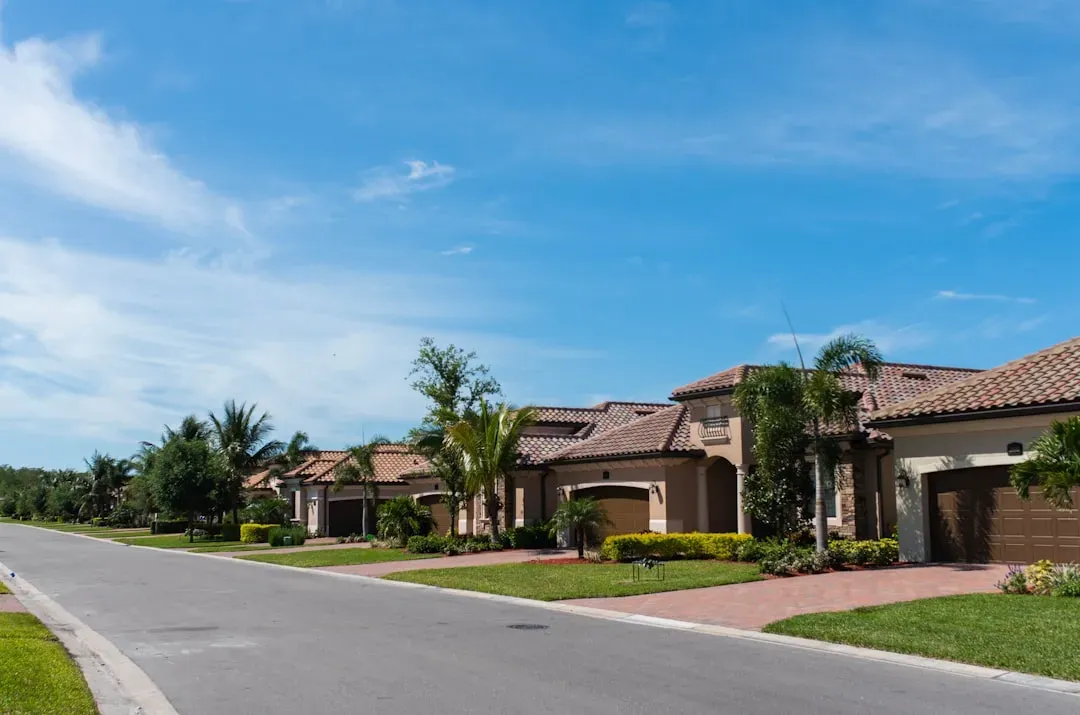
Let’s be real – Florida had an extraordinary run. Pandemic-era migration turned the Sunshine State into one of the hottest housing markets in the country, with prices climbing year after year. That era is now firmly in the rearview mirror. At the start of 2025, Florida had about 172,000 homes listed for sale, a rise of nearly a quarter compared to the prior year. That was the highest number of homes on the market in over a decade.
New listings for existing single-family homes rose nearly 11% year-over-year in March 2025, and condo-townhouse listings followed with a nearly 6% increase. That is not a market holding steady. That is a market filling up with sellers who sense the tide is turning.
Homeowners in the condo sector are feeling the most urgency. Florida’s condominium market faces unique challenges due to escalating insurance costs and stricter building regulations following the Surfside collapse in 2021. Condo sales decreased significantly as insurance premiums increased by more than half for many buildings, and tighter regulations required structural inspections that deterred potential buyers. That is a tough environment for anyone trying to hold or offload a condo.
Parts of the Florida housing market are experiencing a much-awaited cooldown after years of booming during the pandemic, as inventory grows and stubbornly high mortgage rates discourage demand. The insurance side of the equation is equally troubling for sellers. Sunshine State homeowners pay an average of $2,625 a year for $300,000 worth of dwelling coverage, more than the national average of $1,915, according to NerdWallet’s latest data. That kind of premium difference is a dealbreaker for many incoming buyers evaluating their full monthly costs.
Statewide median sales prices edged lower at year’s end 2025. The median for single-family existing homes was $413,990, down 1.4% from 2024, while condo-townhouse median prices finished at $310,000, a nearly 5% decline from the year before. Savvy Florida homeowners are reading those numbers clearly. Selling now, before conditions soften further heading into summer, is a calculation that increasingly makes sense.
2. Texas: The Overbuilt Boom State Running Out of Buyers
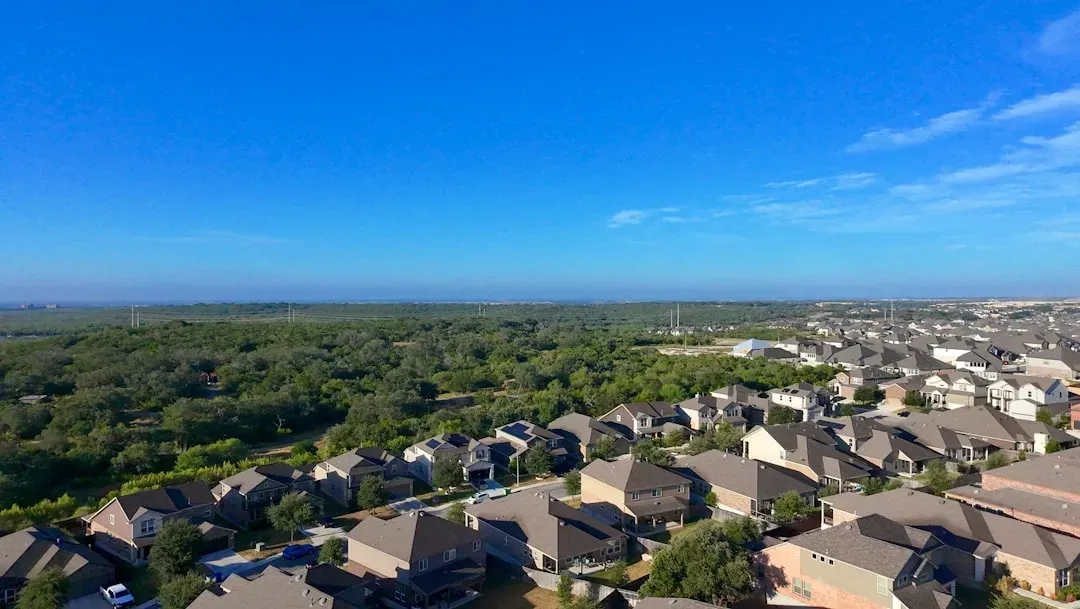
Texas spent the pandemic years building like there was no tomorrow. Thousands of new homes were constructed, new neighborhoods sprawled outward from Dallas, Houston, Austin, and San Antonio. It was bold and ambitious. The problem is, the buyers who were supposed to absorb all that supply stopped showing up in the same numbers.
The Texas housing market is undergoing a substantial correction, driven by a combination of oversupply, declining demand, and persistent affordability issues. The migration story that powered the boom has also started to unravel. In 2022, net domestic migration brought over 222,000 new residents to Texas. However, by 2024, that number had fallen to just 85,200, a decline of nearly two thirds.
Austin tells the sharpest version of this story. According to the Freddie Mac House Price Index, Austin is down more than 15% from its peak in May 2022, compared to a national average drop from peak of just 1.4%. That is a remarkable gap. Austin has continued to experience one of the sharpest corrections in the country, with home values remaining well below their 2022 peak and sellers increasingly cutting prices to attract buyers. Zillow data shows Austin’s home values fell more than 10% from peak levels and have struggled to rebound through 2024 and 2025.
Roughly close to half of all listings in Austin had price cuts during this period, reflecting softening demand and rising inventory. That is a buyer’s market through and through. As of late 2025, Texas leans closer to a buyer’s market than most states due to higher inventory and longer days on market, though conditions vary by city. For homeowners in Texas who locked in equity gains during the boom years, the window to cash out without giving too much of that equity back is still open, but it is narrowing.
Texas led the nation in homebuilding, issuing roughly 15% of the country’s new-home permits in 2024. As population growth slowed and high mortgage rates locked out potential buyers, the increased supply outpaced demand, resulting in downward pressure on prices in major metropolitan areas. The math here is unavoidably simple. More homes, fewer buyers, longer wait times, lower prices. Homeowners who understand that equation are quietly listing before the summer market makes things even harder.
3. California: A Market Frozen by Affordability and Quiet Exits
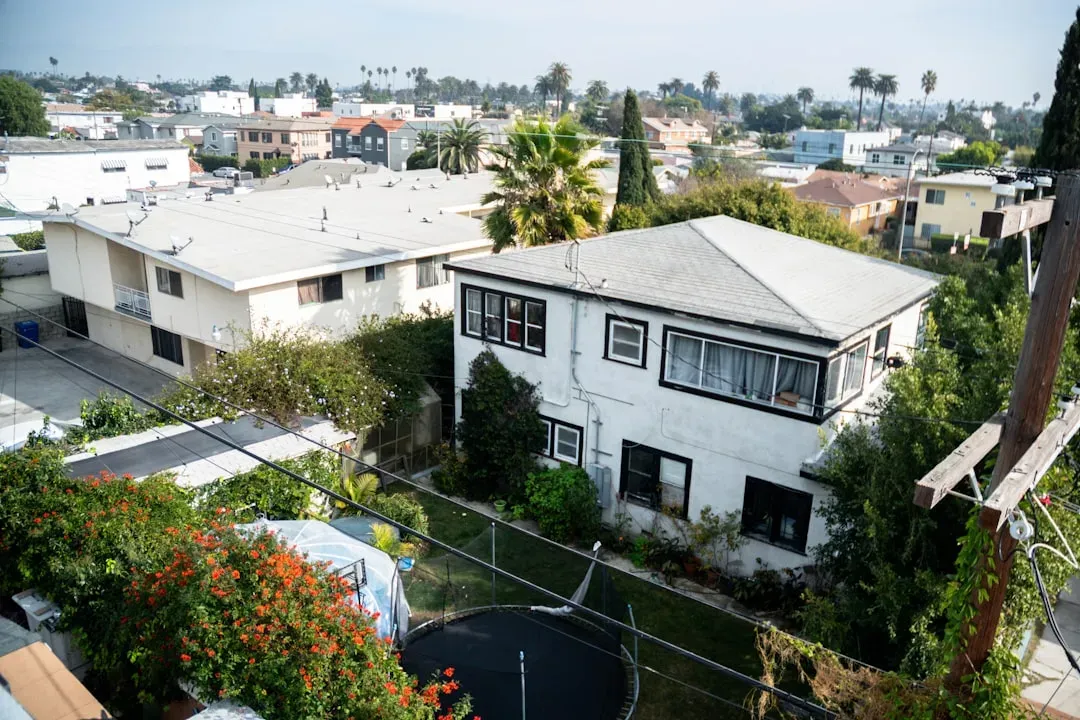
California is almost its own category entirely. Here’s the thing – the Golden State is not experiencing the same inventory explosion as Florida or Texas. In fact, supply remains historically tight. Yet homeowners are still quietly selling, and the reason is almost more sobering: affordability has collapsed so completely that the pool of buyers is shrinking by the season.
Housing affordability in California reached a critical low. According to the California Association of Realtors’ Housing Affordability Index, only 15% of households could afford to purchase a median-priced home as of Q4 2024. This tied the record low first set in 2023 and marked a sharp decline from over 56% affordability a decade ago. In practical terms, the vast majority of Californians are now priced out of homeownership at current rates and prices.
I know it sounds hard to believe, but the numbers tell a genuinely staggering story. The income needed to buy a median-priced home in California is approximately $222,000 per year, assuming a standard down payment and current mortgage rates. Meanwhile, the median household income in the state sits around $80,000, far below that qualifying threshold. When only a tiny slice of the population can afford your product, you have a structural problem, not just a cyclical one.
Population trends are making it worse. According to the U.S. Census Bureau, more people are still leaving California than moving in. Between 2020 and 2024, California experienced a net loss of approximately 500,000 residents due to domestic migration, a trend attributed to high housing costs, taxes, and a cost of living roughly 30% higher than the national average.
Analysis of 21 years of sales data reveals a stark contrast: California recorded about 954,000 home sales between 2023 and 2025, down roughly a quarter from the volume recorded during the 2007 to 2009 period, while nationwide sales actually increased by 13% over the same timeframe. That tells you everything. California homeowners who are ready to move are looking at an incredibly thin buyer pool, and many are choosing to act before summer brings even more uncertainty. As of September 2025, more than three quarters of California homeowners had mortgage rates below 5%, while new buyers face significantly higher current rates. Those who no longer need to stay locked in are among the quietest sellers in the country right now.
What This Means for the Broader Market Heading Into Summer

Zoom out and the picture is consistent across all three of these states. Sellers are not necessarily panicking. They are reading the room. According to Fannie Mae’s forecast, U.S. 30-year mortgage rates were likely to close out 2025 at around 6.3%, dropping only further to 6.2% by 2026. That is not the dramatic rate relief that would unlock a wave of new buyers. So the urgency to sell before the market shifts further is entirely rational.
Nationally, conditions are broadly shifting toward buyers. Studies find there are currently more than a third more home sellers in the market than buyers, a near-record gap, which is good news for buyers who have an opportunity to negotiate and ask for concessions. That gap is especially pronounced in Florida, Texas, and California, where the structural issues, whether they are insurance costs, overbuilding, or affordability collapse, are deepest.
Homeowners who sell now are not necessarily predicting a crash. A crash remains unlikely across all three states according to most analysts. But they are recognizing that conditions today are generally more favorable to sellers than they are likely to be in twelve months. Think of it like selling an umbrella before it stops raining. The demand is there. Today. Maybe less so tomorrow.
If you own property in Florida, Texas, or California and you have been sitting on the fence, the data suggests this summer may be the clearest inflection point the market has offered in years. What you do with that is, of course, entirely your call. What would you do in their shoes?