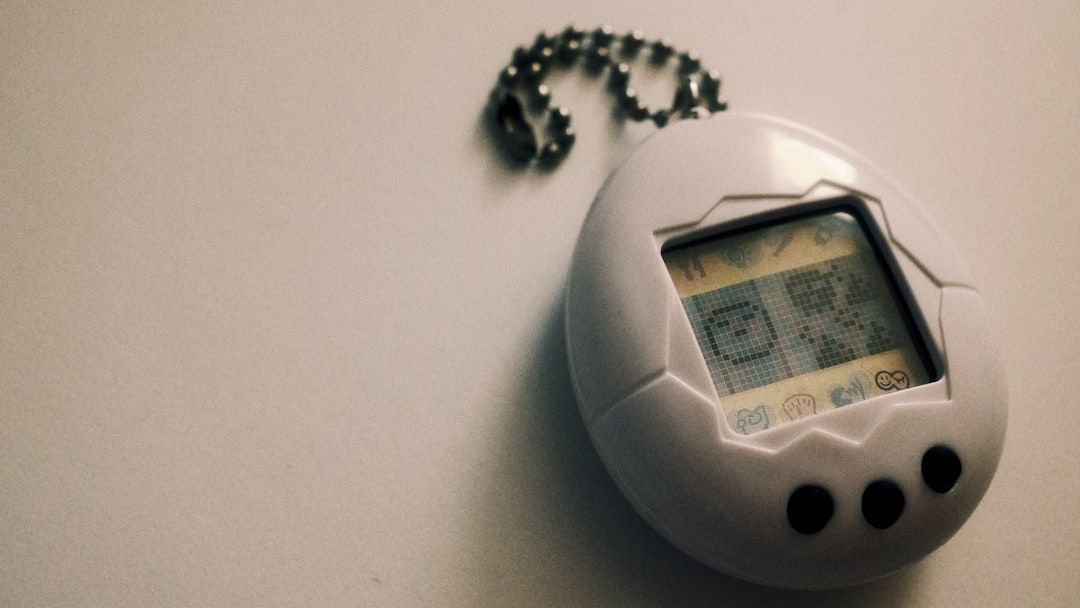

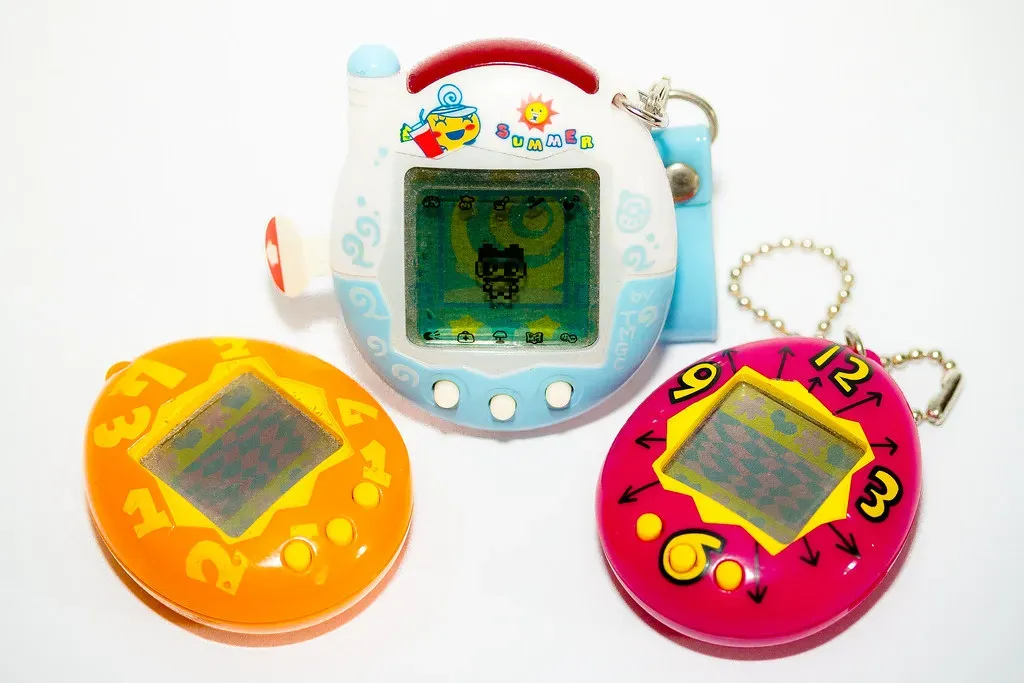
Picture this: rummaging through a box in my parents’ attic, covered in dust from decades past. My fingers brushed against something small and familiar, that egg-shaped keychain from 1997. Heart racing, I wondered if my pixelated pet still lived inside.[1][2]
That moment pulled me back to elementary school hallways buzzing with beeps and frantic button presses. Tamagotchi wasn’t just a toy; it hijacked our attention like nothing else. Let’s unpack the madness that made these digital critters impossible to ignore.
Rediscovering My Long-Lost Pet
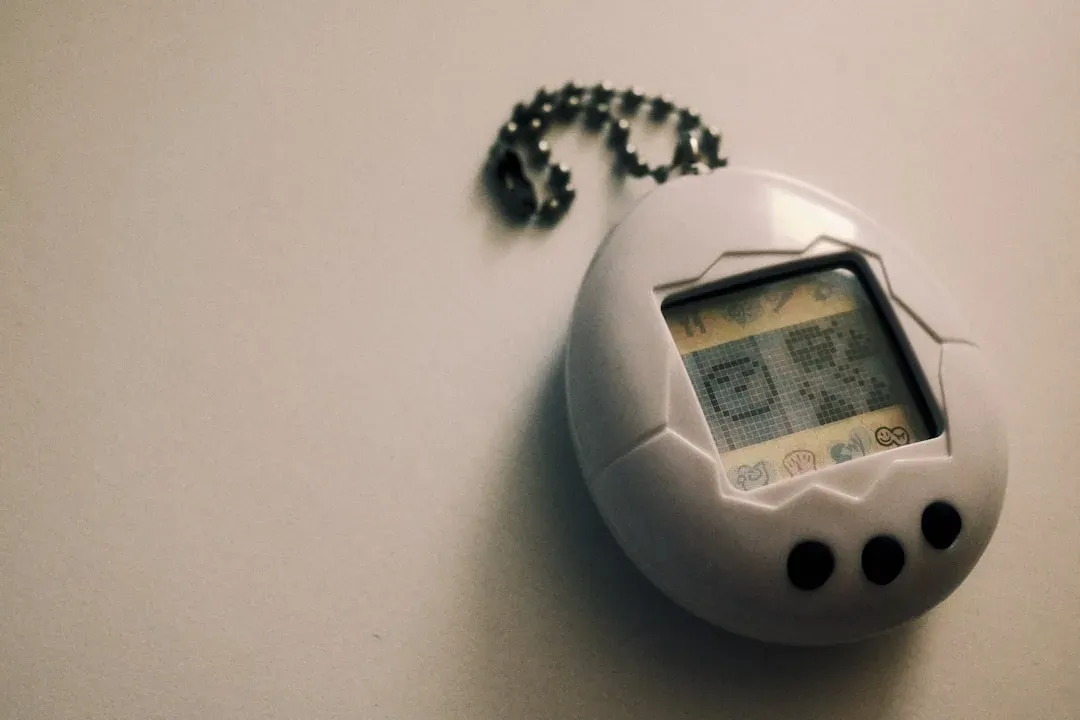
I finally cracked open that old Tamagotchi after wiping off layers of grime. The screen flickered to life, surprisingly, showing a familiar egg hatching sequence from my childhood. It felt surreal, like reuniting with a forgotten friend who never aged.[1]
Many folks share similar tales online, digging up their 90s relics and reviving them with batteries. Mine beeped demandingly right away, hunger bar flashing. Honestly, it hit me how these things demanded constant love, no matter the year.
The Humble Beginnings in 1996

Bandai launched Tamagotchi in Japan back in November 1996, a tiny handheld with a pixel egg that hatched into a needy creature. It sold 400,000 units almost immediately, proving instant appeal. Within months, nearly 10 million flew off shelves there alone.[3][4]
Creators tapped into something primal, mimicking real pet care in a pocket-sized package. Kids and adults alike got hooked on the simple cycle of feed, clean, play. That basic loop exploded into a cultural force.
Exploding onto Global Shelves
By 1997, Tamagotchi hit the US and Europe, sparking shortages everywhere. Stores couldn’t restock fast enough as demand soared. In just two and a half years, over 40 million units shipped worldwide.[5]
The craze peaked with kids sneaking them into class, enduring beeps during tests. Parents fumed, schools banned them, yet obsession grew. It reshaped how we viewed toys, blending tech with emotion.
Tapping the Nurturing Instinct

Experts point to our built-in drive to care as the secret sauce. Tamagotchi mirrored real parenting, with poo to clean and moods to manage. That urge to nurture code kept us glued, screen after screen.[6][7]
Therapists note it fosters connection in a disconnected world. My revived pet proved it, tugging at heartstrings decades later. No wonder it felt personal, almost alive.
The Relentless Care Routine
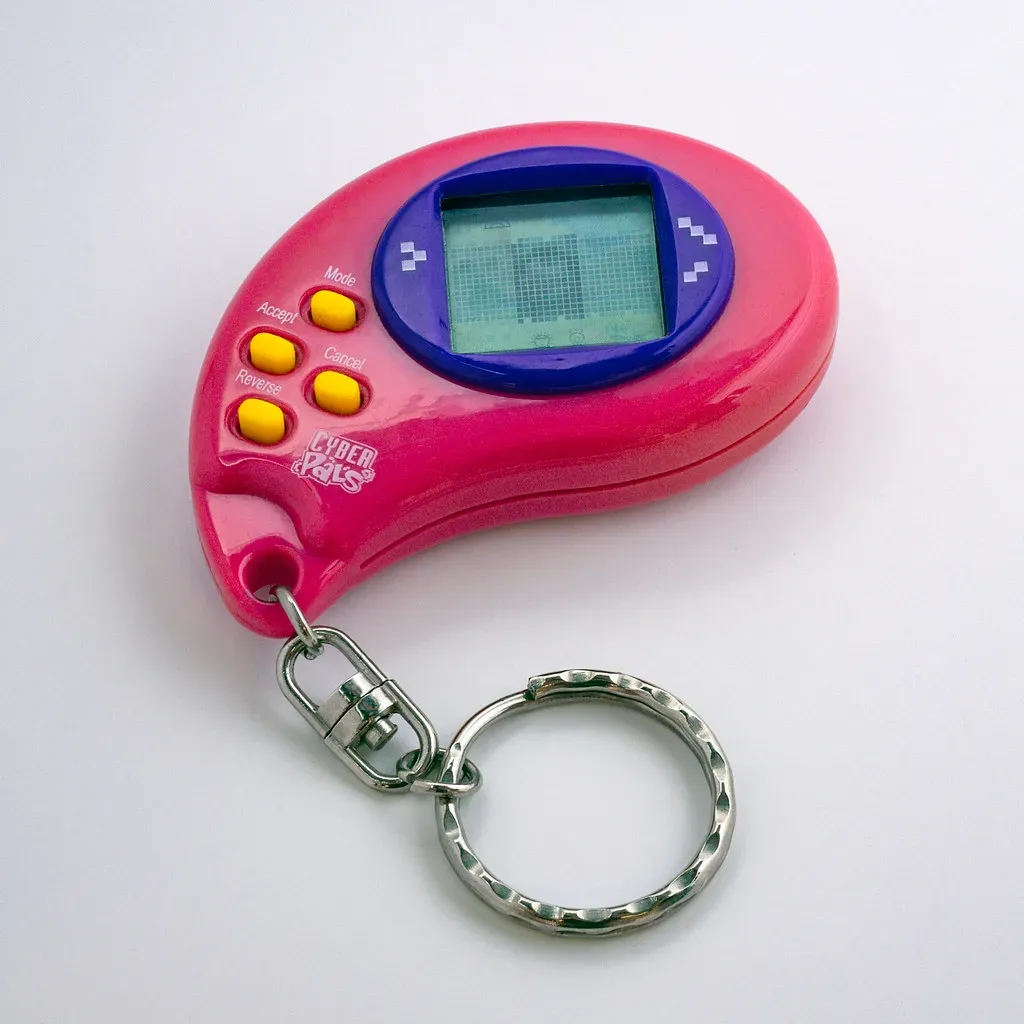
Every few hours, it beeped for food, play, or bathroom breaks. Neglect it, and your pet evolved poorly or worse, passed away. That high-stakes drama made every interaction thrilling.[8]
I remember hiding mine under pillows at night to muffle cries. The constant pull mimicked real responsibility, addictive in its simplicity. Let’s be real, it trained a generation in digital empathy.
Staggering Sales Figures
By the early 2000s, sales topped 70 million globally. Fast forward to 2025, cumulative shipments crossed 100 million, fueled by nostalgia. Nearly half those units sold in Japan, with a third in the Americas.[9][10][11]
New models in 2025 shattered expectations, especially among 20s and 30s crowd. Bandai hit milestones despite past overproduction hiccups. Numbers don’t lie; the obsession endures.
Forming Bonds with Pixels

People mourned dead Tamagotchis like real losses, sharing grief stories. It blurred lines between game and companion. My childhood one evolved into quirky adults, each unique based on care.[12]
That personalization hooked us deep. Reviving mine brought back those attachments instantly. Pixels packed real emotional punch.
90s Classroom Chaos

Schools worldwide banned them as distractions, yet kids smuggled them anyway. Beeps echoed through lessons, testing teacher patience. The shared frenzy built playground legends.[13]
Fans called it addictive, with lines wrapping stores. My friends traded tips on secret evolutions. Pure 90s pandemonium.
2025-2026 Revival Wave
Heading into its 30th year in 2026, new versions like Tamagotchi Uni and Paradise flew off shelves. A July 2025 release exceeded forecasts, blending retro with fresh features. Even Nintendo Switch got Tamagotchi Plaza.[14][15][16])
Gen Z rediscovered it via TikTok, while millennials relived glory days. My old one sits beside a shiny new Pix now. The cycle restarts.
Lasting Lessons from Little Eggs
Tamagotchi taught responsibility in bitesize beeps, influencing modern apps and pets. Its simplicity cuts through screen fatigue today. Tracking mine down reminded me why we cared so fiercely.[7]
In 2026, with fresh models dropping, the obsession feels timeless. What pixel pet from your past calls you back?