Aurora Sets the Pace with Commercial Driverless Hauls (Image Credits: Pixabay)
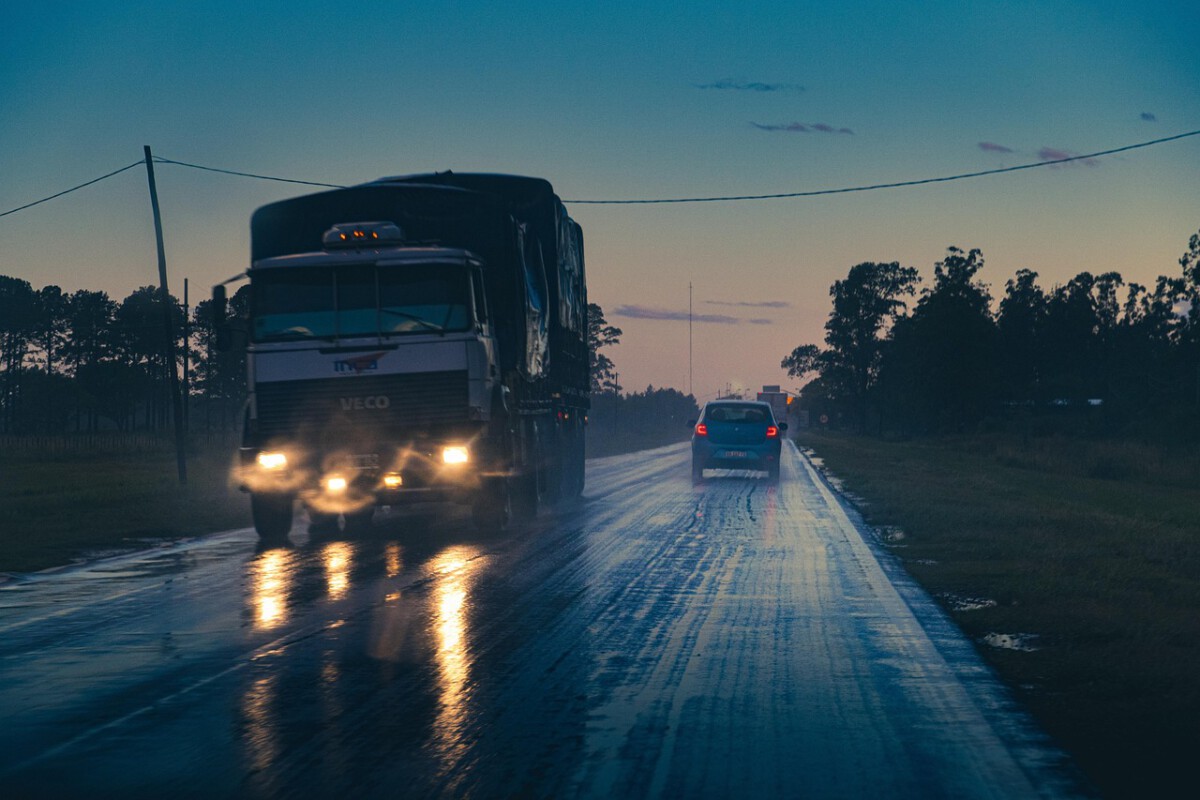
Autonomous semi-trucks have begun commercial operations on major highways linking Texas and Arizona, marking a pivotal shift in freight transportation. Companies such as Aurora Innovation lead the charge with driverless hauls spanning over 1,000 miles between Phoenix and Fort Worth.[1][2] These deployments address longstanding challenges like driver shortages and round-the-clock delivery demands in a sector valued at $900 billion.
Aurora Sets the Pace with Commercial Driverless Hauls
Aurora Innovation launched the first commercial self-driving Class 8 trucking service in the United States on May 1, 2025, completing regular driverless routes between Dallas and Houston.[3] The company quickly expanded operations, logging more than 250,000 driverless miles without a single collision attributed to its Aurora Driver technology.[1] CEO Chris Urmson described the milestone as the start of a new era in freight, emphasizing the system’s redundant safety features across braking, steering, and sensing.
Aurora now operates 30 trucks on the Phoenix-to-Fort Worth corridor and plans to scale to 200 fully driverless vehicles by the end of 2026.[1] This growth targets key Sun Belt routes, including El Paso to Phoenix and Laredo to Dallas, aligning with customer needs for reliable, 24/7 freight movement.
Kodiak and Waabi Bolster the Autonomous Push
Kodiak Robotics has deployed driverless trucks in Texas’s Permian Basin, hauling frac sand for partner Atlas Energy Solutions.[4] By early 2026, the company ran 10 such vehicles without cab occupants or remote monitors, preparing for broader highway operations in the second half of the year.[5] These efforts build on prior pilots, showcasing the Kodiak Driver’s readiness for energy sector logistics.
Waabi, meanwhile, established a dedicated truck terminal in Lancaster, Texas, to support commercial autonomous operations.[6] Fresh off raising over $1 billion in funding, the Canadian firm partners with Volvo on purpose-built trucks and eyes rapid scaling.[7] Though focused partly on robotaxis, Waabi’s physical AI platform prioritizes trucking deployments in high-volume corridors.
Strategic Routes Fuel Expansion in Key States
Texas emerged as the launchpad for these technologies, with Aurora’s Dallas-Houston runs paving the way for interstate growth.[3] Arizona’s Phoenix highways now host regular driverless semis, connecting to Texas hubs like Fort Worth and El Paso.[8] These corridors handle critical freight flows from West Coast ports to the Southeast.
| Company | Key Routes | Expansion Plans |
|---|---|---|
| Aurora | Phoenix-Fort Worth; Dallas-Houston | 200 trucks by end-2026; Sun Belt states[1] |
| Kodiak | Permian Basin, TX | Highway driverless H2 2026[9] |
| Waabi | Lancaster, TX terminal | Commercial scaling post-funding[6] |
States like Texas and Arizona permit these operations through supportive regulations, enabling tests and commercial use without human drivers in designated zones.
Safety and Efficiency Drive Adoption
Aurora’s closed safety case, validated by federal agencies including FMCSA and NHTSA, underpins its expansions.[3] The system predicts hazards like red-light runners and detects pedestrians at night, outperforming human benchmarks in simulations. Driverless operations promise continuous hauls, easing turnover issues cited by industry veterans.
- Over 250,000 driverless miles with zero at-fault incidents.[1]
- Redundant hardware ensures fail-safes in critical functions.
- Integration with TMS software streamlines fleet management.
- Energy sector pilots reduce downtime in remote areas.
- Funding surges enable hardware scaling for mass production.
A New Era for Trucking Dawns
These advancements position autonomous trucks to alleviate pressures in the $900 billion industry, from labor shortages to supply chain bottlenecks. As fleets grow, stakeholders weigh job impacts against safety gains and efficiency boosts. The Sun Belt’s infrastructure positions it as the testing ground for nationwide rollout.
Key Takeaways
- Aurora leads with 200-truck goal and flawless safety record.
- Kodiak and Waabi expand Texas operations, targeting highways soon.
- Texas-Arizona corridors prove viability for long-haul freight.
Autonomous trucking stands ready to redefine logistics reliability. What implications do you see for drivers and shippers? Share your thoughts in the comments.