

Your property tax bill lands in the mail, and suddenly you’re scratching your head over that big number. What does it really mean for your home? It’s not some mystery cooked up by officials.
Property taxes keep local services running, but decoding the assessment feels tricky at first. Stick with me through these steps. You’ll see how it all clicks together.
Step 1: Get the Basics of Property Taxes
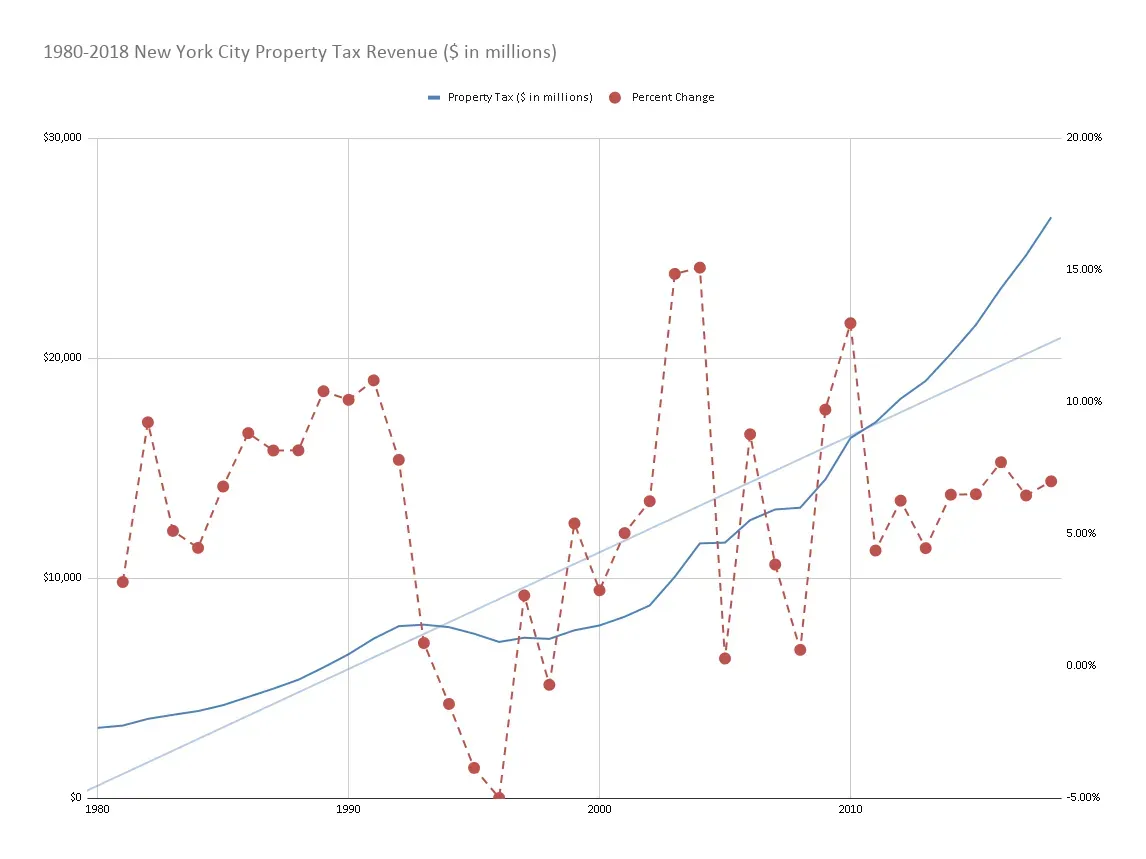
Property taxes form the biggest chunk of money for local governments across the U.S. In 2023, they pulled in about $742 billion, making up roughly 36 percent of all local tax collections, per the Tax Foundation. These funds keep communities humming.
Think of them as ad valorem taxes, tied directly to your property’s value instead of a flat fee. This setup is standard in municipal systems everywhere. It ensures those with pricier homes chip in more fairly.
Local governments count on this revenue year after year. Data from the Urban Institute shows they generated over $600 billion annually in the early 2020s. No wonder your bill matters so much.
Step 2: Understand Assessed Value

Assessed value sits at the heart of your property tax. Local assessors estimate your home’s market value using solid methods. They aim to reflect what it would sell for today.
This isn’t a wild guess. Guidance from the International Association of Assessing Officers outlines approaches like comparable sales and cost methods. Your home gets valued alongside similar ones nearby.
Once set, it feeds into your tax bill. Assessors update it to match real market shifts. That keeps things current and equitable.
Honest assessors work hard for accuracy here. Still, markets fluctuate, so values adjust over time.
Step 3: Dive into Assessment Methods

The comparable sales method rules the roost. Assessors look at recent sales of similar homes in your area to peg your value. It’s the go-to because it mirrors real buyer behavior, as noted by the International Association of Assessing Officers.
Other approaches fill in gaps, like cost to rebuild minus wear and tear. They cross-check for a full picture. No single method dominates everywhere.
Your local rules might lean one way or another. Check your county’s process for specifics. It varies, but transparency helps.
Step 4: Learn the Local Tax Rate
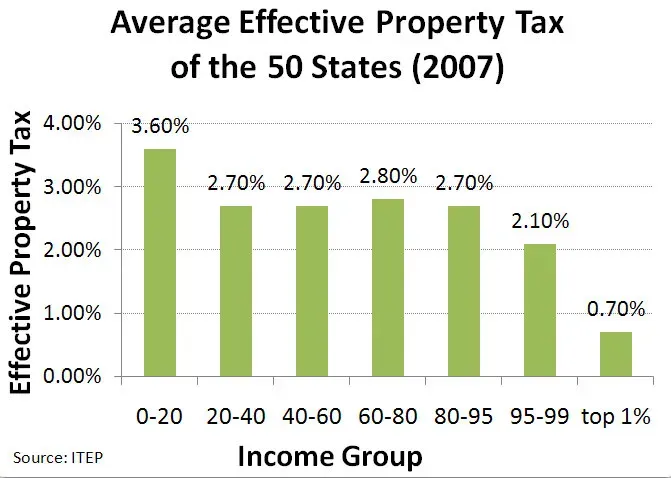
The tax rate, often called the mill rate, multiplies against your assessed value. Rates differ wildly by location. Median effective rates span from about 0.26 percent in Hawaii to over 2 percent in New Jersey, based on 2024 Tax Foundation data.
Your city or county sets this rate based on budget needs. It funds everything from roads to schools. Higher costs mean steeper rates sometimes.
These aren’t fixed forever. Voters or officials tweak them as needs change. Keep an eye on local votes that impact this.
Rates reflect community priorities. That’s why they vary so much state to state.
Step 5: Master the Tax Bill Formula

Your bill boils down to a simple equation: assessed value times the local tax rate. The Internal Revenue Service describes this standard structure clearly in its tax guidance. Nothing fancy about it.
Say your home assesses at $300,000 with a 1 percent rate. You’d owe $3,000 before exemptions. Easy math once you plug in the numbers.
Exemptions or deductions might lower that assessed value first. Seniors or veterans often qualify. Always review for those breaks.
Step 6: Know Reassessment Timing
Many places reassess every year or every few years. Several U.S. counties do annual checks to sync with hot markets, according to the National Association of Counties. This prevents big jumps later.
Your schedule depends on state law. Some hold off for five years, risking outdated values. Frequent updates keep fairness in play.
After a reassessment, expect a notice. It explains changes and your options. Markets boom, values rise, taxes follow.
Staying informed avoids shocks. Local assessor offices post these schedules online.
Step 7: See What Taxes Actually Fund

Property taxes pay for schools, police, fire departments, and roads. Education grabs the biggest slice in most spots, says the Urban Institute. Your money builds playgrounds and hires teachers.
Infrastructure gets a solid cut too. Pothole fixes and streetlights don’t fund themselves. It’s all local, close to home.
This revenue powers nearly everything you use daily. Without it, services grind to a halt. That’s the real impact on your wallet.
Step 8: Spot Differences Across States

Rates swing wide by state, as Tax Foundation 2024 data highlights. Low ones like Hawaii’s keep bills tame there. New Jersey homeowners face steeper shares.
Your state’s rules shape the whole system. Some cap increases yearly. Others let markets fully drive values.
Median effective rates tell the story. They factor in exemptions and appeals. Shop around if moving, but taxes follow value.
Location truly matters here. Coastal spots often cost more overall.
Step 9: Claim Your Appeal Rights

Homeowners can challenge high assessments. Submit comp sales or hire an appraiser for proof. Most jurisdictions guarantee this legal step.
Start with your assessor’s office. Deadlines are strict, often 30 to 60 days post-notice. Gather evidence strong.
Success rates vary, but it’s worth trying if off-base. Many lower bills this way. Don’t skip reading the fine print.
Appeals keep assessors honest. Use them wisely.
Step 10: Review Your Assessment Smartly

Grab recent neighbor sales for comps. Check public records or sites like Zillow for backups. Match size, age, condition close.
Spot errors in square footage or features. Those slip-ups inflate values fast. Call your assessor with questions.
Track trends yearly. Rising markets mean higher taxes, but appeals balance it. Stay proactive, save cash.
This process empowers you. Your home, your bill, your say.