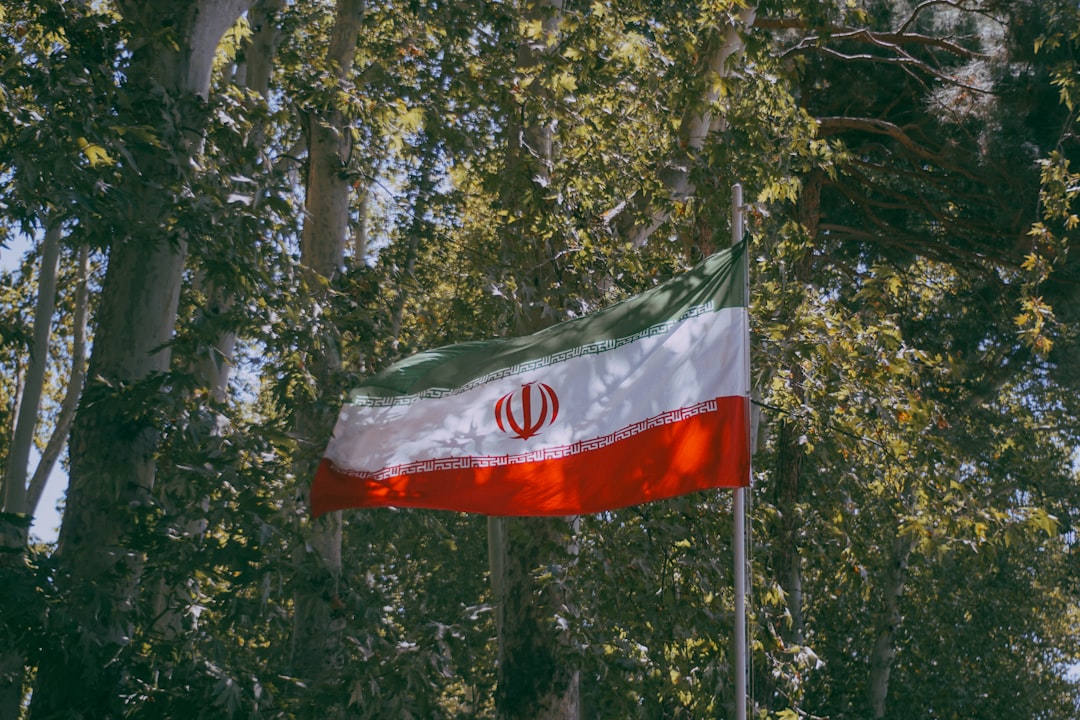
Senior Officials Targeted in Precision Assault (Image Credits: Unsplash)
Tel Aviv – Israel announced the elimination of two high-ranking Iranian security figures in targeted overnight operations, intensifying the strain on Tehran’s already fragile leadership. The deaths came shortly after the loss of Supreme Leader Ayatollah Ali Khamenei, marking a series of blows to the Islamic Republic’s command during its multifaceted conflict with Israel and the United States. As fighting raged on multiple fronts, Iran’s retaliatory missile and drone barrages targeted Gulf states and Israeli positions, heightening fears of broader economic fallout.
Senior Officials Targeted in Precision Assault
Israeli Defense Minister Israel Katz revealed that Ali Larijani, secretary of Iran’s Supreme National Security Council, and Gen. Gholam Reza Soleimani, commander of the Revolutionary Guard’s Basij militia, perished in strikes conducted the previous night. Larijani had emerged as a central power broker following Khamenei’s death in an early-war airstrike. Both figures played pivotal roles in Iran’s harsh suppression of widespread protests earlier in the year, which tested the regime’s endurance.
The Israeli operation underscored a strategy aimed at dismantling Tehran’s security apparatus at its core. Iranian state outlets offered no immediate verification of the losses. These eliminations left the regime scrambling for stability amid relentless external pressures.
Profiles of the Fallen Leaders
Larijani, from a prominent political lineage, previously served as parliamentary speaker and advised on sensitive nuclear negotiations during the Trump era. U.S. sanctions targeted him in January for orchestrating the crackdown on dissent under Khamenei’s directive. Gen. Soleimani faced similar international penalties from the U.S., EU, and others for his long-standing oversight of Basij forces stifling opposition.
Supreme Leader Mojtaba Khamenei, who succeeded his father, remained absent from public view, with Israel speculating he sustained injuries. The command vacuum complicated Iran’s war efforts significantly. Observers noted the duo’s influence extended to both domestic control and regional proxy operations.
Iran’s Defiant Counterstrikes Hit Gulf Region
Iran unleashed fresh waves of missiles and drones against Gulf Arab states and Israel, striking oil facilities in the United Arab Emirates’ Fujairah emirate. UAE state media confirmed no injuries from the drone impact, though a nearby tanker suffered minor debris damage. Separately, debris from an intercepted missile claimed one life in Abu Dhabi, the eighth UAE fatality since hostilities erupted.
Dubai authorities temporarily sealed airspace amid the threats, the second such closure in days, disrupting global travel hubs. Saudi Arabia downed incoming drones, while Qatar’s defenses activated over Doha. Iran-linked groups also struck U.S. interests in Iraq, with shrapnel hitting the Baghdad embassy.
- Key targets included UAE oil infrastructure and shipping routes.
- Strait of Hormuz passage restricted for U.S., Israeli, and allied vessels.
- Approximately 20 ships damaged since war’s outset.
- Parliamentary speaker Mohammad Bagher Qalibaf defended the actions on state TV, questioning inaction against perceived aggressors.
Escalation in Tehran and Lebanon Fuels Casualty Counts
Israel expanded its campaign with extensive strikes on Tehran’s command centers, missile sites, and defenses. The military also intensified operations against Hezbollah in Beirut and southern Lebanon. Lebanese forces reported two soldiers gravely wounded in a strike near Kfar Sir, contributing to over 850 deaths and the displacement of more than 1 million – about 20% of the population.
Iran’s Red Crescent tallied over 1,300 deaths domestically since the conflict began. Israel intercepted multiple Iranian salvos aimed at Tel Aviv and Galilee areas, with additional launches from Lebanon. The Jewish state mourned 12 civilians lost to Iranian missiles, alongside 13 U.S. troops killed in the fray.
Energy Markets Brace for Prolonged Disruption
Tehran’s hold on the Strait of Hormuz, vital for one-fifth of global oil, sparked alarms over supply chains. President Donald Trump urged about seven nations to deploy warships for patrols, though responses remained cautious amid exit strategy doubts. A few neutral vessels transited, but allied shipping faced blockades.
| Impact Area | Details |
|---|---|
| UAE Airspace | Brief closure; intercepted 10 missiles, 45 drones |
| Oil Facilities | Fujairah hit; no injuries reported |
| Casualties | 8 UAE deaths total; rising oil prices |
International Energy Agency members eyed strategic reserves as prices climbed. The war’s persistence threatened worldwide economic stability.
Key Takeaways:
- Israel’s strikes removed irreplaceable security experts from Iran’s hierarchy.
- Gulf states endured repeated assaults, straining defenses and commerce.
- Strait of Hormuz tensions risk a severe energy crunch without swift de-escalation.
This cascade of losses and reprisals signals no quick resolution, with Iran’s theocracy confronting existential threats while regional allies navigate survival. The global economy hangs in the balance as chokepoints like Hormuz test international resolve. What implications do these developments hold for stability? Share your views in the comments.