
Zion National Park is one of those places that genuinely takes your breath away. The towering red sandstone cliffs, the Virgin River threading through narrow canyons, the sheer scale of it all. Honestly, it’s hard not to fall in love with it on the spot.
The trouble is, that beauty can be dangerously misleading. Every single season, rangers watch visitors make the same critical errors over and over again, and sometimes those mistakes have fatal consequences. Let’s dive in.
Mistake #1: Underestimating the Heat and Skipping Proper Hydration
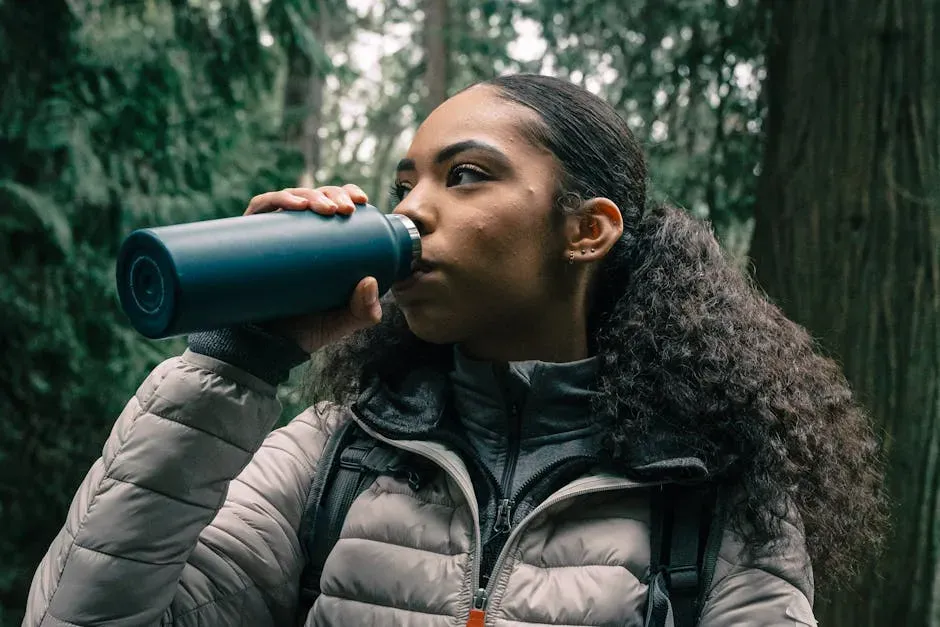
Here’s the thing about Zion in summer: it doesn’t feel as extreme as it actually is. Temperatures regularly surpass 100°F (38°C), and many visitors simply aren’t used to hiking in that kind of heat or don’t bring nearly enough water. You might feel fine at the trailhead at 8 a.m. By noon, with the canyon walls radiating heat like a furnace, you’re in serious trouble.
The lush scenery of Zion Canyon lulls hikers into believing they’re enjoying a nice canyon stroll. The reality is that Zion sits at a deceptively high altitude, and many trails climb over 1,000 feet in elevation in just a couple of miles. That combination of heat and elevation is brutal, and most people don’t see it coming until it’s too late.
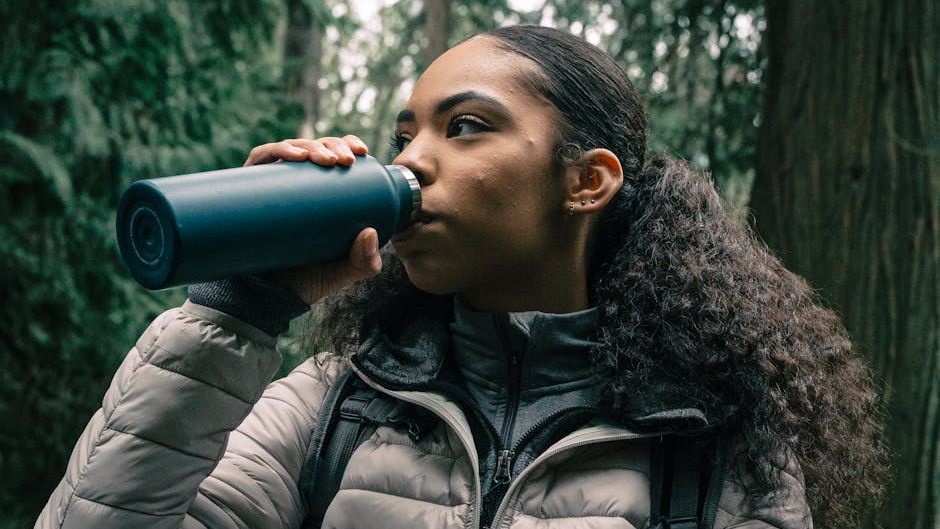
The result is dehydrated, over-exerted hikers stuck on busy trails with no quick way to get relief. NPS guidelines recommend at least one gallon, roughly 3.8 liters, of water per person per day during summer hikes. Most tourists show up with a half-liter bottle and a granola bar. Dehydration is one of the leading causes of medical emergencies in the park, and it’s entirely preventable.
Mistake #2: Ignoring Flash Flood Warnings in The Narrows and Slot Canyons
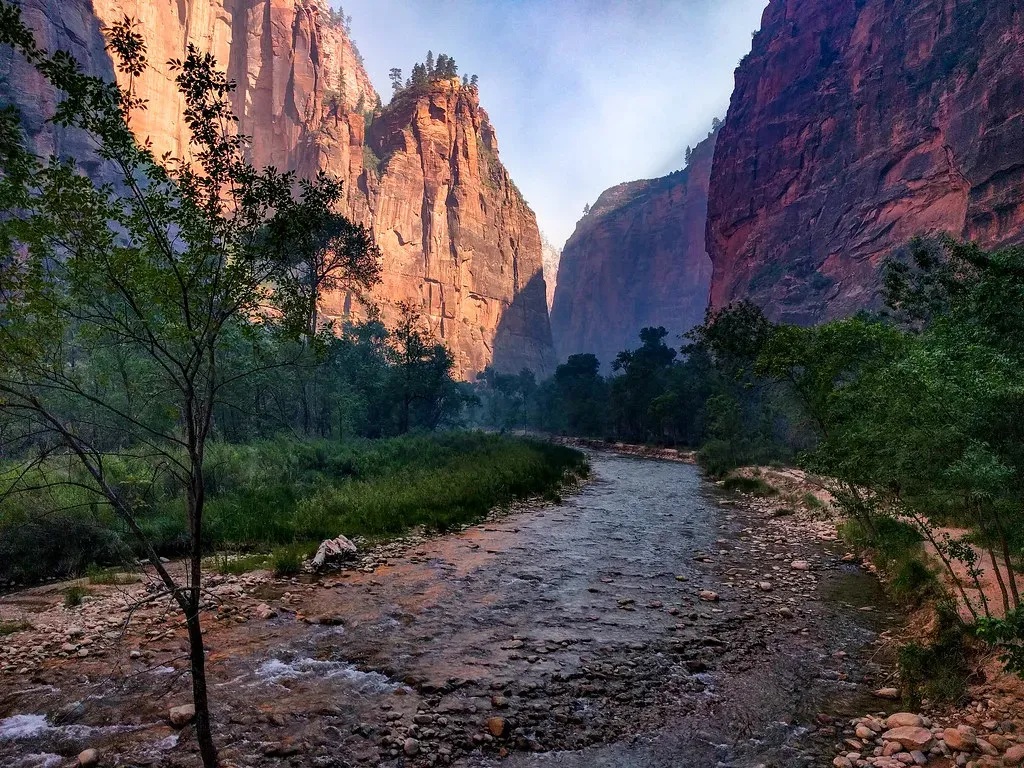
I think this is the one that scares rangers the most. Zion has rivers and slot canyons where water levels can rise with shocking speed. Some visitors drown after being caught in strong currents or flash floods. The Narrows, one of the park’s most famous hikes, requires walking through the Virgin River, and if a storm strikes upstream, the water can rise rapidly, making escape almost impossible.
The horrifying reality of flash floods was made undeniable in 2015, when seven canyoneers were caught in a sudden surge while navigating the narrow Keyhole Canyon. A storm had been forecasted, but the group proceeded. Heavy rain led to a powerful surge of water that trapped and drowned all seven. That tragedy remains one of the deadliest events in Zion’s recorded history.
Yet tourists still walk into The Narrows with dark clouds visible on the horizon, brushing off the warnings posted at the trailhead. Flash floods are a common danger in slot canyons, and when planning any visit you should always check the weather forecast before starting a hike, paying special attention to the park’s current flash flood rating. A storm doesn’t even need to be directly overhead. Rain falling miles away can send a wall of water rushing through a canyon in minutes. No photograph is worth that risk.
Mistake #3: Overestimating Their Ability on Dangerous Trails Like Angels Landing
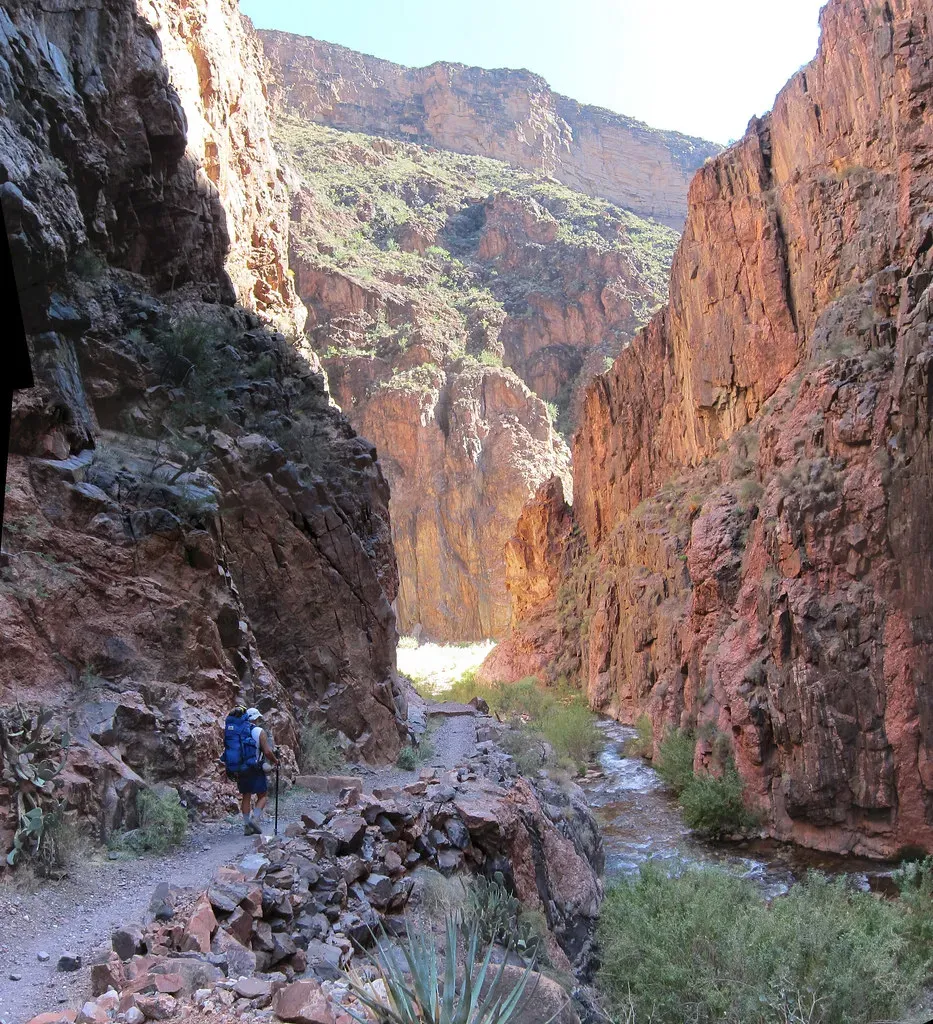
Let’s be real: social media has made Angels Landing look like a bucket-list stroll. People see the stunning photos, book a trip, and assume that if thousands of others can do it, it can’t possibly be that hard. As of 2026, there have been 18 confirmed deaths on the Angels Landing hike, and some sources place that figure at over 20. Most were falls from steep cliffs.
Angels Landing is one of Zion’s most popular hikes and also one of its most dangerous. The trail features steep switchbacks followed by a narrow sandstone ridge with sheer drop-offs on both sides. Crowded conditions, uneven footing, and attempting the hike without proper preparation have all been cited as contributing factors in past incidents. The NPS introduced a permit system specifically to reduce overcrowding and lower the risk of accidents.
The sandstone that creates Zion’s vibrant red effect is also notoriously slick, crushing into fine sand and becoming dangerously slippery when wet. In either wet or dry conditions, a misplaced boot can quickly turn disastrous. Zion logged 193 search and rescue incidents in 2024 alone, mostly concentrated between Memorial Day and Labor Day, and it’s not uncommon for the park to field multiple complex emergency calls in a single day. Rangers are stretched thin, response times increase with overcrowding, and a trail that looks manageable in a photo can be a completely different experience in person.
Conclusion: Zion Rewards Respect, Not Recklessness
Zion National Park is extraordinary. Between 2007 and 2024, the park recorded a total of 59 fatalities, averaging roughly 3.3 deaths per year, and behind every one of those numbers is a real person who likely didn’t plan for things to go wrong. The patterns are consistent and they are avoidable.
Drink far more water than you think you need. Check the weather and respect flash flood alerts without exception. Know your physical limits before you step onto an exposed ridgeline with thousand-foot drop-offs below you. These aren’t bureaucratic formalities. They are the difference between coming home and not.
Zion will still be jaw-droppingly beautiful whether you take the cautious route or the reckless one. The canyon doesn’t care either way. The question is whether you’ll be around to tell the story. Would you still head out into The Narrows with storm clouds overhead? Tell us in the comments.