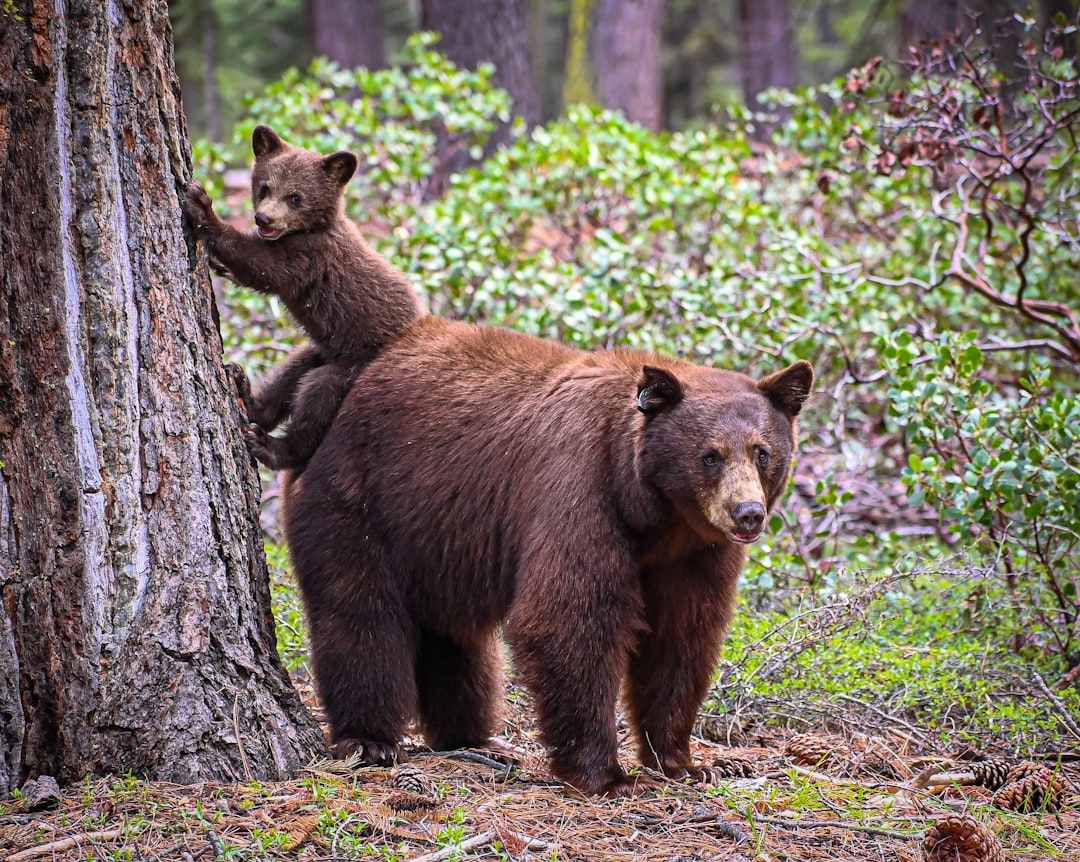
Sudden Swipe Shocks Morning Walker (Image Credits: Unsplash)
Monrovia – State wildlife authorities ended the life of a mother black bear this week after she injured two residents in separate swipes, the most recent occurring last weekend. City leaders had urged relocation to the Angeles National Forest instead, highlighting the bear’s role as a protective parent to her two cubs. The decision underscores ongoing tensions between human safety and wildlife management in foothill communities bordering wild areas.[1][2]
Sudden Swipe Shocks Morning Walker
The attack unfolded around 9:20 a.m. on Saturday along Oakglade Drive. A woman out walking her dog encountered the female bear, which charged and clawed the back of her knee. She sustained minor injuries requiring hospital treatment but expected a full recovery. A nearby resident rushed to assist, yelling at the bear to retreat while summoning emergency services. The animal backed off, vanishing into the neighborhood with her cubs nearby.
Hours later, witnesses spotted two bears under a local home, where officials later confirmed a den housed the cubs. California Department of Fish and Wildlife (CDFW) teams responded swiftly, setting traps to capture the family. By Sunday, they had secured the mother and her offspring. The incident marked the second confirmed human contact for this bear, tipping the scales toward lethal action.[3]
Prior DNA Match Reveals Repeat Behavior
Investigators linked the bear to an earlier clash through forensic evidence. In June 2025, she approached an elderly man seated on his enclosed porch in the same Monrovia neighborhood. The bear swiped at him, causing injury that required medical care, though he fully recovered. CDFW collected DNA from that scene but failed to locate the animal at the time.
Testing after the recent capture confirmed the match. Local and Sacramento-based officials reviewed the history. State policy deems two human injury incidents sufficient grounds for euthanasia when public safety hangs in the balance. This bear’s pattern signaled an escalating threat, they concluded.[1][2]
City Council Pushes Back Against Euthanasia
Monrovia officials mobilized quickly upon learning of the capture. The City Council lobbied CDFW for an alternative: trapping and releasing the family into the Angeles National Forest. City Manager Dylan Feik conveyed the community’s stance, emphasizing coexistence with local wildlife. Residents familiar with the bears pleaded for communication between agencies and neighbors.
Efforts proved too late. Feik announced the outcome Tuesday evening, expressing regret. “Local CDFW officials, as well as those working at state offices in Sacramento, determined the two incidents which caused human injury were sufficient justification to euthanize the bear, according to state policy,” he stated. “The Monrovia City Council requested and lobbied for the bear and her cubs to be relocated into the Angeles National Forest but the decision was never the City’s to make. By the time we were able to speak with state officials involved in the decision-making, the decision to euthanize was already made.”[1]
Orphaned Cubs Chart New Path
The two young bears emerged unscathed from the ordeal. CDFW deemed them healthy enough for rehabilitation. Officials plan to transfer them to a specialized facility before gradual reintroduction to wildland habitats. This approach spares the cubs while addressing immediate risks.
Community members expressed mixed relief and sorrow. One resident, Richard Franco, called for better coordination: “This is a plea to Fish and Wildlife to communicate better, to talk to people in the community who know these bears.” Neighbor Ashlie Howie-Storms echoed concerns over reactive measures in bear-prone areas.[2]
Monrovia’s foothills position it at the edge of black bear territory, where encounters rise during dry seasons or food shortages. Wildlife experts stress securing trash and avoiding feeding to deter bold animals. Yet, protective mothers like this one often venture near homes seeking safe dens for cubs.
Key Takeaways
- DNA evidence connected the bear to two human injuries: June 2025 porch swipe and March 2026 dog walk attack.
- CDFW cited state policy on repeat injuries as basis for euthanasia, viewing it as a last resort for public safety.
- Monrovia leaders advocated relocation, but the decision rested with state wildlife managers.
This case highlights the delicate balance in urban-wild interfaces. Human expansion meets wildlife needs, forcing tough choices. What measures could prevent future tragedies? Tell us in the comments.